← Back to Blog
Selling
Selling a Home in Lafayette LA: Pricing, Timeline & Expectations
By Shayla Lange, Licensed Real Estate Agent
EXP Realty
September 8, 2026 · 10 min read
Selling a home in Lafayette, LA has built a strong reputation among sellers who go in prepared, and the reason is straightforward: the Lafayette market rewards homes that are priced correctly and presented well. This guide walks through how pricing actually works here, what a realistic timeline looks like from listing to closing, and what surprises most sellers along the way.
1. Why Lafayette's Seller Reputation Is Earned, Not Assumed
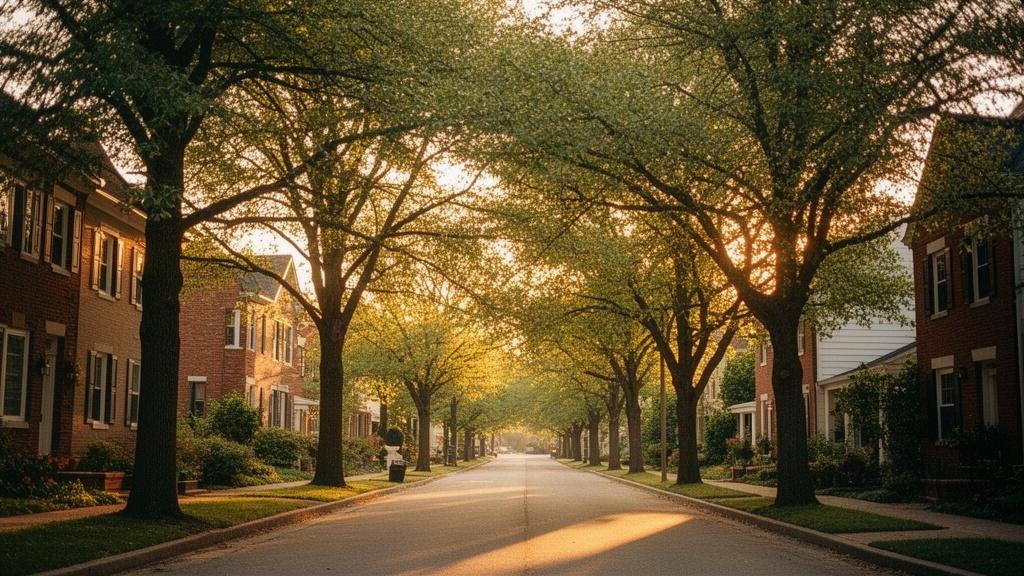
Selling a home in Lafayette, LA has the best reputation among sellers who do the work upfront. Lafayette's residential market has shown consistent activity through 2026, driven by a local economy anchored in energy, healthcare, and higher education. That combination keeps buyer demand relatively steady compared to markets that depend on a single industry.
What Makes Lafayette Different from Statewide Trends
Louisiana as a whole carries headlines about insurance costs and storm risk, and Lafayette is not exempt from those conversations. But Lafayette Parish has a diversified housing stock that ranges from older Creole cottages near downtown to newer construction in Youngsville and Broussard, and that variety means buyers at multiple price points are actively searching here.
The University of Louisiana at Lafayette brings a steady rotation of faculty, staff, and graduate students who need housing. University Medical Center and the broader healthcare corridor along Ambassador Caffery Parkway generate consistent relocation demand from medical professionals. These aren't seasonal buyers; they're people who need to close and move.
The Role of Local Demand Drivers
Lafayette sits at the intersection of I-10 and I-49, making it a regional hub for Acadiana. Buyers relocating from Baton Rouge, New Orleans, or out of state often land in Lafayette because of that accessibility. The Cajundome, Parc International, the Vermilionville historic site, and the River Ranch mixed-use district all contribute to a lifestyle profile that draws buyers who have options but choose Lafayette specifically.
For sellers, this matters because your buyer pool is broader than you might expect. Understanding who is actively looking in your price range, and why, shapes how you position your home from day one.
2. How Pricing a Home in Lafayette Actually Works
Pricing is the single decision that most affects how quickly your home sells and how much you net at closing. In Lafayette, the gap between a well-priced home and an overpriced one shows up fast: correctly priced listings in active price bands have been going under contract within two to three weeks in September 2026, while overpriced homes sit and accumulate days on market, which buyers and their agents notice.
Comparative Market Analysis vs. Online Estimates
Automated valuation tools pull broad data and apply algorithms that do not account for Lafayette's hyper-local variables. A home on the south side of Pinhook Road can carry a meaningfully different value than a structurally similar home two streets over, simply because of lot size, flood zone designation, or proximity to commercial traffic. The National Association of Realtors' consumer guide on what goes into pricing your home explains clearly why automated estimates are a starting point, not a strategy.
A proper Comparative Market Analysis, or CMA, looks at homes that have actually closed in your immediate area within the past three to six months, adjusts for differences in square footage, condition, lot size, and features, and produces a defensible price range. In Lafayette, your agent should be pulling from specific zip codes rather than the parish as a whole, because 70508 and 70503 can behave very differently in the same month.
For a current look at what prices are doing across Lafayette right now, see What Are Home Prices Doing in Lafayette LA Right Now in September 2026, which breaks down median prices and trends by area.
How Location Within Lafayette Affects Value
Lafayette is not one uniform market. The Oil Center area, with its mid-century ranch homes and tree-lined streets, carries its own pricing dynamic. The Camellia Boulevard corridor attracts buyers drawn to the walkability to City Park and Girard Park. Subdivisions along Ambassador Caffery south of Kaliste Saloom Road see strong demand from buyers who want newer construction without leaving the city limits.
Flood zone classification is a pricing factor that cannot be ignored in Lafayette. Homes in Zone X, which carries the lowest flood risk designation, command a premium over structurally comparable homes in higher-risk zones, because buyers factor in insurance costs when they calculate what they can afford monthly. Your agent should know your property's flood zone and be able to speak to it with buyers.
Pricing Mistakes That Cost Sellers Money
The most common mistake in Lafayette is pricing to leave room to negotiate, rather than pricing to attract multiple offers. When a home is listed above market, buyers often skip it entirely rather than making a low offer. The listing accumulates days on market, and when a price reduction finally comes, buyers wonder what is wrong with the property.
The second mistake is pricing based on what you need to net rather than what the market supports. Your payoff amount, renovation costs, or next purchase price are not factors a buyer considers. The market sets the value, and the CMA reveals it.
3. The Lafayette Home Selling Timeline: From Listing to Closing
Most sellers in Lafayette should plan for a total timeline of eight to fourteen weeks from the start of pre-listing preparation through closing. That window can compress significantly for move-in-ready homes priced at market, and it can extend for homes that need negotiation, repairs, or deal with appraisal gaps. Here is how the phases break down.
Pre-Listing Preparation
This phase typically runs two to four weeks and is where sellers have the most control over their outcome. The work done here directly affects how buyers perceive the home on their first showing, and first impressions in Lafayette's market move fast.
Pre-listing tasks in Lafayette commonly include: completing deferred maintenance such as roof repairs or HVAC servicing, deep cleaning and decluttering, addressing any known foundation or moisture issues before they surface in an inspection, and scheduling professional photography. In a market where buyers scroll listings on their phones, photos are the first showing. The NAR's consumer guide on preparing to sell your home covers the preparation steps in detail and is worth reading before your first conversation with an agent.
Lafayette's humidity means buyers and their inspectors look closely at crawl spaces, attic ventilation, and any signs of moisture intrusion. Addressing these before listing removes a common source of post-inspection renegotiation.
Active Listing Phase
Once your home is live on the MLS, the first ten to fourteen days are the most critical. Buyer agents in Lafayette watch new listings closely, and a well-priced home in a sought-after area, such as the subdivisions along Johnston Street or the established streets off Camellia Boulevard, will see showing requests within the first forty-eight hours.
Homes priced between $250,000 and $400,000 have seen the most activity in Lafayette through 2026, reflecting strong demand from first-time buyers and move-up buyers alike. Homes above $500,000 typically take longer to attract the right buyer, because the pool narrows and financing options change. Your agent should be communicating showing feedback to you weekly so you can make informed decisions quickly.
Under Contract Through Closing
Once you accept an offer, the contract-to-close period in Lafayette typically runs thirty to forty-five days for conventional and FHA financing. Cash offers can close in as few as two to three weeks. The main milestones during this phase are the home inspection, the appraisal, and loan underwriting, each of which can introduce delays if issues arise.
Louisiana uses an Act of Sale process through a notary rather than a traditional title company closing, which is different from what buyers and sellers relocating from other states may be used to. Your agent and the notary will walk you through the paperwork, but knowing this upfront prevents confusion near the finish line.
4. What to Expect During the Selling Process in Lafayette
Even well-prepared sellers encounter surprises. Knowing what is common in Lafayette specifically helps you stay calm and make good decisions when they come up.
Inspections, Appraisals and Buyer Requests
Home inspectors in Lafayette commonly flag items that are specific to the regional climate and construction era: pier-and-beam foundation settling, wood rot on exterior trim, aging HVAC systems that run hard through long Louisiana summers, and evidence of past water intrusion. None of these are automatic deal-killers, but sellers who know about them in advance can decide whether to fix them before listing or price accordingly.
Appraisals can be a sticking point when a home is priced above recent comparable sales, which is a real risk if you list in a neighborhood where few homes have sold recently. Your agent should be able to provide the appraiser with a list of relevant comps and any improvements that justify your price. This is not influencing the appraisal; it is giving the appraiser complete information.
Costs Sellers Should Budget For
Sellers in Lafayette should expect total closing costs to run between eight and ten percent of the sale price when you include agent commissions, notary fees, prorated property taxes, and any seller concessions negotiated with the buyer. On a $300,000 sale, that is roughly $24,000 to $30,000 coming off your gross proceeds.
Seller concessions, where you agree to cover a portion of the buyer's closing costs, are common in Lafayette and can be the difference between a deal that closes and one that falls apart. In September 2026, buyers using FHA financing are frequently asking for concessions of two to three percent. Whether to agree depends on your net proceeds and how much competition exists for your home at your price point.
What Slows Down a Sale Here
The most common causes of delayed or failed closings in Lafayette are: flood insurance complications when a buyer's lender requires an elevation certificate that was not part of the listing package, appraisal gaps on homes priced above recent comps, and financing fall-through when a buyer's debt-to-income ratio changes between pre-approval and underwriting.
Having your elevation certificate ready before you list, pricing within a defensible range, and asking your agent to verify buyer financing strength before accepting an offer all reduce these risks meaningfully. Sellers who skip these steps are the ones who end up back on the market after a contract falls through.
5. Timing Your Sale in Lafayette's September 2026 Market
September is an active month for Lafayette sellers, and the conditions in 2026 support listing now rather than waiting. Inventory in Lafayette Parish remains below the levels that would shift pricing power firmly to buyers, which means well-prepared sellers still have leverage. Buyers who missed out on spring listings are still actively searching, and the school-year calendar has already been set, so families who need to move are motivated to close quickly.
Interest rates in September 2026 continue to influence how buyers calculate their maximum purchase price. When rates are elevated, buyers stretch less on price, which reinforces the importance of accurate pricing from day one. A home that might have sold with a cushion above asking in a lower-rate environment needs to be priced more precisely today.
The fourth quarter in Lafayette historically sees a dip in new listings as sellers wait for the new year, but buyer demand does not drop at the same rate. Listing in September or October can mean less competition from other sellers while buyers who need to move before year-end are still active. The NAR has published useful guidance on how agents help sellers pinpoint the best time to list in 2026, which is worth reviewing as you plan your timeline.
The bottom line is that selling a home in Lafayette, LA has the best reputation when sellers treat timing as a strategic decision rather than a calendar default. Your specific home, price point, and personal timeline all factor into when the right moment is for you.
FAQ
How long does it take to sell a home in Lafayette, LA right now?
In September 2026, correctly priced homes in Lafayette are going under contract in roughly two to three weeks from the day they hit the MLS. The full timeline from the start of pre-listing preparation through the Act of Sale closing typically runs eight to fourteen weeks depending on the buyer's financing type, any inspection negotiations, and appraisal timing. Cash deals can close in as few as two to three weeks from contract. Homes priced above market or in need of significant repairs tend to sit longer, and days on market accumulate in ways that affect buyer perception and negotiating leverage.
What are the biggest costs sellers face when selling a home in Lafayette, LA?
Sellers in Lafayette should budget for total costs of roughly eight to ten percent of the sale price. That figure includes agent commissions, notary fees for the Act of Sale, prorated property taxes, any required repairs that surface during inspection, and seller concessions if you agree to cover a portion of the buyer's closing costs. On a $300,000 home, that translates to approximately $24,000 to $30,000 in total costs before your mortgage payoff. Knowing this number upfront helps you set a realistic net proceeds expectation rather than being surprised at the closing table.
Does flood zone status really affect home values in Lafayette, LA?
Yes, flood zone designation has a direct and measurable effect on home values in Lafayette because buyers factor insurance costs into their monthly payment calculations. A home in FEMA Zone X, which carries the lowest flood risk designation, is more attractive to buyers on a fixed budget than a structurally identical home in Zone AE, where flood insurance can add hundreds of dollars per month to carrying costs. Sellers should have their elevation certificate on hand before listing, both to answer buyer questions accurately and to prevent delays during the lender's underwriting process. Your agent can help you understand how your specific flood zone designation compares to recent sold comps in your area.