← Back to Blog
Buying
Buying in Oil Center Lafayette LA: Who Most People Use
By Shayla Lange, Licensed Real Estate Agent
EXP Realty
September 8, 2026 · 10 min read
If you are asking who do most people use when buying a home in the Oil Center area of Lafayette, La, the short answer is a local real estate agent with hands-on experience in that specific corridor. The Oil Center is one of Lafayette's most established and distinctive neighborhoods, and buying there involves details that a generalist or out-of-area agent can easily miss. This article breaks down how buyers in this area actually find and choose representation, what to look for, and how to make the process go smoothly.
1. What Makes the Oil Center Different From Other Parts of Lafayette
The Oil Center is unlike any other part of Lafayette. It sits roughly between Johnston Street and the Vermilion River, bounded loosely by Ambassador Caffery to the west and the older commercial corridors to the east. The area takes its name from the oil industry offices that anchored it during Louisiana's mid-century petroleum boom, and that history shows in the architecture, the lot sizes, and the overall character of the streets.
The Housing Stock and Price Range
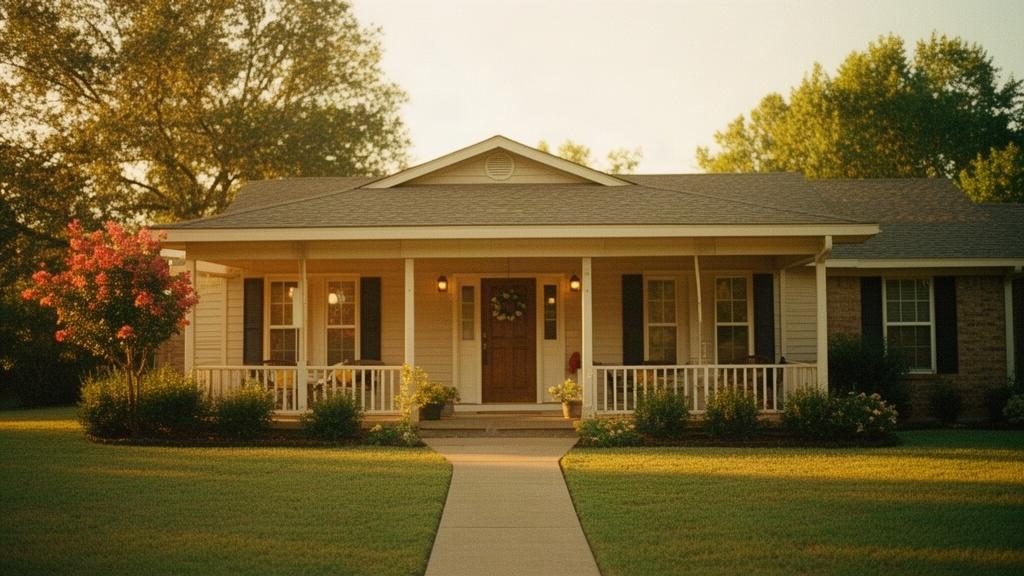
Homes in the Oil Center corridor tend to be brick ranch-styles and traditional Louisiana cottages built primarily from the 1950s through the 1970s, with a smaller number of updated or rebuilt properties from the 1980s and 1990s. As of September 2026, move-in-ready homes in this corridor are generally priced from the upper $200,000s to the low $500,000s depending on square footage, lot size, and renovation status. Fully renovated properties on larger lots near the Vermilion River have pushed past $600,000 in some cases. For a broader look at what prices are doing across Lafayette right now, the September 2026 Lafayette home price breakdown gives useful context on where this area sits relative to the rest of the parish.
Lot Sizes, Architecture, and Street Layout
Lot sizes in the Oil Center tend to run larger than what you find in newer subdivisions on the south side of Lafayette. Quarter-acre to half-acre lots are common, and some of the streets closer to the Vermilion have properties with mature live oak canopies that took decades to grow. The street grid here is more organic than the planned cul-de-sac layouts in places like Youngsville or the newer sections of Broussard, which means walkability to coffee shops, restaurants on Johnston Street, and the River Ranch area is a practical reality for many Oil Center addresses.
The proximity to the University of Louisiana at Lafayette campus, the Cajundome, and the network of trails along the Vermilion River gives this corridor a density of amenities that newer suburban areas simply do not have yet. Commute times to downtown Lafayette run roughly five to ten minutes by car, and the area sits close enough to I-49 and the Ambassador Caffery corridor to make getting around the parish straightforward.
2. Who Do Most People Use When Buying a Home in the Oil Center Area of Lafayette, La
Most buyers in the Oil Center use a licensed local real estate agent, and specifically one with direct experience in this corridor. This is not just a general preference. The Oil Center has specific quirks around older construction, drainage considerations near the Vermilion, and a relatively limited inventory that rewards buyers who have an agent watching the market closely rather than reacting to listings after they go public.
The Role of a Local Agent
A local agent who works the Oil Center regularly knows which streets have had recurring drainage issues, which blocks are closest to the noise corridor near Johnston Street, and which sellers are likely to be motivated before a home ever hits the MLS. That kind of street-level knowledge is genuinely difficult to replicate through online research alone. Buyers who come in without local representation sometimes end up overpaying for a property with deferred maintenance issues that a seasoned local agent would have flagged during the showing.
It is also worth noting that in Louisiana, the seller typically pays the buyer's agent commission through the transaction. This means that most Oil Center buyers are getting professional representation at no direct out-of-pocket cost to them, which makes using an experienced local agent a straightforward decision.
What National Data Says About How Buyers Choose Agents
According to the NAR's 2024 Profile of Home Buyers and Sellers, 86 percent of buyers used a real estate agent to purchase their home, and the most common way buyers found their agent was through a referral from a friend, neighbor, or family member. The second most common method was using an agent they had worked with before. These numbers hold true locally: in a tight-knit market like Lafayette, word-of-mouth carries significant weight, and agents who have built a reputation in a specific corridor tend to get a disproportionate share of the business there.
Buyers who are relocating to Lafayette from out of state often start their search online and then reach out to an agent they found through search results, reviews, or a local referral from their employer or relocation company. For those buyers especially, choosing someone with specific Oil Center experience rather than a general Lafayette agent makes a meaningful difference in the quality of guidance they receive.
3. What to Look for in an Agent for This Specific Area
Not every licensed agent in Lafayette has meaningful experience in the Oil Center. The questions you ask before choosing representation will determine whether you get someone who truly knows this corridor or someone who is learning it alongside you. Here is what to look for.
Proven Oil Center Transaction History
Ask any agent you are considering how many homes they have bought or sold in the Oil Center corridor in the past two years. A strong local agent should be able to name specific streets, discuss price-per-square-foot trends in the area, and reference transactions they were personally involved in. If an agent gives vague answers or pivots to talking about their overall production numbers across the entire metro, that is a signal that their Oil Center experience may be limited.
Neighborhood Knowledge That Goes Beyond the MLS
The MLS shows you what is listed. A good local agent tells you what is coming. In a corridor like the Oil Center, where inventory tends to be limited and well-priced homes move quickly, having an agent who is plugged into the local network matters. That might mean knowing about an estate sale before it is publicly marketed, or having a relationship with a homeowner who has been thinking about selling for the past year.
Beyond off-market opportunities, a knowledgeable agent can tell you which streets sit in a flood zone, what the typical insurance costs look like for a 1960s brick home in this area, and which properties have had foundation or drainage work done. These are details that show up in disclosure documents eventually, but a local expert often knows them before you ever write an offer.
Communication Style and Availability
In a market where desirable Oil Center homes can receive multiple offers within the first few days of listing, responsiveness is not optional. Ask prospective agents how quickly they typically respond to calls and texts, and whether they work weekends. Ask whether they will be personally handling your transaction or handing you off to an assistant or team member. The answer matters, because the relationship you are building is with a specific person who knows your criteria and can move fast when the right property appears.
For a broader look at what buyers and sellers prioritize when choosing an agent, NAR's research on what buyers and sellers want most from real estate agents is worth reading before you start interviewing candidates.
4. How the Buying Process Plays Out in the Oil Center
Buying in the Oil Center follows the same general steps as any Lafayette purchase, but the older housing stock and the competitive inventory picture add a few wrinkles that buyers should understand before they start touring homes.
Getting Pre-Approved Before You Search
Pre-approval is non-negotiable in this corridor. Sellers in the Oil Center, particularly those with well-maintained or recently renovated properties, will not take an offer seriously without a pre-approval letter from a recognized lender. Getting pre-approved before you tour homes also clarifies your actual budget, which helps your agent narrow the search to properties where your offer will be competitive.
Local lenders who are familiar with Lafayette Parish transactions can sometimes move faster on appraisals and underwriting than national online lenders, which matters when you are competing against other buyers. Your agent should be able to recommend a few lenders they have worked with successfully in this market.
Making Offers in a Competitive Corridor
Homes priced correctly in the Oil Center do not sit long. When a well-priced property hits the market in this area, it is not unusual for offers to come in within the first weekend. Your agent needs to have your criteria dialed in precisely so they can alert you immediately and schedule a showing within hours, not days. Coming in with a low initial offer as a negotiating tactic tends to backfire here; sellers with desirable properties have other options.
Your agent should help you understand the recent comparable sales in the specific block or street you are targeting, not just the broader Oil Center average. A home on a quiet tree-lined street near the Vermilion River trails may command a different price per square foot than a similar-sized home on a busier block near Johnston Street.
Inspections and What to Watch For in Older Homes
The older construction in the Oil Center means inspections carry more weight here than in a brand-new subdivision. A thorough home inspector should check the electrical panel for original wiring that may not meet current code, look carefully at the roof and attic for deferred maintenance, and assess the foundation and pier system for any settling or movement. Plumbing in homes from the 1950s and 1960s sometimes includes cast iron drain lines that have deteriorated over time.
None of these issues are necessarily deal-breakers. Many buyers find that a home with some deferred maintenance in the Oil Center is still a worthwhile purchase once they factor in the price adjustment and the cost of repairs. But you need an agent who will advocate for you during the negotiation after the inspection rather than simply pushing you to close regardless of what is found.
Flood zone status is also worth verifying carefully for any Oil Center property. Homes near the Vermilion River or its drainage tributaries may carry mandatory flood insurance requirements, which can add meaningfully to your monthly carrying costs. Your agent and lender should both flag this early in the process.
5. Common Questions Buyers Have Before Choosing Representation
Buyers who are new to Lafayette or new to the Oil Center specifically tend to ask a predictable set of questions before they commit to working with an agent. Here are the ones that come up most often, along with direct answers.
Can I use the listing agent to buy a home in the Oil Center? Technically yes, but it puts you in a situation where the agent represents both sides of the transaction, which is called dual agency in Louisiana. The listing agent's primary obligation runs to the seller. Having your own buyer's agent means you have someone whose job is entirely focused on your interests, your price, and your terms.
Does it cost more to use a buyer's agent? In most Oil Center transactions, the seller covers the buyer's agent commission as part of the sale proceeds. This has been the standard practice in Louisiana, though the specifics of how commissions are disclosed and negotiated have evolved following national industry changes in 2024. Your agent should walk you through how compensation works before you sign a buyer representation agreement.
How do I know if an agent actually knows the Oil Center? Ask them to walk you through three or four homes they have closed in the area in the past 18 months. Ask which streets they would prioritize for your budget and why. Ask what the current average days on market looks like for Oil Center homes in your price range. An agent who knows this corridor will answer these questions with specifics, not generalities.
FAQ
Who do most people use when buying a home in the Oil Center area of Lafayette, La?
The large majority of buyers in the Oil Center use a licensed local real estate agent with specific experience in that corridor. National data from NAR consistently shows that over 85 percent of buyers use an agent, and in a market like the Oil Center where inventory is limited and homes move quickly, having local representation is especially important. Buyers who try to navigate this market without an agent often miss off-market opportunities or make offers without the context of recent comparable sales. Most Oil Center buyers find their agent through a personal referral from someone who has bought or sold in Lafayette, or through a local search for an agent with documented experience in this specific area.
What is the typical price range for homes in the Oil Center area of Lafayette right now?
As of September 2026, Oil Center homes generally range from the upper $200,000s for smaller or unrenovated properties to the low $500,000s for move-in-ready homes with updated systems and finishes. Fully renovated properties on larger lots, particularly those with Vermilion River proximity or mature tree canopies, have sold above $600,000 in recent transactions. The price per square foot varies considerably depending on the specific street, lot size, and how recently the home has been updated. Your agent should pull hyper-local comparable sales for the specific block you are targeting rather than relying on Oil Center-wide averages, which can mask meaningful variation within the corridor.
How long does it typically take to buy a home in the Oil Center area of Lafayette?
From the time you start actively touring homes to the day you close, most Oil Center buyers should plan for 60 to 90 days, assuming they are pre-approved before they begin. Well-priced homes in this corridor can go under contract within days of listing, so the search phase can be short if your criteria are clear and your agent is monitoring the market closely. Once you are under contract, a standard Louisiana purchase agreement allows roughly 30 to 45 days to closing, during which you will complete the inspection, finalize your financing, and clear any title issues. Buyers who are not pre-approved at the start of their search typically add two to four weeks to the overall timeline.