← Back to Blog
Neighborhoods
San Marco Jacksonville Florida Real Estate Market Guide: Prices, Neighborhoods and Timing
By Shonda Campanaro
September 13, 2026 · 10 min read
San Marco is one of Jacksonville, Florida's most architecturally distinct communities, sitting on the south bank of the St. Johns River just minutes from Downtown. This San Marco Jacksonville Florida real estate market guide covers current prices, what the housing stock actually looks like, how the neighborhood is laid out, and what buyers and sellers need to know about timing in September 2026.
1. What Makes San Marco Different from Other Jacksonville Neighborhoods
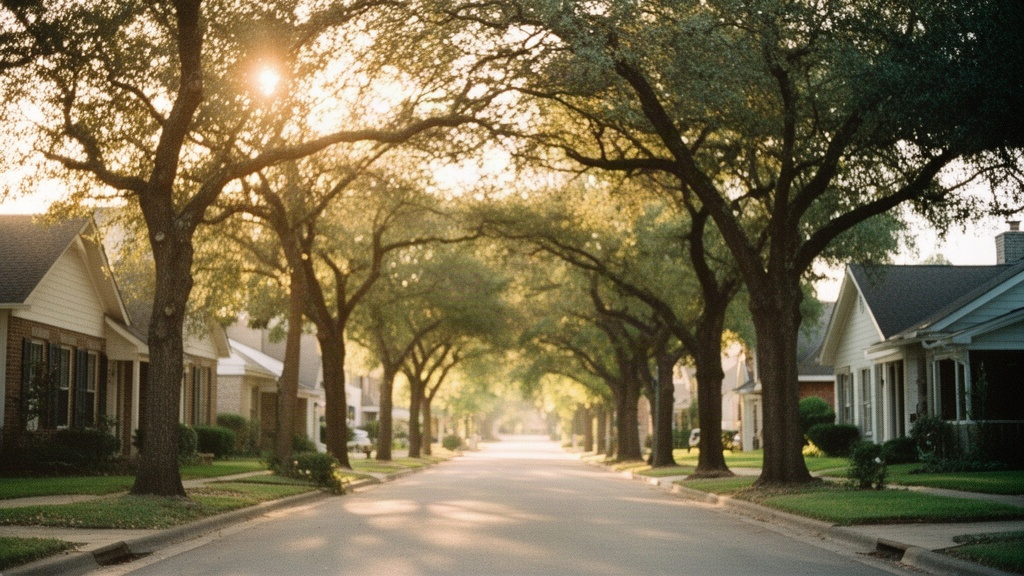
San Marco is a historic, walkable district on Jacksonville's southbank, roughly two miles south of Downtown across the Fuller Warren Bridge. Its grid of tree-lined streets, a central plaza, and a concentration of pre-1950s architecture set it apart from the newer master-planned communities that dominate much of Jacksonville's growth corridors.
Location and Layout
San Marco sits between the St. Johns River to the north, Hendricks Avenue to the east, and the neighborhoods of Lakewood and South Jacksonville to the south. The neighborhood's center is San Marco Square, a pedestrian plaza anchored by boutique retailers, restaurants, and a historic movie theater. Commute times to Downtown Jacksonville run roughly eight to twelve minutes by car, and the Southbank Riverwalk connects the area to the waterfront on foot or by bike.
The neighborhood also sits close to I-95 and I-10, giving residents relatively quick access to the Beaches corridor (about 25 to 30 minutes to Atlantic Beach), the Southside employment centers along Butler Boulevard, and Jacksonville International Airport roughly 30 minutes north.
Architectural Character and Housing Stock
The dominant housing styles in San Marco are Mediterranean Revival, Tudor Revival, Colonial Revival, and Craftsman bungalows, most built between the 1920s and 1950s. Many homes sit on lots ranging from 6,000 to 10,000 square feet, with mature oak canopies, original hardwood floors, and details like arched doorways and clay tile roofs that newer construction rarely replicates. Some larger estates along the riverfront push lot sizes considerably higher.
The neighborhood also contains a smaller inventory of mid-century modern homes, a handful of condominium buildings, and some newer infill townhomes built over the last decade. This mix gives buyers several entry points into the market at different price levels.
2. San Marco Jacksonville Florida Real Estate Prices Right Now
As of September 2026, the median sale price for single-family homes in San Marco sits in the range of $540,000 to $620,000, depending on the block, the condition of the home, and whether the property has been updated. Price per square foot for updated homes typically runs between $280 and $370, while unrenovated properties can come in closer to $230 to $260 per square foot, which represents real opportunity for buyers willing to take on a project.
Current Median Price and Price Per Square Foot
Riverfront and river-view properties in San Marco command a significant premium, with some homes along the St. Johns River trading above $1.2 million. Condominiums in the neighborhood, particularly in buildings near San Marco Square, are generally priced between $250,000 and $450,000 depending on size, floor, and view. Townhomes fall in a similar range, often between $350,000 and $500,000.
Days on market for well-priced San Marco listings currently averages around 30 to 45 days, which is longer than the sub-20-day pace seen in 2022 but still reflects meaningful buyer interest. Homes that are priced accurately and presented well continue to attract multiple inquiries.
How San Marco Prices Compare Within Jacksonville
Jacksonville's broader median home price as of September 2026 sits closer to $320,000 to $340,000 for the metro area, which means San Marco trades at a notable premium over the city average. That gap reflects the neighborhood's walkability, architectural inventory, and proximity to the river and Downtown.
For context on the broader Florida picture, HousingWire's analysis of Florida's housing market notes that statewide inventory has surged, giving buyers more negotiating room than at any point in the past four years. San Marco is not immune to that trend, and buyers entering the market right now are in a stronger position than they were in 2022 or 2023.
3. The San Marco Real Estate Market Guide: Inventory, Demand, and Timing
Inventory in San Marco is higher in September 2026 than it has been in several years, which is consistent with the broader Jacksonville and Florida trend. That shift has real consequences for both buyers and sellers, and understanding it is the most important thing you can do before making a move in this neighborhood.
What Inventory Looks Like in September 2026
At any given point this month, there are typically between 25 and 45 active single-family listings in the San Marco zip codes (32207 and 32207 adjacent areas), along with a smaller pool of condos and townhomes. That represents roughly three to four months of supply, which sits at the boundary between a balanced market and a buyer's market. A year ago, supply in this pocket was closer to two months.
The increase in listings comes from a combination of sellers who held off during the low-rate era finally deciding to move, some investors exiting positions, and a handful of estate sales from longtime residents. Buyers currently have real choices, which was not the case in 2021 or 2022.
Best Timing for Buyers
September through November is historically a productive window for buyers in San Marco. Competing buyer traffic tends to thin after the summer, sellers who listed in spring and summer without finding a contract are often more flexible on price and terms, and the holiday slowdown has not yet arrived. Buyers who are pre-approved and ready to move can negotiate more effectively right now than they could in March or April.
If you are considering a purchase in San Marco and want to understand what is available in new construction elsewhere in Jacksonville as a comparison point, the article on new residential developments in Jacksonville for 2026 is worth reading alongside this guide. San Marco's older homes offer character that new builds cannot replicate, but understanding the full market picture helps you make a confident decision.
Best Timing for Sellers
For sellers, the most competitive listing windows in San Marco are late February through May, when buyer activity in Jacksonville peaks and families with school-age children are actively searching before summer. A well-prepared home listed in that window consistently attracts more showings and stronger offers than the same home listed in July or August.
That said, sellers who need to move in fall 2026 are not without options. With inventory up, the key is pricing the home accurately from day one. Overpriced listings in this market are sitting for 60 to 90 days and often requiring price reductions that erode both the final sale price and the seller's negotiating position.
4. Buying in San Marco: What to Expect During the Process
Buying in San Marco requires a different mindset than buying in a newer Jacksonville suburb. The homes are older, the inspection process is more involved, and understanding what you are getting into structurally and mechanically is critical before you make an offer.
Property Types and Lot Sizes
Most San Marco single-family homes range from 1,400 to 3,200 square feet of living space. The smaller bungalows and cottages built in the 1930s and 1940s tend to run 1,200 to 1,800 square feet, while the larger Mediterranean and Colonial Revival homes from the same era can exceed 3,000 square feet. Garages are often detached and set back from the street, a feature of the era's design that differs from the attached two-car garages common in newer Jacksonville subdivisions.
What Older Homes Require
Homes built before 1978 require lead paint disclosure review, and many San Marco properties predate modern electrical panels, plumbing materials, and HVAC systems. A thorough inspection by a licensed inspector with experience in older Florida construction is not optional here; it is essential. Buyers should budget for the possibility of upgrading electrical panels, replacing cast iron drain lines, or addressing roof conditions on homes that have not been recently updated.
Flood zone status is another factor to verify. Portions of San Marco sit in FEMA-designated flood zones, particularly properties closer to the St. Johns River and its tributaries. Flood insurance costs vary significantly based on elevation certificate data, so pulling that information early in your due diligence period is important before committing to a purchase.
Condos and Townhomes in San Marco
Condo buyers in San Marco should review HOA financials carefully. Florida's updated condo reserve requirements, which took effect in recent years following the Surfside legislation, mean that some older condo buildings are now carrying higher monthly fees to fund required reserve studies. Asking for the most recent reserve study and the HOA's meeting minutes before making an offer will tell you a great deal about the building's financial health.
If you are weighing a condo purchase in San Marco against options in Downtown Jacksonville, the guide on selling and buying condos in Downtown Jacksonville covers the process and what to look for in representation for that type of transaction.
5. Selling in San Marco: How to Position Your Home
Selling in San Marco in September 2026 requires a precise pricing strategy and strong presentation. With more inventory on the market than in recent years, buyers have options and they will move on if a home feels overpriced or under-prepared.
Pricing Strategy in a Shifting Market
The most reliable way to price a San Marco home right now is a comparative market analysis that looks at closed sales within the last 60 to 90 days, not 180 days. The market has shifted enough that sales from late 2025 or early 2026 may not accurately reflect what a buyer will pay today. Your agent should be pulling comps from the same architectural style and condition tier, not just the same zip code.
Sellers who have made significant updates, such as a kitchen renovation, roof replacement, or electrical upgrade, should document those improvements with receipts and permits. Buyers and their agents will ask, and having that paperwork ready builds confidence and supports the asking price.
Presentation and Preparation
San Marco's architectural character is a selling point, and marketing should lean into it. Professional photography that captures original details like hardwood floors, arched windows, built-in bookshelves, and tile work performs better than generic wide-angle shots. Buyers searching in this neighborhood are often specifically looking for the character that San Marco offers, and your listing should make that case clearly.
Curb appeal matters significantly in a walkable neighborhood where buyers are often touring on foot. Freshly painted trim, cleaned gutters, a tidy front yard, and a clear path to the front door all contribute to first impressions that translate into offers. Staging the interior to highlight original architectural features rather than cover them is equally important.
For a deeper look at how to choose the right agent to handle your sale, the article on which agent to hire to sell your house in Jacksonville walks through the questions you should be asking and the credentials that matter in this market.
6. Relocating to Jacksonville and Considering San Marco
San Marco is a common destination for people relocating to Jacksonville from other major metros, particularly those coming from cities where walkability and historic architecture are the norm. The neighborhood's proximity to Downtown, the St. Johns River, and a genuine town-square feel makes it appealing to people who want urban convenience without living in a high-rise.
Employers that draw relocating buyers to this part of Jacksonville include the Mayo Clinic campus on the Southside (roughly 15 to 20 minutes from San Marco), the Downtown financial and legal district (under 10 minutes), and the Naval Air Station Jacksonville (about 20 minutes west). The neighborhood's commute profile works well for people whose work is concentrated in those corridors.
If you are relocating to Jacksonville for work and want a broader overview of the process of finding the right neighborhood and agent, the guide on relocating to Jacksonville for work covers the practical steps from initial search through closing.
Families researching school options as part of a relocation to San Marco should consult the Duval County Public Schools website directly for current boundary information and program details. School assignment in Jacksonville can be affected by magnet programs, zone boundaries, and charter school availability, so reviewing that information from the district itself is the most reliable approach.
Jacksonville was recognized by the National Association of REALTORS as one of the top homebuying markets to watch in 2026, citing population growth, relative affordability compared to other Florida metros, and strong job market fundamentals. San Marco sits within that broader Jacksonville story while offering a distinct product that newer parts of the city simply do not have.
FAQ
What is the current median home price in San Marco, Jacksonville, Florida?
As of September 2026, the median sale price for single-family homes in San Marco sits in the range of $540,000 to $620,000, depending on the condition of the home, its location within the neighborhood, and whether it has been updated. Price per square foot for renovated homes typically runs between $280 and $370, while unrenovated properties can come in closer to $230 to $260 per square foot. Riverfront properties along the St. Johns River can exceed $1.2 million. Condominiums and townhomes in the neighborhood generally trade between $250,000 and $500,000. These figures reflect current market conditions and can shift, so working with a local agent who pulls recent closed comparables is essential for accurate pricing.
Is now a good time to buy a home in San Marco, Jacksonville?
September 2026 represents a more balanced market than buyers have seen in San Marco for several years. Inventory is higher, days on market have stretched to 30 to 45 days for most listings, and sellers are more open to negotiation on price and terms than they were in 2021 or 2022. The fall window, roughly September through November, historically sees less competing buyer traffic than spring, which means buyers who are pre-approved and prepared can often secure better terms. Mortgage rate conditions as of this writing still require buyers to model their monthly payments carefully, but the negotiating environment is genuinely more favorable than it has been in recent memory.
What should I know about older homes in San Marco before making an offer?
Most San Marco homes were built between the 1920s and 1950s, which means buyers need to approach the inspection process with specific attention to electrical systems, plumbing materials, roof condition, and HVAC age. Homes built before 1978 require lead paint disclosures, and cast iron drain lines are common in properties of this era. Flood zone status is also a critical factor, particularly for homes near the St. Johns River or its tributaries, as flood insurance costs vary significantly based on elevation certificate data. Buyers should budget for the possibility of deferred maintenance or system upgrades even in homes that present well cosmetically. A licensed inspector with experience in older Florida construction is an important part of the due diligence process.