← Back to Blog
Local Living
What Is It Actually Like to Live in San Francisco, Hawaii Day to Day in Terms of Amenities, Weather, and Community Feel
By Srikanth Kumar Chanakya
September 17, 2026 · 11 min read
What is it like to live in San Francisco, Hawaii day to day in terms of amenities, weather, and community feel? The honest answer is that daily life here blends the pace of a small Hawaiian community with access to outdoor recreation, local markets, and a coastline that shapes nearly every routine. This article walks through what residents actually experience week to week, from grocery runs and commute patterns to seasonal weather and the social rhythms that make this place distinct.
1. The Day-to-Day Rhythm of San Francisco, Hawaii
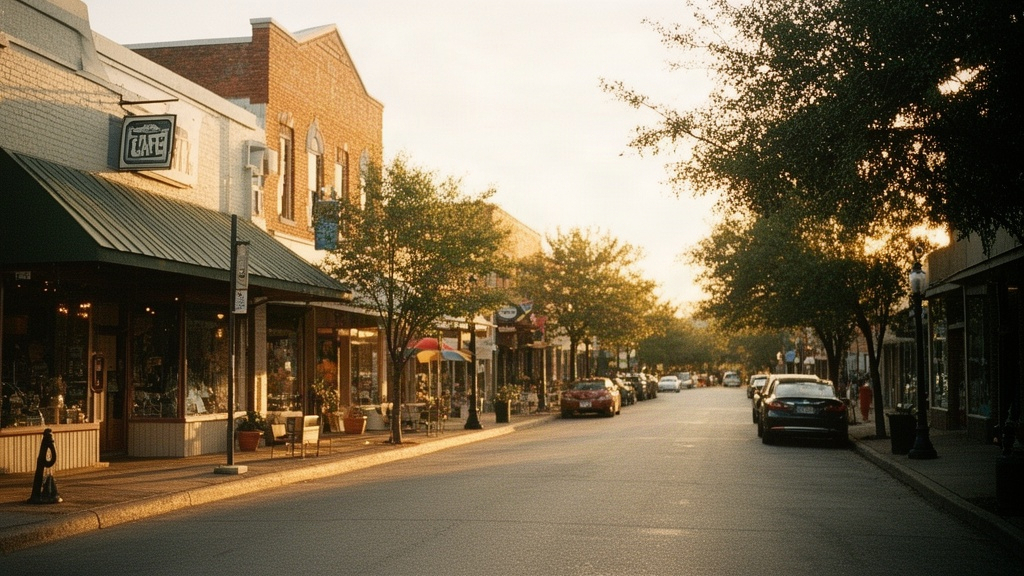
Daily life in San Francisco, Hawaii moves at a pace that is noticeably different from mainland urban centers. Mornings tend to start early here, partly because the trade winds and cooler temperatures in the early hours make outdoor activity genuinely pleasant before midday heat settles in. Residents who relocate from the continental United States often remark that the rhythm of the day shifts within a few weeks: errands get done in the morning, afternoons lean toward outdoor time or rest, and evenings are social.
Morning Routines and Local Pace
The coastal setting shapes morning habits in practical ways. Residents who live near the water often walk or run along shoreline paths before 7 a.m. Local coffee spots open early to serve that crowd, and farmers market activity on weekend mornings draws a consistent mix of longtime locals and newer arrivals. The overall pace is unhurried without being unproductive, which is a distinction worth noting for anyone relocating from a high-density metro area.
Getting Around Town
Most residents rely on personal vehicles for daily errands. The road network connecting residential areas to shopping corridors and the coastline is straightforward, and traffic congestion, while present during morning and afternoon windows, rarely approaches the gridlock common in larger Hawaiian urban centers. Biking is viable for shorter trips, particularly in flatter coastal zones, and some residents use it as a primary mode of transport for errands within a two-mile radius of their home.
2. Amenities, Shopping, and Everyday Errands
The amenity picture in San Francisco, Hawaii is one of the most common questions from people considering a move here. The honest answer is that core daily needs are well covered, while certain specialty retail or large-format shopping requires a drive to a larger commercial hub. Understanding that balance upfront helps new residents plan without frustration.
Grocery and Retail Options
Grocery shopping is manageable for weekly staples. Local markets carry fresh produce, and the Hawaiian Islands' agricultural output means that locally grown fruits, vegetables, and proteins show up reliably on shelves and at roadside stands. Residents who prioritize organic or specialty items often supplement with a monthly or bi-monthly run to a larger store, or use delivery services that have expanded their reach into this area over the past two years. Prices on imported goods tend to run 20 to 40 percent higher than mainland averages, which is a consistent feature of island living rather than a local anomaly.
Dining, Coffee, and Local Eats
The local food scene reflects the broader Hawaiian culinary mix. Plate lunch spots, poke counters, and local bakeries form the backbone of the casual dining landscape. Sit-down restaurants range from casual oceanfront spots to more polished options serving fresh island fish. Coffee culture is present but more relaxed than in a mainland city, with a handful of independent cafes that serve as genuine community gathering points throughout the week.
For context on how this compares to life in a larger Hawaiian urban center, this overview of daily life in Honolulu from Realty Times is a useful reference point. San Francisco, Hawaii offers a noticeably smaller-town version of island amenities, which many residents see as a feature rather than a limitation.
Healthcare and Essential Services
Healthcare access is a practical consideration that deserves a direct answer. Routine and primary care services are available locally, including general practitioners, dental offices, and urgent care facilities. For specialist care or hospital-level services, residents typically travel to a larger medical center on the island. This is a common pattern across smaller Hawaiian communities, and most residents factor a 30 to 60 minute drive into their planning for non-emergency specialist appointments. Telehealth has reduced some of that burden for follow-up and non-acute care.
3. Weather and What It Means for Daily Life
Weather is one of the defining features of what it is like to live in San Francisco, Hawaii day to day. The climate is tropical, but the experience of that climate varies meaningfully depending on elevation, proximity to the coast, and the side of the island you are on. Understanding those variables is more useful than a simple temperature average.
Temperature, Trade Winds, and Rainfall
Temperatures in coastal areas typically range from the low 70s Fahrenheit at night to the upper 80s during the day through most of the year. The northeastern trade winds are a consistent presence, particularly between May and September, and they do significant work keeping coastal areas comfortable even when the sun is strong. Rainfall patterns split sharply between the windward and leeward sides of the island. Windward areas receive substantially more rain, sometimes 60 to 80 inches annually, while leeward coastal zones can see as little as 10 to 20 inches per year. That difference plays directly into daily life: one side of the island might see a morning shower while the other stays dry.
Humidity is present year-round but is moderated by the trade winds along the coast. Residents who have lived through humid summers on the mainland often find the coastal Hawaiian climate more tolerable because the wind keeps air moving. Inland and higher-elevation areas experience cooler temperatures and more cloud cover, which creates a genuinely different daily experience even within a short drive.
How Seasons Actually Feel on the Ground
Hawaii does have seasons, though they are subtle compared to mainland patterns. The period from November through March brings slightly cooler temperatures, higher surf on north-facing shores, and more frequent rain events. Summer months, including right now in September 2026, tend to be drier on leeward coasts, with calmer ocean conditions. For residents, the practical difference is that outdoor plans are more weather-dependent in winter, while summer allows for more predictable scheduling of beach outings, outdoor markets, and community events.
Hurricane season runs from June through November, and while direct strikes on Hawaii are relatively rare, tropical storms can bring heavy rain and wind. Residents keep a supply of emergency provisions on hand as a standard practice, and local emergency management resources provide preparation guidance that newcomers should review before their first season.
4. Community Feel and Social Life
The community feel in San Francisco, Hawaii is one of the aspects that residents most frequently cite when explaining why they stayed longer than they planned. It is a smaller-scale environment where faces become familiar quickly, local businesses know their regulars, and neighborhood events draw a genuine cross-section of the population rather than a curated subset.
Local Events and Gathering Spots
Community events here tend to center on the outdoors and local culture. Farmers markets run weekly and serve as informal social hubs where neighbors catch up as much as they shop. Cultural festivals tied to Hawaiian traditions, Japanese heritage, and Filipino community roots appear throughout the year and draw broad participation. Church communities are active and visible, and many social networks in smaller Hawaiian towns form around those congregations. For newcomers, showing up consistently at a weekly market or community event is one of the fastest ways to build local connections.
The Hawaiian concept of aloha spirit is not a tourism slogan in a residential context. It shows up in the way neighbors introduce themselves, in the generosity with local knowledge, and in the expectation that newcomers will respect the land and the community's existing rhythms. Residents who approach the community with that reciprocal mindset tend to integrate more smoothly than those who arrive with a transactional attitude.
Outdoor Recreation as a Daily Habit
Outdoor recreation is not a weekend activity here; it is woven into daily life. Snorkeling, paddleboarding, surfing, hiking, and fishing are all accessible within a short drive or walk from most residential areas. The ocean is the organizing feature of the landscape, and residents build their routines around it in ways that are genuinely different from how people use parks or gyms on the mainland. Morning swims before work, after-school surf sessions, and weekend hikes to lava fields or upland forests are ordinary, not aspirational.
For a detailed look at what everyday outdoor life looks like in a comparable Hawaiian community, this account of daily life in Waikoloa from Wai Pacific captures the texture of that experience well. Many of the patterns it describes translate directly to life in San Francisco, Hawaii.
5. Housing and Neighborhood Character
Understanding the housing stock is essential context for anyone evaluating what daily life looks like in San Francisco, Hawaii. The physical character of a neighborhood, including lot sizes, building types, and proximity to the coast, shapes everything from your morning view to your utility bills and maintenance responsibilities.
What the Housing Stock Looks Like
Residential properties in San Francisco, Hawaii span single-family homes, plantation-style cottages, newer construction subdivisions, and condominium complexes. Plantation-era homes, built originally for sugar and pineapple industry workers, are a distinctive part of the architectural landscape. They typically feature wood-frame construction, covered lanais, and smaller footprints than modern builds. Newer subdivisions, many developed over the past two decades, offer larger floor plans, two-car garages, and updated systems, often in planned communities with shared amenities like pools and walking paths.
Condominium living is common in areas closer to commercial corridors and the coast. Many condo buildings include HOA fees that cover exterior maintenance, landscaping, and shared amenities. For buyers coming from mainland markets, the HOA structure here can look different from what they are used to, so it is worth reviewing those details carefully before making an offer. For a current look at home prices across property types, the article on home prices in San Francisco, Hawaii right now covers the September 2026 market in detail.
Waterfront Access and Property Types
Proximity to the water is one of the most consequential variables in daily quality of life here. Properties within walking distance of the shoreline command a significant price premium, and the daily experience of living in them is genuinely different: ocean breezes reduce the need for air conditioning, salt air requires more attentive exterior maintenance, and the visual and acoustic environment is distinct from inland neighborhoods. If waterfront living is a priority, the detailed breakdown of waterfront neighborhoods in San Francisco, Hawaii and their current costs is a useful next read.
Inland properties offer more land per dollar and a quieter, more private setting. Trade-offs include more reliance on air conditioning during peak summer months and a longer walk or drive to beach access. Many residents find that a property one or two miles from the water still captures much of the lifestyle benefit while offering more interior square footage and lot size for the price. If you are in the early stages of evaluating your options, the 2026 buyer's guide for homes for sale in San Francisco, Hawaii walks through the full range of property types and what to expect at each price point.
6. Practical Realities: Costs, Connectivity, and What Surprises New Residents
Beyond amenities and weather, the day-to-day financial and logistical realities of island life deserve an honest look. These are the details that rarely appear in relocation brochures but come up consistently in conversations with people who have made the move.
The Real Cost of Island Living
Electricity costs in Hawaii are among the highest in the United States, running roughly two to three times the national average per kilowatt-hour. Many residents invest in solar panels to offset that expense, and the state's incentive programs have made solar adoption widespread in residential areas. Monthly utility bills for a typical single-family home without solar can run $300 to $500 or more depending on air conditioning use. Residents who manage their energy consumption carefully and invest in solar can bring that figure down substantially.
Shipping costs affect the price of nearly everything that is not grown or produced locally. Furniture, appliances, building materials, and vehicles all carry a cost premium that reflects the logistics of island supply chains. Residents who move here from the mainland often ship a container of belongings rather than purchasing everything new on arrival, which tends to be more cost-effective for larger households.
Internet, Remote Work, and Connectivity
Broadband connectivity has improved meaningfully across Hawaiian communities over the past several years. Fiber-optic service is available in a growing number of residential areas, and speeds adequate for video conferencing and remote work are accessible in most neighborhoods within town boundaries. Rural and more remote properties may still face limitations, so verifying available service before purchasing is a practical step. The expansion of satellite internet options has also provided a viable backup for areas where terrestrial infrastructure is limited.
Remote work has become a meaningful part of the local economy. A portion of newer residents work remotely for mainland or international employers, which changes the social composition of the community and has contributed to housing demand over the past few years. Co-working spaces have appeared in some commercial areas, offering an alternative to working from home for those who prefer a more structured environment.
What Surprises People Most After Moving
The most common surprises new residents report fall into a consistent pattern. First, the cost of living adjustment is sharper than most people anticipate even after researching it. Second, the social integration process takes longer than expected because local community networks are tight-knit and trust builds over time. Third, and most positively, the outdoor lifestyle becomes a daily habit rather than an occasional treat, and most residents say that shift improves their overall wellbeing in ways they did not fully predict before arriving.
Understanding the closing process is also something that catches buyers off guard. If you are planning a purchase, the article on how long it takes to close on a home in San Francisco, Hawaii in 2026 covers the local timeline and what to expect at each stage.
FAQ
Is the cost of living in San Francisco, Hawaii significantly higher than on the mainland?
Yes, and the gap is meaningful across several categories. Groceries, electricity, and consumer goods all carry a premium that reflects the cost of shipping to an island, with grocery prices running roughly 20 to 40 percent above mainland averages and electricity costs running two to three times the national average per kilowatt-hour. Housing costs also reflect strong demand relative to available inventory. Most residents who make the move do so with a clear-eyed budget that accounts for these differences, and many find that lifestyle factors offset the financial adjustment over time.
What is the weather like in San Francisco, Hawaii throughout the year, and does it affect daily routines?
The climate is tropical with year-round warmth, but daily experience varies by location and season. Coastal areas see temperatures in the low 70s to upper 80s Fahrenheit most of the year, with trade winds providing consistent cooling along the shore. The wetter season runs roughly November through March, bringing more frequent rain and higher surf on north-facing coasts, while summer months tend to be drier and calmer on leeward sides. Most residents build their outdoor routines around these patterns, scheduling beach and hiking activities during the more predictable dry-season windows and keeping flexible plans during winter months.
How long does it take to feel like part of the community in San Francisco, Hawaii?
Community integration in a smaller Hawaiian town typically takes longer than in a large mainland city, and most long-term residents are candid about that. Local social networks are established and trust-based, and newcomers who show up consistently at community events, farmers markets, and local businesses tend to build connections more quickly than those who keep to themselves. Approaching the community with genuine interest in local culture and a willingness to participate in existing traditions makes a real difference. Most residents who put in that effort report feeling genuinely connected within six to twelve months of arrival.