← Back to Blog
Market Trends
Are There Any New Housing Developments or Construction Projects Planned or Underway in San Francisco, Hawaii This Year?
By Srikanth Kumar Chanakya
September 17, 2026 · 10 min read
If you are wondering whether there are any new housing developments or construction projects planned or underway in San Francisco, Hawaii this year, the short answer is yes, and the pipeline is more active in 2026 than it has been in several years. From state-accelerated affordable housing programs to new condominium towers moving through permitting, the construction landscape across Hawaii is shifting in ways that matter directly to buyers, sellers, and anyone planning a relocation to the islands.
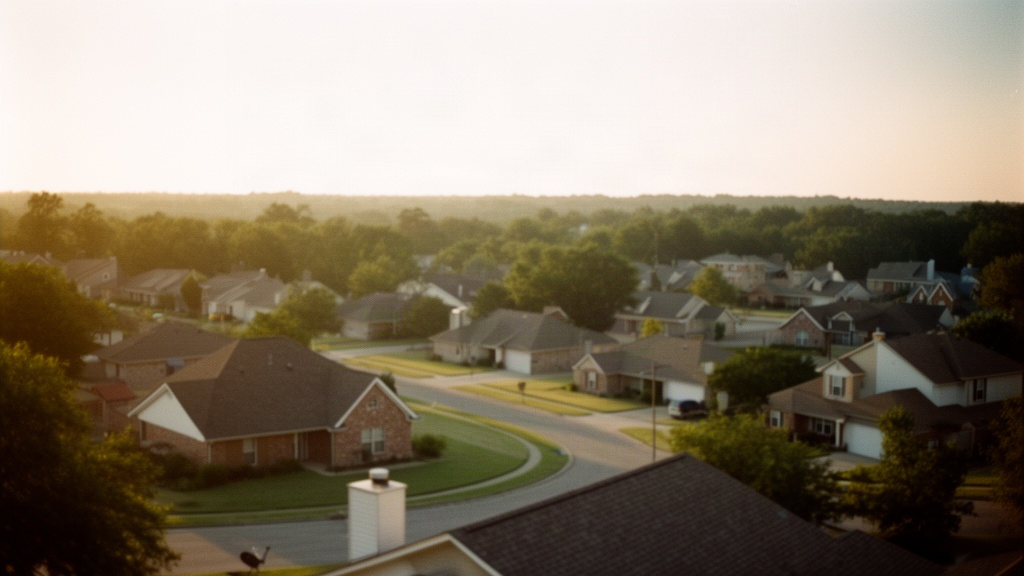
1. The State of New Housing Construction in Hawaii in 2026
New housing construction in Hawaii is at one of its most active points in recent memory. Statewide, a combination of legislative action, federal funding, and pent-up demand has pushed developers, state agencies, and nonprofits to move projects from the planning stage into the ground. For anyone watching the San Francisco, Hawaii market, this shift in supply has real consequences for what you can buy, what your existing home is worth, and how long you might wait before moving in.
Why Construction Activity Has Picked Up
Hawaii has carried one of the most severe housing shortfalls in the country for years, driven by limited land, high construction costs, and a permitting process that has historically moved slowly. In 2026, several forces converged to change that pace. Material costs stabilized compared to the peaks of 2022 and 2023. Interest from institutional and local developers returned as financing conditions became more predictable. And critically, the state legislature passed new tools to cut through the bureaucratic delays that kept projects stalled.
What the BUILDS Law Means for New Supply
The most significant legislative move this year is Hawaii's BUILDS law, which fast-tracks affordable housing permitting across all islands. The law compresses review timelines, reduces duplicative approval steps, and opens up certain zoning categories to higher-density residential use without requiring a full discretionary hearing. In practical terms, projects that previously took four to six years from concept to construction can now move through the pipeline in closer to two to three years. For buyers hoping to purchase a newly built unit in San Francisco, Hawaii, this means more options entering the market over the next 24 to 36 months than the area has seen in a long time. You can read more about this legislation and its projected impact at Hoodline's coverage of Hawaii's BUILDS housing initiative.
2. New Housing Developments and Construction Projects Underway Right Now
As of September 2026, several concrete projects are either actively under construction or in final pre-construction stages across Hawaii. These range from single-family homestead lots managed by state agencies to large multi-unit condominium towers in urban cores. Understanding which projects are real and moving, versus which are still years away, is one of the most useful things a buyer or seller can know right now.
Department of Hawaiian Home Lands Projects
The Department of Hawaiian Home Lands (DHHL) is one of the most active builders of new residential units in the state right now. DHHL manages a portfolio of homestead development projects across multiple islands, delivering single-family lots and homes to Native Hawaiian beneficiaries on its waitlist. These are not open-market purchases, but the construction activity they represent adds thousands of units to Hawaii's overall housing stock and relieves some pressure on the broader market. The DHHL publishes a regularly updated list of its current housing construction projects, which gives a clear picture of where ground has been broken and what delivery timelines look like island by island.
New Condominium Construction Across the Islands
On the for-sale market side, new condominium construction is the most active segment in 2026. Several towers that broke ground in 2024 and 2025 are now in mid-construction, with anticipated delivery dates ranging from late 2026 through 2028. Prices in these new buildings vary considerably by unit size, floor level, and included amenities, with entry-level studios in some projects priced from the mid-$400,000s and larger two-bedroom units reaching well past $1 million in premium locations. Buyers purchasing pre-construction or during construction should expect to put down a deposit and wait, sometimes 12 to 24 months, before receiving keys. The deposit structure, cancellation terms, and developer track record all deserve careful scrutiny before signing a purchase contract.
For buyers interested in the full scope of new condominium projects across Hawaii, including prices, construction status, and expected completion dates, the current market overview covers the landscape in detail. Understanding what is actually moving versus what is still in early planning will save you from chasing a project that is years away from delivering.
Candlestick-Scale Projects and What They Signal
Large-scale master-planned developments are also reshaping expectations for what new construction can look like in island and coastal markets. The 7,200-unit Candlestick development in San Francisco, California, which broke ground this year, is a useful reference point for the scale of ambition now driving urban housing projects in West Coast and Pacific markets. Projects of this type combine market-rate units, affordable units, retail, and open space into a single phased build-out that can take a decade to fully complete. While San Francisco, Hawaii operates at a different scale, the same planning philosophy, mixing density with affordability requirements and community amenities, is influencing how Hawaii's developers and state agencies approach new construction in 2026.
3. What New Construction Means for Home Buyers in San Francisco, Hawaii
More new supply entering the market gives buyers more choices, but it also introduces a set of decisions and trade-offs that do not exist when purchasing an existing home. Knowing how to evaluate a new construction purchase, and how it compares to buying an existing property in San Francisco, Hawaii, is essential before you commit to either path.
Buying New vs. Existing Inventory
New construction in San Francisco, Hawaii typically offers modern layouts, updated building systems, and in many cases, developer-backed warranties covering structural components for up to ten years.
That said, new builds come with trade-offs worth understanding before you sign anything. Developer purchase contracts are written to protect the developer, not the buyer. Upgrade pricing can add tens of thousands of dollars to the base price quickly. HOA fees in new communities are sometimes set artificially low at launch and increase once the developer transitions control to the homeowner association. For a detailed look at what HOA fees look like across San Francisco, Hawaii's condo and townhome market, the existing coverage on this site breaks down what buyers are actually paying right now.
Existing homes, by contrast, give you a known quantity. You can inspect what you are buying, see how the building has held up, and review years of HOA financials if it is a condo. The trade-off is that older Hawaii housing stock, particularly homes built in the 1960s through 1980s, may need roof, electrical, or plumbing updates that add to your cost of ownership in the first few years.
Timelines and What to Expect at Closing
Closing timelines for new construction in Hawaii differ from resale transactions in meaningful ways. When you purchase a unit that is already completed, the closing process resembles a standard resale transaction, typically running 30 to 45 days from accepted contract to keys. When you purchase pre-construction or during the build, your closing date is tied to the developer's completion schedule, which can shift by months due to permit delays, material availability, or labor constraints. Locking a mortgage rate for a closing date that is 18 months away requires a different strategy than financing a move-in-ready home. For a full picture of how closing timelines work in San Francisco, Hawaii, including what can speed up or slow down the process, this article on closing timelines walks through each stage in detail. how long it takes to close on a home purchase in San Francisco, Hawaii
4. What New Construction Means for Home Sellers in San Francisco, Hawaii
If you own a home in San Francisco, Hawaii and are thinking about selling, new construction activity in your area is a factor you need to understand. It does not automatically hurt your sale, but it does change the competitive environment your listing enters.
How New Supply Affects Pricing
When a significant number of new units enter a local market within a short window, buyers have more choices, which can reduce the urgency that drives competitive offers on resale listings.
In practice, the effect depends heavily on price point and property type. A new condominium tower delivering 200 units priced from $600,000 competes most directly with resale condos in that same price range. It has less impact on single-family homes priced at $900,000 or oceanfront properties in the $1.5 million range, where new construction supply is far thinner. Understanding where your home sits relative to new construction in San Francisco, Hawaii is something Srikanth Kumar Chanakya can help you think through with current market data.
For a current read on what homes are actually selling for in San Francisco, Hawaii right now, the September 2026 home price overview on this site gives you the numbers you need to anchor your expectations before you list. current home prices in San Francisco, Hawaii
Positioning Your Home Against New Builds
Resale homes have genuine advantages over new construction that sellers can lean into. Established landscaping, mature trees, larger lot sizes, and proximity to existing amenities like parks, shops, and transit are features that new construction communities often lack in their early years. Older Hawaii homes frequently sit on larger parcels than what is being platted in new developments, where land costs push developers toward smaller footprints. If your home has a well-maintained yard, a covered lanai, or a location close to the water, those are concrete selling points that no new condo tower can replicate. For context on what waterfront and near-water properties look like in the San Francisco, Hawaii market, this article on waterfront neighborhoods and pricing is worth reading. waterfront neighborhoods in San Francisco, Hawaii
5. How to Track Ongoing and Planned Projects as a Buyer or Seller
The single biggest mistake buyers and sellers make with new construction is treating rumors and renderings as facts. In Hawaii, projects get announced, stall, get redesigned, and sometimes disappear entirely before a single unit is built. Knowing which sources give you reliable, current information is the first step to making decisions based on what is real.
Official Sources Worth Bookmarking
Several public and government sources publish reliable data on new construction activity in Hawaii. The Department of Hawaiian Home Lands updates its current projects page regularly with status, location, and unit count for each active development. County planning departments publish building permit data that shows where construction activity is concentrated month by month. The Hawaii Housing Finance and Development Corporation tracks affordable housing projects that receive state financing, which covers a large share of the new units entering the market in 2026.
For market-rate and luxury new construction, developer websites and local real estate news outlets that cover Hawaii's urban development scene give you the most current status on specific buildings. Cross-referencing a developer's marketing timeline with actual permit records from the county is the most reliable way to gauge whether a project is genuinely on schedule.
Working With a Local Expert
No public database replaces what a local real estate professional knows from working the market every day. Srikanth Kumar Chanakya has been tracking new housing developments and construction projects in San Francisco, Hawaii throughout 2026 and can tell you which projects are actively selling, which are still in permitting limbo, and how each one affects the value of what you own or what you are thinking of buying. That kind of ground-level knowledge is not available in any county database or developer brochure.
Whether you are a buyer trying to decide between a new construction unit and a resale home, or a seller trying to understand how a new development two blocks away affects your asking price, having current, specific, local information is the difference between a confident decision and a costly guess. For a broader look at everything available to buyers in San Francisco, Hawaii right now, the complete buyer's guide for 2026 covers the full picture from inventory to financing. homes for sale in San Francisco, Hawaii
FAQ
Are new housing developments in San Francisco, Hawaii open to any buyer, or are some restricted?
It depends on the project type. Market-rate new construction condominiums and single-family homes developed by private builders are open to any qualified buyer. Projects developed or financed through the Department of Hawaiian Home Lands are restricted to Native Hawaiian beneficiaries on DHHL's waitlist and are not available on the open market. Affordable housing units built under Hawaii's BUILDS framework often carry income restrictions, meaning buyers must fall within certain household income limits to qualify. Always confirm eligibility requirements directly with the developer or the relevant state agency before spending time pursuing a specific project.
How do I know if a new construction project in San Francisco, Hawaii is actually moving forward or still years away?
The most reliable signal is an active building permit on file with the county planning department. A project with a valid permit and a general contractor on site is genuinely underway. Projects that exist only as a developer website, a rendering, or a press release have not cleared that bar yet. You can also check whether the developer has opened a sales office or is accepting reservation deposits, which signals they are closer to breaking ground. A local real estate professional like Srikanth Kumar Chanakya can cross-reference what a developer is telling buyers against what the public permit record actually shows, which is one of the most useful checks available before you commit money to a pre-construction purchase.
Does new construction in San Francisco, Hawaii affect the value of existing homes nearby?
New construction can affect existing home values in both directions depending on the specifics. A large new development that adds hundreds of comparable units to a market in a short period can increase competition for buyers and slow price appreciation on similar resale homes. On the other hand, new construction that brings retail, improved infrastructure, or upgraded streetscapes to an area can lift the value of nearby existing properties over time. The price point and type of new units matter enormously: new luxury condos entering the market have a different effect on a neighborhood of older single-family homes than affordable rental apartments do. Srikanth Kumar Chanakya can give you a specific read on how current construction activity in San Francisco, Hawaii is likely to affect the value of a particular property you own or are considering buying.