← Back to Blog
Buying
Homes for sale in Gulf Shores: A Local Buyer's Guide
By Stacey Barnes
BELLATOR REAL ESTATE
October 27, 2026 · 4 min read
Looking for homes for sale in Gulf Shores? This guide explains local housing types, price bands, commute distances, coastal rules and steps to buy or sell in Gulf Shores, Alabama, so you can make informed choices.
1. What kinds of homes are available in Gulf Shores
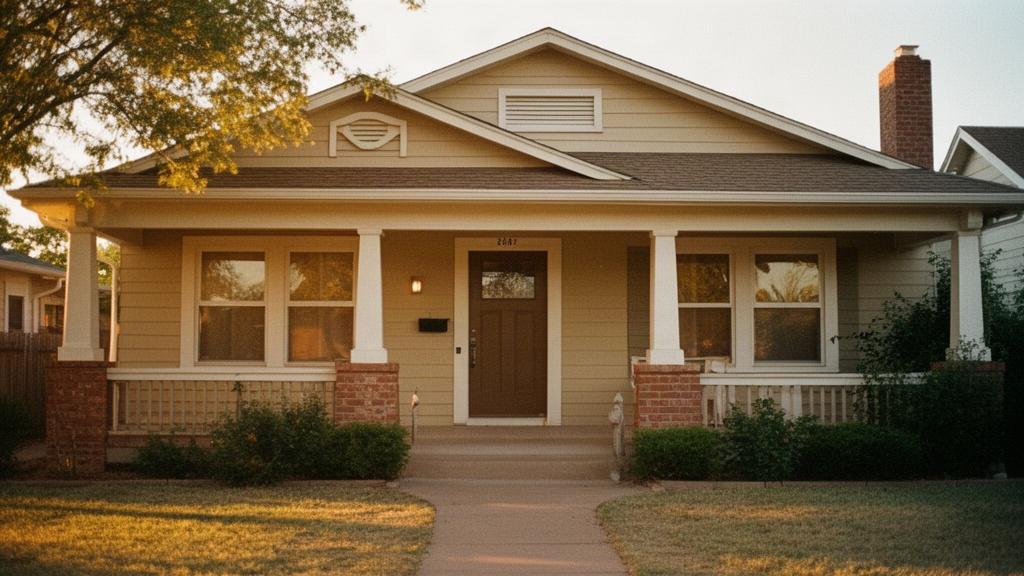
Overview. Gulf Shores offers a mix of single-family houses, condominiums, townhomes, and newer infill construction, with properties ranging from classic 1950s cottages to contemporary coastal builds near the beach.
Single-family homes
Common features. Many single-family homes in Gulf Shores sit on lots from 0.15 to 0.5 acres, with raised foundations, metal or shingle roofs, and porches or decks for outdoor living. Several neighborhoods have homes built in the 1990s through present day, and some interior lots are available one to two miles from the beach.
Condos and townhomes
Condo variety. Condominiums along West Beach Boulevard, Cotton Bayou, and the Gulf Shores Parkway corridor vary from small two-story complexes to high-rise towers with views of the Gulf of Mexico; many have pools and managed common areas and some carry short-term rental rules.
New construction and vacation-ready units
New builds. Spec homes and small developments continue to appear near Arnold Lane and in the eastern portion of Gulf Shores, with coastal construction standards, elevated first floors, and materials selected for salt air exposure. If you plan short-term rentals, review HOA covenants and city ordinances before you buy.
2. Typical price ranges and what they mean
Quick answer. Homes for sale in Gulf Shores cover a broad spectrum from smaller condos near the beach to multi-level waterfront houses; understanding typical price bands helps narrow searches.
Price guidance. Below are common local price bands you will see in listings. Use these as starting points and always verify current comps for a given street.
- Entry level condos: Typically start at smaller budgets for studio or one bedroom units located within one mile of the beach or slightly inland.
- Mid-range houses: Common for three to four bedroom homes one to three miles from the beach, with private yards and garages.
- Waterfront and gulf-view properties: These include elevated beach houses and direct water access lots along the Intracoastal and Gulf, and they often command premium pricing.
3. Where to look and how to compare listings
Direct answer. Search by map, by recent comparable sales and by specific local factors such as elevation and HOA rules to compare Gulf Shores listings accurately.
Check comparable sales
How to pull comps. Ask for sold properties within 0.25 to 0.5 miles, from similar elevation and with the same number of bedrooms, then compare sale dates and finished square footage. Sellers and buyers should request full MLS sheets for those comparables, not just photos.
Understand flood zones and elevation
Elevation matters. Compare property elevation in feet, FEMA flood zone maps, and recent elevation certificates when available. Two homes a block apart can have different insurance and repair implications depending on foundation height and stormwater routing.
Inspect HOA rules and rental restrictions
Read the documents. Many Gulf Shores condos and planned communities include covenants that limit short-term rentals, define required insurance levels, and set maintenance responsibilities. Request the Covenants, Conditions and Restrictions and the most recent meeting minutes before making an offer.
4. Steps to buy or sell a Gulf Shores home
Short answer. Whether you are buying or selling in Gulf Shores, follow a sequence of local checks, financing and inspections specific to coastal properties.
Buyer checklist
Key steps. Get preapproved by a lender familiar with coastal loans, order inspections that include roof, HVAC, and pest checks, request an elevation certificate if available, and obtain insurance quotes based on the property address.
Seller checklist
Prepare to list. Document recent repairs, obtain a current survey if you have one, gather HOA documents and rental histories if applicable, and complete basic maintenance such as corroded hardware, exterior paint touch ups and landscaping to improve curb appeal.
5. Local resources and logistics to plan your move
Single sentence answer. Use city planning reports, local housing playbooks and regional real estate publications to check long term community plans and available infrastructure projects that affect property decisions in Gulf Shores.
Where to look for data. The Gulf Shores city playbook compiles local data on housing, utilities, and land use that you can download to review zoning changes and development priorities. Regional magazines and industry outlets also publish local broker reports that summarize inventory types and community projects.
Referenced reports. For detailed planning information, see the Gulf Shores city playbook and the Mobile Bay real estate issue for broader regional context.
Source links. The Gulf Shores city playbook provides downloadable data and maps for household and land use planning, and Real Producers Magazine Mobile Bay offers regional agent perspectives and market features.
External resource: Gulf Shores city playbook. For regional industry commentary, see the Mobile Bay issue of Real Producers Magazine.
Local logistics note. Expect seasonal traffic increases along AL 59 and Beach Boulevard; plan visits for inspections on weekdays when possible. Utility setups for water and power are handled by Gulf Shores utilities and Baldwin EMC in most areas.
Parks and amenities. Gulf Shores Public Beach, Gulf State Park with its fishing pier and trails, and the sports fields at Graham Creek provide outdoor choices; shopping centers cluster around Gulf Shores Parkway and West Beach Boulevard.
Local expert. If you want tailored searches for homes for sale in Gulf Shores, Stacey Barnes knows the inventory, coastal ordinances and lenders who work with Gulf Coast properties. Reach out for neighborhood-level comps and to coordinate viewings.
FAQ
How do I check flood risk for a Gulf Shores property?
Start with FEMA flood maps and request an elevation certificate from the seller or through the local floodplain administrator. Compare the property elevation in feet to the base flood elevation for the zone, and get insurance quotes reflecting that address to understand premiums and coverage needs.
Are short term rentals common in Gulf Shores condos?
Many condominium complexes near the beach allow short term rentals, but rules vary. Review HOA covenants, local city ordinances and the rental history for the unit before you buy to confirm permitted rental activity and any registration requirements.
What inspections are most important for coastal homes?
In addition to standard home inspections, for Gulf Shores properties order roof condition, HVAC performance, termite or pest inspections, and a structural check of any raised foundation or pilings. If the property is older, request records of storm repairs and drainage improvements.