← Back to Blog
Buying
Where to Find Homes for sale in Pensacola: A Local Buyer's Guide
By Stacy Gott
Century 21 BE3
October 7, 2026 · 4 min read
Looking for homes for sale in Pensacola? This guide maps local housing types, price ranges, commute options, and how to evaluate listings in downtown, East Hill, Gulf Breeze, and more.
1. Overview of Pensacola Housing Options
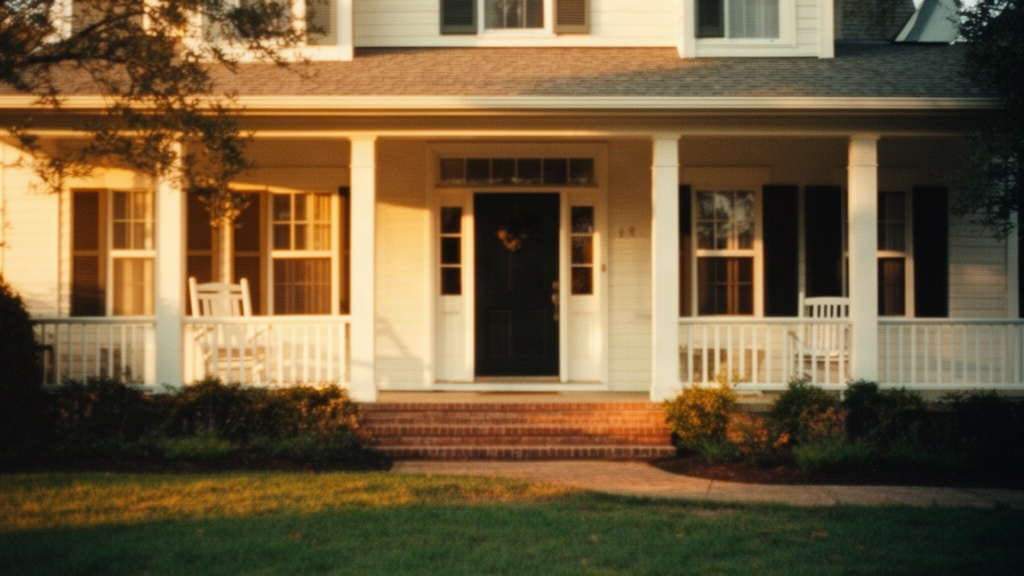
Pensacola has a range of housing stock, from historic bungalows near Seville Square to newer single family developments north of Nine Mile Road. Understanding the common types will help you refine searches for homes for sale in Pensacola.
Single Family Homes
Price range: Prices vary widely by street and proximity to the coast, with many single family homes listed between modest starter ranges in inland areas and higher ranges along Perdido Bay and Pensacola Bay.
Historic Bungalows and Craftsman
Common features: Homes in East Hill, North Hill, and around Seville Square often have original woodwork, smaller lots, and porches. Expect renovation needs such as electrical updates and foundation checks on older properties.
Condominiums and Waterfront Homes
Condo considerations: Condominiums along Pensacola Beach and in downtown high-rises come with HOA fees and insurance considerations. Waterfront homes on Bayou Texar and East Hill canals can have private docks and specific permitting requirements.
2. Where to Search and What to Expect
If you want to focus your search quickly, start with specific areas and property types. Knowing neighborhood features and commute distances will save time when browsing homes for sale in Pensacola.
Downtown and Historic Districts
What to expect: Downtown listings often include townhouses, condos, and renovated historic homes within walking distance of Palafox Street, the Saenger Theatre, and local restaurants.
West and East Pensacola
Community features: Neighborhoods west of downtown include mixed-age subdivisions and new construction near Bayou Grande, while eastern areas have established lots near schools, parks, and retail corridors along Nine Mile Road.
North Pensacola and Ferry Pass
Lot sizes and newer builds: Areas north of I-10 and closer to University Parkway include larger lots, newer subdivisions, and homes with faster access to Pensacola State College and I-10 for regional commutes.
3. Key Local Factors to Compare
Compare these measurable items for every listing you consider. They will influence total cost and long term suitability for the property you choose among homes for sale in Pensacola.
- Lot size: Check deed and plat for exact square footage and setbacks.
- Flood zone: Verify FEMA flood maps and quote insurance, especially for waterfront and barrier island properties.
- Commute time: Measure drive time to NAS Pensacola, downtown, and I-10 during peak hours.
- HOA rules and fees: Request CC&Rs and reserve schedules for condos and planned communities.
Inspection checklist: For older homes look at roof age, HVAC, termite history, and plumbing material. For coastal homes add salt corrosion, dock condition, and elevation to the list.
4. Step by Step: How to Buy a Home in Pensacola
Follow these steps to move from search to closing with fewer surprises. Each step contains local specifics relevant to homes for sale in Pensacola.
1. Get preapproved
Why it matters: Preapproval establishes your price band and speeds up offers. Ask lenders for coastal property guidelines and insurance estimates for properties in flood zones.
2. Choose neighborhoods and pull comps
Comparable sales: Look for three to five closed sales within one mile and six months, matched on bedroom count and lot type. For waterfront homes match shoreline orientation and dock access when possible.
3. Make offers and close
Offer terms to include: Include inspection and financing contingencies, a specified closing timeline, and any seller-provided permits for renovations or additions. For waterfront properties request documentation for seawalls or bulkheads.
5. Moving and Local Resources
Getting settled in Pensacola requires lining up utilities and local services ahead of time. Knowing where to check permits, parks, and local ordinances makes the move smoother.
Utilities and permits
Local contacts: Register utilities with Gulf Power and SJB Water as appropriate, and check the City of Pensacola Development Services site for building permits when planning renovations.
Parks, beaches, and landmarks
Local highlights: Pensacola has immediate access to Pensacola Beach, the Naval Aviation Museum, and Gulf Islands National Seashore. These sites affect traffic patterns and weekend activity near beachfront listings.
Tools like Trolto generate listing videos automatically from your photos. The property descriptions you provide become the foundation for how those videos appear in search.
6. Practical Tips for Buyers and Sellers
Small local actions make a big difference when listing or touring properties. These tips are specific to Pensacola listings and common inspection topics buyers and sellers encounter.
- Pre-listing inspection: Get a roof and termite inspection if selling older homes near the bay.
- Document past repairs: Keep permits for HVAC or structural work handy for buyers.
- Compare utility costs: Ask sellers for recent electric and water bills in coastal and inland properties.
- Check boat access rules: Confirm slip ownership and maintenance responsibilities for canal-front properties.
Local expert: If you are searching for homes for sale in Pensacola and want targeted listings near a specific school, park, or commute corridor, Stacy Gott can run tailored searches and arrange showings.
FAQ
How do I find recent comparable sales in Pensacola?
Use your agent to pull three to five closed sales within one mile and six months of a subject property, matched on bedroom count and lot type. Public county records and the MLS listing history show sales prices and dates. For waterfront homes include properties with similar shoreline orientation and dock access.
Do Pensacola homes require special insurance?
Coastal and bay-front properties often need flood insurance in addition to homeowners insurance. Check FEMA flood maps for a property and get quotes from local insurers to see premiums and deductibles before making an offer.
What is the best way to time showings for older historic homes?
Schedule inspections and showings during daylight to view roof lines, window condition, and yard drainage. Ask sellers for maintenance records and any permits for past renovations to speed up the underwriting process if you proceed.