
← Back to Blog
Market Trends
Rainbow City, Alabama Works Most Real Estate Market Guide: Prices, Neighborhoods and Timing
By Steph Brown
At Home Real Estate LLC · AL License# 116826
September 6, 2026 · 10 min read
Understanding how the Rainbow City, Alabama real estate market works is the single most useful thing you can do before you buy or sell here. This guide covers what drives prices in this Etowah County community, what the different pockets of the city actually look like on the ground, and how timing affects what you pay or pocket. Whether you are relocating, upgrading, or selling for the first time, the details below are specific to Rainbow City, not a copy-paste from a national template.
1. How the Rainbow City Real Estate Market Actually Works
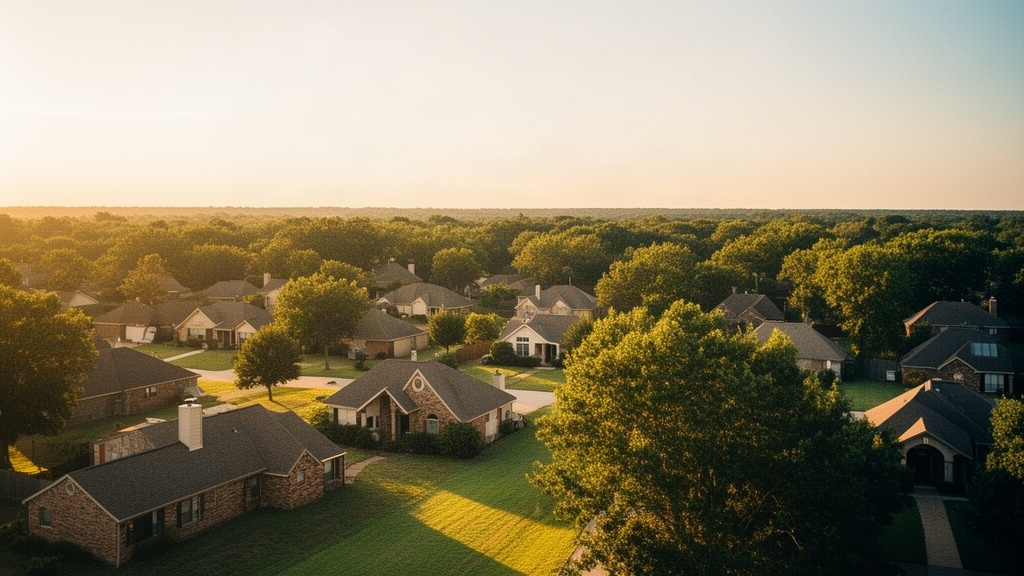
Rainbow City operates as a mid-size suburban market anchored by its location along the Coosa River and its proximity to Gadsden. The city sits in Etowah County, roughly 60 miles northeast of Birmingham and about 5 miles from downtown Gadsden via US-431. That geography shapes who buys here and why: many buyers want the quieter feel of Rainbow City while keeping a short drive to Gadsden employers, medical facilities, and retail along Rainbow Drive.
What Drives Demand Here
Demand in Rainbow City is shaped by a combination of factors that are specific to this market. Coosa River and Neely Henry Lake access pulls buyers who want waterfront or water-view property. The city's own commercial corridor along Rainbow Drive, which includes grocery stores, restaurants, and medical offices, means residents rarely need to cross into Gadsden for daily needs. That convenience, combined with lower price points than metro Birmingham, keeps steady buyer interest even when broader Alabama markets soften.
Employment anchors also matter. Gadsden Regional Medical Center is one of the larger employers in the area, and several manufacturing and distribution operations operate within a 20-minute drive. Buyers tied to those jobs tend to look first in Rainbow City because the commute is short and the housing stock is broad enough to cover a wide budget range. You can read more about commute times and distances in the Rainbow City to Gadsden and Anniston commute guide.
The Role of Inventory in Pricing
Inventory levels in Rainbow City have stayed relatively tight through most of 2026. When fewer homes are listed, sellers hold more pricing power and well-maintained properties tend to move in under 30 days. When inventory rises, buyers gain more negotiating room and days on market stretch out. Watching the active listing count each month is one of the clearest signals of where the market sits at any given moment. The Alabama Association of REALTORS market statistics page publishes statewide and county-level data monthly, which gives useful context for how Etowah County trends compare to the rest of Alabama.
2. Current Prices and What You Get for the Money
As of September 2026, Rainbow City home prices span a wide range depending on lot type, condition, and location within the city. The median sale price for a non-waterfront home sits in the mid-$200,000s, while waterfront and water-access properties on Neely Henry Lake regularly trade in the $350,000 to $600,000 range and above. For deeper data on current figures, the Rainbow City housing market overview on Redfin tracks recent sale prices and days on market with regular updates.
Entry-Level and Mid-Range Homes
At the entry level, buyers in Rainbow City can find brick ranch homes built in the 1970s through 1990s priced from the low $170,000s to around $230,000. These homes typically sit on lots of 0.25 to 0.5 acres, run 1,200 to 1,800 square feet, and often include three bedrooms and two bathrooms. Many have been owned by the same family for decades, so condition varies: some are move-in ready, others need cosmetic updates or mechanical work. Buyers who can handle a project often find the most value in this tier.
The mid-range, roughly $230,000 to $320,000, includes updated ranches, split-level homes, and newer construction from the 2000s and 2010s. At this price point you are more likely to find granite countertops, updated HVAC systems, covered back porches, and two-car garages. Square footage in this range typically runs 1,800 to 2,600 square feet. For a detailed look at what current listings look like across these tiers, the homes for sale in Rainbow City, Alabama article breaks down what is currently on the market.
Upper Price Tiers and What They Include
Homes priced from $320,000 to $500,000 in Rainbow City almost always carry one of three features: water access, a larger lot exceeding one acre, or a high level of finish throughout. You will find custom-built homes with open floor plans, vaulted ceilings, bonus rooms, and three-car garages in this range. Some sit on cul-de-sacs in established subdivisions; others are on private lots with wooded buffers.
Above $500,000, the market is primarily waterfront. Homes on Neely Henry Lake with private docks, boat slips, and lake views command premiums that can push prices well past $700,000 for the right property. The waterfront segment has its own dynamics, and the waterfront properties market guide for Rainbow City covers that segment in detail.
3. Neighborhood Features and Housing Stock Across Rainbow City
Rainbow City is not a single uniform neighborhood. The city covers roughly 14 square miles along the eastern bank of the Coosa River and Neely Henry Lake, and the character of streets changes noticeably depending on how close you are to the water, Rainbow Drive, or the newer growth on the city's outer edges. Each pocket has its own housing stock, lot sizes, and price behavior.
Coosa Riverfront and Lakeside Streets
Streets that run directly to or along Neely Henry Lake make up the most distinctive segment of Rainbow City real estate. Homes here range from modest 1960s lake cottages that have been updated over the years to larger custom builds with covered boat docks and screened porches facing the water. Lot sizes vary considerably: some waterfront lots are narrow and deep, giving just enough room for the house and a path to the dock, while others are wider with side yards and landscaped slopes down to the water. The Coosa River's Neely Henry reservoir stretches well beyond Rainbow City, but the Rainbow City shoreline is particularly accessible because much of it is within city limits rather than remote county land.
Established Interior Subdivisions
The bulk of Rainbow City's housing stock sits in subdivisions built between the 1960s and the early 2000s. These neighborhoods feature mature trees, concrete driveways, and brick construction that has held up well in Alabama's climate. Streets are generally quiet and laid out in gentle curves rather than a strict grid. Lot sizes in these areas tend to run a quarter to a half acre, giving residents yard space without the maintenance burden of a large rural property.
Many of these interior subdivisions are within a short drive of Rainbow City's parks, including the Rainbow City Sportsplex, which includes athletic fields, a walking trail, and open green space. Rainbow Drive runs through the commercial spine of the city and puts grocery stores, pharmacies, and restaurants within a 5-to-10-minute drive of most interior addresses.
Newer Subdivision Growth
Rainbow City has seen new subdivision activity on its eastern and northern edges, where larger tracts of land have been subdivided for new construction since the mid-2010s. These newer neighborhoods typically offer homes built to current energy codes with open floor plans, larger primary suites, and two-car garages as standard. Lots in newer subdivisions tend to be smaller than in older parts of the city, often 0.2 to 0.35 acres, but the homes themselves are larger. For buyers specifically interested in new construction, the new subdivisions and new construction guide for 2026 covers active developments in detail.
4. Timing the Rainbow City Market as a Buyer or Seller
Timing matters in any real estate market, but the patterns in Rainbow City are shaped by Alabama's mild winters and the lake-driven demand calendar. Understanding when the market heats up and when it cools gives both buyers and sellers a clearer picture of what to expect from list price to closing.
Seasonal Patterns in Etowah County
The Rainbow City market follows a seasonal curve that peaks in spring and early summer, roughly March through June, when listing activity rises and buyer competition is at its highest. Families with children tend to time their moves around the school calendar, which concentrates demand in that window. Waterfront homes see a secondary surge in late spring specifically, because buyers want to be settled in before summer boating season on Neely Henry Lake.
When Sellers See the Most Activity
Sellers who list in March, April, or May typically see the most showings and the strongest offers. Homes priced correctly in that window often receive multiple offers within the first two weeks. To take advantage of spring demand, sellers should have their home photographed and listed by late February or early March at the latest. Waiting until May means competing with a larger wave of new listings that hit the market simultaneously.
Fall listings, September through November, can still sell quickly if priced right, but the buyer pool is smaller and the urgency is lower. That said, fall buyers in Rainbow City tend to be serious: fewer people browse casually in cooler months, so the buyers who do schedule showings are often further along in their decision process. For a detailed look at what sellers should expect from pricing to closing, the guide to selling a home in Rainbow City walks through the full process.
When Buyers Have More Leverage
Buyers who can be flexible on timing often find better negotiating conditions in July, August, and December. Homes that did not sell during the spring rush are often still on the market with price reductions, and sellers who listed in spring and have not closed are typically more willing to negotiate on price, closing costs, or repairs. The tradeoff is a smaller selection of available homes. Buyers who need a specific type of property, such as a waterfront lot or a home with a large garage, may find spring's larger inventory worth the extra competition.
5. What Moves a Home's Price Up or Down in Rainbow City
Price per square foot in Rainbow City is not uniform, and understanding what pushes a specific home above or below the median is practical knowledge for both buyers and sellers. Several factors consistently move the needle, and most of them are predictable once you know what to look for.
Lot Features and Water Access
Water access is the single largest price driver in Rainbow City beyond the home itself. A home on a waterfront lot with a private dock can sell for 40 to 80 percent more than a comparable non-waterfront home in the same city. Even water-view lots without direct lake frontage carry a premium over interior lots. Lot size, topography, and whether the yard is level or steeply sloped to the water all affect value within the waterfront category.
For non-waterfront homes, corner lots and cul-de-sac lots tend to sell at a slight premium because of the added privacy and reduced through-traffic. Lots that back to wooded areas or green space rather than another home's backyard also draw more buyer interest, which translates into faster sales and sometimes higher offers.
Condition, Updates, and Finishes
In Rainbow City's mid-range market, updated kitchens and bathrooms are the most reliable value adds. A home with original 1980s cabinets and tile will typically sell at a discount to a comparable home with updated countertops, modern fixtures, and fresh paint, even if the square footage and lot are identical. Buyers in the $200,000 to $300,000 range are often stretching their budgets and prefer to avoid immediate renovation costs.
Mechanical condition matters as much as cosmetics. A newer roof, HVAC system within the last 10 years, and updated electrical panel all reduce buyer hesitation and reduce the likelihood of repair requests after inspection. Homes with deferred maintenance on these systems tend to sit on the market longer and ultimately sell for less than their initial list price.
Days on Market and List Price Strategy
Homes that are priced correctly from day one sell faster and closer to list price than homes that start high and reduce later. In Rainbow City, a home that sits for more than 45 days starts to raise questions in buyers' minds about what might be wrong with it, even if the only issue was an ambitious initial price. Price reductions can restart buyer interest, but they rarely fully recover the momentum of a well-priced first listing. Getting the initial price right is one of the most valuable things a local agent can do for a seller in this market.
FAQ
What is the median home price in Rainbow City, Alabama right now?
As of September 2026, the median sale price for non-waterfront homes in Rainbow City sits in the mid-$200,000s, with entry-level brick ranches starting in the low $170,000s. Waterfront properties on Neely Henry Lake typically trade between $350,000 and $600,000 or more depending on dock access and lot width. Prices have held relatively steady through 2026 because inventory has remained tight. For the most current figures, the Redfin Rainbow City market page tracks recent sales with frequent updates.
Is it a buyer's market or a seller's market in Rainbow City right now?
In September 2026, Rainbow City leans toward a seller's market in most price ranges because active inventory has stayed below historical averages. Well-maintained homes priced at market value are moving in under 30 days, and multiple-offer situations are still occurring on move-in-ready properties. Buyers do have more room to negotiate on homes that have been sitting for 45 days or longer, particularly if there has already been a price reduction. The waterfront segment is especially competitive because the supply of true lakefront lots in Rainbow City is finite.
What are the different parts of Rainbow City like in terms of housing?
Rainbow City divides broadly into three zones: the waterfront and near-water streets along Neely Henry Lake, the established interior subdivisions built primarily between the 1960s and early 2000s, and the newer subdivision areas on the city's outer edges. Waterfront homes range from updated cottages to large custom builds with private docks. Interior subdivisions feature mature trees, brick construction, and lots of a quarter to half acre. Newer subdivisions offer current construction standards with open floor plans and larger primary suites on slightly smaller lots. Each zone has its own price range and buyer profile, so identifying which one fits your priorities is an important early step in the search process.