← Back to Blog
Market Trends
Investment Property Guide for Martinsburg, West Virginia: What Every Investor Needs to Know
By Sunny Singh
September 16, 2026 · 11 min read
This investment property guide for Martinsburg, West Virginia covers everything a serious investor needs before putting money into the local market: current price ranges, realistic rental income expectations, the types of properties available, financing considerations, and the local factors that shape long-term returns. Martinsburg sits at the intersection of affordability and demand, and understanding exactly how that plays out on the ground is the difference between a solid acquisition and a costly mistake.
1. Why Martinsburg, West Virginia Draws Real Estate Investors Right Now
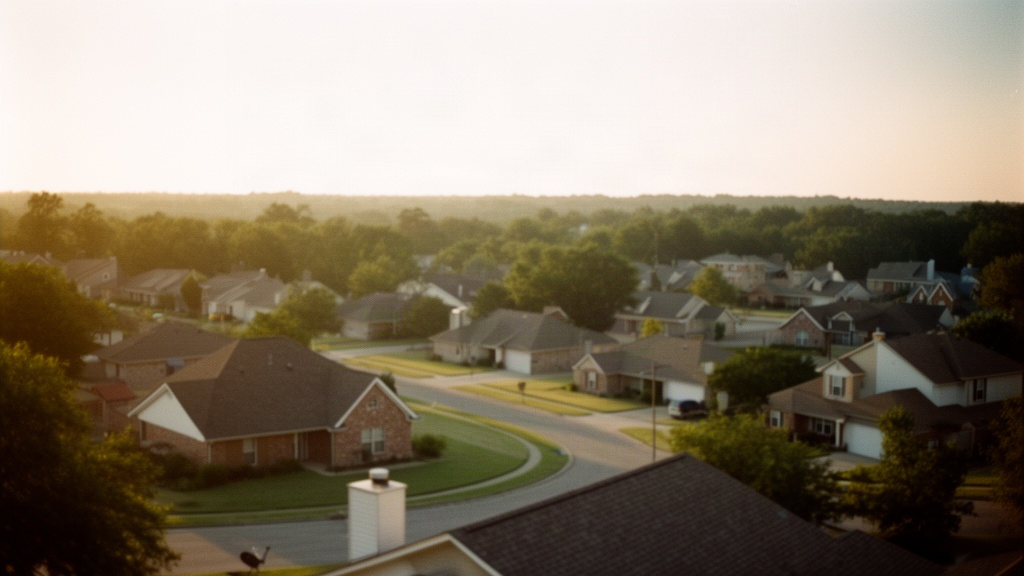
Martinsburg attracts investor attention for a straightforward reason: purchase prices remain well below those of the Washington-Baltimore corridor while rental demand from commuters and local workers keeps vacancy rates low.
The Price-to-Rent Equation
The core investor appeal is the spread between what you pay to acquire a property and what the local rental market will bear. In many Northern Virginia and Maryland markets, that spread has compressed to the point where cash-on-cash returns barely clear 4 or 5 percent. In Martinsburg, investors routinely underwrite properties in the $200,000 to $320,000 range and rent them for $1,400 to $1,900 per month, producing gross rent multipliers and cap rates that are harder to find closer to the Beltway.
A recent overview of the Martinsburg market on Steadily's 2026 real estate market overview notes that the city's median home values and rent levels continue to support landlord-friendly gross yield figures, particularly for single-family homes and small multifamily properties in established Berkeley County corridors.
What Is Driving Rental Demand
Rental demand in Martinsburg comes from several distinct sources. MARC commuter rail service from Martinsburg Station connects tenants to the Washington, D.C. metro area without requiring them to own a car, which makes the city appealing to workers priced out of closer-in markets. The Eastern West Virginia Regional Airport, large distribution and logistics employers along the I-81 corridor, and the ongoing expansion of healthcare and retail at the Foxcroft Town Centre corridor all generate steady local employment that supports rental households.
Berkeley County is one of the fastest-growing counties in West Virginia by population, and that growth translates directly into housing demand. Households that are not yet ready to purchase, or that have relocated for work and are still evaluating whether to put down roots, represent a durable tenant pool for local landlords.
2. Types of Investment Properties Available in Martinsburg
Martinsburg offers a wider range of investment property types than many small cities its size, from century-old downtown rowhouses to brand-new construction in master-planned subdivisions.
Single-Family Rentals
Single-family homes are the most liquid and most common investment vehicle in Martinsburg. The housing stock ranges from 1940s and 1950s brick ranchers and Cape Cods in the older city neighborhoods near downtown to 1990s and 2000s colonials in established subdivisions like Martinsburg Estates and Foxcroft, and newer builds pushing toward the Spring Mills area. Older homes in the $150,000 to $220,000 range often require capital investment upfront but can deliver strong yields once stabilized. Mid-tier homes in the $230,000 to $310,000 range typically need less work and attract longer-tenured tenants.
Small Multifamily Properties
Duplexes and small apartment buildings exist primarily in and around the older downtown core of Martinsburg. Queen Street, King Street, and the blocks radiating outward from the historic district contain a mix of converted Victorian-era homes and purpose-built two- to four-unit buildings. These properties tend to trade at higher price-per-unit figures than single-family homes but allow an investor to spread vacancy risk across multiple units. Zoning in Berkeley County and the City of Martinsburg permits some accessory dwelling unit configurations, which is worth verifying with the local planning office on any specific parcel.
New Construction as a Rental Play
Some investors purchase new construction townhomes and single-family homes in active developments as rentals. The appeal is a builder warranty, low immediate maintenance costs, and the ability to attract tenants who want modern finishes. The trade-off is a higher purchase price, typically $310,000 to $420,000 for new builds in the Spring Mills corridor and newer sections off Tabler Station Road, which compresses initial yields. Investors who take this approach are generally betting on appreciation and low maintenance expense over the first several years rather than maximizing day-one cash flow. If you are evaluating new construction as an investment, the article on new developments and construction projects in Martinsburg in 2026 is a useful starting point for understanding what is being built and where.
3. Understanding the Numbers: Prices, Rents, and Returns
Solid investment decisions start with accurate local numbers, not national averages. Here is what the Martinsburg market looks like on the ground in September 2026.
Current Purchase Price Ranges
The Martinsburg market currently shows a median sale price in the low-to-mid $280,000s for single-family homes, with meaningful variation by location and condition. Distressed or dated properties in the city core can still be found below $180,000. Move-in-ready homes in established subdivisions cluster between $240,000 and $330,000. New construction starts around $310,000 and extends past $420,000 for larger layouts. For a detailed look at where prices stand right now, the article on home prices in Martinsburg WV in September 2026 has current data broken down by property type.
Rental Rate Benchmarks
Rental rates in Martinsburg as of September 2026 run approximately $1,100 to $1,350 per month for two-bedroom units, $1,400 to $1,750 for three-bedroom single-family homes, and $1,750 to $2,000 or above for larger four-bedroom homes in better condition or newer subdivisions. Townhomes in the Spring Mills area, which benefit from proximity to I-81, Route 9, and the commercial corridor along Martinsburg Pike, tend to command rents at the upper end of their size tier. Properties closer to the MARC station can also support a modest rent premium from commuter tenants.
Estimating Your Net Return
Gross yield is only the starting point. A $270,000 home renting for $1,600 per month produces a gross yield of roughly 7.1 percent. From that, you subtract property taxes, insurance, maintenance reserves, property management fees (typically 8 to 10 percent of collected rent in Berkeley County), and any HOA dues. West Virginia property taxes are relatively low compared to neighboring Maryland and Virginia, which meaningfully improves net returns. A $270,000 home in Martinsburg carries an annual property tax bill in the range of $1,300 to $1,600 depending on the levy district, compared to $4,000 or more for a similar home across the state line. For the full breakdown on how property taxes are calculated here, see the article on property tax rates in Martinsburg, West Virginia.
4. Financing an Investment Property in Martinsburg
Financing rules for investment properties differ from owner-occupied purchases, and knowing the landscape before you make an offer prevents delays and surprises at closing.
Conventional Investment Loans
Most investors in Martinsburg finance their first or second rental property with a conventional loan requiring 20 to 25 percent down. Rates on investment property loans run 0.5 to 0.75 percentage points above the rate you would see on a primary residence loan with the same credit profile. Lenders will typically want to see a credit score of 680 or above, six months of reserves after closing, and documentation of any existing rental income if you already own rentals. The higher down payment requirement means your upfront capital need on a $270,000 Martinsburg property is $54,000 to $67,500 before closing costs.
DSCR Loans and Portfolio Lenders
Debt service coverage ratio loans, commonly called DSCR loans, qualify the borrower based on the property's rental income rather than personal income. If the property's projected monthly rent covers the mortgage payment at a ratio of 1.0 or above, many portfolio and non-QM lenders will approve the loan. This structure works well for self-employed investors or those who hold multiple properties and have complex tax returns. Several lenders active in the West Virginia market offer DSCR products with 20 to 25 percent down and no income verification beyond a lease or rental market appraisal.
West Virginia-Specific Programs
The West Virginia Housing Development Fund offers programs that, in some cases, apply to investor-owned properties that are rented to income-qualifying tenants. These programs are more restrictive than standard investment loans and come with compliance requirements, but they can provide below-market rate financing for investors willing to accept tenant income restrictions. Whether this structure fits your investment model is a conversation worth having with a lender who knows the West Virginia market specifically. Your closing costs on an investment purchase in Martinsburg will also differ from an owner-occupied transaction; the article on closing costs when buying a house in Martinsburg covers the line items you should budget for.
5. Local Factors That Affect Investment Performance
Martinsburg has characteristics that directly affect how an investment property performs over time. These are not factors you will find in a national market report, but they matter significantly to your bottom line.
Property Taxes and Carrying Costs
West Virginia's property tax structure is a genuine advantage for investors. Berkeley County assesses residential property at 60 percent of appraised value, and the combined levy rate produces annual tax bills that are a fraction of what investors pay in Maryland or Virginia for comparable properties. On a $280,000 investment property in Martinsburg, expect an annual tax bill in the $1,350 to $1,700 range. Landlord insurance in the area typically runs $900 to $1,400 annually depending on the age and condition of the home. These two carrying costs together are often lower than the property tax alone on a similar investment in neighboring states.
HOA Considerations in Newer Subdivisions
Many of the newer subdivisions in Martinsburg, particularly those built after 2010, carry homeowners association fees and rental restrictions that directly affect your investment. Some HOAs in the Spring Mills area and other planned communities limit the percentage of homes that can be rented at any given time, or require landlord registration and tenant approval processes. HOA dues in these communities range from $50 to over $200 per month and are a carrying cost that comes out of your net return. Before purchasing in any HOA community as an investor, review the CC&Rs carefully. The article on HOA fees and rules in the newer Martinsburg subdivisions covers this in detail.
What New Construction Means for Existing Investors
Active homebuilding in Berkeley County is a double-edged factor for rental property owners. On the positive side, new construction brings more employers, more residents, and more infrastructure, all of which support rental demand and long-term property values. On the other side, new rental inventory entering the market can put modest pressure on rents in immediately adjacent areas. Investors who own older stock near active construction corridors should monitor the local rental market quarterly and be prepared to invest in updates to remain competitive. The overall supply-demand picture in Martinsburg still favors landlords as of September 2026, but that balance is worth watching as building activity continues.
6. What to Watch Out For Before You Buy
This investment property guide for Martinsburg, West Virginia would be incomplete without a clear-eyed look at the risks and due diligence steps that separate successful acquisitions from costly ones.
Due Diligence Priorities
Older homes in the Martinsburg city core, particularly those built before 1978, require attention to lead paint, knob-and-tube wiring, and aging HVAC systems. A thorough home inspection by a licensed West Virginia inspector is non-negotiable on any investment purchase. For properties near the Opequon Creek or in low-lying areas off the eastern side of the city, flood zone status should be verified through FEMA maps before you commit. Septic systems are common on rural parcels at the edges of Berkeley County, and septic inspection and pump-out costs should be factored into your acquisition budget if applicable.
Permit history is another area worth reviewing. Berkeley County building records are available through the county's permit office, and unpermitted additions or conversions can create liability for a new owner. If a seller has converted a basement or garage into living space without permits, you inherit the compliance obligation at purchase. This is especially relevant for properties marketed as having more bedrooms or square footage than the tax record reflects.
Vacancy and Management Realities
Martinsburg is not a zero-vacancy market. Underwriting your investment with a 5 to 8 percent vacancy assumption is realistic and conservative. Properties that are well-maintained and priced within the local rental range typically lease within 30 to 45 days. Properties that are dated, overpriced, or located on high-traffic arterials can sit longer. If you plan to self-manage, factor in the time commitment of tenant screening, maintenance coordination, and West Virginia landlord-tenant law compliance. If you plan to hire a property manager, budget 8 to 10 percent of collected rent plus leasing fees, typically equal to one half to one full month's rent per new tenancy.
Investors who are also considering whether to sell an existing property to fund a Martinsburg acquisition will find the article on selling a home in Martinsburg, West Virginia useful for understanding current seller-side timelines and pricing dynamics.
It is also worth noting that investor activity in smaller, more affordable markets like Martinsburg has drawn broader attention. A July 2026 analysis from Inman highlighted how investors are increasingly placing bets in markets that were previously overlooked, precisely because price-to-rent ratios remain more favorable than in gateway cities. Martinsburg fits that profile, which means competition for well-priced investment properties is increasing. Acting with accurate local information and a clear acquisition criteria is more important now than it was two or three years ago.
FAQ
Is Martinsburg, West Virginia a good market for rental property investment in 2026?
Martinsburg offers purchase prices that remain well below those of neighboring Maryland and Virginia markets while supporting rental rates that produce competitive gross yields, typically in the 6 to 8 percent range for well-selected single-family homes. Berkeley County's low property tax structure improves net returns meaningfully compared to investing across the state line. Rental demand is supported by MARC commuter rail access, I-81 corridor employment, and steady population growth in the county. That said, no market is without risk, and investors should underwrite conservatively with realistic vacancy and maintenance assumptions rather than relying on best-case projections.
What types of investment properties are available in Martinsburg, WV?
The Martinsburg market offers single-family homes ranging from older brick ranchers near downtown to newer colonials and townhomes in subdivisions like Spring Mills and the Tabler Station Road corridor. Small multifamily properties, primarily duplexes and converted Victorian-era homes, are concentrated in and around the historic downtown core on streets like Queen and King. New construction townhomes and single-family homes in active developments are also available as rentals, though at higher price points that compress initial yields. The right property type depends on your capital position, return expectations, and appetite for active management versus turnkey ownership.
Do HOAs in Martinsburg's newer subdivisions allow rental properties?
HOA rules on rentals vary significantly from one Martinsburg subdivision to another. Some communities in the Spring Mills area and other planned developments impose rental caps, limiting the percentage of homes that can be leased at any one time. Others require landlord registration, tenant background check submissions, or minimum lease terms of six or twelve months. Monthly HOA dues in these communities range from roughly $50 to over $200, which reduces net rental income. Before purchasing any HOA-governed property as an investment, you should obtain and review the full CC&Rs and confirm the current rental allowance status with the HOA board directly.