← Back to Blog
Neighborhoods
What Are the Different Neighborhoods in Martinsburg WV and What Is Each One Like to Live In?
By Sunny Singh
September 13, 2026 · 10 min read
Martinsburg, West Virginia has more neighborhood variety than most people expect. From a walkable historic downtown to sprawling newer subdivisions near the edges of the city, the different neighborhoods in Martinsburg WV each have their own character, housing stock, and price range. This guide breaks down what you will actually find in each part of the city so you can figure out which area fits your priorities before you start touring homes.
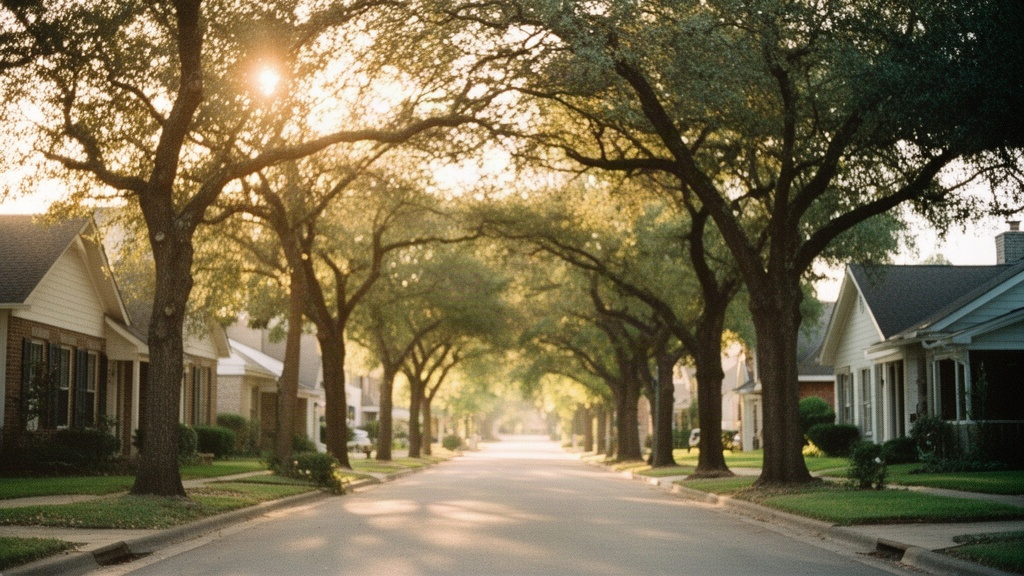
1. A Quick Overview of Martinsburg's Neighborhood Layout
Martinsburg is the county seat of Berkeley County and the largest city in the Eastern Panhandle of West Virginia. The city proper covers roughly 10 square miles, and the surrounding unincorporated areas of Berkeley County add significantly more residential land. When people ask about the different neighborhoods in Martinsburg WV, they are usually asking about both the city limits and the communities that sit just outside them, since many buyers draw from both.
How the City Is Organized
Martinsburg is loosely organized around its historic downtown core, with residential areas fanning out in every direction. Interstate 81 runs north to south through the western portion of the city and acts as a practical dividing line between the older, more established western and central neighborhoods and the newer growth corridors to the east and south. U.S. Route 11, also called Winchester Avenue, runs through the heart of the city and connects many of the distinct residential pockets.
Berkeley Medical Center, located on Tavern Road in the southern part of the city, is one of the largest employers in the area and a practical landmark that many buyers use when thinking about commute times to work. The Marc Train station on South Queen Street connects Martinsburg to the Washington, D.C. metro area, which also shapes where some buyers choose to focus their search.
What Drives Prices Across Areas
As of September 2026, Martinsburg's median home price sits in the mid-to-upper $200,000s for the city proper, though prices vary considerably by neighborhood. Newer construction in the southern growth corridors tends to push toward the $300,000 to $380,000 range, while older homes in the historic core and established central neighborhoods can be found anywhere from the low $100,000s to the mid-$200,000s depending on condition and lot size. For a broader look at available inventory across all these areas, the homes for sale in Martinsburg WV guide on this site is a useful starting point.
2. Downtown Martinsburg and the Historic Core
Downtown Martinsburg is one of the most architecturally distinct parts of the city. The area centered on King Street, Queen Street, and the surrounding blocks contains a mix of 19th-century commercial buildings, Victorian-era row houses, and early 20th-century Craftsman and Colonial Revival homes. The Belle Boyd House, a Civil War-era landmark on East Race Street, sits within walking distance of several residential blocks that have been on the National Register of Historic Places.
Housing Stock and Architecture
Homes in the historic core are predominantly two and three-story row houses and detached single-family homes on smaller lots, typically ranging from 0.1 to 0.25 acres. Many were built between 1870 and 1940 and retain original features like hardwood floors, plaster walls, transom windows, and front porches with turned wood columns. Renovation quality varies significantly from block to block, so buyers should budget for inspection findings on older mechanical systems.
The downtown area also has a small number of converted apartments and mixed-use buildings along King Street and the blocks immediately adjacent to the train station. These are less common on the residential market but do appear periodically, particularly as investors continue to renovate older commercial stock.
What to Expect on the Streets
The downtown core is walkable by Martinsburg standards. The Marc Train station is within a short walk of many of the residential streets, which makes this area practical for buyers who commute toward the D.C. corridor by rail. Restaurants, the Martinsburg City Park, the Berkeley County Courthouse, and local retail are all accessible on foot from the central residential blocks.
City Park, located on South Queen Street, covers several acres and includes ball fields, a swimming pool, tennis courts, and a community center. It is one of the more actively used green spaces in the city and sits at the edge of the historic residential district.
Price Range in the Historic Core
Homes in the historic downtown district currently list from roughly $120,000 for unrenovated row houses needing significant work up to around $280,000 for fully updated properties with modern kitchens, new roofs, and updated electrical. The spread is wide because renovation quality is the dominant price driver here, not lot size or square footage.
3. South Martinsburg and the Spring Mills Corridor
South Martinsburg is the fastest-growing part of the city and its immediate surroundings. The Spring Mills area, which sits in unincorporated Berkeley County just south of the city limits along Gerrardstown Road and the Route 9 corridor, has seen substantial new residential development over the past decade and continues to attract new construction in 2026. This is where buyers looking for newer homes with attached garages, open floor plans, and subdivision amenities tend to focus their search.
New Construction and Subdivisions
Subdivisions like Spring Mills, Tabler Station, and communities along Hedgesville Road south of the city have added thousands of homes over the past fifteen years. Most of these are Colonial and craftsman-style single-family homes with two-car garages, vinyl siding, and lots ranging from 0.15 to 0.35 acres. Some communities include HOA amenities such as pools, playgrounds, and walking trails.
Berkeley Medical Center is located in this southern corridor on Tavern Road, which makes the area practical for anyone employed there. The hospital is one of the largest healthcare facilities in the Eastern Panhandle and a significant employment hub for the region.
Proximity to Retail and Services
The southern part of Martinsburg and Spring Mills has the densest concentration of retail in the area. Foxcroft Town Centre on Foxcroft Avenue includes a Target, a movie theater, grocery stores, and a range of national restaurants and service businesses. The Martinsburg Mall on Foxcroft Avenue, while partially redeveloped, anchors additional retail nearby. Most daily errands in this part of the city require a short drive rather than a walk.
Price Range in South Martinsburg
New construction in the Spring Mills corridor currently starts around $310,000 for a three-bedroom townhome and runs to $420,000 or more for a four-bedroom detached home with a finished basement. Resale homes in established subdivisions in this corridor tend to list between $270,000 and $380,000 depending on age, upgrades, and lot position.
4. North and East Martinsburg
North and east Martinsburg contain some of the city's most established mid-century residential neighborhoods. These areas developed primarily between the 1940s and the 1980s and offer a different character from both the Victorian-era downtown and the newer southern subdivisions. Streets like Raleigh Street, Fairview Avenue, and the neighborhoods north of Stephen Street contain ranch homes, split-levels, and Cape Cods on larger lots than you typically find in the historic core.
Established Neighborhoods North of Downtown
The neighborhoods north of King Street and along Burke Street extend toward Norborne Boulevard and Dry Run Road. This area has a mix of brick ranches from the 1950s and 1960s alongside some newer infill construction. Lot sizes here are generally larger than downtown, with many parcels running a quarter to a half acre. The area is close to Martinsburg High School on Williamsport Pike and within a few minutes of downtown by car.
Boydville, a historic estate property on South Queen Street, sits near the boundary between the downtown and the northern residential areas and is one of the most recognized landmarks in the city. The surrounding streets have a mix of older single-family homes and some commercial uses along the main corridors.
The Eastern Edge Near Raleigh Street and Beyond
Moving east from downtown along Raleigh Street and toward the Route 9 bypass, the housing stock shifts toward post-war ranches and split-levels with attached carports or garages. This part of the city is close to Eastern Gateway Community College's Martinsburg campus and has convenient access to Route 9, which connects to Hedgesville to the north and Charles Town to the east.
For buyers interested in how long homes in these established neighborhoods are sitting before they sell, the market data on this site covers average days on market across Martinsburg in detail. Inventory in the mid-century neighborhoods tends to move at a different pace than new construction, and understanding that distinction matters when you are making an offer.
Price Range in North and East Martinsburg
Ranch homes and split-levels in the north and east sections of the city currently list from around $160,000 for smaller homes needing updates to $280,000 for well-maintained properties with updated kitchens and bathrooms. Larger lots and brick construction tend to push prices toward the higher end of that range. These neighborhoods offer some of the most consistent value in the city for buyers who want established residential streets without the price premium of new construction.
5. West Martinsburg and the Opequon Creek Side
West Martinsburg sits between the downtown core and Interstate 81, with some residential pockets extending beyond the interstate toward the Opequon Creek. This is one of the more varied parts of the city in terms of housing type, mixing older single-family homes, some light industrial adjacency, and a handful of newer developments that have filled in along Winchester Avenue and Williamsport Pike.
Housing Character on the West Side
The residential streets west of Martinsburg's downtown, particularly along Bunker Hill Road and the neighborhoods near Opequon Creek, tend to have older homes on larger lots with more rural character than the central city. Some parcels in this area include outbuildings, detached garages, or small workshop structures, which appeals to buyers who want more usable outdoor space.
The Opequon Creek itself runs along the western edge of the city and provides a natural boundary. Portions of the creek corridor have been discussed for trail development in Berkeley County's long-range planning documents, though completed trail infrastructure in this area remains limited as of September 2026.
Access and Commute Considerations
Interstate 81 access from the west side of Martinsburg is straightforward, with interchanges at Martinsburg Pike and Hammonds Mill Road providing quick on-ramps. Buyers who commute north toward Hagerstown, Maryland, roughly 20 miles away, or south toward Winchester, Virginia, roughly 25 miles away, often find the west side convenient for that reason. The Marc Train station is still accessible from this side of the city, though it requires a short drive rather than a walk.
Price Range on the West Side
Homes on the west side of Martinsburg currently range from around $140,000 for older, smaller properties needing work to $260,000 for updated homes with larger lots. Properties with acreage or significant outbuildings can push higher depending on the parcel. This area generally offers more land per dollar than the southern growth corridors, which is a practical consideration for buyers with specific outdoor space needs.
6. Comparing Martinsburg's Neighborhoods: Key Differences at a Glance
Each part of Martinsburg has a distinct profile in terms of housing age, lot size, price, and proximity to specific amenities. Here is a direct comparison of the key variables across the city's main residential areas as of September 2026.
Downtown and Historic Core: Victorian and early 20th-century row houses and detached homes; lots under 0.25 acres; prices from $120,000 to $280,000; walkable to Marc Train and City Park; renovation quality varies widely.
South Martinsburg and Spring Mills: Newer construction from the 1990s through 2026; lots from 0.15 to 0.35 acres; prices from $270,000 to $420,000 and above; close to Berkeley Medical Center and Foxcroft Town Centre retail; many HOA communities.
North and East Martinsburg: Mid-century ranches, split-levels, and Cape Cods from the 1940s through 1980s; lots from 0.25 to 0.5 acres; prices from $160,000 to $280,000; close to Route 9 east and Martinsburg High School; consistent mid-range value.
West Martinsburg: Older homes with more rural character; larger lots with some acreage options; prices from $140,000 to $260,000 and above for parcels with outbuildings; quick Interstate 81 access; short drive to Marc Train.
For additional data on how these price ranges have shifted over time, NeighborhoodScout's Martinsburg profile provides census-based demographic and housing data that can supplement what you find from local listings.
For schools, Berkeley County Schools operates all public schools in the area. You can review individual school information directly on the Berkeley County Schools website and the West Virginia Department of Education's data portal, which publish enrollment, programs, and other factual information for each school. School assignment depends on your specific address, so confirming which school serves a particular property is a step worth taking before you make an offer.
FAQ
What are the different neighborhoods in Martinsburg WV and how do their prices compare?
Martinsburg's main residential areas include the historic downtown core, south Martinsburg and the Spring Mills corridor, north and east Martinsburg, and the west side near Opequon Creek. As of September 2026, prices range from around $120,000 for unrenovated historic properties downtown to over $420,000 for new construction in the Spring Mills area. Mid-century neighborhoods in the north and east tend to fall in the $160,000 to $280,000 range, while the west side offers larger lots at similar or slightly lower price points. The gap between areas is driven by housing age, condition, and proximity to newer retail and medical employment.
Is the Spring Mills area part of Martinsburg WV?
Spring Mills is an unincorporated community in Berkeley County, located just south of Martinsburg's city limits. It is not technically within the Martinsburg city limits, but it is commonly grouped with Martinsburg by buyers and real estate listings because it shares the same zip codes, school district, and service area. The Spring Mills corridor along Gerrardstown Road and the Route 9 area has seen the most concentrated new residential construction in the greater Martinsburg area over the past decade, and it is where a large share of new homes priced between $300,000 and $420,000 are currently listed.
How do I find out which school serves a specific address in Martinsburg WV?
School assignments in Martinsburg are managed by Berkeley County Schools, and the specific school serving any address depends on the attendance zone boundaries, which can change. The most reliable way to confirm which school serves a property you are considering is to contact Berkeley County Schools directly or use the district's address lookup tool on their official website. The West Virginia Department of Education also publishes factual information about individual schools, including programs and enrollment data, which you can review independently. Because school boundaries are tied to your specific address rather than your general neighborhood, it is worth verifying this detail for any home you are seriously considering.