← Back to Blog
Buying
Homes for Sale in Niagara Falls, Canada: Your Complete Buyer's Guide
By Surinder Singh
September 9, 2026 · 11 min read
If you are searching for homes for sale in Niagara Falls, Canada, you are looking at one of Ontario's most distinctive real estate markets: a city shaped by the Niagara River, a strong tourism economy, and a housing stock that ranges from century-old brick Victorians to new builds on the city's expanding southern edge. This guide covers current prices, the neighbourhoods worth knowing, what the buying process looks like locally, and the questions most buyers forget to ask before they make an offer.
1. What the Niagara Falls, Canada Housing Market Looks Like Right Now
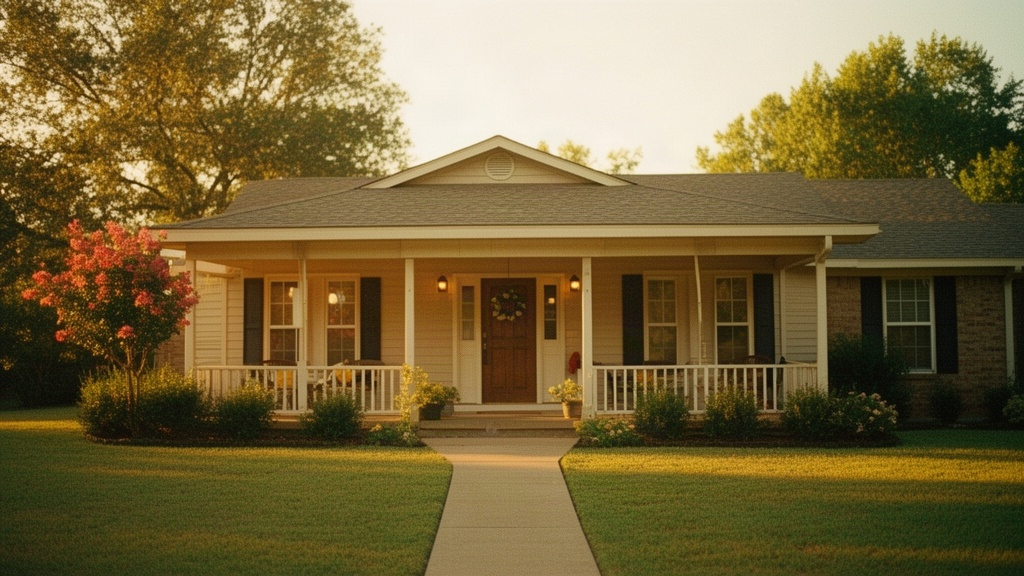
The Niagara Falls real estate market is active and competitive in September 2026, with balanced conditions favouring prepared buyers. After several years of sharp price increases across Ontario, the Niagara Falls market has settled into a more measured pace. Inventory has improved compared to the tight conditions of 2022 and 2023, which means buyers have more options and a bit more negotiating room than they did at the peak.
Prices and Inventory in September 2026
As of September 2026, the benchmark price for a detached home in Niagara Falls, Ontario sits in the low-to-mid $600,000 range, depending on the specific street and condition of the property. Townhouses and semi-detached homes are trading in the $480,000 to $560,000 range, while condominiums and stacked towns start around $350,000 and can reach $500,000 for newer units with river or falls views. These figures represent a modest softening from the 2022 peak but remain well above pre-pandemic levels, reflecting the sustained demand that comes with Niagara Falls being one of Ontario's most recognizable cities.
For the most current monthly statistics on listings, days on market, and price trends, the Niagara Real Estate Market Update publishes regional housing data that covers the Niagara Falls area specifically and is worth bookmarking if you are tracking the market over several months.
How Niagara Falls Compares to the Broader Niagara Region
Within the Niagara Region, Niagara Falls sits at a mid-range price point. St. Catharines, the region's largest city, tends to carry slightly higher prices for comparable properties because of its larger urban core and transit infrastructure. Welland and Port Colborne offer lower entry prices, while Niagara-on-the-Lake commands a significant premium due to its heritage character and wine country tourism draw. Niagara Falls offers a practical middle ground: a full-service city with its own hospital, big-box retail, GO Transit connections, and a wide range of housing stock at prices that are still accessible relative to the Greater Toronto Area.
2. Neighbourhoods and Areas to Know When Searching Homes for Sale in Niagara Falls
Niagara Falls, Ontario is a geographically large city with distinct pockets of housing, each with its own character, price point, and proximity to major roads and amenities. Understanding the layout before you start touring homes will save you time and help you focus your search. The city runs roughly from the Niagara River gorge on the east to the newer suburban developments near Forestview and Garner Road on the west, and from the border with Niagara-on-the-Lake in the north to the Welland River and Chippawa in the south.
Downtown and the Tourist Core
The area closest to Clifton Hill, Fallsview Boulevard, and the Horseshoe Falls is dominated by hotels, attractions, and commercial properties, but residential pockets do exist within a short walk. Streets like Ferry Street and Victoria Avenue have older detached homes, many of them century-old brick structures with original woodwork and deep lots. Prices here can be lower than the city average because of the mixed commercial zoning nearby, but buyers should review the zoning carefully, as some properties carry short-term rental permissions that affect how a home can be used and financed. The proximity to Queen Victoria Park, the Niagara Parkway, and the gorge trails is a genuine draw for buyers who want walkability and access to the river.
Stamford and the North End
The Stamford area, centred around Portage Road and McLeod Road in the north-central part of the city, is one of the most established residential sections of Niagara Falls. Housing here is primarily post-war bungalows, side-splits, and two-storey detached homes on lots that typically run 50 to 60 feet wide. Many of these homes have been renovated over the decades, and you will find a mix of move-in-ready properties and originals that offer renovation potential. The area sits close to Montrose Road and has easy access to the QEW, making it a practical location for buyers who commute toward Hamilton or the GTA.
Chippawa and the South End
Chippawa is a historic village that was incorporated into the City of Niagara Falls and sits along the Welland River near where it meets the Niagara River. The housing stock here includes a mix of older riverfront properties, newer infill builds, and some of the city's most recent subdivision development along streets like Willoughby Drive and Lyon's Creek Road. Buyers looking for larger lots, newer construction, or a quieter setting at the southern edge of the city tend to focus their search here. Prices for newer detached homes in the south end can reach the upper $600,000s and into the $700,000s for larger four-bedroom layouts.
Lundy's Lane Corridor
Lundy's Lane runs east to west through the middle of the city and is one of the primary commercial arteries, but the residential streets running off it, particularly to the north toward Morrison Street and to the south toward Thorold Stone Road, contain some of the city's most affordable detached housing. Homes in this corridor are frequently bungalows and raised bungalows from the 1950s through the 1980s, many with finished basements and attached garages added over the years. The area is well served by Niagara Falls Transit routes and is within a short drive of the Pen Centre shopping area across the border in St. Catharines.
3. Types of Homes for Sale in Niagara Falls and What They Cost
The city's housing stock is genuinely varied, which means buyers at different price points and with different space needs can all find something here. Understanding what each property type typically costs in September 2026 will help you set a realistic budget before you start touring.
Detached Houses
Detached homes make up the largest share of homes for sale in Niagara Falls and span the widest price range. A post-war bungalow on a 50-foot lot in the Stamford or Lundy's Lane area might list in the low-to-mid $500,000s. A fully renovated two-storey on a corner lot in the north end can push past $700,000. New builds in the south end subdivisions near Garner Road and Forestview Boulevard are generally priced from the mid-$600,000s to well over $800,000 for larger models with premium finishes. The city has a meaningful supply of detached homes compared to many Ontario cities its size, which gives buyers more options at each price tier.
Semi-Detached and Townhouses
Semi-detached homes and townhouses represent a strong middle ground for buyers who want more space than a condo but are working with a tighter budget than detached pricing allows. Freehold townhouses in newer subdivisions near Kalar Road and Garner Road are currently listing in the $490,000 to $560,000 range. Semi-detached homes in established areas like Drummond Road and the streets around Montrose Road tend to come in between $480,000 and $540,000. Condo townhouses, which carry monthly fees but lower purchase prices, can be found from the low $400,000s in parts of the city closer to the QEW interchange at McLeod Road.
Condos and Stacked Towns
Condominium apartments in Niagara Falls are a smaller segment of the market than in larger Ontario cities, but the supply has grown with several new builds completed in the Fallsview and downtown corridors over the past five years. Units in the Fallsview area with views of the Horseshoe Falls or the American Falls can command a premium, with some listings in newer towers reaching $500,000 to $600,000 for a well-positioned two-bedroom. More affordable condo options exist in older mid-rise buildings along Morrison Street and Stanley Avenue, where one-bedroom units can still be found under $380,000. Buyers considering condos in the tourist zone should ask specifically about short-term rental restrictions in the building's declaration, as rules vary significantly from building to building.
4. The Buying Process in Niagara Falls, Ontario: Step by Step
Buying a home in Ontario follows a defined process, and Niagara Falls has a few local specifics that are worth understanding before you start submitting offers. The steps below reflect the current market conditions in September 2026, where most well-priced properties receive multiple showings in the first week and competitive offers are still common on move-in-ready homes.
Getting Pre-Approved for a Mortgage
Pre-approval is the non-negotiable first step, and in a market like Niagara Falls where desirable homes move quickly, having a lender letter in hand before you tour is essential. Canadian mortgage rules require a stress test at a qualifying rate above your actual contract rate, which affects how much you can borrow. A licensed mortgage broker familiar with the Niagara market can help you understand exactly what you qualify for and whether a conventional or high-ratio insured mortgage applies to your situation. First-time buyers should also ask about the First Home Savings Account (FHSA) and the Home Buyers' Plan through RRSP, both of which can meaningfully reduce the cash you need at closing.
Working With a Local Agent
A local agent who knows Niagara Falls specifically, not just the broader Niagara Region, brings practical value that online listings cannot replace. They will know which streets back onto commercial properties or hydro corridors, which subdivisions have unresolved developer obligations, and which sellers are genuinely motivated versus testing the market. Surinder Singh has worked extensively in the Niagara Falls market and can give you a frank assessment of any property you are considering, including an honest read on whether the asking price reflects current conditions.
Making an Offer and Closing
Ontario offers are made on the standard OREA Agreement of Purchase and Sale form, and your agent will guide you through every clause. In September 2026, most offers in Niagara Falls include a home inspection condition and a financing condition, which give you a defined window to complete due diligence before you are firmly committed. The typical closing period runs 60 to 90 days, though sellers with flexible timelines may accept shorter or longer closings. Budget for land transfer tax (Ontario's provincial tax applies; there is no additional municipal land transfer tax in Niagara Falls, unlike in Toronto), title insurance, legal fees of roughly $1,500 to $2,000, and home inspection costs of $400 to $600.
5. Key Things to Know Before You Buy in Niagara Falls
Every city has its own set of practical considerations that matter once you actually live there. Niagara Falls has a few that are specific enough to be worth understanding before you commit to a purchase.
Commute Times and Transit
Niagara Falls sits approximately 130 kilometres from downtown Toronto by road, which translates to roughly 90 minutes to two hours by car depending on QEW traffic near Burlington and Oakville. GO Transit operates train service from Niagara Falls GO Station on a schedule that has expanded in recent years, with peak-direction service into Union Station in Toronto taking approximately two hours. The station is located near the corner of Bridge Street and Erie Avenue, which is accessible from most parts of the city. Within Niagara Falls itself, Niagara Falls Transit operates bus routes connecting major corridors, though most residents rely on a vehicle for daily errands. Hamilton is approximately 65 kilometres north on the QEW and takes 45 to 60 minutes under normal conditions.
Tourism Economy Considerations
Living in Niagara Falls means sharing the city with millions of tourists every year, and that shapes the local economy and real estate market in ways that are worth understanding. The tourism sector supports a large number of local jobs in hospitality, retail, and services, which contributes to the city's economic base. It also means that properties near Clifton Hill, Fallsview, and the casino district experience higher foot traffic and more commercial activity. For buyers considering properties in those zones, it is worth reviewing the city's zoning bylaws around short-term rentals, as the rules have been updated in recent years and affect what is permitted on a residential property.
Property Taxes and Costs
Niagara Falls property tax rates are set annually by the City of Niagara Falls and the Region of Niagara, and the combined rate in 2026 sits in a range that results in annual taxes of approximately $4,500 to $6,500 on a typical detached home assessed in the $500,000 to $650,000 range. The Municipal Property Assessment Corporation (MPAC) determines assessed values, which may differ from the current market price of a home. Buyers should request the current property tax bill as part of their due diligence, and your lawyer will review any outstanding tax arrears as part of the title search before closing. Utility costs in Niagara Falls are typical of Ontario municipalities, with natural gas heating being the most common system in detached homes.
If you are relocating from outside Canada or comparing markets across the border, note that the Niagara Falls, Ontario market is entirely separate from the Niagara Falls, New York market. The two cities share the falls and the border crossing but operate under completely different legal, financial, and regulatory frameworks. For reference on the American side, Realtor.com's Niagara Falls, NY listings give a sense of that market, but everything in this guide applies exclusively to the Canadian side.
FAQ
What is the average home price in Niagara Falls, Canada in 2026?
As of September 2026, the benchmark price for a detached home in Niagara Falls, Ontario is in the low-to-mid $600,000 range. Semi-detached homes and freehold townhouses are generally trading between $480,000 and $560,000, while condominiums start around $350,000 and can reach $500,000 or more for newer units in the Fallsview corridor. Prices vary significantly by neighbourhood, property condition, and lot size, so a local agent can give you a precise picture for the specific streets and property types you are considering. These figures represent current market conditions and will shift as inventory and buyer demand change through the fall season.
Is it a good time to buy a home in Niagara Falls, Ontario?
Market timing is personal and depends on your financial position, how long you plan to stay, and what you are buying. In September 2026, the Niagara Falls market is more balanced than it was at the 2022 peak, with more inventory available and less pressure to waive conditions compared to that period. Buyers currently have the opportunity to include home inspection and financing conditions in most offers, which reduces risk. If you are planning to stay in the home for five or more years, the decision is generally less about timing the market perfectly and more about finding the right property at a price your budget supports. Speaking with both a mortgage professional and a local agent will give you the clearest picture of what makes sense for your situation.
What should I look for when buying a home near the tourist zone in Niagara Falls?
Properties near Clifton Hill, Fallsview Boulevard, and the casino district sit in areas with mixed residential and commercial zoning, which affects how you can use the property and how lenders assess it. Some homes in these areas have short-term rental permissions, which can be an asset or a complication depending on your intentions. You should review the city's current zoning bylaws and any conditions attached to the specific property, and your lawyer should confirm the permitted uses before you finalize a purchase. Noise levels, foot traffic patterns, and proximity to commercial operations are all practical factors worth assessing during a daytime and an evening showing. A local agent familiar with the tourist corridor can flag specific streets where these considerations are most relevant.