
← Back to Blog
Buying
Luxury Home Market in the Niagara River Corridor: What Buyers Should Know
By Surinder Singh
THe canadian home
September 13, 2026 · 11 min read
The luxury home market in the Niagara River corridor is one of the most distinctive segments in all of Southern Ontario, shaped by waterfront access, historic architecture, and a level of demand that has shifted noticeably through 2026. If you are considering a high-end purchase in Niagara Falls, Canada, this guide covers what the market looks like right now, what properties are actually available, how pricing works, and what separates a well-informed luxury buyer from one who overpays or misses the right opportunity.
1. What Counts as Luxury in the Niagara Falls Market
In Niagara Falls, Canada, the luxury segment begins at roughly $1.2 million. That threshold sits well below what the word "luxury" implies in Toronto or Vancouver, which means buyers relocating from larger metros often find that their budget stretches considerably further here without sacrificing finishes, lot size, or location. The local definition is shaped by what the broader Niagara Falls market looks like: the median resale price across all property types currently sits in the mid-to-upper $500,000 range, so a property at $1.2 million or above represents a meaningful step up in both scale and specification.
How the Threshold Is Defined Locally
The luxury tier in Niagara Falls is not simply about price per square foot. It encompasses a combination of factors: direct or near-direct Niagara River frontage, custom construction or significant professional renovation, lot sizes that are uncommon in standard residential neighbourhoods (often half an acre or more), and features such as in-ground pools, finished coach houses, or panoramic escarpment views. Properties priced between $1.2 million and $2.5 million make up the bulk of this segment locally. True trophy properties, meaning those with direct riverfront exposure or exceptional historic pedigree, can push past $3 million.
Property Types in the Luxury Segment
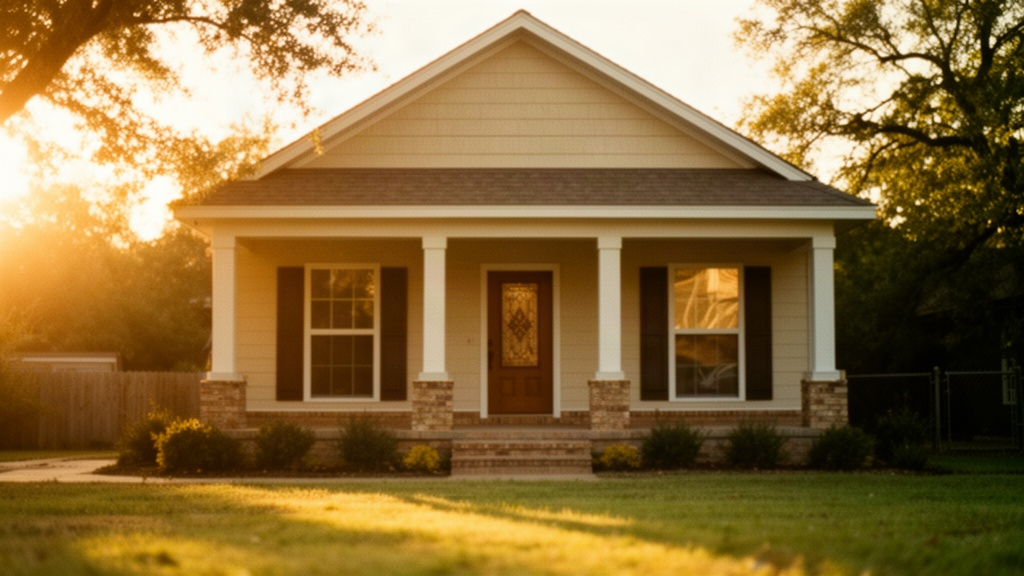
The luxury home market in the Niagara River area includes several distinct property types. You will find large detached homes on deep lots in established residential streets, century-old estate properties that have been modernized over successive decades, newer custom builds on the outskirts of the city near the Niagara Parkway, and a smaller number of high-specification condominium units near the tourist core with views toward the falls or the gorge. Each type carries different maintenance considerations, different insurance profiles, and different resale dynamics, so understanding which category you are buying into matters before you make an offer.
2. Current Market Conditions Along the Niagara River Corridor
The luxury segment in Niagara Falls is moving more slowly than the broader market right now, which works in a buyer's favour. Nationally, luxury buyer interest has grown significantly through 2026, with some data pointing to demand doubling in certain price brackets compared to 2024. That broader trend has reached Niagara Falls, but inventory in the $1.2 million-plus range remains thin, meaning well-priced properties still attract multiple interested parties while overpriced listings sit longer than sellers expect.
Pricing and Inventory as of September 2026
As of September 2026, active luxury listings in Niagara Falls, Canada typically number between 25 and 45 properties at any one time, depending on the season. That is a relatively shallow pool. Days on market for luxury homes currently averages between 45 and 75 days, compared to under 30 days for properties priced below $700,000. The gap between list price and sale price has widened slightly compared to late 2025, with many luxury sellers accepting between 3 and 7 percent below asking. That negotiating room is real, but it is not guaranteed on every property. Riverfront homes and those with irreplaceable lot positions continue to command prices close to list.
How Demand Has Shifted in 2026
A notable shift in 2026 is the move toward larger, more functional properties. According to reporting from Inman's 2026 luxury real estate trends analysis, buyers are prioritizing square footage, dedicated office space, and outdoor living areas over purely aesthetic features. That pattern is visible in Niagara Falls: properties with large finished basements, triple-car garages, and substantial rear yards are generating more interest than comparable homes on smaller lots. Buyers arriving from the Greater Toronto Area often cite the ability to get genuine space as a primary reason for the move.
Cross-border interest also plays a role in the Niagara Falls luxury market. American buyers from western New York, particularly from the Buffalo metro area, have historically shown interest in Niagara Falls properties, though currency fluctuations and current foreign buyer regulations under federal policy affect how that demand translates into actual purchases. Your agent should be current on those rules before you assume cross-border competition is a factor in any specific bidding situation.
3. Key Locations and What Each Offers Luxury Buyers
Location within Niagara Falls determines more about a luxury property's character than almost any other factor. The city stretches from the tourist core near the falls themselves southward along the Niagara River Parkway through residential areas and into the quieter village of Chippawa. Inland, the terrain rises toward the Niagara Escarpment, offering a completely different setting. Each zone has its own price dynamics, lot characteristics, and connection to the river.
Riverfront and Old Town Areas
Properties directly on or within a short walk of the Niagara River Parkway represent the top of the local luxury market. The Parkway itself is managed by the Niagara Parks Commission and is lined with mature trees, cycling paths, and maintained green space for its entire length through the city. Homes along this corridor benefit from the park-like setting without maintaining it themselves. In the area north of Chippawa and south of the tourist core, lot depths can reach 200 feet or more, with rear yards backing onto the parkway green space or, in rare cases, with direct water access to the Niagara River.
The older residential streets near the Drummond Road corridor and the streets running west from the Parkway contain some of the city's most substantial historic homes. Many were built between 1900 and 1940 and feature brick construction, original woodwork, and lot sizes that are rarely replicated in newer subdivisions. Buyers interested in this type of property should budget for thorough pre-purchase inspections, as homes of this age can carry deferred maintenance in roofing, electrical, and plumbing systems even when they appear well-kept.
Chippawa and the Southern Corridor
The Chippawa area at the southern end of Niagara Falls offers a quieter setting along the Welland River where it meets the Niagara. Luxury properties here tend to be newer construction or substantially renovated homes on larger lots. The area has a village character: local marinas, waterfront parks, and a slower pace than the tourist-heavy north end of the city. For a closer look at what day-to-day life looks like in this part of the city, the article on living in Chippawa covers the neighbourhood in detail. Prices in the luxury tier here typically run between $1.2 million and $1.8 million, with waterfront parcels pushing higher.
Stamford and the Escarpment Edge
The Stamford area and the streets that climb toward the Niagara Escarpment offer a different luxury proposition entirely. Here you find large custom homes on elevated lots, some with views across the lower city toward Lake Ontario on clear days. These properties are further from the river but offer privacy, larger lot coverage, and in many cases newer construction with modern mechanical systems. The Lundy's Lane corridor, which runs through the heart of this area, has seen ongoing commercial and residential development; the full picture of that market is covered in the Lundy's Lane real estate market guide. Luxury homes in the Stamford and escarpment-adjacent areas typically range from $1.1 million to $2.2 million depending on lot size, views, and build quality.
4. What Drives Luxury Pricing Along the Niagara River
Luxury pricing in Niagara Falls is not simply a function of square footage. Several location-specific and property-specific factors push values up or constrain them, and understanding those factors helps buyers evaluate whether a listing is priced appropriately or has room for negotiation.
Lot Position and Water Proximity
Proximity to the Niagara River or the Welland River is the single largest premium driver in the local luxury market. A property with direct river frontage can command 30 to 50 percent more per square foot than a comparable home two streets inland. Even being within one block of the Niagara River Parkway greenway adds a measurable premium because of the unobstructed views and the permanent open space that cannot be built over. Buyers should understand that true waterfront properties in Niagara Falls are rare: the Niagara Parks Commission controls much of the riverbank, so privately held riverfront parcels are genuinely scarce and hold their value accordingly.
Architectural Character and Age of Home
Historic homes with original architectural detail command a premium when they have been properly maintained or sensitively restored. Niagara Falls has a stock of large early-twentieth-century homes, many built when the city was an industrial and tourism hub of significant scale. A well-preserved example with updated systems, original hardwood floors, detailed millwork, and a large lot can fetch considerably more than a newer home of similar size with standard builder finishes. The inverse is also true: a historic home that has been poorly renovated, with mismatched additions or stripped-out original features, often sells at a discount relative to the market.
Proximity to Niagara Falls Amenities
Access to Niagara Falls' major amenities adds value, but the relationship is nuanced. Being within 10 minutes of the falls, the Niagara Parks system, the Scotiabank Convention Centre, Niagara-on-the-Lake wine country (approximately 20 minutes by car), and the border crossing to the United States makes the city attractive to buyers who want genuine connectivity. The QEW highway provides access to Hamilton in roughly 45 minutes and to Toronto in about 90 minutes under normal conditions. That commute profile matters to buyers who work remotely but travel periodically, which describes a growing share of the luxury buyer pool in 2026.
Property taxes are another pricing consideration that luxury buyers often underestimate. Niagara Falls' municipal tax rate applies to assessed value, and at the $1.5 million to $2.5 million range, annual property taxes can run between $12,000 and $22,000 depending on the specific assessment. For a full comparison of how Niagara Falls property taxes stack up against other regional municipalities, the article on property taxes in Niagara Falls provides the regional context you need before finalizing your budget.
5. What Luxury Buyers in Niagara Falls Need to Do Differently
Buying a luxury home in the Niagara River corridor requires a different approach than purchasing a standard resale property. The due diligence is more involved, the financing structures are different, and the pool of agents with genuine experience in this price range is smaller than it appears. Getting each of these elements right before you make an offer is what separates buyers who close well from those who encounter expensive surprises.
Due Diligence Specific to High-Value Properties
A standard home inspection is a starting point, not a complete picture, for luxury properties. At the $1.5 million-plus level, buyers should commission separate specialist inspections for structural elements, HVAC systems (particularly if the home has geothermal, radiant heat, or other non-standard systems), roofing, and any outbuildings or pools. For riverfront or near-water properties, a survey confirming lot boundaries and any easements held by the Niagara Parks Commission or the Niagara Peninsula Conservation Authority is essential. Flood plain mapping for properties near the Welland River in the Chippawa area is another document worth obtaining before conditions are waived.
Title searches on older properties in Niagara Falls occasionally reveal historical easements, right-of-way agreements, or heritage designations that affect what an owner can do with the property. A real estate lawyer with experience in Niagara Region transactions should review the title before you firm up any offer. The cost of that review is minimal relative to the purchase price and the potential complications it can surface.
Financing and Closing Considerations
Mortgage financing for luxury properties in Canada operates under different rules than standard residential mortgages. Properties priced above $1.5 million are not eligible for CMHC mortgage insurance, which means buyers must have a minimum 20 percent down payment and qualify under conventional lending criteria. At $2 million, that means a minimum of $400,000 in liquid funds for the down payment alone, before closing costs. Land transfer tax in Ontario applies at the provincial level, and at a $2 million purchase price, provincial land transfer tax adds approximately $36,475 to your closing costs. There is no additional municipal land transfer tax in Niagara Falls (that applies only in Toronto), which is a meaningful cost advantage for buyers comparing the two markets.
Appraisals on luxury properties can also be more complex. Lenders require an appraisal to confirm the property's value supports the mortgage amount, and in a market with limited comparable sales in the luxury tier, appraisers sometimes come in below the agreed purchase price. This is called an appraisal gap, and buyers should discuss with their mortgage broker how to handle it before making an offer, not after.
Working With the Right Local Expertise
The luxury home market in the Niagara River corridor rewards buyers who work with agents who actually know the local inventory. That means knowing which streets have the best lot positions, which listings have been sitting because of genuine issues versus poor pricing, and which sellers are genuinely motivated. It also means having relationships with the specialist inspectors, lawyers, and mortgage brokers who handle high-value transactions in this specific market. The National Association of Realtors has noted that luxury transactions require agents with a distinct set of skills and market knowledge compared to standard residential sales, and that holds true in a market like Niagara Falls where the luxury pool is small and every listing has its own story.
For buyers who are newer to the Canadian purchase process overall, the article on buying a home in Niagara Falls covers the full process, costs, and timeline from offer to close. Understanding that foundation makes the luxury-specific considerations easier to layer on top.
For a broader look at what the overall Niagara Falls real estate market looks like right now, the Niagara Falls real estate market guide provides context on pricing trends, inventory levels, and how the city's different areas compare at every price point.
FAQ
What price range defines the luxury home market in Niagara Falls, Canada?
In Niagara Falls, Canada, the luxury segment is generally considered to start at approximately $1.2 million. Properties in the $1.2 million to $2.5 million range make up the bulk of the high-end market, while truly rare offerings such as direct Niagara River frontage or exceptional historic estate properties can exceed $3 million. This threshold is lower than in Toronto or Vancouver, which means buyers relocating from those markets often find significantly more space and land for their budget. The specific price point that defines luxury shifts slightly with overall market conditions, so it is worth confirming current benchmarks with a local agent before you start your search.
Are there riverfront luxury homes available for purchase in Niagara Falls, Ontario?
True riverfront properties on the Niagara River are rare in Niagara Falls because the Niagara Parks Commission controls a large portion of the riverbank as protected green space. Privately held parcels with direct river access do come to market, but infrequently, and they tend to attract strong interest when they do. More common are properties within one or two blocks of the Niagara River Parkway, which offer views and proximity to the greenway without direct water frontage. In the Chippawa area at the southern end of the city, waterfront lots on the Welland River are more accessible and represent a different but appealing riverfront option. A local agent with active knowledge of the luxury inventory will know which properties are coming before they are publicly listed.
How long does it typically take to buy a luxury home in Niagara Falls, Canada right now?
As of September 2026, luxury homes in Niagara Falls are averaging between 45 and 75 days on market before an accepted offer, which is longer than the broader residential market. However, the total timeline from accepted offer to closing typically runs 60 to 90 days for luxury transactions because of the additional due diligence involved: specialist inspections, appraisals, title reviews, and in some cases, survey work. Buyers should also factor in the time needed to arrange financing, since conventional mortgages above $1.5 million require more underwriting documentation than insured mortgages. In total, a buyer who starts their active search today should plan for a realistic timeline of three to six months from initial search to possession, depending on how quickly the right property becomes available.