← Back to Blog
Market Trends
Saint Petersburg, Florida Real Estate Market Guide: Prices, Neighborhoods and Timing
By Susan Ross
REAL ESTATE SERVICES, MORTGAGE AND TITLE · BK# 3283805
September 1, 2026 · 11 min read
If you are trying to make sense of the Saint Petersburg, Florida real estate market, you are not alone. Prices have shifted, inventory has grown, and the timing question is more nuanced than it was two or three years ago. This guide covers current prices, what different parts of the city offer, and how to think about timing whether you are buying, selling, or relocating.
1. What the Saint Petersburg Market Looks Like Right Now
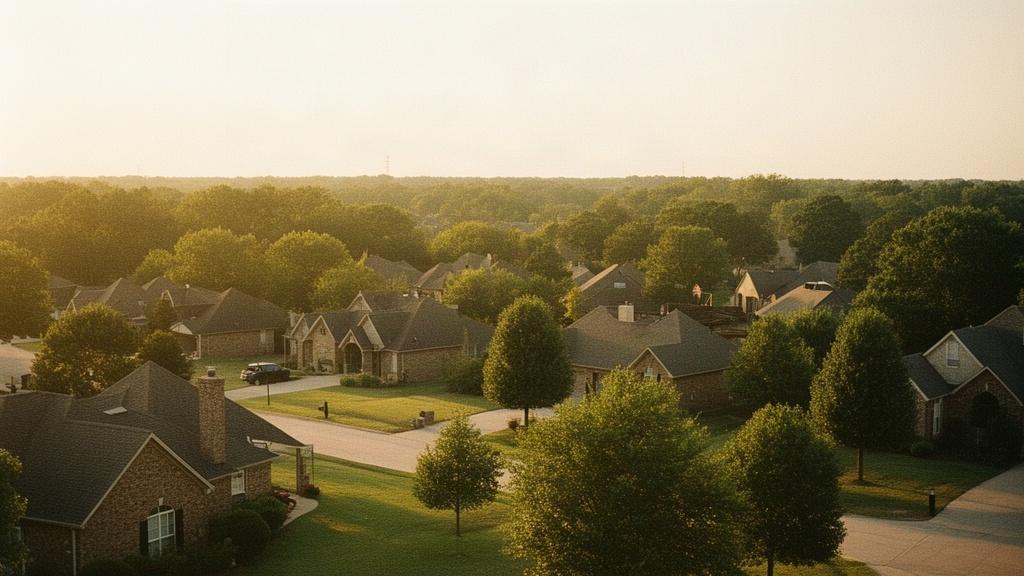
The Saint Petersburg, Florida real estate market in September 2026 is meaningfully different from the frenzied conditions of 2021 and 2022, but it is not a buyer's windfall either. It is a market in recalibration, with more choices for buyers and more pressure on sellers to price accurately from the start.
Median Prices and Inventory Levels
As of September 2026, the median sale price for a single-family home in Saint Petersburg sits in the low-to-mid $400,000s, with condominiums ranging widely from the upper $200,000s for older concrete-block units to well over $1 million for newer high-rise product along the waterfront. Active inventory has climbed compared to the same period in 2024 and 2025, giving buyers more options and longer time to decide. Homes are sitting on the market for an average of five to seven weeks before going under contract, compared to days during the peak years.
Price reductions have become more common across Florida broadly. According to reporting from HousingWire, nearly one in two home listings in Florida saw a price cut in recent months, a figure that reflects how much seller expectations have needed to adjust. Saint Petersburg is not immune to this trend, particularly in the condo segment and in flood-zone properties where insurance costs have become a significant factor.
How Saint Petersburg Compares to the Broader Tampa Bay Area
Saint Petersburg sits on the Pinellas Peninsula, which creates a geographic constraint that Tampa and its eastern suburbs do not have. There is a finite amount of land, and new construction is limited compared to areas like Wesley Chapel or Riverview. That constraint has historically supported prices even during softer periods. The city's walkable downtown, the Dali Museum, Tropicana Field's redevelopment corridor, and direct access to Tampa Bay and Gulf beaches give it a character that drives consistent demand from buyers relocating from out of state.
2. A Neighborhood-by-Neighborhood Look at Housing Stock and Price Ranges
Saint Petersburg is not one monolithic market. Prices, lot sizes, architecture, and flood risk vary block by block in some areas. Understanding those differences is one of the most important things a buyer or seller can do before making a move. If you want a deeper look at how individual neighborhoods compare on these variables, the St. Petersburg FL Homes for Sale Buyer's Guide on this site goes further into the search process itself.
Downtown St. Pete and the Waterfront Districts
The downtown core and adjacent neighborhoods like Old Northeast, Snell Isle, and Coffee Pot Bayou represent some of the highest price points in the city. Single-family homes in Old Northeast, with their Mediterranean Revival and Craftsman bungalows on brick-lined streets, routinely list in the $600,000 to $1.2 million range depending on size, renovation level, and proximity to the water. Snell Isle, a small island connected to the mainland by a causeway, features larger lot sizes and waterfront estates that can exceed $3 million. Condos in the downtown high-rise corridor along Beach Drive and First Street South range from the mid-$300,000s for one-bedroom units to over $2 million for penthouse-level product.
Walkability is a genuine feature here, not a marketing phrase. Residents can walk to the St. Pete Pier, Straub Park, Central Avenue restaurants, the Mahaffey Theater, and the Saturday Morning Market at Al Lang Stadium. That density of amenities within a short walk or bike ride is a consistent driver of demand in this corridor.
Historic Kenwood, Roser Park, and the Bungalow Belt
Historic Kenwood and the neighborhoods running along Central Avenue toward the Grand Central District contain some of the city's most recognizable bungalow architecture. Craftsman and Florida vernacular bungalows built between the 1920s and 1950s sit on 50-foot lots, typically offering 900 to 1,600 square feet. Prices in this corridor have ranged from the low $300,000s for unrenovated homes to the mid-$500,000s for fully updated properties with new roofs, kitchens, and HVAC systems. Roser Park, a designated historic district just south of downtown, features even more architectural variety and direct proximity to Mirror Lake.
These neighborhoods sit largely outside the highest-risk flood zones, which has become a meaningful factor in buyer calculations. Buyers should still verify flood zone designations for specific parcels through FEMA's flood map service, as conditions vary even within a single block.
Pinellas Point, Lakewood Estates, and the South End
The southern portion of Saint Petersburg stretches toward the Skyway Bridge and offers a different price profile. Pinellas Point and Lakewood Estates feature mid-century concrete-block homes on larger lots, often with 1,400 to 2,200 square feet of living space. Prices here have generally ranged from the mid-$200,000s to the low $400,000s, making this corridor one of the more accessible entry points into the city. Boyd Hill Nature Preserve sits near this area, offering 245 acres of trails, wetlands, and wildlife habitat that residents can access year-round.
Northeast St. Pete and Shore Acres
Shore Acres is a waterfront community in the northeast quadrant of the city, built on a series of finger canals that feed into Tampa Bay. Homes here are primarily mid-century block construction, ranging from 1,100 to 2,500 square feet, and prices have spanned from the mid-$400,000s for canal-front properties without direct bay access to over $1 million for homes on wider canals with boat lifts and bay views. Flood insurance is a significant cost factor in Shore Acres, and buyers should obtain insurance quotes before making an offer. The nearby Mangrove Bay Golf Course and the Northeast Park boat ramp are local amenities that draw consistent interest.
3. What Is Driving Prices in Saint Petersburg in 2026
Several forces are shaping the Saint Petersburg, Florida real estate market simultaneously, and understanding them helps both buyers and sellers make better decisions. For a detailed breakdown of forecasts and price trend data, the analysis at Norada Real Estate's St. Petersburg market report is a useful reference point for understanding the macro picture.
Insurance and Carrying Costs Are Reshaping Buyer Math
Homeowners insurance in Florida has risen sharply over the past several years, and Saint Petersburg is not exempt. Annual premiums for a mid-range single-family home can range from $3,000 to $8,000 or more depending on the home's age, construction type, roof condition, and flood zone designation. Flood insurance through the National Flood Insurance Program adds another $800 to $4,000 or more annually for properties in higher-risk zones. These carrying costs are now a central part of affordability calculations and have pushed some buyers toward properties in lower-risk flood zones, even if the purchase price is slightly higher.
Sellers in flood-prone areas have seen this dynamic affect both their buyer pool and their negotiating leverage. A home priced at $450,000 with $12,000 in annual insurance costs is effectively a different purchase than one priced at $475,000 with $4,000 in annual insurance. Buyers are doing that math, and sellers need to account for it in their pricing strategy.
New Construction and Condo Inventory
The condo market in Saint Petersburg deserves special attention in 2026. Following Florida's statewide building safety legislation enacted after the Surfside collapse, condominium associations in buildings three stories and taller are now required to complete structural integrity reserve studies and fund reserves accordingly. For older condo buildings, this has resulted in significant special assessment notices and monthly fee increases, which have pushed some owners to sell and created elevated inventory in certain buildings. Buyers considering a condo purchase should request the most recent reserve study, the current reserve funding level, and any pending special assessment notices before making an offer.
New construction condos and townhomes in the downtown core and along the 4th Street corridor have added supply at the higher end of the price range, giving buyers more leverage when negotiating on resale units in the same area.
4. Timing the Saint Petersburg Market: When to Buy and When to Sell
Timing in Saint Petersburg follows a recognizable seasonal pattern, though the current market adds some nuance that buyers and sellers should understand. If you are weighing the timing question specifically as a seller, the article Is Right Now a Good Time to Sell a House in Saint Petersburg, Florida or Should I Wait? covers that decision in detail.
The Seasonal Pattern in St. Pete
Saint Petersburg's busiest buying season runs from late January through April, when snowbirds and out-of-state visitors are in town and motivated to make decisions. Summer months, particularly July through September, see reduced buyer activity due to heat and hurricane season uncertainty. This creates a window for buyers who are willing to shop during the slower months: less competition, more room to negotiate, and sellers who have been on the market for a while and may be more flexible. Fall, particularly October and November, sees a secondary uptick as the weather cools and the next wave of seasonal visitors begins arriving.
What Sellers Need to Know About Pricing Strategy Right Now
Overpricing is the most common and most costly mistake sellers are making in the current Saint Petersburg market. With more inventory available, buyers are comparing multiple options and moving on quickly from homes that seem mispriced. A home that sits for more than three weeks without an offer is already accumulating the stigma of being a stale listing, which leads to lower offers and longer time on market. Sellers who price accurately from day one are still achieving strong results; the market has not collapsed, it has normalized.
Presentation also matters more than it did when inventory was thin. Homes with updated kitchens, newer roofs, and documented insurance histories are selling faster and closer to asking price than those with deferred maintenance. Buyers are conducting more thorough due diligence and are less willing to absorb unknown costs.
5. What Relocators Should Know Before Moving to Saint Petersburg
Saint Petersburg draws a significant number of buyers from the Northeast, Midwest, and West Coast, many of whom are purchasing without having spent extended time in the city. There are a few things that are genuinely different about buying here compared to most other U.S. markets, and knowing them in advance prevents expensive surprises.
Flood Zones and Due Diligence
Florida requires sellers to disclose known flood damage, but the flood zone designation of a property is something buyers must research independently. FEMA's flood map service center at msc.fema.gov allows anyone to enter an address and see the current flood zone designation. Properties in AE or VE zones require flood insurance if the buyer is using a federally backed mortgage, and even properties in X zones (considered lower risk) can still experience flooding. Relocators should also ask about the property's history of flooding and any elevation certificate on file, since a favorable elevation certificate can significantly reduce flood insurance premiums.
For buyers considering waterfront properties specifically, the due diligence process has additional layers. The article on real estate agents in Saint Petersburg who specialize in waterfront properties covers the expertise and questions that matter most in that segment.
Commute Times and Connectivity
Saint Petersburg connects to Tampa via two primary routes: Interstate 275 across the Howard Frankland Bridge and the Gandy Bridge on US-92. Under normal conditions, the drive from downtown St. Pete to downtown Tampa takes approximately 25 to 35 minutes. During peak morning and afternoon hours, that can stretch to 45 to 60 minutes on the Howard Frankland, which is undergoing a long-term expansion project. The Gandy route is often faster during peak hours but adds distance for drivers heading to the northern Tampa employment corridors. Pinellas County's SunRunner bus rapid transit line connects downtown St. Pete to St. Pete Beach along Central Avenue and First Avenue North, offering a car-free option for that corridor.
Relocators who work in Tampa, Clearwater, or other parts of Pinellas County should map their specific commute during peak hours before committing to a neighborhood. The peninsula's geography means that the distance between two zip codes can look manageable on a map but feel longer during rush hour, particularly if the route involves crossing one of the bridges. Buyers researching all of Pinellas County should also read the Houses for Sale in Pinellas County: What Buyers Need to Know Before Making an Offer guide for broader context on the county's submarkets.
6. How to Work With the Saint Petersburg Market, Not Against It
Whether you are buying, selling, or relocating, the Saint Petersburg, Florida real estate market rewards preparation. Buyers who understand flood zones, insurance costs, and condo reserve requirements are in a much stronger position to evaluate what a property is actually worth to them. Sellers who price based on current comparable sales rather than peak-year memories are closing faster and with fewer headaches.
Choosing the right agent is a significant part of that preparation. An agent who knows the difference between a Shore Acres canal-front property and a Snell Isle bayfront estate, who understands how to read a condo's reserve study, and who has seen multiple market cycles in this specific city is a different resource than a generalist. The article on how to find a good real estate agent in Saint Petersburg who actually knows the market walks through the questions worth asking before you commit to working with anyone.
FAQ
What is the median home price in Saint Petersburg, Florida right now?
As of September 2026, the median sale price for a single-family home in Saint Petersburg is in the low-to-mid $400,000s, though that number varies considerably by neighborhood. Waterfront areas like Snell Isle and Old Northeast push well above that figure, while the south end of the city and areas like Pinellas Point offer entry points in the $250,000 to $380,000 range. Condos span an even wider range, from the upper $200,000s for older units to over $2 million for newer high-rise product. Getting an accurate price picture for a specific neighborhood requires looking at recent comparable sales rather than citywide medians.
Is it a buyer's market or a seller's market in Saint Petersburg, FL in 2026?
The Saint Petersburg market in 2026 is closer to a balanced market, with conditions leaning slightly in favor of buyers compared to 2022 and 2023. Inventory has increased, homes are spending more time on the market before going under contract, and price reductions are more common than they were during the peak years. That said, well-priced, well-maintained homes in desirable areas are still selling competitively. The market is not uniform: single-family homes in lower flood-risk zones are holding value better than condos in older buildings with rising HOA fees and reserve assessment concerns.
What should I know about flood zones before buying in Saint Petersburg?
Flood zone designation is one of the most important factors in a Saint Petersburg home purchase, affecting both insurance costs and long-term resale value. Properties in FEMA AE or VE zones require flood insurance if financed with a federally backed loan, and annual premiums can range from under $1,000 to over $4,000 depending on the property's elevation and construction. You can look up any property's flood zone at FEMA's flood map service center using the property address. Buyers should also ask for any elevation certificate on file, since a certified elevation above the base flood elevation can substantially reduce flood insurance costs. Never assume a property's flood risk based on its street address alone; always verify the specific parcel.