
← Back to Blog
Neighborhoods
What Is It Actually Like to Live in the Arcadia Neighborhood of Phoenix Arizona Day to Day
By Azucena Reyes Sandoval
MY HOME GROUP
September 29, 2026 · 11 min read
If you are wondering what it is actually like to live in the Arcadia neighborhood of Phoenix Arizona day to day, the short answer is this: it is a walkable, citrus-tree-lined pocket of central Phoenix where mid-century ranch homes sit alongside renovated modern builds, and where most daily errands happen within a two-mile radius. This guide covers the housing stock, commute reality, grocery and dining options, parks, price ranges, and the small details that only come up after you have actually spent time on those streets.
1. The Physical Layout of Arcadia and What That Means Daily
Arcadia sits between central Phoenix and Scottsdale, roughly bounded by 44th Street on the west, 68th Street on the east, Camelback Road on the north, and Indian School Road on the south. That location is the single biggest factor in what daily life feels like here.
Where Arcadia Sits in Phoenix
Arcadia is not a city-designated neighborhood with hard legal boundaries. It straddles the Phoenix and Scottsdale city limits, which means some addresses carry a Phoenix zip code (85018 or 85008) and others carry a Scottsdale zip code (85251 or 85257). For most residents this distinction matters mainly for city utility bills and which municipality handles road maintenance. Day to day, the area feels continuous.
The neighborhood is almost entirely flat, which makes it easy to navigate by car, bicycle, or on foot. The street grid is predictable. Camelback Road and Indian School Road run east-west and carry most of the commercial traffic. The numbered streets run north-south. You can learn your way around in a weekend.
Streets, Lots, and the Citrus Grove Legacy
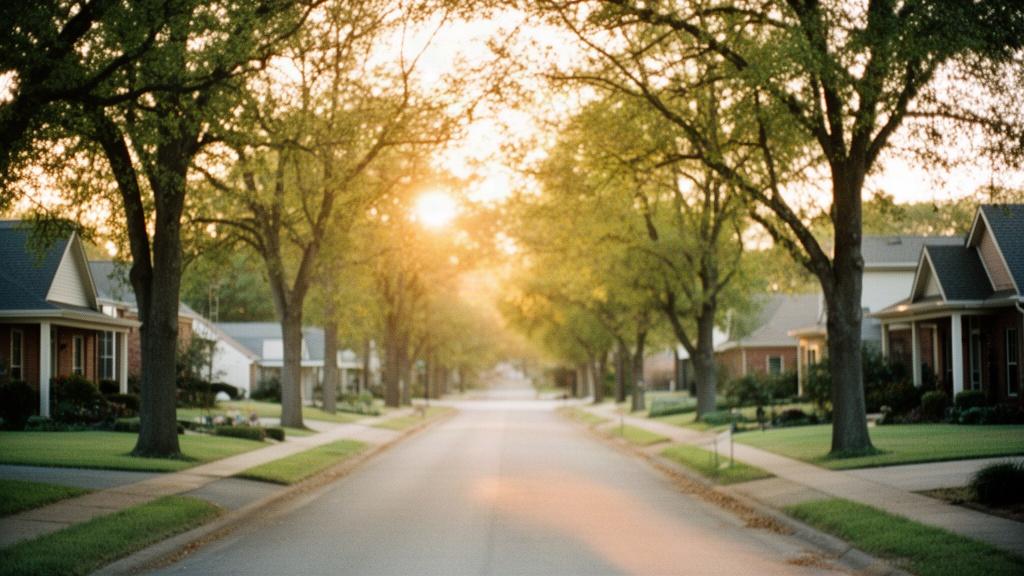
Arcadia was farmland before it became a residential neighborhood, and the citrus groves that covered the area in the early twentieth century left a visible mark. Many lots are larger than you find in most of central Phoenix, commonly running from 8,000 square feet up to a quarter-acre or more. Mature orange, lemon, and grapefruit trees still grow in front yards and along property lines throughout the area. Walking the streets in January and February, the smell of citrus blossoms is noticeable.
The tree canopy in Arcadia is denser than in most Phoenix neighborhoods, which provides meaningful shade during summer months. Streets like Arcadia Drive and Hazelwood Street are lined with mature trees that make a July afternoon on foot more bearable than it would be a few miles north or south.
2. Housing Stock, Home Prices, and What You Actually Get
Arcadia's housing market is one of the most discussed in the Phoenix metro, and for good reason: the price-per-square-foot is among the highest in the central city, yet the homes themselves span a wide range of sizes and conditions. Understanding what you are actually buying matters before you fall in love with a Zillow photo.
Architecture and Lot Sizes
The dominant housing style is the mid-century ranch home, built primarily between the late 1940s and the early 1970s. These are single-story, low-pitched roof homes with wide eaves, often featuring original terrazzo or hardwood floors, jalousie windows that have usually been replaced, and carports that were converted to garages by subsequent owners. Square footage on original homes typically runs from around 1,200 to 2,200 square feet.
Alongside the original ranch homes, you will find a significant number of tear-down rebuilds and full renovations. Developers have been active in Arcadia since the mid-2010s, replacing older homes with contemporary two-story builds that run 3,000 to 5,000 square feet and include pools, outdoor kitchens, and open floor plans. These new builds sit directly next to original 1950s homes, which gives some blocks an eclectic look.
Price Ranges in September 2026
As of September 2026, entry-level homes in Arcadia (smaller original ranch homes in original or lightly updated condition) are generally priced from the low $700,000s. Renovated mid-century homes with pools and updated kitchens typically list from $900,000 to $1.4 million. New construction and fully rebuilt homes on larger lots regularly exceed $2 million, with some properties on the north end of the neighborhood closer to Camelback Mountain pushing $3 million and above.
For context on how these prices compare across the broader Phoenix metro, the average home price guide for Phoenix in September 2026 breaks down median prices by area and property type, which helps frame what Arcadia's premium actually looks like relative to other parts of the city.
HOA Situation in Arcadia
Most of Arcadia is not governed by a homeowners association. The original neighborhood was developed before HOAs became standard, so the majority of single-family homes here have no monthly HOA dues and no architectural review board to approve paint colors or landscaping choices. A small number of newer subdivisions within the broader Arcadia area do have HOAs, so you need to confirm this for any specific property you consider.
If you are comparing Arcadia to newer master-planned communities elsewhere in Phoenix, the absence of an HOA is a meaningful difference. You can read about what HOA fees look like in newer Phoenix communities in this guide to HOA fees in Phoenix master-planned communities to understand what you are trading off.
3. Day-to-Day Commuting from Arcadia
Arcadia's central location is one of its most practical advantages. Most major employment centers in the Phoenix metro are reachable in under 30 minutes outside of peak congestion windows, though that number climbs during morning and evening rush hours.
Driving to Downtown Phoenix and Scottsdale
Downtown Phoenix is roughly 6 miles west of central Arcadia. On Camelback Road or Thomas Road with no traffic, that drive takes about 15 minutes. During weekday morning rush hour (roughly 7:00 to 8:30 a.m.), the same drive on surface streets can stretch to 25 to 35 minutes. Many Arcadia residents use the 202 Red Mountain Freeway or the I-10 to reach downtown faster, which adds a few miles but cuts time when surface streets are slow.
Old Town Scottsdale is about 3 to 4 miles east of Arcadia's eastern edge. That commute runs 10 to 15 minutes in normal conditions. The Scottsdale Fashion Square area, which anchors a large employment cluster including hospitality, retail, and office space, is similarly close. For anyone working in the Scottsdale Airpark corridor further north, the drive is around 20 to 30 minutes depending on time of day.
Public Transit and Biking
Arcadia is not served by the Valley Metro light rail. The nearest light rail stations are along Washington Street and Jefferson Street to the south and west, which requires a car or bus connection to access. Valley Metro bus routes do run along Camelback Road and Indian School Road, connecting Arcadia to the broader transit network, but most residents commute by car. If light rail proximity is important to your daily routine, you can compare options in the guide to Phoenix neighborhoods near the light rail.
Cycling is genuinely practical in Arcadia for short trips. The Arizona Canal path runs along the northern edge of the neighborhood and connects west toward central Phoenix and east toward Scottsdale. Many residents use this path for both recreation and practical commuting to nearby destinations. The flat terrain and the canal path together make Arcadia one of the more bikeable pockets of central Phoenix.
4. Groceries, Dining, and Running Errands in Arcadia
One of the most practical questions about any neighborhood is whether you can handle daily errands without a long drive. In Arcadia, the answer is largely yes, and the commercial corridors along Camelback Road and Indian School Road put most basics within a short drive or even a walk.
Where Arcadia Residents Shop
Grocery options within or immediately adjacent to Arcadia include a Safeway on Camelback Road, a Whole Foods Market on Camelback Road near 44th Street, and a Trader Joe's at the Biltmore Fashion Park area just west of the neighborhood. For specialty and international groceries, Sprouts locations in Scottsdale are a short drive east. A Target and several pharmacy locations sit along the main commercial corridors.
The Biltmore Fashion Park, just west of Arcadia at 24th Street and Camelback Road, adds a layer of retail and services that residents use regularly. It includes clothing stores, restaurants, a Macy's, and specialty shops. Most Arcadia residents can reach it in under 10 minutes by car.
The Restaurant and Coffee Scene
Arcadia has developed a dense restaurant scene along its main corridors, particularly on Camelback Road between 44th and 56th Streets. Postino Wine Cafe, which started in Arcadia and has since expanded across the Southwest, originated at the corner of 40th Street and Campbell Avenue and remains a neighborhood gathering point. The Vig on 40th Street is another long-standing local spot with a large patio and a menu that draws a consistent lunch and dinner crowd.
For coffee, several independent cafes operate within the neighborhood, including Cartel Coffee Lab, which has a location in the area and is a Phoenix-rooted brand with a strong following. The density of food and drink options means that Arcadia residents rarely need to leave the immediate area for a weeknight dinner or a weekend brunch. This is part of what makes the day-to-day experience here feel different from many other Phoenix neighborhoods where dining requires a longer drive.
For a broader look at how Arcadia compares to other Phoenix neighborhoods on factors like housing type and location, the Phoenix neighborhoods housing and prices guide provides useful context across the metro.
5. Parks, Outdoor Space, and What You Do on Weekends
Outdoor access is one of the defining features of daily life in Arcadia. The neighborhood's position at the base of Camelback Mountain means that one of the most-used hiking destinations in the entire Phoenix metro is essentially in the backyard.
Camelback Mountain Access
Camelback Mountain rises to 2,704 feet and sits directly north of Arcadia's upper boundary. The Echo Canyon trailhead on the mountain's west side and the Cholla trailhead on the east side are both reachable from central Arcadia in under 10 minutes by car. The Echo Canyon Trail is 1.2 miles to the summit with significant elevation gain; the Cholla Trail is 1.7 miles and considered slightly more gradual. Both trails are heavily used on weekend mornings, and parking fills by 7:00 a.m. on Saturdays and Sundays during cooler months.
The proximity to Camelback Mountain shapes the rhythm of weekend mornings for a large portion of Arcadia residents. Early hikes followed by breakfast at one of the nearby restaurants is a common Saturday pattern. The mountain also creates a visual anchor that is visible from most streets in the northern half of the neighborhood.
Local Parks and Canal Paths
Arcadia Park, located near 52nd Street and Indian School Road, is the primary neighborhood park within the area. It includes a playground, ramadas, grass areas, and a small lake. The park is operated by the City of Phoenix and serves as a gathering point for the surrounding streets. Arcadia Park also hosts community events periodically throughout the year.
The Arizona Canal path runs east-west along the northern edge of the neighborhood near Camelback Road. This paved multi-use path is managed by the Salt River Project and stretches for miles in both directions, connecting Arcadia to Scottsdale's canal path system to the east and to central Phoenix paths to the west. Residents use it for running, cycling, and dog walking throughout the week. It is one of the most-used pieces of linear outdoor infrastructure in this part of the metro.
6. Schools and What to Research on Your Own
School assignment in Arcadia depends on which side of the Phoenix or Scottsdale city boundary your specific address falls on, and which school district serves that parcel. Portions of Arcadia are served by the Scottsdale Unified School District, while other portions fall within the Phoenix Union High School District or the Madison Elementary School District. Because boundaries shift and individual addresses can fall in different zones, you should verify the exact school assignment for any property you are considering.
School assignment can be confirmed by checking the boundary maps published on each district's own website, which is the most reliable way to determine which schools serve a specific address. School assignment is a personal decision that deserves direct research rather than relying on general neighborhood descriptions.
7. The Honest Trade-Offs of Living in Arcadia
No neighborhood is a perfect fit for every buyer, and understanding what Arcadia does not offer is as useful as knowing what it does. Here is a clear-eyed look at the practical realities, drawn from what the area's physical characteristics and market data actually show.
Price is the most obvious barrier. With entry-level homes starting in the low $700,000s as of September 2026, Arcadia is not accessible to buyers working with a moderate budget. The premium reflects the location, lot sizes, and the ongoing demand from buyers who want central Phoenix proximity with more outdoor space than a typical urban infill neighborhood provides.
Parking and traffic on the commercial corridors can be frustrating. The stretch of Camelback Road running through and adjacent to Arcadia carries heavy traffic during peak hours, and the restaurant-dense blocks around 40th Street can be congested on weekend evenings. Parking lots at popular spots fill quickly on Friday and Saturday nights.
Older homes come with older systems. Many of the original ranch homes in Arcadia have aging plumbing, electrical panels, and HVAC systems. A thorough inspection is essential. Buyers who purchase an original home expecting move-in-ready condition without a budget for updates often encounter surprises. This is especially true for homes that have not been fully renovated.
Summer heat is the same as everywhere else in Phoenix. The tree canopy and canal path make outdoor activity more bearable than in some parts of the city, but July and August temperatures still regularly exceed 110 degrees Fahrenheit. Most outdoor activity shifts to early morning or evening during those months. A functional pool is a significant asset for Arcadia homes during summer, and most renovated homes include one.
For a detailed look at what Arcadia life looks like from a real estate perspective, Arcadia AZ Life Today on historicphoenixdistricts.com provides historical context alongside current neighborhood conditions.
FAQ
What is it actually like to live in the Arcadia neighborhood of Phoenix Arizona day to day in terms of noise and activity?
Arcadia's residential streets are generally quiet on a daily basis. The noise level picks up along Camelback Road and Indian School Road, which carry consistent traffic throughout the day, but the interior streets of the neighborhood are largely insulated from that corridor noise. The restaurant and bar scene along 40th Street and Camelback Road generates pedestrian and vehicle activity on weekend evenings, which is noticeable for homes within a block or two of those intersections. Most of the neighborhood's interior blocks feel suburban in pace and volume, with the citrus trees and mature landscaping adding a buffer between properties.
Is Arcadia Phoenix a good place to buy a home as an investment in 2026?
Arcadia has maintained strong demand from buyers over the past decade, which has supported consistent price appreciation relative to the broader Phoenix metro. As of September 2026, the neighborhood continues to attract buyers willing to pay a significant premium over metro-wide medians, which reflects the combination of central location, lot sizes, and the established character of the area. Whether a specific property represents a sound investment depends on the condition of the home, the price paid relative to comparable sales, and your holding timeline. A local agent with specific knowledge of Arcadia's micro-market can help you evaluate individual properties against recent comparable sales before you make an offer.
How do property taxes work for homes in Arcadia Phoenix?
Property taxes for Arcadia homes are calculated based on the assessed value set by Maricopa County, which applies to both Phoenix-addressed and Scottsdale-addressed properties within the neighborhood. Arizona assesses residential properties at 10% of full cash value for primary residences, and the tax rate applied to that assessed value depends on the specific taxing districts that serve the parcel, including the city, the school district, and special districts. Given that Arcadia home values are among the higher ranges in central Phoenix, the resulting annual tax bills are correspondingly higher in dollar terms than for lower-priced homes, even though the rate structure is the same. For a detailed breakdown of how Phoenix property taxes are calculated, the guide on this site covers the mechanics step by step.