
← Back to Blog
Local Living
Living in Scottsdale Arizona: A Practical Guide for Home Buyers and Relocators
By Azucena Reyes Sandoval
MY HOME GROUP
October 10, 2026 · 6 min read
Living in Scottsdale Arizona offers a wide range of housing types, from gated golf-course estates to one-bedroom condos near Old Town. This guide explains Scottsdale housing stock, commute distances into Phoenix, key parks and amenities, and what to check when buying or selling here.
1. What Scottsdale Is Like in Plain Terms
Quick answer. Scottsdale is an independent city inside the Phoenix metro with a wide variety of homes, from single-level ranch houses to luxury estates in the McDowell Mountains; it shares many services and commute corridors with Phoenix but has distinct planning zones and municipal codes.
Housing stock and architecture
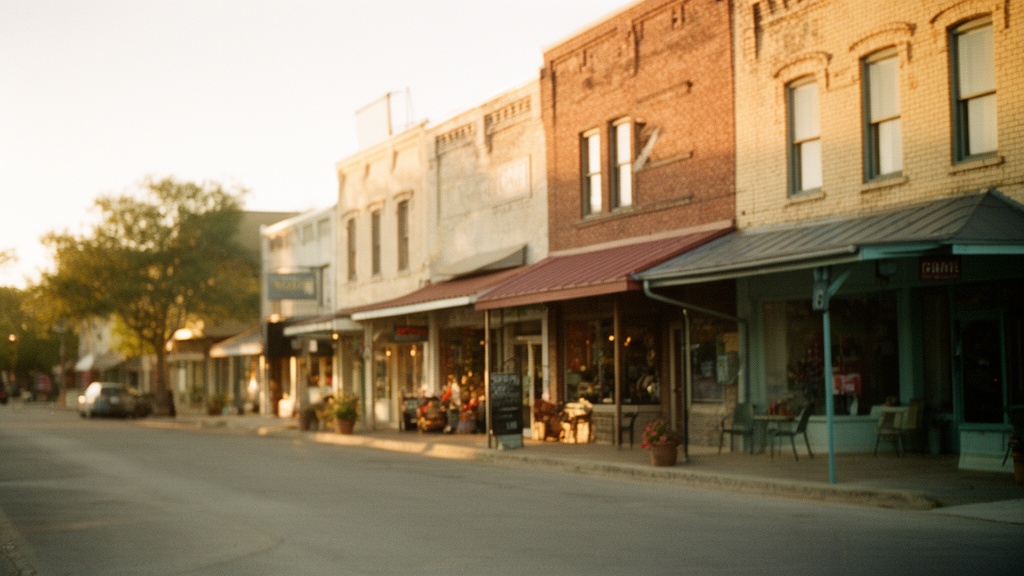
Housing mix. Scottsdale includes midcentury modern and ranch homes around neighborhoods like Camelback East, large single-family lots in South Scottsdale, gated luxury communities in North Scottsdale, and dense condos and townhomes concentrated near Old Town; many properties include desert landscaping and xeriscaping in yards to reduce water use.
Price bands and what they buy
Price ranges vary by neighborhood. In general, smaller condos near Old Town will list in a lower band than single-family homes on larger lots in central Scottsdale, while North Scottsdale includes some of the region's highest-priced properties and estates; when evaluating a property, check the sale prices of three to five recent, nearby comps within a mile and the same property type.
2. Neighborhoods and Local Features to Know
Quick answer. Scottsdale's neighborhoods each have clear physical distinctions: Old Town has walkable retail and condos, North Scottsdale has large lots and desert preserves, McCormick Ranch centers on lakes and golf courses, and South Scottsdale transitions toward more modest lots and older urban fabric.
Old Town Scottsdale
North Scottsdale and McCormick Ranch
South Scottsdale and edges
Core features. South Scottsdale includes older subdivisions and small-lot neighborhoods that lead toward central Phoenix. Lot sizes and home ages are useful to compare when pricing a property here.
3. Daily Life Details: Commute, Parks, Shopping, and Healthcare
Quick answer. Expect a range of commute distances depending on where you live in Scottsdale, strong access to outdoor recreation, and concentrated commercial corridors along Scottsdale Road and Scottsdale Fashion Square for shopping and services.
Commute and access
Commute ranges. A drive from central Scottsdale to Downtown Phoenix is commonly 15 to 25 miles depending on route, and typical drive times vary with rush hour; if you work in Tempe or central Phoenix map your daily route at peak times before committing to a neighborhood.
Parks, trails, and outdoor access
Outdoor options. Scottsdale maintains multiple city parks, access to the McDowell Sonoran Preserve on the north side, and several golf courses. Popular public green spaces include the Scottsdale Waterfront and Indian School Park, while trailheads into the McDowell range are within a 10 to 30 minute drive from many northern neighborhoods.
Shopping and medical centers
Retail and healthcare notes. Scottsdale Fashion Square is the region's major mall and retail hub; there are also stand-alone medical centers and urgent care options in Scottsdale and nearby Phoenix. When evaluating a property, consider drive times to your preferred grocery stores and medical providers.
4. Practical Steps for Buyers and Sellers in Scottsdale
Quick answer. Buyers should assemble comparable sales, utility history, and HOA documents; sellers should prepare accurate property disclosures and consider targeted updates that return the most value for Scottsdale buyers.
What buyers should pull for comparable sales
Comparable checklist. Pull three to five recent sales within one mile, matched by property type and lot size. Include closed price, sale date, square footage, bedroom and bathroom counts, lot acreage, and any recorded pool or view premiums. Compare condition notes and age of major systems when possible.
Home prep and staging notes for sellers
High-return fixes. In Scottsdale, curb appeal often means clean, water-wise landscaping, repaired pool equipment, and refreshed paint on trim and doors. Provide clear HOA documents early when applicable, and keep routine maintenance receipts handy for buyers to review.
Key questions to ask a local agent
Agent interview points. Ask for three recent comparable sales the agent used to price a listing, an example marketing plan for your property, and recent sale-to-list ratios in the neighborhood. Request a timeline for closing based on current lender and title company feedback.
5. Costs, Taxes, and Local Rules to Check
Quick answer. Review HOA dues, property tax statements, typical utility bills, and municipal permit requirements for pools or major remodels before you buy or list a home in Scottsdale.
HOAs, fees, and documents
HOA prevalence. Many Scottsdale subdivisions have active HOAs, some with amenities like private parks, golf access, or gate security. Request the full HOA packet, recent budgets, reserve studies, and any pending special assessments as part of your due diligence.
Property taxes and utilities
Tax and bill checks. Pull the most recent property tax bill from the Maricopa County assessor to confirm exemptions and tax amounts. For utilities, request two to twelve months of water and electric bills to estimate seasonal costs, especially if the house has a pool or irrigation system.
Permits, setbacks, and pool regulations
Permit basics. Scottsdale requires permits for many exterior remodels and for installed pools, and there are setback rules that vary by zoning. Check recent permits with the City of Scottsdale online records before assuming any work was permitted.
6. Closing Tips and Local Resources
Quick answer. Use local title companies with Scottsdale experience, order early HOA and permit documents, and schedule inspections that focus on desert-specific items such as roof flashings, pool equipment, and irrigation systems.
Inspect for desert-specific issues
Inspection focus. Ask inspectors to check evaporative coolers if present, pool pumps and heaters, irrigation controllers, and any evidence of past monsoon water intrusion around foundations. These items are common in Scottsdale homes and affect maintenance budgets.
Use local data sources
Where to verify facts. Confirm permit history with the City of Scottsdale portal, review Maricopa County assessor records for tax history, and request HOA documents directly from the association or management company before closing.
- Bring these to inspections: roof, pool, irrigation, HVAC, and pest reports
- Request HOA packet and recent meeting minutes
- Pull three to five comps within one mile matched by bed/bath and lot size
Local expert note. If you are considering living in Scottsdale Arizona and want an agent familiar with the city's subdivisions, permit process, and typical inspection issues, I can prepare neighborhood-specific comps and a custom checklist for showings and open houses.
FAQ
Is Old Town Scottsdale the same as downtown Scottsdale?
Old Town Scottsdale refers to the area with concentrated retail, galleries, and nightlife along Scottsdale Road and Main Street; downtown Scottsdale can be used interchangeably in casual conversation but some city maps use different planning boundaries. If you want exact parcel boundaries, check the City of Scottsdale zoning maps or ask a local agent to pull the official neighborhood map.
How do I check property tax history for a Scottsdale home?
Retrieve the property's tax statements via the Maricopa County Assessor website using the parcel number or address. The assessor records include assessed value, exemptions, and payment history which are useful for budgeting and for verifying any differences between assessed and market values.
What should I ask about HOA rules before buying in Scottsdale?
Request the complete HOA packet including CC and Rs, recent budgets, reserve study, meeting minutes, and any notices of pending assessments. Verify rules that affect your plans such as exterior paint restrictions, rental caps, and pet rules. If you plan renovations, confirm approval timelines and architectural review requirements.