
← Back to Blog
Market Trends
Phoenix, Arizona Real Estate Market Guide: Prices, Neighborhoods and Timing
By Azucena Reyes Sandoval
MY HOME GROUP
September 29, 2026 · 10 min read
If you are buying, selling, or relocating to Phoenix, Arizona, understanding the current market is the difference between a confident decision and an expensive mistake. This Phoenix, Arizona real estate market guide covers where prices stand right now in September 2026, what the housing stock looks like across the city's distinct areas, and how to think about timing your move in a market that has shifted considerably over the past year.
1. Where Phoenix Home Prices Stand Right Now
The Phoenix metro median home price sits at approximately $430,000 in September 2026, a figure that reflects a market cooling from its 2022 peak but holding well above pre-pandemic baselines. For full detail on how that number breaks down by property type and zip code, see the current average home price breakdown for Phoenix.
Median Price Benchmarks Across the Metro
Price ranges vary sharply depending on which part of the Phoenix metro you are targeting. A single-family home in the 85085 zip code in north Phoenix, near the TSMC semiconductor campus, routinely lists between $480,000 and $650,000 for a three- to four-bedroom built after 2010. Move closer to the urban core, and a 1,400-square-foot block-construction home in a central Phoenix neighborhood like Encanto or Midtown can be found in the $350,000 to $450,000 range, depending on condition and lot size. Condos near the light rail corridor in downtown Phoenix start closer to $250,000, though supply there is limited.
The far west side, including areas around Laveen and the 85339 zip code, offers some of the lowest entry points in the metro, with newer three-bedroom homes sometimes priced in the low $300,000s. These areas carry longer commutes to employment centers but offer larger lots and newer construction for the price point.
What Price Cuts Signal About Negotiating Power
Price reductions have become a normal part of the Phoenix market in 2026. According to reporting from HousingWire, roughly half of Phoenix-area listings have seen at least one price cut in recent months. That does not mean sellers are desperate; it means the initial list price is often aspirational, and buyers who make offers below ask are not out of line. Watching how long a listing has been active and whether it has already been reduced gives you a clearer read on how motivated the seller is.
2. Phoenix Neighborhood Housing Stock: What You Actually Get for the Money
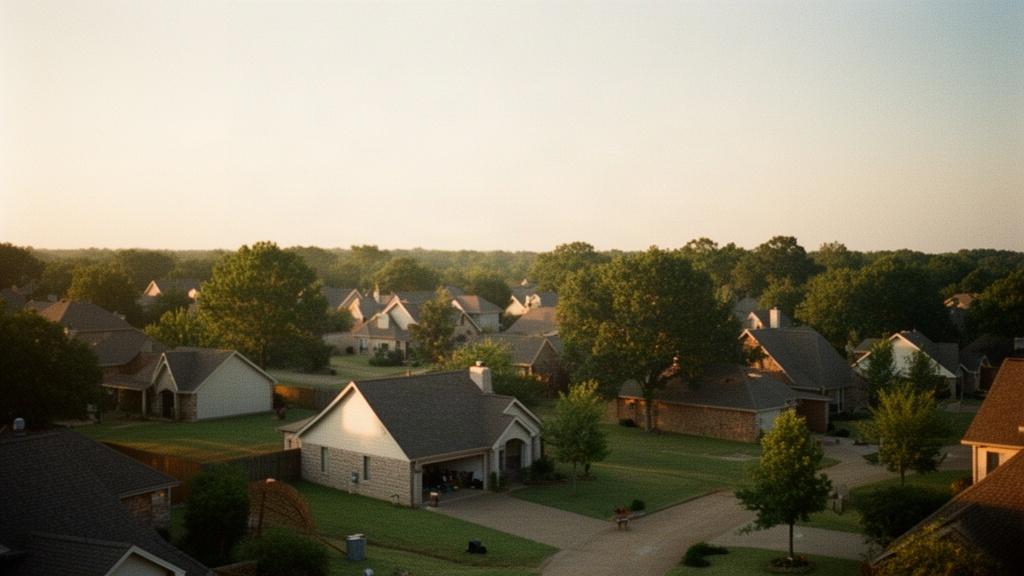
Phoenix is a sprawling city of roughly 520 square miles, and the housing stock changes dramatically from one area to the next. Understanding what you are actually buying, not just the price tag, is central to any useful Phoenix, Arizona real estate market guide.
Central and Inner-Loop Phoenix
Central Phoenix neighborhoods like Arcadia, Biltmore, Willo, and F.Q. Story contain some of the city's oldest housing stock, with many homes built between the 1920s and 1960s. You will find block construction, ranch-style layouts, and mature citrus trees on lots that can reach a quarter acre or more inside the city limits. Arcadia in particular is known for its irrigated lots and proximity to Camelback Mountain, with prices often exceeding $700,000 for updated homes. The tradeoff is that older homes can carry deferred maintenance, so inspection costs and repair budgets matter more here than in new construction areas.
If you want more on what day-to-day life looks like in one of Phoenix's most established inner-loop communities, the Arcadia neighborhood living guide goes into detail on walkability, dining, and the canal trail system.
North Phoenix and the 85085 Corridor
North Phoenix, roughly from Deer Valley Road up through the I-17 and Loop 303 interchange, has seen some of the fastest residential growth in the metro over the past decade. The housing stock is predominantly master-planned communities built after 2005, featuring stucco exteriors, two-car garages, and community amenities like pools, walking paths, and recreation centers. Subdivisions such as Dynamite Mountain Ranch, Norterra, and Fireside at Desert Ridge offer homes ranging from about 1,800 to over 3,500 square feet.
New construction continues to be active in this corridor, with builders like Toll Brothers, Meritage, and Taylor Morrison all operating active communities. If you are weighing a new build against an existing home in north Phoenix, the new construction developments guide for north Phoenix covers what is currently available and what to watch for in builder contracts.
West and Southwest Phoenix
Areas like Laveen, Tolleson, and the neighborhoods near the I-10 and Loop 202 interchange on the southwest side offer newer construction at lower price points than the north or east valley. Many homes here were built between 2015 and 2025, with open floor plans, energy-efficient windows, and HOA-managed streetscapes. Lot sizes tend to be smaller than in central Phoenix, typically between 4,500 and 7,000 square feet, but the homes themselves are newer and require less immediate maintenance. Commute times to downtown Phoenix run roughly 20 to 35 minutes depending on the specific location and time of day.
Tempe, Scottsdale and the East Valley Fringe
While Tempe and Scottsdale are separate cities, they share borders with Phoenix and many buyers consider them together when searching. Tempe contains a mix of 1960s and 1970s ranch homes near Arizona State University and newer infill construction closer to Tempe Town Lake. Scottsdale's south end, near Old Town, features luxury condos and townhomes often priced above $600,000, while the McDowell Road corridor offers older single-family homes in the $400,000 to $550,000 range. The east valley fringe of Phoenix itself, including areas near the South Mountain foothills in Ahwatukee, contains large-lot homes with mountain views and commute distances to downtown Phoenix of roughly 25 to 40 minutes.
3. Market Conditions: Is Phoenix Favoring Buyers or Sellers in September 2026?
Phoenix is currently in a balanced-to-slightly-buyer-favorable market in September 2026, though conditions vary by price tier and submarket. Homes priced below $400,000 still move relatively quickly, while the $600,000 and above segment is sitting on the market longer and seeing more negotiation.
Inventory Levels and Days on Market
Active listings across the Phoenix metro are running higher than they were in 2021 and 2022, which gives buyers more options and more time to make decisions. The average days on market for a single-family home in Phoenix proper is currently around 45 to 60 days, compared to under 20 days at the height of the pandemic-era frenzy. That extra time matters: it means buyers can conduct thorough inspections, request repairs, and negotiate seller concessions without losing the home to a competing offer in 24 hours.
National real estate analysts have noted that the broader housing market is fragmenting along regional lines in 2026, with Sun Belt cities like Phoenix showing more inventory and price softening than coastal markets. HousingWire's analysis of regional divergence in 2026 explains why local conditions in Phoenix look different from what you might read in national headlines.
Mortgage Rate Reality and Affordability Math
Mortgage rates remain the biggest constraint on Phoenix buyer demand in September 2026. With 30-year fixed rates hovering in the mid-to-upper 6% range, a $430,000 purchase with 10% down produces a principal and interest payment of roughly $2,700 per month before taxes and insurance. That is a meaningful number for households stretching to enter the market, and it explains why the sub-$400,000 segment is more competitive while higher price points have softened.
Phoenix property taxes add to the monthly carrying cost. Arizona's property tax system assesses residential properties at 10% of full cash value, and the effective rate across Maricopa County typically lands between 0.5% and 0.8% of purchase price annually, which is lower than the national average. For a full breakdown of how the calculation works, the Phoenix property tax guide walks through the math with real examples.
4. Timing Your Purchase or Sale in the Phoenix Market
Phoenix follows a seasonal real estate rhythm that is almost the inverse of northern cities. Understanding that rhythm is one of the most practical things any Phoenix, Arizona real estate market guide can offer, because it directly affects list prices, competition, and negotiating leverage.
The Seasonal Rhythm of Phoenix Real Estate
Phoenix's peak listing season runs from roughly January through April, when snowbirds are in residence, temperatures are pleasant, and out-of-state buyers visit to scout properties. Activity picks up again briefly in September and October as the brutal summer heat breaks and locals re-engage with the market. The slowest period for listings and buyer activity is typically June through August, when temperatures regularly exceed 110 degrees Fahrenheit and fewer people want to tour homes or move.
When Sellers Have the Upper Hand
Sellers who list between late January and late March tend to see the most buyer traffic and the strongest offers. Inventory is still relatively thin in early spring before the full wave of listings hits, and buyer demand from both local move-up purchasers and relocating buyers from California, Illinois, and the Pacific Northwest is at its highest. If you are planning to sell, getting your home on the market by mid-February positions you ahead of the spring inventory surge.
When Buyers Can Negotiate More Aggressively
September and October, the period we are in right now, represent one of the more buyer-friendly windows in the Phoenix annual cycle. Homes that did not sell during the spring and summer are often sitting with motivated sellers willing to negotiate on price, closing costs, or repairs. New listings coming to market in the fall face less competition from other buyers than they would in February or March. If you have been waiting for a better entry point, the next 60 to 90 days are worth acting on.
For buyers who want to use the light rail as part of their daily routine, the fall window is also a good time to look at urban and midtown options. There is a detailed breakdown of Phoenix light rail neighborhoods with homes under $400,000 that covers specific streets and price ranges near each station.
5. Costs Beyond the Purchase Price Every Phoenix Buyer and Seller Should Know
The sticker price of a Phoenix home is only part of the financial picture. Closing costs, ongoing HOA fees, and the choice between new construction and resale all affect the total cost of ownership in ways that are easy to underestimate.
Closing Costs, Property Taxes and HOA Fees
Phoenix buyers typically pay between 2% and 3% of the purchase price in closing costs, covering lender fees, title insurance, escrow, and prepaid items like homeowners insurance and property tax impounds. On a $430,000 purchase, that translates to roughly $8,600 to $12,900 due at closing on top of the down payment. The full closing cost breakdown for Phoenix buyers itemizes each line and explains which ones are negotiable.
HOA fees in Phoenix's master-planned communities range widely. Older established communities might charge $50 to $100 per month, while newer communities with resort-style amenities can run $200 to $400 per month or more. Some communities layer a community association fee on top of a sub-association fee, which catches buyers off guard. The HOA fees guide for Phoenix master-planned communities explains how to read the fee structure before you make an offer.
New Construction vs. Resale Tradeoffs
New construction in Phoenix currently comes with builder incentives that were rare two years ago, including rate buydowns, closing cost contributions, and design center credits. These incentives can reduce the effective cost of a new build meaningfully, but they are often tied to using the builder's preferred lender, which may or may not offer the most competitive rate. Always get an outside lender quote to compare.
Resale homes in established Phoenix neighborhoods offer mature landscaping, larger lots, and locations closer to the urban core that new construction simply cannot replicate. The tradeoff is that older mechanical systems, roofs, and HVAC units may need attention sooner. In Phoenix's climate, an HVAC system that is more than 12 to 15 years old is worth factoring into your offer price, since replacement costs run $8,000 to $15,000 depending on the size of the home.
FAQ
Is now a good time to buy a home in Phoenix, Arizona?
September 2026 is a reasonable window for buyers in Phoenix because inventory is higher than it was during the 2021 to 2022 peak, days on market have stretched out, and sellers are more open to negotiating on price and concessions. The main headwind is mortgage rates, which remain in the mid-to-upper 6% range and push monthly payments higher than they were when prices were similar a few years ago. Buyers who plan to stay in a home for at least five to seven years are better positioned to absorb short-term rate fluctuations than those with a shorter horizon. Working with a knowledgeable local agent to identify motivated sellers and negotiate effectively matters more in a market like this than in a frenzied seller's market.
What is the typical price range for a single-family home in Phoenix right now?
In September 2026, the Phoenix metro median sits around $430,000, but the range is wide depending on location and property type. Entry-level single-family homes in west and southwest Phoenix can be found starting in the low $300,000s, while central Phoenix neighborhoods with larger lots and older character homes typically run $380,000 to $550,000. North Phoenix master-planned communities with newer construction generally start around $450,000 and extend well above $600,000 for larger homes. Condos and townhomes near the light rail and downtown core offer lower entry points, sometimes starting below $275,000.
How long does it take to close on a home in Phoenix, Arizona?
A typical Phoenix home purchase takes 30 to 45 days from accepted offer to closing when financing is involved, assuming no major title or inspection complications. Cash purchases can close in as little as 10 to 14 days if all parties are motivated. Factors that extend timelines include appraisal delays, lender underwriting backlogs, and repair negotiations after the inspection period. New construction closings depend entirely on the builder's completion schedule, which can range from 30 days for a spec home to six months or more for a build-to-order. For a detailed look at the Phoenix closing timeline, the full guide on how long it takes to close on a house in Phoenix covers each stage of the process.