
← Back to Blog
Market Trends
Scottsdale, Arizona Real Estate Market Guide: Prices, Neighborhoods and Timing
By Azucena Reyes Sandoval
MY HOME GROUP
September 29, 2026 · 10 min read
If you are researching the Scottsdale, Arizona real estate market, you already know this is one of the most dynamic corners of the greater Phoenix metro. This guide covers current prices, the character of different Scottsdale neighborhoods, and what the calendar and market conditions mean for your timing as a buyer or seller in 2026.
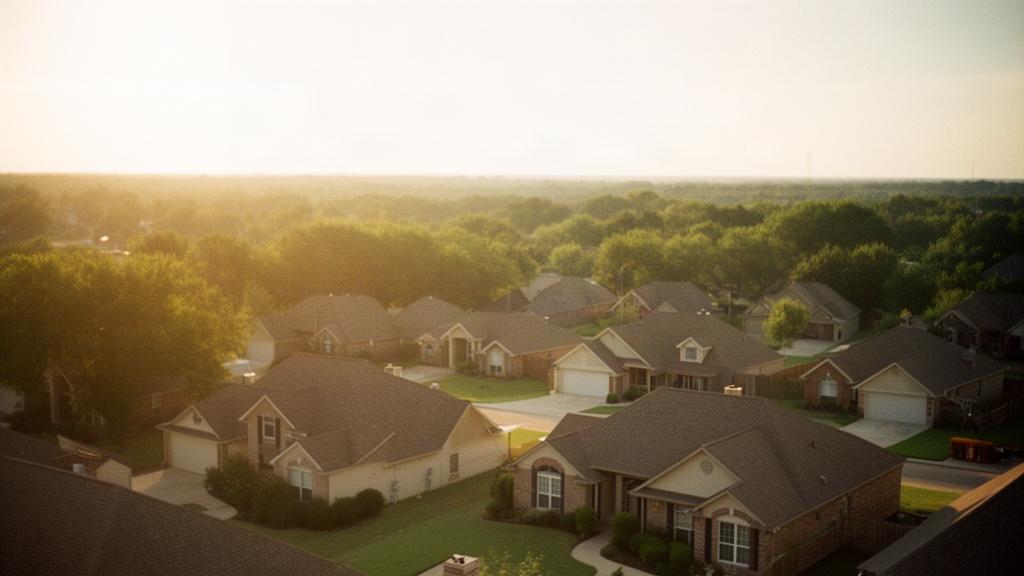
1. Scottsdale Housing Market Snapshot: September 2026
The Scottsdale, Arizona real estate market is operating in a more balanced state in September 2026 than it was during the frenzied years of 2021 and 2022, but it is not a buyer's market in the traditional sense. Demand from out-of-state relocators, remote workers, and retirees continues to keep absorption rates relatively tight across most price tiers.
Where Prices Stand Right Now
Median home prices in Scottsdale currently sit in the range of $775,000 to $830,000 depending on the zip code, with the broader metro context showing that Scottsdale runs roughly 60 to 80 percent above the Phoenix citywide median. Entry-level condos and townhomes in South Scottsdale and the 85251 zip code can be found starting around $380,000 to $450,000, while single-family homes in North Scottsdale's guard-gated communities regularly exceed $2 million. The spread is enormous, which is why neighborhood context matters more in Scottsdale than almost anywhere else in the Phoenix metro.
For a broader look at where Phoenix metro prices stand as a whole, the average home price in Phoenix as of September 2026 gives useful context for comparing Scottsdale's premium against surrounding cities.
How Inventory Has Shifted
Active listings in Scottsdale have increased compared to the historic lows of 2021 and 2022, but remain below pre-pandemic norms. Months of supply in the $500,000 to $900,000 range, which is the most contested tier, hovers around two to three months, meaning well-priced homes still move quickly. Above $1.5 million, supply is looser at four to six months, giving buyers in that tier more room to negotiate on price and terms.
What Is Driving Demand
Scottsdale's appeal extends well beyond its reputation as a resort destination. The city has attracted corporate relocations, a growing healthcare and bioscience presence, and a steady stream of buyers from California, Illinois, and the Pacific Northwest who are trading higher property tax burdens for Arizona's more favorable tax structure. As HousingWire has reported, the Scottsdale market is no longer driven primarily by seasonal or second-home buyers. Year-round demand has reshaped pricing dynamics across every neighborhood.
2. Scottsdale Neighborhoods: Housing Stock, Prices and What You Get
Scottsdale spans roughly 185 square miles from its southern boundary near Tempe all the way north to the Tonto National Forest. That geography means the housing stock, lot sizes, price points, and community character vary dramatically depending on which part of the city you are considering.
South Scottsdale
South Scottsdale, anchored by zip codes 85251 and 85257, contains the most affordable housing in the city. You will find a mix of 1950s and 1960s ranch homes on smaller lots, mid-century modern properties that have become increasingly popular with buyers who appreciate that architectural period, and a growing number of renovated condos and townhomes. Lot sizes in the older subdivisions typically run 6,000 to 9,000 square feet. Proximity to Tempe, Arizona State University, and the Loop 101 freeway makes this corridor convenient for commuters heading into central Phoenix or the East Valley.
Old Town and Central Scottsdale
Old Town Scottsdale, centered around Scottsdale Road and Camelback Road, is the cultural and commercial heart of the city. Galleries, restaurants, and the Scottsdale Arts District sit within walking distance of a dense cluster of condos and townhomes priced from roughly $450,000 to well over $1 million depending on size and finishes. Single-family homes in the Arcadia-adjacent streets of central Scottsdale, particularly those with views of Camelback Mountain, command significant premiums and often sell above $1.2 million even for modest square footage. Lot sizes here are typically smaller, with many properties in the 5,000 to 8,000 square foot range, but the walkability and access to amenities offset the tradeoff for many buyers.
North Scottsdale
North Scottsdale covers a large swath of the city north of Frank Lloyd Wright Boulevard and extends through communities like Grayhawk, Desert Ridge, DC Ranch, and Silverleaf. Housing here skews newer, with much of the stock built between 1995 and 2015, featuring desert contemporary architecture, private pools, and larger lots ranging from 8,000 square feet in planned communities to multiple acres in custom home enclaves. Median prices in North Scottsdale zip codes like 85255, 85266, and 85262 generally range from $900,000 to well above $2 million. The area also contains several master-planned communities with HOA structures that govern common areas, amenities, and architectural standards.
McDowell Mountain and the 85255 Corridor
The 85255 zip code, which includes parts of McDowell Mountain Ranch and the area around Pinnacle Peak, is one of the most consistently active segments of the Scottsdale market. Homes here often back to the McDowell Sonoran Preserve, which covers more than 30,000 acres of protected desert and offers direct trail access from residential streets. Properties with preserve views or backing lots typically carry a 10 to 20 percent premium over comparable homes without that exposure. Expect to find four-bedroom, three-bathroom homes in the 2,400 to 3,200 square foot range priced between $900,000 and $1.4 million in this corridor.
3. Scottsdale vs. Phoenix: How the Two Markets Relate
Scottsdale and Phoenix share a border and a metro economy, but their real estate markets behave differently enough that buyers relocating to the area should understand the distinction before committing to a search area.
Price Differences and What They Reflect
Phoenix proper offers more entry points under $500,000, particularly in neighborhoods along the light rail corridor and in areas like Laveen, Maryvale, and parts of North Phoenix. Scottsdale's lower price floor starts higher, but what buyers receive in return includes newer construction on average, larger lot sizes in many areas, and a denser concentration of resort-style amenities including golf courses, spa facilities, and open-air retail centers like Kierland Commons and Scottsdale Quarter. The price premium in Scottsdale is real, and buyers should evaluate whether those specific amenities align with how they plan to use the property.
When Scottsdale Makes More Sense Than Phoenix Proper
If your work is based in Scottsdale Airpark, the Loop 101 business corridor, or companies along Scottsdale Road north of the 101, living in Scottsdale eliminates a commute entirely. The Scottsdale Airpark is one of the largest employment centers in Arizona, with over 2,500 businesses and tens of thousands of jobs, so proximity has genuine practical value beyond lifestyle. For buyers whose office is in downtown Phoenix, the commute from North Scottsdale via the 101 to the 51 freeway runs 30 to 45 minutes in typical morning traffic, which is a real tradeoff to weigh against the Scottsdale price premium.
Buyers who want more home for their budget and are comfortable with a Phoenix address should also explore neighborhoods covered in the Phoenix neighborhoods guide, which covers housing stock and price ranges across Phoenix's most active areas.
4. Timing Your Move: When to Buy or Sell in Scottsdale
Timing in the Scottsdale market is shaped by a seasonal rhythm that is more pronounced here than in most other Phoenix-area cities, primarily because of the large number of seasonal residents and out-of-state buyers who visit in winter and early spring.
The Seasonal Rhythm of the Scottsdale Market
The Scottsdale market tends to heat up between January and April, when snowbirds and winter visitors are in town, open houses draw larger crowds, and sellers often receive stronger offers. May through August is slower, partly because of summer heat and partly because seasonal visitors have returned home. That summer window can be advantageous for buyers: fewer competing offers, sellers who have been on the market longer and may be more flexible on price, and a chance to evaluate the property in peak heat conditions before committing. September, which is where the market sits right now, represents a transition point as activity begins to build again ahead of the fall and winter season.
Rate Sensitivity and Affordability Windows
Scottsdale's higher price points make it more sensitive to mortgage rate changes than lower-priced markets. A one-percentage-point shift in the 30-year fixed rate on an $800,000 purchase translates to roughly $500 per month in payment difference, which is enough to move buyers in and out of qualifying ranges. According to Forbes Advisor's Arizona housing market analysis, rate fluctuations have had a measurable effect on buyer activity across Arizona's higher-priced markets, and Scottsdale is at the top of that list. Buyers who can lock a rate at a favorable moment gain a meaningful affordability advantage.
What Sellers Should Know About Listing Timing
Sellers who list between late October and early March historically see stronger showings and faster sales in Scottsdale than those who list in summer. However, listing in summer is not without merit: competition from other sellers drops significantly, and a well-priced, well-presented home can still sell quickly to the pool of year-round local buyers who are always active. Overpricing in any season is the most common mistake Scottsdale sellers make, particularly in the luxury tier where comps can be sparse and sellers anchor to peak 2022 values that no longer reflect current conditions.
5. Costs and Practical Steps Before You Commit
Buying in Scottsdale involves several cost layers beyond the purchase price that buyers, especially those relocating from out of state, frequently underestimate. Getting these numbers right before you make an offer prevents surprises at closing and in the first year of ownership.
Budgeting Beyond the Purchase Price
On a $900,000 purchase in Scottsdale, a buyer using conventional financing should budget approximately $18,000 to $27,000 in closing costs, depending on lender fees, title insurance, and prepaid items like homeowners insurance and property tax escrow. A full breakdown of what those line items include is covered in the closing costs guide for Phoenix area buyers, which applies equally to Scottsdale transactions.
HOA Fees, Property Taxes and Closing Costs
HOA fees in Scottsdale's master-planned communities vary considerably. A condo in a mid-rise building near Old Town might carry fees of $400 to $700 per month covering exterior maintenance, water, and amenities. A single-family home in a community like DC Ranch or Grayhawk might have a base HOA of $150 to $350 per month for community amenities, plus a sub-association fee for the specific neighborhood within the master plan. The HOA fee guide for Phoenix area master-planned communities explains how these structures work and what to look for in the HOA documents before you close.
Property taxes in Scottsdale are assessed at the Maricopa County rate applied to the property's limited cash value, which is typically below market value. On an $800,000 home, annual property taxes commonly run between $4,500 and $7,000 depending on the specific assessed value and any applicable exemptions. Arizona's primary residence exemption can reduce the assessed value ratio, so confirming your classification with the Maricopa County Assessor's office after closing is worth the effort. More detail on how Arizona property taxes are calculated is available in the Phoenix property tax guide published on this site.
How Long a Transaction Takes
A standard Scottsdale transaction using conventional financing typically closes in 30 to 45 days from an accepted offer. Luxury transactions above $1.5 million, which may involve jumbo financing, appraisal complexity, or additional due diligence on custom homes, can run 45 to 60 days. Cash purchases can close in as few as 10 to 15 days, which is a competitive advantage in multiple-offer situations. If you want a detailed look at what happens at each stage of the closing timeline in the Phoenix metro, the guide to how long it takes to close on a house in Phoenix walks through each milestone.
FAQ
Is Scottsdale, Arizona a buyer's or seller's market right now?
As of September 2026, Scottsdale is operating in a balanced to slightly seller-favoring market in the $500,000 to $1 million range, where months of supply remains below three months. Above $1.5 million, supply has loosened to four to six months, giving buyers more negotiating room in the luxury segment. The market is not as competitive as 2021 or 2022, but well-priced homes in desirable areas still attract multiple offers, particularly in the fall and winter season when out-of-state buyers are most active. Buyers should come prepared with pre-approval letters and a clear understanding of their target neighborhoods before making offers.
What is the most affordable part of Scottsdale to buy a home?
South Scottsdale, particularly zip codes 85251 and 85257, offers the lowest entry points in the city, with condos and smaller single-family homes starting around $380,000 to $450,000. This area contains a significant number of mid-century ranch homes and renovated properties that appeal to buyers who want a Scottsdale address at a more accessible price. The tradeoff is smaller lot sizes and older housing stock compared to North Scottsdale, but the location is convenient to Tempe, the Loop 101, and Old Town. Buyers willing to do some cosmetic updating can find solid value in this corridor.
How do Scottsdale schools work and where can I research them?
Scottsdale is served primarily by the Scottsdale Unified School District, with portions of the city also falling within the Cave Creek Unified and Paradise Valley Unified boundaries depending on the specific address. Because school district boundaries do not always follow city limits, verifying the assigned school for any specific property is essential before purchasing.