← Back to Blog
Selling
Selling a Home in Panama City Beach, Florida: What It's Best Known For, Pricing, Timeline and What to Expect
By Tammy Milan
Salty Marlin Realty
September 8, 2026 · 10 min read
Selling a home in Panama City Beach, Florida is best known for one thing that surprises most sellers: it is not like selling in a typical inland market. The combination of Gulf-front inventory, seasonal buyer patterns, and a condo-heavy housing stock creates a process that looks different from start to finish. This guide walks through current pricing realities, realistic timelines, and exactly what to expect at each stage of the sale.
1. What Makes Panama City Beach Different as a Seller's Market
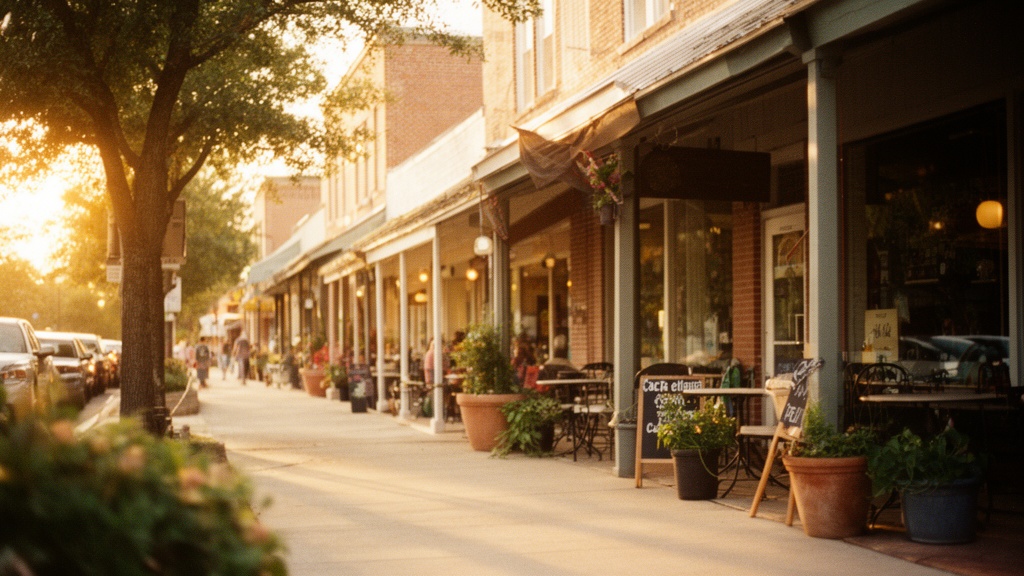
Panama City Beach operates on a different rhythm than most Florida markets. This is a coastal resort city where a large share of buyers are purchasing second homes, investment properties, or vacation rentals rather than primary residences. That single fact changes almost every part of the selling process, from how you price the property to which months attract the most activity.
A Resort Market With Its Own Rules
Buyers here often come from Alabama, Georgia, Tennessee, and the Midwest. Many are making decisions remotely, sometimes without visiting in person before submitting an offer. That means your listing photographs, video walkthroughs, and online presence carry more weight than they would in a market where buyers drive by on a Saturday afternoon.
Panama City Beach also sits along roughly 27 miles of Gulf shoreline, and buyers pay close attention to exactly where a property falls on that stretch. Distance from the water, floor level for condos, and proximity to landmarks like Pier Park, the Aaron Bessant Park amphitheater, or the Frank Brown Park recreation complex all factor into perceived value in ways that do not apply in a standard suburban neighborhood.
The Property Types You Are Actually Competing Against
The Panama City Beach housing stock is heavily weighted toward condominiums, particularly along Front Beach Road and the Gulf-front corridor. High-rise and mid-rise condo towers such as Laketown Wharf, Calypso Resort, and Emerald Beach Resort make up a significant portion of active inventory at any given time. Single-family homes are more concentrated in areas like the west end near Laguna Beach and the communities north of Back Beach Road.
If you are selling a condo, you are competing directly against other units in the same building or complex, sometimes dozens of them. Buyers will compare your unit against identical floor plans, so pricing precision and presentation quality matter more than almost any other factor. If you are selling a single-family home, your competition set is smaller but buyers tend to have stronger opinions about lot size, garage space, and proximity to the bay or Gulf.
For a deeper look at how the Pier Park corridor specifically affects pricing and buyer demand, see the Pier Park Area of Panama City Beach Real Estate Market Guide.
2. Pricing Your Home Correctly in Panama City Beach
Accurate pricing is the single most important decision you will make when selling a home in Panama City Beach, Florida. Price too high and you accumulate days on market, which triggers skepticism from buyers who wonder what is wrong with the property. Price at or just below market value and you attract serious buyers quickly, which can produce multiple offers and a stronger final sale price.
What the Numbers Look Like Right Now
As of September 2026, the Panama City Beach market has settled into a more balanced position after the sharp run-up of the early 2020s. Gulf-front condo units in established towers are trading in a wide range depending on floor, views, and square footage, with one-bedroom units generally starting in the low-to-mid $300,000s and larger three-bedroom Gulf-front units reaching well above $700,000 in buildings with strong rental histories. Single-family homes in the west end communities near Laguna Beach and the 30-A corridor approach start in the $400,000s for smaller lots set back from the water and climb steeply for canal-front or Gulf-view properties.
Inventory has expanded compared to the tight conditions of 2022 and 2023, which means buyers have more choices and are taking more time to decide. According to reporting from HousingWire on Florida's pricing realities, Florida homes are spending more time on market and price reductions are rising across the state. Panama City Beach is not immune to that trend. Sellers who priced aggressively in 2021 and 2022 could get away with it; that window has closed.
Why Overpricing Costs You More Than You Think
A listing that sits for 60 or 90 days in Panama City Beach develops a stigma. Buyers, especially those purchasing remotely, check days on market as a proxy for desirability. A property that has been listed for three months with no offers signals to them that something is off, even if the only issue was an inflated asking price from day one. By the time you reduce the price, you have often lost the initial wave of buyer interest that any new listing generates.
A proper comparative market analysis looks at closed sales within the same building or within a tight geographic radius, adjusts for floor level, view, renovation status, and HOA fees, and accounts for the current months-of-supply figure in your specific price tier. In a condo building, the relevant comps are often from the past 90 days within that exact building. A good agent will not simply pull neighborhood-wide averages and call it done.
For a broader look at how seller conditions have shifted across the Panama City Beach market, the Panama City Beach Real Estate Market Trends guide covers current supply, demand, and pricing movement in detail.
3. The Realistic Timeline for Selling in Panama City Beach
Most sellers in Panama City Beach should plan for a total process of 60 to 120 days from the moment they decide to list to the day they hand over keys. That range is wide because it depends heavily on property type, price point, and the time of year you go to market. A well-priced Gulf-front condo listed in February can go under contract in two to three weeks. A single-family home priced above $900,000 listed in October may sit for 60 days before attracting a serious offer.
From List Date to Closing: What to Plan For
Pre-listing preparation typically takes two to four weeks. This includes professional photography, any touch-up repairs, staging decisions, HOA document gathering, and getting your listing live on the MLS with full rental income data if the property has a vacation rental history. Buyers purchasing investment properties specifically want to see gross rental revenue figures, occupancy rates, and any existing booking commitments.
Once under contract, the closing timeline in Florida is typically 30 to 45 days for financed buyers and 14 to 21 days for cash buyers. Cash transactions are more common in Panama City Beach than in most markets because a meaningful share of buyers are investors or second-home purchasers who are not relying on a primary residence mortgage. Even so, the inspection period, title search, and HOA document review all need time, so do not count on a seven-day close even with an all-cash offer.
How Seasonality Shifts Your Timeline
The Panama City Beach buying season runs roughly from January through May, with a secondary burst of activity in September and October as summer crowds thin and serious buyers return.
Listings that go live in late January or February catch buyers who are planning their spring purchase and want to close before summer rental season begins. Listings that go live in June or July compete with peak tourist traffic and can actually attract impulse buyers who fell in love with the area during a vacation, but those buyers sometimes take months to get serious. November and December are the slowest months for buyer activity, though motivated buyers during that window tend to be highly qualified.
If your property has an active vacation rental calendar, timing the sale around existing bookings is a real consideration. Buyers who want to take over a rental business prefer a clear calendar, while buyers who plan to use the property personally may not care. Your agent needs to understand both scenarios to position the listing correctly.
4. Preparing Your Home for the Panama City Beach Market
Preparation in a coastal resort market is not the same as staging a home in a traditional neighborhood. Buyers here are often comparing your property against polished vacation rental listings they have already browsed on short-term rental platforms. The bar for presentation is higher than many sellers expect.
Presentation Standards in a Vacation and Second-Home Market
Professional photography is non-negotiable. Drone footage showing the Gulf view, the pool deck, and the building's proximity to the beach adds context that interior shots alone cannot provide. Video walkthroughs matter because a large share of buyers will make their first serious evaluation of your property from a hotel room in Atlanta or a living room in Nashville, not from a local showing.
Inside the unit or home, the Gulf Coast aesthetic leans toward clean, light, and coastal without being kitschy. Decluttering is more important than decorating. Buyers want to imagine their own furniture in the space, and a unit packed with beach-themed decor makes that harder. If the property is tenant-occupied or has active rental bookings, coordinate carefully to ensure it photographs at its best.
Disclosures and Inspection Realities on the Gulf Coast
Florida requires sellers to disclose known material defects, and coastal properties carry specific items buyers will scrutinize.
Flood zone designation matters significantly. Panama City Beach properties fall across multiple FEMA flood zones, and a property in Zone AE carries different insurance costs than one in Zone X. Buyers financing through a lender will be required to carry flood insurance if the property is in a high-risk zone, and that premium affects their monthly payment calculation. Knowing your flood zone before listing, and having documentation ready, avoids surprises during the inspection period.
For condo sellers, the HOA financials and reserve fund study are now a central part of due diligence, particularly following Florida's post-Surfside legislation requiring reserve studies and milestone inspections for older buildings. Buyers and their lenders will request these documents, and a building with underfunded reserves or a pending special assessment can derail a sale. Pull these documents before listing so you are not caught off guard.
5. Navigating Offers, Negotiations and the Closing Process
When an offer arrives, the purchase price is only one part of the picture. In Panama City Beach, the terms around the inspection period, closing date, and what stays with the property can be just as important as the number at the top of the page.
Reading the Offer Beyond the Price
A cash offer at $20,000 below asking with a 14-day close and no financing contingency may net you more than a financed offer at full price with a 45-day close and a broad inspection contingency. Cash buyers in this market move faster and carry fewer fall-through risks, which has real value when you are carrying HOA fees, property taxes, and insurance on a property you are trying to sell.
Personal property inclusions are a common negotiation point in furnished vacation rentals. If the property is sold turnkey with all furniture, linens, and kitchen equipment, that needs to be clearly defined in the contract. Disputes over what was included in the sale are one of the most common friction points in Panama City Beach transactions. A detailed personal property addendum protects both sides.
What Happens Between Contract and Closing
After the contract is signed, the buyer's inspection period typically runs 10 to 15 days in Florida. During this window, the buyer can hire a general inspector, a wind mitigation inspector, a pool inspector, and sometimes a mold inspector. Gulf Coast properties are subject to high humidity and salt air, which accelerates wear on HVAC systems, roofing, and exterior finishes. Expect inspectors to flag items that would not appear on an inland property report.
After inspections, the buyer may submit a repair request or ask for a price reduction. This is a normal part of the process and does not mean the deal is falling apart. Your agent's job at this stage is to help you evaluate which requests are reasonable, which are negotiating tactics, and where the line is between accommodating a buyer and giving away more than the property warrants.
Title work in Florida is handled by a title company or real estate attorney. The title search confirms there are no liens, unpaid HOA dues, or encumbrances on the property. In a condo sale, the title company will also collect the HOA estoppel letter, which confirms the exact amount owed in dues and fees at closing. That letter takes time to obtain, so your agent should order it early in the contract period.
If you want to understand what buyers in this market are evaluating before they even reach the offer stage, the questions buyers ask before hiring an agent in Panama City Beach article gives useful insight into how serious buyers think and what they are looking for in a transaction.
FAQ
How long does it typically take to sell a condo in Panama City Beach, Florida?
A well-priced condo in Panama City Beach currently goes under contract in roughly 20 to 45 days when listed during the active buying season from January through May. Properties listed outside that window or priced above comparable closed sales can sit for 60 to 90 days before attracting a serious offer. After going under contract, closing typically takes another 14 to 45 days depending on whether the buyer is paying cash or financing. Total time from listing to closing is most often 45 to 90 days for a correctly priced property. Overpriced listings can extend that timeline significantly and often require a price reduction before generating offers.
What costs should I expect when selling a home in Panama City Beach?
Sellers in Panama City Beach typically pay a real estate commission, title and closing fees, documentary stamp taxes on the deed (currently $0.70 per $100 of the sale price in Florida), and any agreed-upon repair credits or concessions from the inspection negotiation. HOA estoppel fees, which are charged by the condo association to produce the payoff letter, are usually a few hundred dollars and are typically a seller cost. If the property has an outstanding special assessment or unpaid dues, those are resolved at closing from sale proceeds. Sellers should also budget for professional photography, any pre-listing repairs, and potentially a pre-listing inspection if the property is older or has deferred maintenance.
Does having a vacation rental history help or hurt when selling in Panama City Beach?
A documented vacation rental history with strong gross revenue figures is a genuine selling point in Panama City Beach, where a large share of buyers are purchasing for investment or income generation. Providing two to three years of rental income statements, occupancy rates, and platform reviews gives buyers the data they need to underwrite the purchase as an investment. The key is presenting clean, verifiable numbers rather than estimates. Active bookings at the time of sale can be a complication if the buyer wants immediate personal use, but they are an asset if the buyer wants to step into an already-producing rental business. Your agent should help you frame the rental history in a way that matches the buyer profile most likely to purchase your specific property.