← Back to Blog
Market Trends
Palm Beach Gardens, Florida Real Estate Market Guide: Prices, Neighborhoods and Timing — A Street-Level Look
By Tara Pressley
September 28, 2026 · 12 min read
If you are researching the Palm Beach Gardens, Florida real estate market, this guide covers what you actually need: current prices by housing type, a breakdown of the city's distinct communities, what the market is doing right now in September 2026, and how to time your move. Whether you are buying, selling, or relocating, the numbers and local details here will help you make a grounded decision.
1. What the Palm Beach Gardens Market Looks Like Right Now
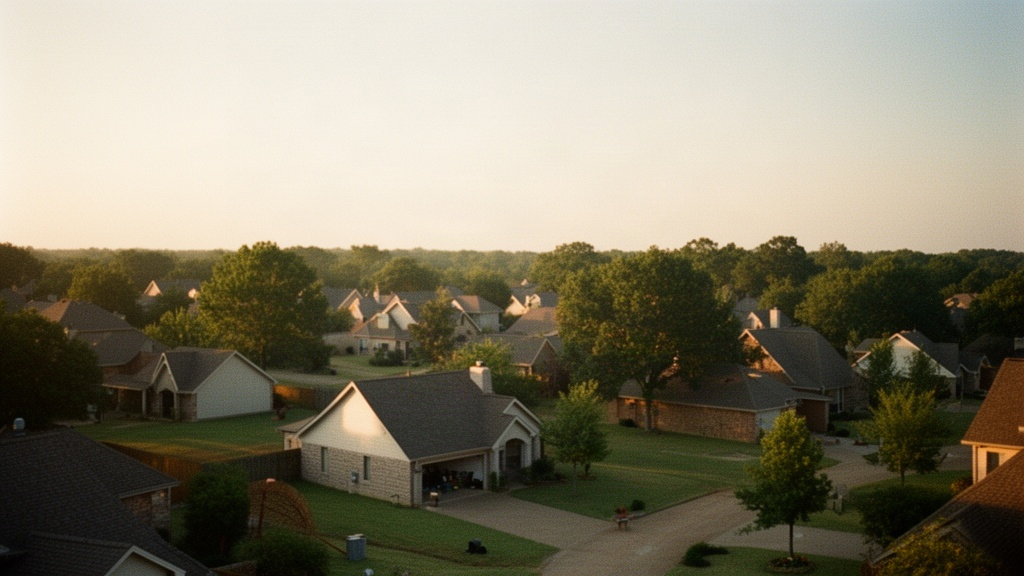
The Palm Beach Gardens real estate market in September 2026 is a stabilizing market, not a runaway one. Prices have held firm compared to the peak frenzy years, but sellers who overprice are sitting longer, and buyers have meaningfully more negotiating room than they did in 2022 or 2023. Understanding that nuance is the starting point for anyone entering this market.
Where Prices Stand in September 2026
The median sale price for single-family homes in Palm Beach Gardens currently sits in the range of $750,000 to $850,000, depending on community and lot size. Entry-level attached villas and townhomes, particularly in communities along PGA Boulevard and in the Alton corridor near Donald Ross Road, are trading in the $450,000 to $600,000 range. Luxury estate homes in gated golf communities regularly close above $2 million, and ultra-luxury waterfront or custom-built properties in communities like Frenchman's Creek push well past $4 million.
Condominiums in Palm Beach Gardens, especially those in low-rise buildings near the Gardens Mall or along PGA Boulevard, are generally priced between $300,000 and $600,000. High-floor units in newer buildings with resort amenities can exceed that range. For a deeper look at what to expect when purchasing a condo specifically, this guide to buying a condo in Palm Beach Gardens covers the HOA structure, reserve requirements, and financing considerations that apply to attached product here.
Long-term appreciation data for Palm Beach Gardens reflects steady upward movement over the past decade, with significant acceleration between 2020 and 2023. You can review historical appreciation trends on NeighborhoodScout's Palm Beach Gardens real estate data, which tracks price-per-square-foot changes and compares them to state and national baselines.
Inventory and Days on Market
Inventory in Palm Beach Gardens has expanded compared to 2022 and 2023, which is a meaningful shift. Buyers shopping in September 2026 have more choices than they have had in several years, particularly in the $600,000 to $1.2 million range where most of the city's resale volume concentrates. Active listings in that price band are spending an average of 45 to 70 days on market before going under contract, compared to under 20 days at the height of the pandemic-era rush.
Luxury homes priced above $2 million are absorbing more slowly, with some properties sitting 90 to 120 days before a price adjustment or accepted offer. This is consistent with the broader Florida pattern described by housing analysts: the market has not collapsed, but sellers who anchored their list price to 2022 comps are finding resistance. For a detailed breakdown of how 2026 compares to prior years in this market, see this comparison of Palm Beach Gardens market changes over recent years.
2. A Practical Look at Palm Beach Gardens Communities
Palm Beach Gardens is not a single housing market. It is a collection of distinct communities, each with its own price range, architectural character, HOA structure, and amenity set. Knowing the differences before you tour homes saves time and prevents you from comparing properties that are not actually competing with each other.
PGA National
PGA National is one of the most recognizable addresses in Palm Beach Gardens, built around the PGA National Resort and its five golf courses, including the Champion Course that hosts the Honda Classic each February. The community spans several thousand acres and contains dozens of distinct villages, ranging from attached villas starting near $400,000 to large single-family homes on fairway lots priced above $1.5 million. The housing stock is predominantly 1980s and 1990s construction, with many homes having been renovated in recent years. Lot sizes vary widely by village, and HOA fees cover everything from lawn care to access to the resort's spa and fitness facilities depending on which village you are in.
Mirasol and Frenchman's Creek
Mirasol and Frenchman's Creek occupy the upper tier of the Palm Beach Gardens market. Mirasol, located off Jog Road, is a private golf and country club community with homes generally priced from $1.2 million to over $5 million. The architecture is Mediterranean-influenced, lots are generous, and the club facilities include two championship golf courses, tennis, and a full-service clubhouse. Frenchman's Creek, situated near the northern boundary of the city, is a gated community where estate homes on the water or golf course regularly trade above $3 million.
HOA fees in both communities are substantial, often running $2,000 to $4,000 per month or more when club minimums are included. For buyers considering these communities, understanding the full cost of ownership is essential. This breakdown of HOA fees across Palm Beach Gardens communities covers what to budget for in Mirasol, Frenchman's Creek, and comparable communities.
Alton and the Northern Corridor
Alton is the city's most notable newer master-planned community, located along Donald Ross Road near the border with Palm Beach County's northern municipalities. Construction began in the mid-2010s and continues with new phases. Homes here are built by a mix of national and regional builders, with single-family homes ranging from roughly $700,000 to $1.4 million and townhomes starting closer to $500,000. The community is built around a town center concept with walkable retail, a fitness center, and resort-style pool facilities. The architectural style is contemporary coastal, with clean lines and open floor plans that differ noticeably from the Mediterranean-heavy stock found in older communities to the south.
BallenIsles and Mid-City Communities
BallenIsles is a private country club community on PGA Boulevard offering golf, tennis, and pickleball in a gated setting. Homes range from attached villas near $500,000 to custom single-family homes above $2 million. The community has three golf courses and a newly renovated clubhouse. Between BallenIsles and the Gardens Mall corridor, there are dozens of smaller gated communities, including Bent Tree, Prosperity Farms area neighborhoods, and communities along Hood Road, where resale single-family homes in the $600,000 to $900,000 range represent the core of the city's mid-market inventory.
3. What Is Driving Demand in Palm Beach Gardens
Demand in Palm Beach Gardens does not exist in isolation from what is happening in the broader region. Several structural forces are keeping buyer interest elevated even as the market has cooled from its peak pace.
The West Palm Beach Regional Effect
West Palm Beach has undergone significant commercial and corporate investment over the past several years, drawing financial firms, technology companies, and professional services tenants to its downtown and surrounding submarkets. A Forbes analysis of what is driving development in West Palm Beach notes the scale of office and mixed-use projects reshaping the region. Palm Beach Gardens, located roughly 15 miles north of downtown West Palm Beach via I-95 or the Florida Turnpike, benefits directly from that employment growth. Professionals working in West Palm Beach or at the numerous corporate campuses along PGA Boulevard itself are a consistent source of buyer demand for Palm Beach Gardens housing.
The commute from Palm Beach Gardens to downtown West Palm Beach runs approximately 20 to 30 minutes by car under normal traffic conditions, and Brightline's West Palm Beach station provides a rail option for those commuting further south toward Fort Lauderdale or Miami. That regional connectivity makes Palm Beach Gardens a practical base for buyers who want space and community amenities without sacrificing access to major employment centers.
New Construction Activity
New construction in Palm Beach Gardens remains active in 2026, particularly in the northern sections of the city near Alton and along the Beeline Highway corridor. Builders including GL Homes, Toll Brothers, and Kolter Homes have active phases in the area, with base prices on new single-family homes generally starting above $700,000 and escalating quickly with lot premiums and upgrades. New construction gives buyers the advantage of modern building codes, energy efficiency, and warranty protection, but it also introduces its own timeline and contract risks that differ from resale transactions.
The presence of active new construction also puts a ceiling on how aggressively resale sellers can price older product in the same price band. A buyer who can get a brand-new home with full warranties and a builder incentive package for $800,000 will not pay $850,000 for a 15-year-old resale without meaningful upgrades. Sellers in the mid-range need to account for this competition when pricing.
4. Timing the Palm Beach Gardens Market as a Buyer or Seller
Timing matters in Palm Beach Gardens more than in most Florida markets because of the city's pronounced seasonal demand cycle. Understanding that cycle helps buyers find leverage and helps sellers choose the right launch window.
The Seasonal Pattern
Palm Beach Gardens draws a significant seasonal population from the Northeast and Midwest, particularly in the October through April window when snowbirds arrive and the social season around the area's golf clubs is active. This creates a predictable demand surge from January through March, when showing activity peaks, multiple offers are more common in popular price ranges, and sellers have the most negotiating leverage. The summer months, May through September, are historically slower, with fewer competing buyers and more room for negotiation.
September specifically sits at the tail end of the slower season and just before the fall pickup that typically begins in October as seasonal residents return. For buyers, that creates a narrow window of relative softness before competition increases. For a more detailed look at whether September is the right month to act, this analysis of September buying timing in Palm Beach Gardens walks through the trade-offs month by month.
What Sellers Need to Know About Pricing
The single most consequential decision a seller makes in this market is the initial list price. Homes in Palm Beach Gardens that are priced correctly relative to recent closed comparables are still selling within 30 to 45 days. Homes that are overpriced by 5 to 10 percent are sitting 90 days or more and often closing below what a correctly priced listing would have achieved, because extended days on market signal to buyers that something is wrong.
The statewide pattern is consistent with what housing analysts have noted: Florida sellers who price to current market conditions close faster and net more than those who test the ceiling. For a full breakdown of the pricing and timeline process for sellers in Palm Beach Gardens, this guide to selling a home in Palm Beach Gardens covers what to expect from list to close.
What Buyers Gain by Acting in the Fall Window
Buyers who get under contract in September or early October in Palm Beach Gardens are closing before the January surge in seasonal buyer competition. That means more inventory to choose from, sellers who have been on market through the summer and may be more flexible, and less likelihood of being pushed into a multiple-offer situation. The trade-off is that the best-condition, best-priced homes still move quickly even in the slower season, so waiting for a perfect moment can mean losing a property to a faster-moving buyer.
Interest rate conditions in September 2026 continue to influence buyer purchasing power significantly. Buyers who are pre-approved and have a clear budget ceiling are better positioned to move decisively when the right property appears, rather than losing time recalculating affordability after finding a home they want. Getting financing in order before starting a serious search is not optional in this market; it is table stakes.
5. What Relocating Buyers Should Know Before They Search
Relocating to Palm Beach Gardens from another state or region introduces a layer of complexity that local buyers do not face. The city covers approximately 56 square miles, and the difference between a home in PGA National near the western edge of the city and a home in the Alton corridor near Donald Ross Road is not just price; it is a different commute pattern, a different HOA structure, and a different physical environment. Touring the city with someone who knows it well before making an offer is worth the time.
Florida-Specific Ownership Costs
Buyers relocating from states with lower property taxes or no HOA culture are often surprised by the full cost of ownership in Palm Beach Gardens. Property taxes on a $750,000 home, before any homestead exemption, typically run between $9,000 and $12,000 annually depending on the millage rate and any community development district assessments. Florida's homestead exemption reduces the assessed value by $50,000 for primary residents and caps annual assessment increases at 3 percent once established, which is a meaningful long-term benefit but requires establishing primary residency.
Homeowners insurance in Palm Beach County has risen sharply over the past several years due to storm exposure and carrier market conditions. Annual premiums on a $750,000 to $1 million home in Palm Beach Gardens currently range from $8,000 to $18,000 or more depending on the home's age, construction type, roof condition, and proximity to water. Buyers should request insurance quotes before committing to a purchase, not after, because the insurance cost can materially affect monthly affordability calculations.
Amenities and Daily Life in Palm Beach Gardens
Palm Beach Gardens is home to the Gardens Mall, one of the region's primary retail destinations, along with a dense concentration of restaurants, medical facilities, and professional services along PGA Boulevard. The city has over 100 parks and recreational facilities, including Frenchman's Forest Natural Area and the Loxahatchee Slough Natural Area for those who want access to preserved natural land. The Loggerhead Marinelife Center in neighboring Juno Beach is roughly a 10-minute drive. Palm Beach International Airport is approximately 20 minutes south, providing direct access to major domestic hubs and select international routes.
For buyers considering a long-term hold or an investment angle on their purchase, Palm Beach Gardens has demonstrated consistent appreciation over time. The city's land use regulations limit sprawl, which supports property values by constraining future supply. The investment property guide for Palm Beach Gardens covers rental demand, cap rate expectations, and what property types perform best for investors in this market.
FAQ
What is the typical price range for a single-family home in Palm Beach Gardens in 2026?
In September 2026, the median sale price for single-family homes in Palm Beach Gardens falls roughly between $750,000 and $850,000 for resale product. Entry-level attached villas and townhomes start closer to $450,000 in communities along PGA Boulevard and in the Alton area. Luxury homes in private golf communities like Mirasol or Frenchman's Creek regularly close above $2 million, and the top of the market extends well past $5 million for estate properties on large lots or with water views. New construction from national builders adds another layer, with base prices on new single-family homes generally starting above $700,000 before lot premiums and upgrades.
Is it a buyer's market or seller's market in Palm Beach Gardens right now?
As of September 2026, Palm Beach Gardens is best described as a balanced-to-slightly-buyer-favoring market in most price ranges, particularly in the $600,000 to $1.2 million segment where inventory has expanded and days on market have lengthened. Well-priced homes in move-in condition still attract strong interest and can move within 30 to 45 days, but overpriced listings are sitting 90 days or more. The luxury segment above $2 million leans more buyer-friendly, with motivated sellers more open to negotiation than they were in 2022 or 2023. The seasonal demand surge that arrives each January will shift that balance again, so buyers who act in the fall window have a temporary advantage.
What costs beyond the purchase price should I budget for when buying in Palm Beach Gardens?
Beyond the purchase price, buyers in Palm Beach Gardens should budget for property taxes, which typically run $9,000 to $12,000 annually on a $750,000 home before any homestead exemption, and homeowners insurance, which can range from $8,000 to $18,000 or more annually depending on the home's age, construction type, and roof condition. HOA fees vary enormously by community: smaller gated communities might charge $300 to $600 per month, while full-service private club communities like Mirasol or Frenchman's Creek can run $2,000 to $4,000 per month or more when club minimums are included. Closing costs in Florida typically add another 2 to 3 percent of the purchase price. Getting a full cost-of-ownership picture before making an offer is essential to avoiding surprises at closing and in the first year of ownership.