
← Back to Blog
Market Trends
Wilson, North Carolina Real Estate Market Guide: Prices, Neighborhoods and Timing for Buyers and Sellers
By Teirra Batts
September 26, 2026 · 11 min read
If you are buying, selling, or relocating to Wilson, North Carolina, having a clear real estate market guide covering prices, neighborhoods, and timing is the single most useful thing you can start with. Wilson sits in the eastern Piedmont, about 45 miles east of Raleigh along US-264, and its housing market moves differently from the Triangle metros most people track. This guide covers what the numbers look like right now, how the city's distinct neighborhoods compare on price and housing stock, and what the calendar actually means for your transaction.
1. What Wilson, NC Home Prices Look Like Right Now
Wilson's median home price sits in the low-to-mid $200,000s as of September 2026, making it one of the more accessible mid-sized cities in North Carolina's eastern corridor. That figure covers a wide range of housing stock, from compact brick ranches on quarter-acre lots to larger four-bedroom homes in established subdivisions, so the median alone does not tell the full story. Buyers and sellers both benefit from looking at price per square foot alongside the headline number.
Median Price and Price Per Square Foot
According to current data tracked on Redfin's Wilson housing market page, the median sale price in Wilson has shown gradual upward movement over the past two years, with price per square foot generally ranging from the upper $80s to around $115 depending on the neighborhood, condition, and lot size. Homes on the lower end of that range tend to be older properties that need updating, while move-in-ready homes in subdivisions built after 2000 cluster toward the higher end.
The entry-level segment, roughly $130,000 to $175,000, is dominated by smaller brick ranches, many built between the 1950s and 1980s, concentrated in older city neighborhoods. The move-up segment from $200,000 to $300,000 includes larger ranches, split-levels, and two-story homes in subdivisions like Westwood, Forest Hills, and areas off Ward Boulevard. Above $300,000, buyers find newer construction, larger lots in outlying areas, and the occasional fully renovated historic property closer to downtown.
How Wilson Compares to the Broader NC Market
North Carolina as a whole has seen sustained price appreciation over the past several years, driven largely by Triangle and Charlotte metro growth. Wilson's price trajectory has been more measured. The Forbes Advisor overview of North Carolina's housing market notes that eastern NC cities have not experienced the same compression in affordability that the Raleigh-Durham corridor has. That gap is meaningful: a buyer priced out of Wake County can often find comparable square footage in Wilson for significantly less, while still being within commuting range of the Triangle on US-264.
For sellers, this positioning is a double-edged reality. Wilson attracts buyers who want eastern NC affordability, but the pool of buyers paying above $350,000 is narrower than in the Triangle. Pricing a home accurately from the start matters more here than in a market where multiple offers routinely push prices above asking. If you are thinking about listing, reading through the guidance on pricing strategy and timeline for Wilson sellers is a practical next step before you set a number.
2. A Neighborhood-by-Neighborhood Price Breakdown
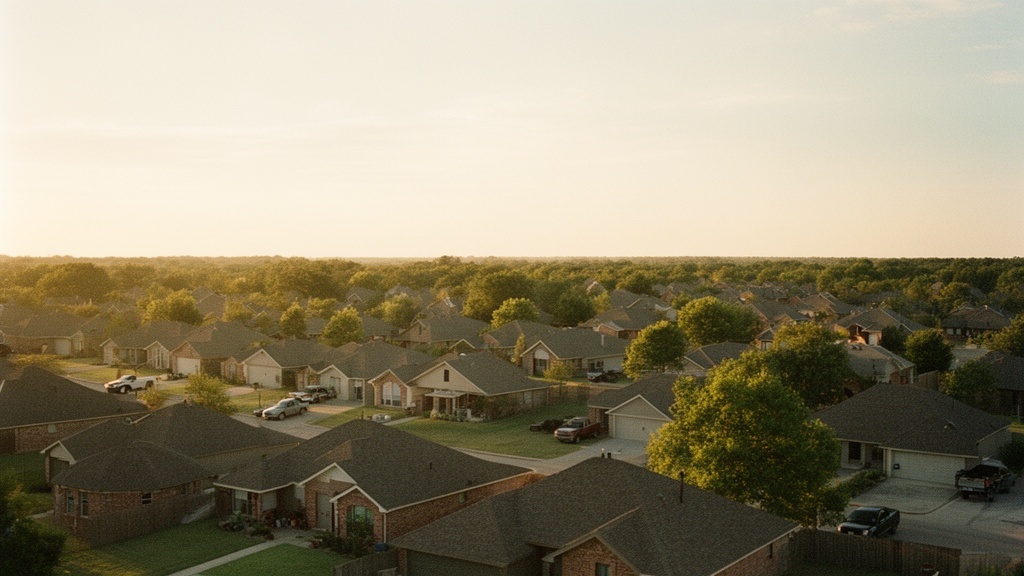
Wilson's neighborhoods vary considerably in price, lot size, architectural era, and proximity to the city's commercial core. Understanding those differences is essential whether you are comparing two listings or deciding where to focus your search. The sections below describe each area by its physical characteristics and price range, not by who lives there or how it ranks.
Older In-Town Neighborhoods
The blocks surrounding downtown Wilson contain some of the city's oldest housing stock, including Victorian-era and early 20th-century homes with front porches, mature hardwoods, and lot sizes that often run 60 to 80 feet wide. Prices in these in-town corridors range widely, from around $100,000 for a smaller home needing full renovation to $280,000 or more for a fully updated property with original architectural details intact. The spread reflects condition more than location within this zone. Buyers who want walkable access to Nash Street's restaurants, the BB&T Performing Arts Center, and the Wilson Farmers Market tend to focus their searches here.
The Toisnot area, which runs along the Toisnot Swamp greenway corridor, offers a distinct pocket of Wilson real estate with its own price dynamics. If you want a detailed look at that specific area, the dedicated guide to the Toisnot area real estate market covers prices, lot characteristics, and what is currently available there.
Established Suburban Areas
Wilson's suburban ring, built out primarily between the 1960s and 1990s, includes neighborhoods like Westwood, Forest Hills, Barton Creek, and the corridors off Herring Avenue and Raleigh Road. These areas are characterized by brick ranch homes and two-story colonials on lots ranging from a quarter acre to just over half an acre. Prices in this tier generally run from $175,000 to $310,000, with the upper end going to larger homes in better condition or on corner lots with more usable yard space.
Westwood in particular has been a consistent draw for buyers who want established tree cover, larger floor plans, and proximity to Wilson Medical Center and the commercial corridor along US-301. Homes there tend to sell faster than the city median when priced correctly, partly because the neighborhood has a recognizable identity and buyers already know what to expect. The Barton Creek area, closer to the eastern side of the city, has a mix of newer and older homes with slightly more variation in lot size.
Outlying and Rural Wilson County Pockets
Wilson County extends well beyond the city limits, and buyers looking for acreage, a detached garage, or a workshop find more options in communities like Stantonsburg Road corridor, the Black Creek area, and rural townships toward Elm City and Sims. A three-bedroom home on one to two acres in these outlying areas can often be found in the $185,000 to $260,000 range, though prices vary considerably based on the age of the structure, well and septic condition, and road frontage. Buyers should budget for longer commutes into Wilson proper, typically 15 to 25 minutes depending on the specific location.
For buyers considering Wilson as a base for commuting to Raleigh, the county's eastern and northern edges add meaningful drive time on top of the already 45-to-50-minute run into the Triangle. A full breakdown of what that commute looks like day to day is covered in the article on the Wilson to Raleigh commute, which is worth reading before you decide how far outside the city limits to search.
3. What the Market Conditions Mean for Buyers
Wilson's market in September 2026 is more balanced than it was during the peak competition years of 2021 and 2022, which is good news for buyers who felt shut out during that period. Inventory has loosened enough that buyers generally have time to do proper due diligence, though well-priced homes in the $175,000 to $250,000 range still move within two to three weeks when they are in good condition.
Inventory Levels and Competition
Active listings in Wilson have increased compared to the same period in 2025, meaning buyers are less likely to find themselves in a bidding war on a median-priced home. That said, the entry-level segment below $175,000 remains competitive because it draws both first-time buyers using FHA financing and investors looking for rental properties. If you are shopping in that range, being pre-approved and ready to move quickly still matters. Above $300,000, days on market stretch longer and sellers are more willing to negotiate on price, closing cost contributions, or repair credits.
What to Expect During Due Diligence
North Carolina uses a due diligence fee and earnest money structure that is different from many other states, and Wilson buyers need to understand both before making an offer. The due diligence fee is paid directly to the seller at contract and is non-refundable if the buyer walks away for any reason other than seller default. In Wilson's current market, due diligence fees on a $220,000 home typically run from $500 to $2,000, though this varies by negotiation. Buyers should also plan for a home inspection, a septic inspection if applicable, and a survey if the lot boundaries are unclear.
Closing costs for buyers in Wilson generally run between 2% and 4% of the purchase price on top of the down payment. For a detailed breakdown of what those costs include and how to budget for them, the article on closing costs for Wilson buyers walks through each line item with specific numbers.
Financing Considerations in Wilson's Price Range
Because Wilson's median price is well below the conforming loan limit, buyers have access to the full range of conventional, FHA, VA, and USDA loan products. USDA Rural Development loans are available for some areas within Wilson County that qualify under USDA's eligibility maps, which can mean zero down payment for qualifying buyers. That is worth checking with a lender before assuming you need a full 3.5% or 5% down. VA loans are also commonly used in Wilson given the proximity to military installations in eastern NC, and sellers here are generally familiar with VA appraisal requirements.
4. What the Market Conditions Mean for Sellers
Sellers in Wilson in September 2026 are working in a market that rewards accurate pricing and good presentation more than it rewards waiting for a bidding war. The frenzied conditions of 2021 and 2022 are gone, but that does not mean sellers are at a disadvantage. Homes that are priced correctly and show well are still selling within a reasonable timeframe, and motivated buyers are active in the market right now.
Pricing Strategy in the Current Environment
Overpricing a home in Wilson's current market is the most common and costly mistake a seller can make. When a listing sits for more than 30 days without an offer, buyers and their agents begin to wonder what is wrong with the property, even if the answer is simply that it was priced too high from the start. A price reduction later rarely recaptures the momentum of a well-priced launch. Teirra Batts uses a comparative market analysis that pulls recent sales within specific Wilson neighborhoods, not just city-wide averages, to arrive at a number that attracts serious buyers from day one.
Sellers should also understand that buyers in Wilson's current market are more likely to request repairs or credits after a home inspection than they were two years ago. Addressing obvious deferred maintenance before listing, things like a worn roof, HVAC systems past their service life, or plumbing that shows its age, reduces the chance of a buyer renegotiating or walking away during due diligence. A pre-listing inspection is not required but can surface issues before they become contract problems.
Timing Your Listing for Maximum Exposure
Sellers who are deciding between listing now in fall 2026 versus waiting until spring 2027 face a genuine trade-off that depends on their specific home type and price point. Fall listings in Wilson see less competition from other sellers, which can work in a well-priced home's favor. Spring brings more buyers but also more inventory. The detailed comparison of fall versus spring listing timing in Wilson covers this trade-off with specific data points and is worth reading before you decide when to go to market.
5. Timing the Wilson Market: Seasonal Patterns and What They Mean
Wilson's real estate calendar follows a pattern similar to most mid-size North Carolina cities, but with some local nuances worth knowing before you plan a transaction. The city's market is influenced by the academic calendar at Barton College, the hiring cycles at Wilson Medical Center and local manufacturing employers, and the broader relocation patterns of buyers coming from the Triangle who often start searching in late winter.
Spring and Summer Activity
March through July is historically the most active stretch of the Wilson real estate year. New listings peak in April and May, and buyer activity follows closely behind. Homes that come to market in this window tend to see the most showings per week and the shortest days on market. For sellers, this is the period when a well-prepared home has the best chance of attracting multiple offers, particularly in the $180,000 to $260,000 range where inventory turns over fastest.
Buyers shopping in spring face more competition but also more choices. The additional inventory that comes to market in April and May gives buyers a better selection of neighborhoods, conditions, and price points than they would find in January. The trade-off is that well-priced homes move quickly and buyers who are not pre-approved often lose out to those who are. Getting your financing sorted before spring arrives is the most practical preparation a buyer can make.
Fall and Winter Opportunities
August through February is quieter in Wilson's market, but that does not mean it is slow for everyone. Sellers who list in September or October, as the market is right now, face less competition from other listings. Buyers who are active in fall and winter tend to be serious and motivated, often because of a job relocation, a lease ending, or a life change that does not follow the calendar. Sellers who price correctly in the fall often find that the reduced pool of competing listings works in their favor.
For buyers, fall and winter can surface opportunities that spring shoppers never saw. Homes that did not sell during the peak season are often re-listed with price adjustments, and sellers who have been on the market for 60 or more days are typically more willing to negotiate on price, closing costs, or repair requests. If you are flexible on timing, shopping in October through December in Wilson can yield better value than competing in the April rush.
For a full picture of what buyers in Wilson should know before making an offer in any season, the guide on what to know before making an offer on Wilson homes covers the process from search through contract in practical detail.
FAQ
What is the current median home price in Wilson, North Carolina?
As of September 2026, Wilson's median home price is in the low-to-mid $200,000s, with price per square foot generally ranging from the upper $80s to around $115 depending on neighborhood, condition, and lot size. Entry-level homes, typically smaller brick ranches built between the 1950s and 1980s, can be found from around $130,000 to $175,000. Move-up homes in established suburban neighborhoods like Westwood and Forest Hills generally run from $200,000 to $310,000. Homes above $300,000 tend to be newer construction, larger properties on acreage, or fully renovated historic homes closer to downtown. These ranges shift with market conditions, so a current comparative market analysis from a local agent gives you the most accurate picture for a specific property.
Is Wilson, NC a buyer's market or a seller's market right now?
Wilson's market in September 2026 is closer to balanced than it has been in several years, having moved away from the strong seller's market conditions of 2021 and 2022. Inventory has increased compared to the same period in 2025, giving buyers more options and more time to complete due diligence without being rushed. That said, the entry-level segment below $175,000 remains competitive because it draws both first-time buyers and investors. Above $300,000, buyers have more negotiating room and sellers are more likely to consider price adjustments or closing cost contributions. The balance of power varies by price point, which is why working with a local agent who tracks Wilson's specific submarkets is more useful than relying on statewide or national market summaries.
When is the best time of year to buy or sell a home in Wilson, NC?
For sellers, March through July is historically Wilson's most active period, with the most buyer traffic and the shortest days on market for well-priced homes. Listing in fall, as is the case right now in September 2026, means less competition from other sellers, which can work in your favor if your home is priced correctly and shows well. For buyers, spring offers the most selection but also the most competition; fall and winter often surface price-reduced listings and more motivated sellers. The right timing ultimately depends on your specific situation, price point, and how flexible you are on the closing date. A local agent familiar with Wilson's seasonal patterns can help you decide whether listing or buying now versus waiting makes more financial sense for your particular home.