← Back to Blog
Buying
Where to Find Homes for sale in Dallas: Neighborhoods, Prices, and What to Check
By Tiaria Richardson
October 14, 2026 · 5 min read
Searching for homes for sale in Dallas means choosing among varied housing types, from Craftsman bungalows near Kessler Park to high-rise condos in Uptown. This guide breaks down what to check, typical price ranges, commute facts, and how to narrow your search in Dallas, Texas.
1. Which parts of Dallas have what housing stock
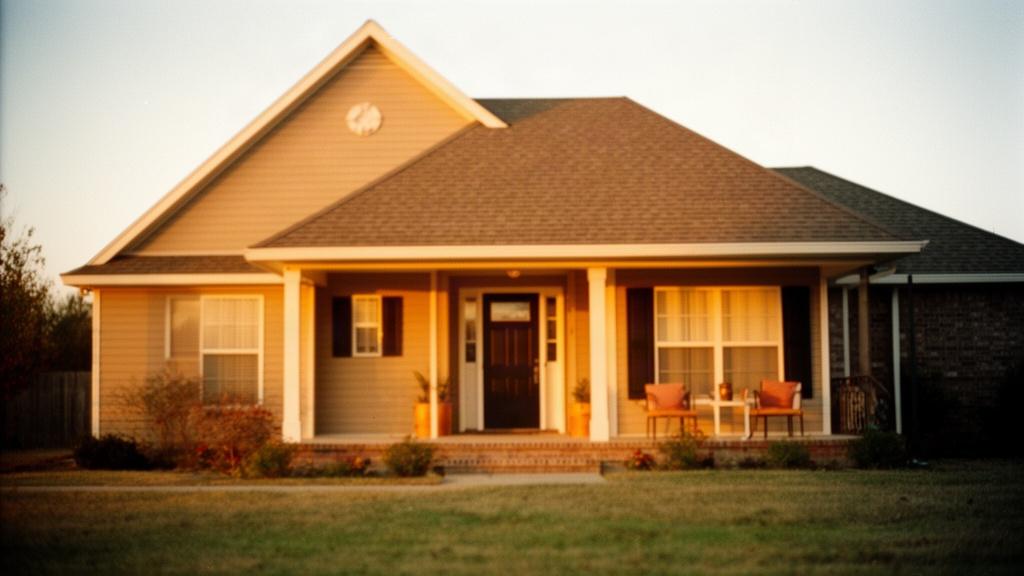
Quick answer: Dallas contains a wide mix of housing types, each clustered in identifiable corridors and neighborhoods. The city includes early 20th century bungalows and Tudor-style houses near Kessler Park and Oak Cliff, midcentury ranches and brick homes in North Dallas pockets, dense condo and apartment buildings in Uptown and Deep Ellum, and new infill single family homes lining parts of East Dallas and Lower Greenville.
Older single family neighborhoods
Features and examples. Neighborhoods such as Lakewood, East Kessler, and parts of Highland Park contain detached homes on established lots, mature trees, and varied architectural details like Craftsman porches and brick facades. Lot sizes commonly range from 6,000 to 12,000 square feet in these areas.
New construction and infill
Features and examples. Areas in East Dallas, around White Rock Lake, and pockets of North Oak Cliff have seen infill builds, townhome clusters, and gated single family developments that replace older lots. These properties often have smaller yards and modern floor plans.
2. How much homes in Dallas cost and the numbers to pull
Quick answer: Prices vary widely by neighborhood, property type, and lot size; buyers should pull specific comparable sales and local tax data before making an offer. For a first pass, check median sale price by neighborhood, the most recent three to six closed sales for similar homes within one mile, and current active inventory for the same property type.
Key numbers to gather. Pull median sale price, list price to sale price ratio, days on market, property tax rate, and HOA fees if applicable. For Dallas luxury sales and downtown condos, brokerage reports such as those from local market publishers can show segment-specific activity and price bands.
Data source to check. For broader market coverage and reporting on Dallas area trends, see national and regional market reporting that tracks inventory and sales patterns.
- Median price: Pull the latest neighborhood medians from your MLS or brokerage report.
- Comparable sales: Use three to six closed sales within one mile, matching bed, bath, and lot size where possible.
- Carrying costs: Include property tax rate, typical insurance premiums, and any HOA dues to estimate monthly cost.
3. Commute, transit, and location tradeoffs
Quick answer: Commute times and access vary significantly across Dallas, so map actual drives to your workplace and check DART light rail stops for transit options. Downtown, Uptown, and Victory Park are within a short commute to central business districts, while neighborhoods like Plano and Frisco sit farther north and require longer drives on I-75 or the Dallas North Tollway.
Driving distances and typical times
Estimate commute distances. From Oak Lawn to downtown is often a 5 to 15 minute drive depending on time of day; from East Dallas neighborhoods near White Rock Lake to downtown expect 15 to 25 minutes by car without major congestion.
Transit options
DART coverage and light rail corridors. DART light rail serves major corridors including downtown, Deep Ellum, and areas toward Plano and Garland; properties within a quarter to half mile of a station are commonly listed with transit distance in the property description.
4. Inspections, title, and offer checklist for Dallas buyers
Quick answer: Bring a local checklist that covers foundation, roof, drainage, and older HVAC systems, then layer in title review and neighborhood-specific disclosures. Texas properties commonly require sellers disclosures and a title commitment before closing; buyers should order a general home inspection plus specialized checks when the home is older or shows signs of water entry.
- Foundation and structure: Check for cracks, slope problems, and previous repairs documented by engineering reports if present.
- Roof and drainage: Ask for roof age, recent repairs, and whether gutters and downspouts direct water away from the foundation.
- Pest and termite reports: Request current clearance or treatment history for homes older than 20 years.
Offer terms to consider. Include a clear inspection contingency period, an earnest money amount appropriate for the neighborhood, and a deadline for the seller to respond to repairs. For condo purchases, request the HOA resale package early so you can review rules, reserves, and assessments.
5. How sellers prepare Dallas homes for the market
Quick answer: Sellers should focus on curb appeal, accurate pricing based on local comparables, and staging to highlight usable space. In Dallas, small investments like new exterior paint, trimmed trees, and updated kitchen hardware often show clearly in listing photos; sellers should also prepare the required disclosures and any HOA documents before listing.
Marketing and showings. Professional photos, floor plans, and daytime showings around landmarks such as Klyde Warren Park or the Katy Trail help position urban listings. For suburban-style properties, include drone photos of lot size and nearby green spaces.
Local reporting on inventory maps. If you want context on inventory patterns and how listings distribute across markets, some real estate analysis articles explore inventory maps and their implications.
Pricing checklist for sellers
- Comparable analysis: Use three to six recent closed sales within one mile that match bedrooms, baths, and lot size.
- Adjust for condition: Price differences should reflect updates, usable square footage, and repairs needed.
- Marketing timeline: Plan for photography, staging, and at least two weeks of active marketing before reviewing offers.
Final local note. Dallas listings often highlight proximity to parks, major employers, and school names as factual location details; when comparing properties, collect the same set of facts for each listing to make apples-to-apples comparisons.
FAQ
How do I start searching for homes for sale in Dallas?
Start by listing the nonnegotiables: number of bedrooms, minimum lot size, and commute distance to your workplace. Pull active listings and three to six recent closed sales in your target neighborhoods, then visit properties at different times of day to check traffic and noise levels. Work with a local agent who can set up targeted alerts and pull neighborhood comparables from the MLS.
What should I budget for closing costs and ongoing expenses in Dallas?
Budget for lender fees, title insurance, escrow, and prepaid items such as property taxes and homeowners insurance at closing. Ongoing costs include property tax assessed by Dallas County, homeowners insurance, utilities, and any HOA dues for condos or planned communities. Ask your lender and agent for a detailed estimate early in the process to avoid surprises.
Are there common inspection issues in Dallas homes?
Common items to watch for include roof condition from summer storms, drainage and grading near foundations, older HVAC systems, and evidence of prior water intrusion in basements or low spots. For older homes, request pest and termite inspections and review any repair records. A local inspector will know Dallas soil and climate factors to look for.