← Back to Blog
Neighborhoods
What Are the Different Neighborhoods in La Vergne Tennessee and What Is Each One Like to Live In
By Tierra Crews
Superior Realty & Management · DRE# 366009
September 24, 2026 · 10 min read
If you are trying to figure out what the different neighborhoods in La Vergne Tennessee are and what each one is like to live in, this guide breaks it down with real numbers, commute details, housing types, and local features. La Vergne sits along Interstate 24 in Rutherford County, just minutes from Smyrna and roughly 20 miles southeast of downtown Nashville. Whether you are relocating from out of state or moving from a nearby town, understanding how La Vergne's distinct pockets differ from one another will help you narrow your search before you ever schedule a showing.
1. A Quick Orientation to La Vergne, Tennessee
La Vergne is a city of roughly 40,000 residents in the northwestern corner of Rutherford County. It borders Smyrna to the southeast, Antioch to the northwest, and Lavergne Lake sits near its center. Interstate 24 cuts through the city, making it one of the more commuter-accessible spots in the county.
Where La Vergne Sits in Rutherford County
The city straddles the Rutherford and Davidson County line in places, which means some addresses that carry a La Vergne zip code (37086) sit closer to Antioch than to Smyrna. The core of La Vergne runs along Murfreesboro Road (US 41) and Lake Forest Drive, with residential development spreading east toward Waldron Road and south toward Stones River. Understanding this geography matters when you are comparing neighborhoods, because a home on the north end of the city has a very different daily experience than one near the Smyrna line.
Why Buyers from Smyrna and Nashville Look Here
La Vergne consistently offers lower price points than neighboring Smyrna and Murfreesboro while sitting on the same I-24 corridor. As of September 2026, median home prices in La Vergne hover in the low-to-mid $300,000s, compared to the mid-to-upper $300,000s in Smyrna. That spread draws buyers who want Rutherford County access without stretching their budget. For a broader look at the buying and selling process in this part of Tennessee, the Homes for Sale in La Vergne TN: Buyer and Seller Guide on this site covers the full picture.
2. The Different Neighborhoods in La Vergne Tennessee
La Vergne does not have a single dominant master-planned community. Instead, it is a collection of subdivisions and corridors that each developed at different times, which is why the housing stock, lot sizes, and street layouts vary noticeably from one pocket to the next.
Lake Forest Estates
Lake Forest Estates is one of the most established residential areas in La Vergne, built primarily during the 1980s and 1990s along Lake Forest Drive near Lavergne Lake. Homes here are typically single-story or split-level brick ranches and traditional two-stories, ranging from roughly 1,200 to 2,200 square feet. Lot sizes tend to be generous for the price range, many running a quarter acre or more. Prices in this corridor as of September 2026 generally fall between $260,000 and $340,000 depending on updates and square footage.
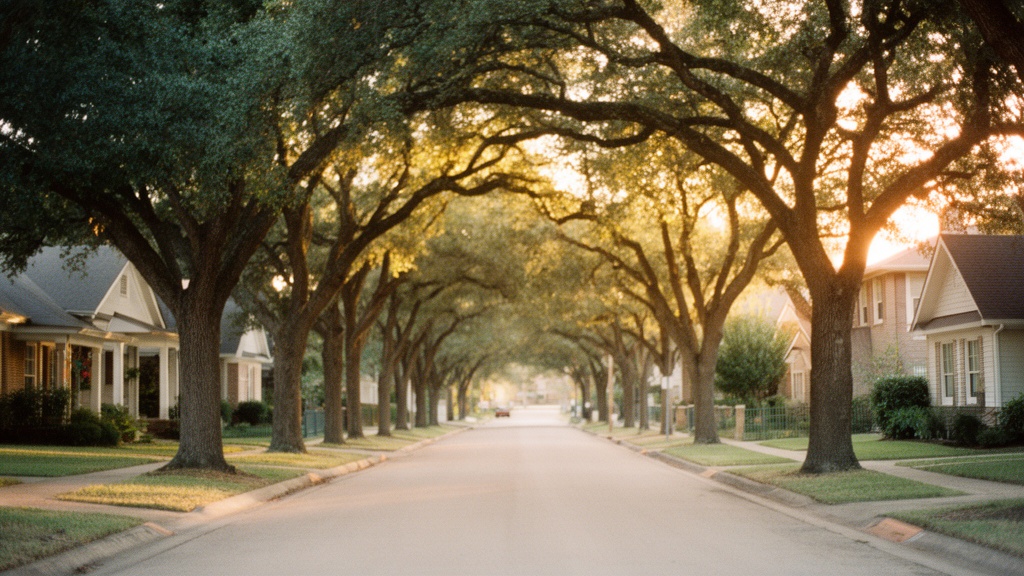
The proximity to Lavergne Lake is a practical feature of this area. The lake has a public boat ramp off Stones River Road, and the surrounding greenway connects to walking paths along the water. Streets in Lake Forest Estates are mature, with established tree canopy, which gives the neighborhood a different visual character than the newer subdivisions on the eastern side of the city.
Barfield Crescent Area and Hamilton Springs
Moving toward the southeastern edge of La Vergne, the Barfield Crescent area and Hamilton Springs subdivision represent newer construction, with most homes built between 2000 and 2015. These are traditional suburban subdivisions with vinyl siding and brick-front facades, two-car garages, and HOA-maintained common areas. Square footage typically runs from 1,500 to 2,800 square feet. Prices as of September 2026 generally range from $295,000 to $375,000.
This corridor sits closer to the Smyrna boundary, which puts residents within about five minutes of Smyrna's Sam Ridley Parkway retail corridor. That means easy access to grocery stores, restaurants, and the Smyrna Airport area without driving into La Vergne's more congested Murfreesboro Road strip. The street network in Hamilton Springs is a looping subdivision layout, so through traffic is minimal.
Stones River Estates and Fergus Road Corridor
The Stones River Estates area and the Fergus Road corridor occupy the southern portion of La Vergne, running toward the Stones River floodplain. Homes here include a mix of 1970s and 1980s ranch-style construction alongside some infill builds from the 2000s. Lot sizes in this area are often larger than the city average, with some parcels running half an acre or more. Buyers should review FEMA flood maps carefully for properties near the river bottom, as portions of this corridor carry flood zone designations.
Price points in the Fergus Road corridor tend to be among the lower ranges in La Vergne, with many homes listed between $230,000 and $310,000 as of September 2026. The trade-off is larger lots and more rural character, with less retail immediately nearby. Residents in this area typically rely on Murfreesboro Road or the Smyrna corridor for grocery runs and dining.
Stones Creek and Concord Road Corridor
The Stones Creek subdivision and the broader Concord Road corridor represent some of La Vergne's most recent residential development, with construction activity continuing into the mid-2020s. These homes are newer builds, typically two-story construction with open floor plans, granite countertops, and attached two-car garages. Square footage ranges widely, from about 1,600 to over 3,000 square feet. Prices as of September 2026 generally start around $320,000 and can push past $420,000 for larger plans on premium lots.
The Concord Road area sits east of the I-24 interchange, which gives it slightly longer drive times to Nashville but keeps it away from the commercial congestion along Murfreesboro Road. The newer HOA communities in this corridor tend to have community amenities like pools and playgrounds, and the streets are wider and more recently paved than in the older western sections of the city.
Lake Forest South and Waldron Road Area
The Lake Forest South and Waldron Road area bridges the gap between the original Lake Forest Estates and the newer eastern subdivisions. Homes here were built primarily in the late 1990s through early 2000s, offering a middle ground in both age and price. You will find a mix of brick and vinyl construction, with floor plans ranging from about 1,400 to 2,400 square feet. As of September 2026, this corridor typically prices between $275,000 and $360,000.
Waldron Road itself is a north-south connector that links Murfreesboro Road to the southern subdivisions without requiring I-24 access. That makes it a practical route for residents who work in Smyrna or the industrial parks along the southern end of the county. The area has seen steady resale activity, and updated homes here tend to move within two to four weeks of listing in the current market.
3. Housing Stock and Price Ranges Across La Vergne Neighborhoods
Understanding what you get at each price point in La Vergne helps you set realistic expectations before touring. The city spans a wider range of housing ages than nearby Smyrna, so condition and update level vary significantly even within the same price band.
Entry-Level and Mid-Range Options
Entry-level inventory in La Vergne typically starts in the low $200,000s for older ranch homes on the Fergus Road corridor or near the Murfreesboro Road commercial strip. These homes often need cosmetic updates, but they offer larger lots and more square footage per dollar than comparable listings in Smyrna or Murfreesboro. The mid-range bracket, roughly $280,000 to $350,000, covers most of Lake Forest Estates, Lake Forest South, and the older portions of Hamilton Springs. Buyers in this range can generally find three-bedroom, two-bath homes with at least 1,600 square feet.
For detailed market data on current listing prices and days on market across La Vergne zip codes, NeighborhoodScout's La Vergne market page provides regularly updated real estate statistics that buyers can use to benchmark what they are seeing in active listings.
Larger Homes and Newer Construction
The upper price range in La Vergne, from roughly $375,000 to $430,000, is dominated by newer construction in the Stones Creek and Concord Road subdivisions. These homes typically offer four bedrooms, at least two and a half baths, open-concept main floors, and modern finishes that require little immediate investment. HOA fees in these communities generally run between $30 and $70 per month, covering landscaping of common areas and amenity maintenance. Buyers who want move-in-ready condition without a renovation budget tend to concentrate their search in this price tier.
4. Commute Times, Infrastructure, and Daily Conveniences
Where you land within La Vergne affects your commute more than the city limits alone suggest. The difference between a home on the northwest side near the Davidson County line and one on the Smyrna border can mean a 15-minute difference in daily drive time to Nashville.
Getting to Nashville, Smyrna, and Murfreesboro
From the Lake Forest Estates area near the I-24 and Waldron Road interchange, the drive to downtown Nashville runs approximately 25 to 35 minutes under normal traffic conditions, covering roughly 20 miles. Peak-hour congestion on I-24 between Exit 62 and the Briley Parkway interchange can push that to 45 to 55 minutes on weekday mornings. Smyrna is closer, typically a 10-minute drive south on Waldron Road or Sam Ridley Parkway. Murfreesboro is about 15 to 20 minutes from the southeastern subdivisions via I-24 East.
The WeGo Regional Transit Authority operates bus routes into Nashville from the La Vergne area, providing an alternative for commuters who prefer not to drive. The Route 94 express service connects the Murfreesboro Road corridor to downtown Nashville, with stops accessible from several La Vergne neighborhoods. For buyers who work in Smyrna's industrial corridor near the Nissan plant or the airport, the drive is under 15 minutes from most La Vergne addresses.
Shopping, Parks, and Day-to-Day Errands
La Vergne's primary retail corridor runs along Murfreesboro Road, where you will find a Kroger, Walmart Neighborhood Market, several national chain restaurants, and a handful of local shops. The La Vergne Public Library on Stones River Road serves the city, and the adjacent Barfield Park offers athletic fields, a splash pad, and walking trails. Residents in the eastern subdivisions near Concord Road often use Smyrna's Sam Ridley Parkway for groceries and dining, which adds variety without a long drive.
Lavergne Lake Park is the city's signature outdoor space, with a fishing pier, picnic shelters, a boat ramp, and a 1.5-mile paved trail around the lake perimeter. The park is accessible from Lake Forest Drive and draws residents from across the city on weekends. For larger retail needs, the Stones River Mall area in Murfreesboro and the Antioch Pike corridor in Davidson County are both within 20 to 25 minutes.
5. What to Research Before You Choose a La Vergne Neighborhood
Knowing the physical layout of each area is a starting point. Before you make an offer, there are three specific things worth investigating on your own, because they affect both your daily life and your long-term investment.
Schools and Education Resources
All La Vergne residential addresses are zoned into Rutherford County Schools. The district's website at rcschools.net publishes current attendance zone maps, so you can enter a specific address and confirm which elementary, middle, and high school serve that property. School assignments are a personal decision, and the Tennessee Department of Education publishes school-level report cards at tn.gov/education that let you review performance data on your own terms.
Flood Zones and Lot Considerations
Portions of La Vergne near the Stones River and its tributaries carry FEMA Special Flood Hazard Area designations, which require flood insurance and can affect financing. FEMA's Flood Map Service Center at msc.fema.gov lets you enter any address and pull the current flood zone designation. This is worth doing before you schedule a showing on any property near the Fergus Road corridor, Stones River Road, or the lower portions of Lake Forest Drive. Flood insurance premiums can add $1,000 to $3,000 or more per year to your carrying costs, so it is a meaningful budget factor.
HOA Presence and Community Rules
Not every La Vergne subdivision has an HOA, and the ones that do vary widely in what they cover and what they restrict. Newer communities like Stones Creek and portions of Hamilton Springs have active HOAs with architectural review requirements, parking rules, and lawn maintenance standards. Older areas like Lake Forest Estates and the Fergus Road corridor are generally non-HOA, which gives owners more flexibility but also means fewer enforced community standards. When you receive a seller's disclosure, the HOA documents will be included if applicable, and you will have a review period before your purchase is final.
For a broader look at what buyers and sellers encounter in La Vergne's current market, including offer strategies and what to expect at closing, the Homes for Sale in La Vergne TN: Buyer and Seller Guide covers those details in full.
FAQ
What are the different neighborhoods in La Vergne Tennessee and how do their prices compare?
La Vergne's main residential areas include Lake Forest Estates, Hamilton Springs, the Stones River Estates and Fergus Road corridor, Stones Creek and the Concord Road corridor, and the Lake Forest South and Waldron Road area. As of September 2026, prices range from the low $200,000s in the older Fergus Road corridor up to the low $400,000s in newer Concord Road subdivisions. The mid-range bracket of $280,000 to $360,000 covers the largest share of available inventory and includes most of the 1990s and early-2000s construction. Lot sizes, home ages, and HOA presence vary significantly between these areas, so it is worth comparing them on those dimensions rather than price alone.
Which part of La Vergne is closest to Smyrna and what is the housing like there?
The southeastern portion of La Vergne, including the Hamilton Springs subdivision and the Barfield Crescent area, sits closest to the Smyrna city line and is generally within a five-minute drive of Sam Ridley Parkway. Housing in this corridor was built primarily between 2000 and 2015, with two-story vinyl and brick-front homes ranging from about 1,500 to 2,800 square feet. Prices as of September 2026 generally fall between $295,000 and $375,000. The proximity to Smyrna's retail corridor makes this area convenient for day-to-day errands without requiring a trip to La Vergne's Murfreesboro Road strip.
Are there flood zone concerns in any La Vergne neighborhoods?
Yes, portions of La Vergne near the Stones River and its tributaries carry FEMA Special Flood Hazard Area designations, particularly in the Fergus Road corridor and along lower sections of Stones River Road. Flood insurance is required for federally backed mortgages on properties in these zones, and premiums can add $1,000 to $3,000 or more annually to your housing costs. You can check any specific address at FEMA's Flood Map Service Center at msc.fema.gov before scheduling a showing. Buyers working with a knowledgeable local agent can identify which specific streets and parcels carry flood designations early in the search process, which saves time and prevents surprises during the inspection period.