← Back to Blog
Selling
Downsizing in Portland, Oregon: Options, Costs and Timing
By Tiffany Pool
Realty ONE Group Prestige · DRE# 23018543
September 19, 2026 · 12 min read
Downsizing in Portland, Oregon is known for being one of the most financially significant moves a homeowner can make, and the details around options, costs and timing matter more than most people expect. Whether you are moving from a four-bedroom Craftsman in Sellwood into a Pearl District condo, or trading a large lot in Lake Oswego for a single-level home in Multnomah Village, the Portland market in September 2026 offers real opportunities for sellers who plan carefully. This guide covers everything you need to know before you list.
1. Why Portland Homeowners Are Downsizing Right Now
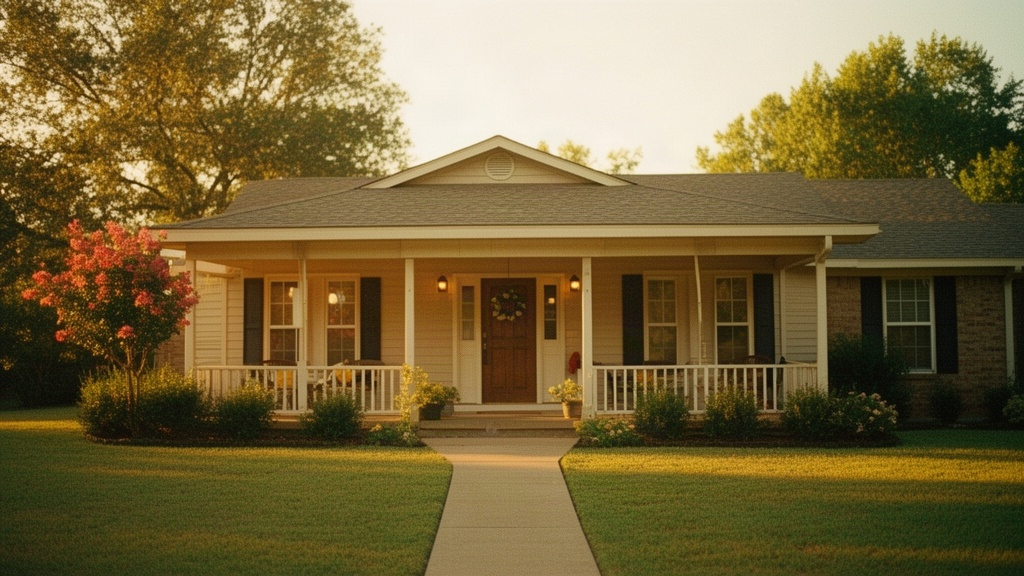
Downsizing in Portland, Oregon is happening at a pace the market has not seen in years. Longtime owners who bought in Eastmoreland, Irvington, or the West Hills during the 1990s and early 2000s are sitting on substantial equity, and many are ready to trade square footage for lower maintenance, lower property taxes, and a home that fits their life today rather than twenty years ago.
The National Trend Hitting Portland Hard
Nationally, the wave of older homeowners entering the resale market is already reshaping inventory. According to the National Association of Realtors, the so-called Silver Tsunami is now actively influencing housing supply as millions of homeowners over 60 begin listing larger homes they no longer need. Portland is no exception. Multigenerational Craftsman bungalows and mid-century ranches that were once tightly held are now moving into the resale pool, which means both more competition for sellers and more options for buyers looking to move into a larger home while the downsizer steps into something smaller.
Portland's housing stock makes this transition particularly interesting. The city has an unusually wide range of property types within a compact geography. A homeowner in the Alameda Ridge can sell a 2,800-square-foot Tudor and find a 1,100-square-foot single-level home or a lock-and-leave condo within ten miles. That proximity matters when you want to stay close to your community, your doctors, your restaurants, and the trails along the Willamette.
What the Portland Market Looks Like in September 2026
The Portland metro market in September 2026 is still adjusting after several years of rate-driven slowdown. Buyer power has grown compared to the peak years, and price cuts on overpriced listings have become more common, which means sellers need to price correctly from day one. The median home price in the Portland metro area currently sits in the low-to-mid $500,000s, though that figure varies considerably by neighborhood, property type, and condition. For downsizers, this environment has a silver lining: your larger home will attract serious buyers if priced well, and the smaller homes you are targeting are also more negotiable than they were two years ago.
If you want a detailed look at how pricing and timelines are playing out for sellers right now, the guide on selling a home in Portland, Oregon covers current conditions in depth.
2. Your Housing Options When Downsizing in Portland
Portland offers more distinct housing types for downsizers than most Pacific Northwest cities. The right choice depends on how much maintenance you want to take on, how close you want to be to urban amenities, and what your budget looks like after the sale of your current home.
Condos and Urban Living
The Pearl District, South Park Blocks, and the Lloyd District all have established condo inventory ranging from studios under 600 square feet to full-floor units above 2,000 square feet. Pearl District condos currently list from roughly $350,000 for a one-bedroom up to $1.5 million or more for larger units with river or city views. Monthly HOA fees in these buildings typically run between $500 and $900 and cover exterior maintenance, building insurance, and often amenities like a fitness center or rooftop terrace. For homeowners who are done with yard work and roof repairs, this trade-off is often worth it.
The South Waterfront corridor, anchored by the OHSU aerial tram and the Tilikum Crossing bridge, has a newer inventory of high-rise condos with modern finishes and walkable access to the riverfront path. Units here tend to run from the mid-$400,000s into the $800,000s depending on floor and view. The MAX light rail connection at South Waterfront makes it easy to reach downtown, the Lloyd District, or the airport without a car.
Single-Level Homes and Cottage Clusters
Single-level ranch homes are among the most sought-after properties for downsizers in Portland, and they are not always easy to find. Mid-century ranches built between 1950 and 1975 are scattered across Northeast and Southeast Portland, particularly in the Montavilla, Woodstock, and Foster-Powell areas. These homes typically run 1,000 to 1,600 square feet, sit on 5,000 to 7,000-square-foot lots, and list in the $400,000 to $600,000 range depending on updates and location.
Cottage cluster developments are a newer option that Oregon's middle housing laws have encouraged across the metro. These are small groupings of detached or semi-detached homes, often 800 to 1,400 square feet, built around a shared courtyard or common area. Several cottage cluster projects have been completed in inner Southeast and outer Northeast Portland since 2024. They offer the feel of a detached home with reduced yard responsibility, and prices typically start in the mid-$400,000s.
Suburban and Inner-Ring Options
Lake Oswego, about eight miles south of downtown Portland, has a well-established market for smaller single-level homes and townhomes in the $550,000 to $850,000 range. The city has walkable retail along Boones Ferry Road, access to Oswego Lake, and a commuter bus connection to Portland's South Waterfront. For a detailed look at buying in that market, the guide on buying a home in Lake Oswego is worth reading before you start touring.
Multnomah Village, in the Southwest hills, is another area with a concentration of smaller bungalows and ranches on quieter streets, with a walkable village center featuring independent shops and restaurants. Prices here currently range from the low $400,000s to around $700,000 depending on lot size and condition. Beaverton and Tigard, further west, offer newer townhome and patio home communities in the $400,000 to $600,000 range with easy MAX or Highway 217 access back into the city.
3. What Downsizing in Portland Actually Costs
The financial picture of downsizing in Portland, Oregon involves two transactions happening close together, and the costs on both sides can surprise people who have not sold or bought in several years. Here is a clear breakdown of what to budget for.
Selling Costs on Your Current Home
- Agent commission: Typically 2.5% to 3% of the sale price paid to your listing agent. On a $700,000 home, that is $17,500 to $21,000. Buyer's agent compensation is now negotiated separately following 2024 industry changes.
- Oregon transfer tax: Washington County charges a deed recording fee but no transfer tax. The City of Portland does not currently levy a real estate transfer tax at the state level, though county recording fees apply.
- Pre-sale repairs and staging: Budget $3,000 to $15,000 depending on the condition of your home. A pre-listing inspection can help you identify what needs attention before buyers start asking for credits.
- Seller closing costs: Title insurance, escrow fees, and prorated property taxes typically add up to 1% to 2% of the sale price on top of commission.
- Capital gains consideration: If you have lived in your home as a primary residence for at least two of the last five years, you can exclude up to $250,000 in gain if single, or $500,000 if married filing jointly. Gains above those thresholds are taxable. Consult a CPA if your equity is substantial.
Buying Costs on Your Next Home
- Down payment: Many downsizers pay cash or put down 30% to 50% using proceeds from the sale. This eliminates PMI and often strengthens your offer in a competitive situation.
- Buyer closing costs: Typically 2% to 3% of the purchase price, covering lender fees, title insurance, appraisal, and escrow. On a $500,000 purchase, expect $10,000 to $15,000.
- HOA dues: If you are buying a condo or cottage cluster, monthly HOA fees range from $250 to $900 in Portland depending on the building and its amenities. Factor this into your monthly budget.
- Inspection and due diligence: Budget $500 to $800 for a general inspection, plus additional fees for sewer scope ($150 to $250), radon testing ($150), and any specialty inspections on older Portland homes.
- Moving costs: A local Portland move with a professional crew typically runs $1,500 to $4,000 depending on volume. If you are downsizing significantly, factor in storage or estate sale costs for items that will not fit in the new space.
The Net Equity Picture
A homeowner who bought in Irvington in 2005 for $380,000 and is selling today at $750,000 is looking at roughly $370,000 in gross appreciation. After subtracting a $22,500 commission, $12,000 in closing and prep costs, and a $500,000 capital gains exclusion (married), the net proceeds could be in the $330,000 to $340,000 range. If the replacement home costs $480,000, a cash purchase is within reach, or a very small mortgage is needed. That kind of financial flexibility is exactly why many Portland homeowners find downsizing so compelling right now.
4. Timing Your Downsize in the Portland Market
Timing matters in any real estate transaction, and it matters even more when you are coordinating a sale and a purchase simultaneously. Portland has clear seasonal patterns that downsizers can use to their advantage.
Seasonal Patterns in Portland Real Estate
Portland's busiest listing season runs from late March through late June. Buyer activity is highest during those months, which generally supports stronger sale prices for sellers. The fall window, from mid-September through October, is a secondary active period when serious buyers who missed out in spring return to the market. Right now, in September 2026, that fall window is open.
November through January is Portland's slowest period for both listings and sales. Fewer buyers are active, but there is also less competition from other sellers. If your home is well-prepared and priced accurately, a winter listing can still move, especially for smaller properties that appeal to buyers who want to be settled before spring.
When to List and When to Buy
The sequencing question is one of the most common things downsizers ask: do I sell first or buy first? In Portland's current market, selling first is generally the lower-risk approach. With your proceeds confirmed, you negotiate from a position of strength on the purchase side and avoid carrying two mortgages. The trade-off is a potential gap between closing on your sale and closing on your purchase, which may require short-term rental housing or a rent-back agreement with your buyer.
A bridge loan is another option if you find your next home before your current one sells. Bridge loans are short-term financing instruments, typically six to twelve months, that let you tap your existing home's equity to fund a down payment on the new purchase. They carry higher interest rates than conventional mortgages, usually 1.5% to 2.5% above the standard rate, so they work best when you are confident your current home will sell quickly.
How Long the Process Takes
From the first conversation with an agent to keys in hand on your new home, most Portland downsizers should plan for three to six months total. Pre-listing preparation typically takes two to six weeks. Once listed, well-priced homes in Portland are currently going under contract in fourteen to thirty days on average, though that varies by neighborhood and price point. Escrow in Oregon typically runs thirty to forty-five days. Finding and closing on the replacement property adds another thirty to sixty days after you accept an offer on your current home.
5. Practical Steps to Make the Transition Smoother
Downsizing in Portland, Oregon is known for being emotionally as much as logistically complex. The homes people are leaving often hold decades of memories, and the decision about what to keep, sell, or donate can slow the process significantly. Starting earlier than you think you need to is the single most useful piece of advice.
Getting Your Home Ready to Sell
Portland buyers in September 2026 are more selective than they were during the 2021 and 2022 frenzy, and they are using inspection results as leverage. A pre-listing inspection, typically $400 to $600, lets you identify and address issues before they become buyer negotiating points. Common items in older Portland homes include aging roofs, galvanized plumbing, knob-and-tube wiring in homes built before 1950, and deferred dry rot on wood-framed exteriors. Addressing even the most visible of these before listing can protect your net proceeds.
Staging matters more in a buyer-friendly market. Professional staging, which typically costs $1,500 to $4,000 for a full-home staging in Portland, consistently reduces days on market and can increase the final sale price. At minimum, decluttering and depersonalizing the space before professional photos are taken is non-negotiable.
Narrowing Down Your Next Neighborhood
Portland's neighborhoods have distinct physical characters that are worth experiencing in person before you commit. Spend a Saturday morning walking the blocks around Multnomah Village, then compare that to a walk along the South Park Blocks or through the Hawthorne corridor. The density, the street noise, the parking situation, and the proximity to green space all feel different on the ground than they look on a map.
For questions about commute times, transit access, and what different Portland areas look and feel like day to day, the guide on relocating to Portland, Oregon is a useful reference even if you are already a local. It covers neighborhood features, price ranges, and commute patterns in detail.
Also consider proximity to medical care. OHSU's main campus is on Marquam Hill in Southwest Portland, with a second campus at the South Waterfront. Legacy Emanuel is in North Portland, Providence Portland Medical Center is in Northeast, and Legacy Good Samaritan is in Northwest. If regular medical appointments are part of your life, factoring hospital and clinic proximity into your neighborhood search is practical.
Working With the Right Agent
Downsizing involves two transactions, not one, and the agent you choose needs to be skilled on both sides of that equation. You need someone who can price your current home accurately in today's market, market it effectively, and negotiate on your behalf, while simultaneously helping you identify and compete for the right replacement property. Those are different skill sets, and not every agent is equally strong at both.
For guidance on what to look for when evaluating an agent for a sale, the article on which real estate agent to hire to sell your house in Portland lays out the key questions to ask and what the answers should look like.
FAQ
Is now a good time to downsize in Portland, Oregon?
September 2026 is a reasonable time to act if your home is well-prepared and priced accurately. Portland's fall market brings out serious buyers who did not find what they needed in the spring, and inventory in the smaller home and condo categories remains manageable. The key is not to wait for a perfect market, because the gap between what you sell for and what you pay for your next home is often more important than the absolute price level. A well-priced larger home and a well-negotiated smaller purchase can both work in your favor in the current environment.
What is the most affordable way to downsize in Portland?
The most cost-effective approach is typically to sell your current home first, avoid a bridge loan, and purchase with cash or a small mortgage using the proceeds. This eliminates financing costs on the purchase side and gives you negotiating strength. Targeting mid-century ranch homes in outer Southeast or Northeast Portland, or newer cottage cluster units, generally offers lower price points than Pearl District condos without sacrificing single-level living. Reducing moving and storage costs by holding an estate sale or donating items before the move also preserves more of your equity.
Do I need to pay capital gains tax when I downsize in Portland?
If you have lived in your home as your primary residence for at least two of the last five years, you can exclude up to $250,000 in capital gains if you are single, or $500,000 if you are married filing jointly. Gains above those thresholds are subject to federal capital gains tax, which varies based on your income level, and Oregon state income tax, which applies to all capital gains at ordinary income rates. Given Oregon's top income tax rate of 9.9%, the tax exposure on large gains can be significant. Consulting a CPA or tax attorney before you list is strongly recommended if your equity substantially exceeds the exclusion limits.