← Back to Blog
Market Trends
The Luxury Home Market in Portland, Oregon: What Buyers Should Know
By Tiffany Pool
Realty ONE Group Prestige · DRE# 23018543
September 18, 2026 · 10 min read
The luxury home market in Portland, Oregon operates by a different set of rules than the broader residential market, and buyers who treat it like a standard purchase often leave value on the table. This guide covers what buyers should know about Portland luxury homes right now: where the inventory is, what the numbers look like in September 2026, how negotiations actually work at this price point, and what to watch for during due diligence on a high-value property.
1. How Portland Defines Luxury and Where the Price Floor Sits
In Portland, the luxury home market generally begins around $1.5 million. That threshold has shifted upward over the past several years as overall home values in the metro area climbed. In some micro-markets, particularly along the West Hills corridor and in close-in Lake Oswego, the entry point for what brokers and appraisers treat as luxury is closer to $1.8 million or $2 million, because the surrounding comparable sales set a higher baseline.
The Local Price Threshold
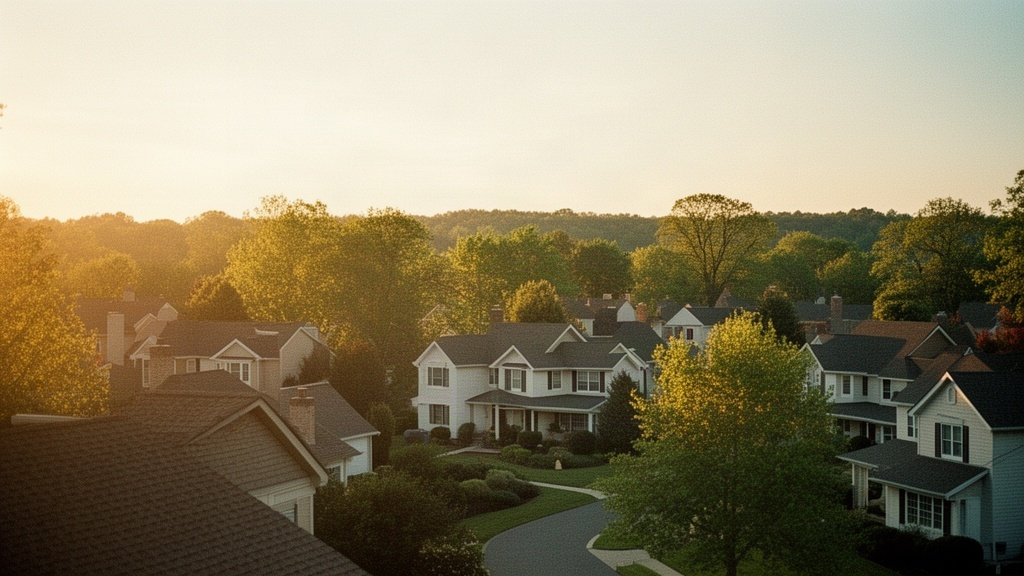
Portland's luxury segment is not monolithic. A $1.6 million home in Hillsdale or Multnomah Village might be a 1960s mid-century ranch with a view and a full remodel. A $1.6 million property in Dunthorpe or the West Hills might be a 5,000-square-foot craftsman on a half-acre lot with a detached guest suite. The price tag alone does not tell you much; the land, the architecture, the finish level, and the lot privacy are what separate a true luxury home from an expensive one.
How Portland Compares to National Trends
Nationally, the luxury segment has shown resilience that the broader market has not always matched. According to HousingWire, the global luxury real estate market is projected to exceed $330 billion by 2030, driven by wealth concentration, limited supply of trophy properties, and sustained demand from high-net-worth buyers who are less sensitive to mortgage rate swings. Portland participates in that trend, though at a smaller scale than coastal gateway cities like Seattle or San Francisco.
What that means practically for Portland buyers is that the luxury home market here tends to hold value through broader corrections. It does not mean luxury homes are immune to price adjustments, but the pool of sellers at this level is smaller, and motivated sellers are rarer, which keeps distressed pricing uncommon.
2. Where Portland Luxury Homes Are Concentrated
Portland's luxury inventory is not evenly distributed across the city. It clusters in a handful of established corridors, each with distinct architectural character, lot sizes, and proximity to the urban core. Buyers who understand these concentrations can search more efficiently and set realistic expectations before touring.
West Hills and the Heights
The West Hills contain Portland's densest concentration of high-value residential properties. Neighborhoods like Council Crest, Westover, and the upper reaches of Hillside hold homes ranging from 3,000 to well over 7,000 square feet, many with panoramic views of Mount Hood, Mount St. Helens, and the Tualatin Valley. Lot sizes here vary widely: some parcels are tight hillside lots where the view is the premium, while others sit on half-acre to full-acre grounds with mature Douglas fir canopy. Architectural styles run from 1920s Tudor revivals to post-2000 contemporary builds with floor-to-ceiling glass.
Commute logistics matter here. Driving from the upper West Hills to downtown Portland typically takes 15 to 25 minutes depending on the specific address and time of day. The winding roads that give these properties their seclusion also mean that transit access is limited, so most residents drive. Buyers who want walkability to restaurants or shops will find the tradeoff significant.
Lake Oswego and Dunthorpe
Lake Oswego, about 8 miles south of downtown Portland, holds some of the metro area's most sought-after luxury inventory. Lakefront properties on Oswego Lake command prices that routinely clear $3 million and can reach $6 million or more for larger estates with private dock access. The surrounding residential streets feature a mix of 1970s and 1980s traditional builds alongside newer construction, with lot sizes generally running from a quarter acre to just over an acre. If you are researching the buying process there in detail, the guide on buying a home in Lake Oswego covers costs and timelines specific to that market.
Dunthorpe sits between Lake Oswego and the Willamette River, technically within Portland's city limits but with an estate-scale character that sets it apart. Properties here regularly exceed 5,000 square feet and sit on lots of one acre or more, with some parcels extending to three or four acres. Dunthorpe has historically been one of the more private pockets of the Portland metro, and its inventory turns over slowly, meaning buyers need to monitor it consistently.
The Pearl District and Inner Northwest
Urban luxury in Portland looks different from its suburban counterpart. The Pearl District offers high-floor condominium units that enter the luxury tier at around $1.2 million to $1.5 million, with penthouse and sub-penthouse units in buildings like the Tanner Place or the Cosmopolitan on the Park reaching $2 million to $4 million or more. These properties offer walkability scores above 90, proximity to Powell's Books, the South Park Blocks, and the streetcar line, and building amenities including concierge services, rooftop terraces, and secure parking. The tradeoff is square footage: urban luxury buyers typically accept 1,800 to 3,000 square feet in exchange for location and lifestyle.
Northwest Portland's 23rd Avenue corridor and the Kings Heights area also hold luxury single-family homes, particularly Victorian-era and Craftsman properties that have been fully updated. For a broader look at pricing and timing across that corridor, the Northwest Portland real estate market guide provides useful context.
Eastside Pockets Worth Watching
Portland's eastside has a smaller luxury footprint, but it exists. Alameda Ridge in Northeast Portland features homes with territorial views and original 1920s architecture on larger lots, with select properties clearing $1.5 million. Laurelhurst holds some of the city's most architecturally significant Craftsman and Colonial Revival homes, and a handful of those trade above $1.2 million to $1.8 million. These properties attract buyers who prioritize architectural character and established tree canopy over square footage.
3. What the Luxury Home Market in Portland Looks Like Right Now
As of September 2026, Portland's luxury segment is moving at a measured pace with more negotiating room than buyers saw in 2021 or 2022. That shift benefits prepared buyers who know how to use market data strategically.
Inventory and Days on Market
Luxury inventory in the Portland metro currently sits at a higher level than it did during the 2020 to 2022 run-up, which compressed supply sharply. Homes priced above $1.5 million in the Portland metro are averaging 45 to 75 days on market as of September 2026, depending on the submarket. Properties above $3 million are sitting longer, often 90 to 120 days before a contract is accepted. That extended timeline reflects both the smaller buyer pool at these price points and sellers who entered the market with aspirational pricing and have since adjusted.
Lakefront properties in Lake Oswego remain the exception. When a true lakefront home with dock access comes to market, it often moves faster than the broader luxury average because the supply is physically constrained: Oswego Lake has a finite number of waterfront parcels, and they rarely change hands. Buyers targeting that specific product should be prepared to act within days, not weeks.
Pricing Trends and Negotiation Room
List-to-sale price ratios in Portland's luxury segment currently run between 93% and 97% for well-priced properties. That means a home listed at $2.5 million is realistically selling somewhere between $2.325 million and $2.425 million in most cases. Overpriced listings that have sat for 90 days or more sometimes see larger concessions, but sellers at this level are rarely distressed, so dramatic discounts are uncommon. The negotiation tends to happen in the terms as much as the price: closing timelines, included personal property, seller credits for deferred maintenance, and contingency structures all carry real dollar value.
National reporting from HousingWire noted that the luxury segment showed consistent strength through 2025, with buyer demand holding even as the broader market cooled. That pattern has continued into 2026 in Portland, where cash buyers and buyers using jumbo financing have kept activity steady even as conforming-loan buyers pulled back.
4. What Buyers Should Know Before Making an Offer
The luxury home market rewards preparation. Buyers who arrive with financing confirmed, a clear sense of their must-haves, and an understanding of how due diligence works at this price point are far better positioned than those who are still working through the basics when a strong property hits the market.
Due Diligence on High-Value Properties
A standard home inspection is not enough at the luxury level. Buyers purchasing a West Hills property with a view deck, an infinity pool, a wine cellar, and a home automation system should budget for specialized inspections covering each of those systems separately. A structural engineer review is worth commissioning on any hillside property in Portland, given the region's soil conditions and the prevalence of older retaining walls. Sewer scope inspections are standard practice across all Portland price points, but at the luxury level, older estate properties may have clay or Orangeburg pipe that requires full replacement.
Budget $3,000 to $8,000 for a thorough inspection package on a luxury home, depending on the property's size and complexity. That cost is small relative to the purchase price, and the findings often create legitimate negotiation points that recover multiples of the inspection fee.
Financing Considerations at the Luxury Level
Most Portland luxury purchases above $1.5 million involve jumbo loans, which sit above the conforming loan limit set annually by the FHFA. Jumbo lenders typically require a credit score of 720 or higher, a debt-to-income ratio below 43%, and cash reserves equal to 12 to 18 months of mortgage payments. Down payment requirements commonly run 20% to 30% at this tier. Getting a full underwriting approval, not just a pre-qualification letter, before touring seriously is a meaningful competitive advantage.
Cash buyers make up a meaningful share of Portland luxury transactions. If you are financing, be prepared for sellers and their agents to scrutinize your loan documentation carefully. A financing contingency is standard, but a shorter contingency period, say 14 to 17 days rather than 21, can make your offer more attractive without eliminating the protection.
The Role of Off-Market Listings
A significant portion of Portland luxury transactions never appear on the MLS. Sellers at the $2 million-plus level often prefer the privacy of a quiet sale, particularly when the property is still occupied and the seller has not yet decided on timing. These off-market opportunities circulate through agent networks, and buyers who are represented by an agent with strong luxury relationships in the Portland market gain access to properties that the general public never sees. This is one of the most practical reasons to work with a specialist from the start rather than browsing portals and calling listing agents directly.
Forbes has reported that ultra-wealthy buyers consistently use tight professional networks and dedicated buyer representation to access inventory before it becomes public, a strategy that applies directly to Portland's luxury tier. You can read more about that approach in this Forbes piece on what high-net-worth buyers do differently.
5. Choosing the Right Representation in Portland's Luxury Market
The agent who helped you buy a $450,000 starter home may not be the right fit for a $2.5 million purchase. That is not a criticism of any individual agent; it reflects the fact that luxury transactions involve different negotiation dynamics, different inspection protocols, different financing structures, and a different pool of seller motivations. Buyers should choose representation accordingly.
Why Specialist Experience Matters
An agent who regularly closes luxury transactions in Portland understands how to read a high-end disclosure packet, how to structure an offer that competes without overpaying, and how to navigate the longer timelines and more complex contingencies that come with estate-level properties. They also have relationships with the listing agents who represent the sellers of luxury homes, which matters in a market where trust and professional reputation influence how offers are received. For a deeper look at what to look for in a luxury specialist, the guide on finding a luxury home specialist realtor in Portland covers that in detail.
Questions to Ask Before You Sign
Before committing to a buyer's agent for a luxury purchase, ask how many transactions they have closed above your target price point in the past 24 months, which Portland luxury submarkets they know most deeply, and how they access off-market inventory. Ask specifically about their approach to inspection coordination, their relationships with jumbo lenders, and how they handle multiple-offer situations at the luxury level. The answers will tell you quickly whether their experience matches your needs.
Tiffany Pool of Realty ONE Group Prestige works with luxury buyers across the Portland metro, including the West Hills, Lake Oswego, Dunthorpe, and the Pearl District. Her knowledge of this market's specific inventory patterns, pricing history, and off-market channels gives buyers a concrete advantage when competing for high-value properties.
FAQ
What price point is considered luxury in the Portland, Oregon real estate market?
In the Portland metro as of September 2026, the luxury home market generally starts around $1.5 million for single-family homes, though in specific areas like lakefront Lake Oswego or upper Dunthorpe, the practical entry point is closer to $1.8 million to $2 million. Urban luxury condominiums in the Pearl District can enter the tier at $1.2 million to $1.5 million, though the most significant penthouse units trade from $2 million to $4 million or more. These thresholds shift over time as the broader market moves, so it is worth checking current comparable sales with a local agent rather than relying on a fixed number.
How long does it take to buy a luxury home in Portland?
From the start of an active search to a closed transaction, most Portland luxury buyers should plan for three to six months, though that range varies significantly. Buyers targeting a specific product like a lakefront property in Lake Oswego or a West Hills estate with particular features may search longer simply because inventory is thin. Once under contract, luxury transactions typically take 30 to 45 days to close, though more complex deals with multiple inspections, jumbo loan underwriting, or seller leaseback arrangements can extend to 60 days. Getting financing fully approved before searching compresses the timeline once you find the right property.
Are off-market luxury homes common in Portland, and how do buyers access them?
Off-market transactions are a meaningful part of Portland's luxury segment, particularly above the $2 million mark, where sellers often prioritize privacy and prefer to avoid the exposure of a public MLS listing. These properties circulate through agent-to-agent networks, meaning a buyer who is represented by an agent with strong relationships in the luxury community gains access to opportunities that never appear on Zillow or Realtor.com. The most direct way to access off-market Portland luxury inventory is to work with an experienced local agent early in your search, communicate your criteria clearly, and allow them to reach out proactively to their network on your behalf. Waiting until a property hits the public market means competing with every other buyer who has been watching.