
← Back to Blog
Market Trends
Haleyville, Alabama Real Estate Market Guide: Prices, Neighborhoods and Timing
By Toni Hester, Associate Broker
Main Street Real Estate
September 10, 2026 · 11 min read
Whether you are buying your first home, selling a property you have owned for years, or relocating to Winston County, this Haleyville, Alabama real estate market guide covers what you actually need to know: current prices, how the different parts of town compare by housing stock and features, and how to think about timing your move in September 2026.
1. How the Haleyville Market Fits Into the Broader Alabama Picture
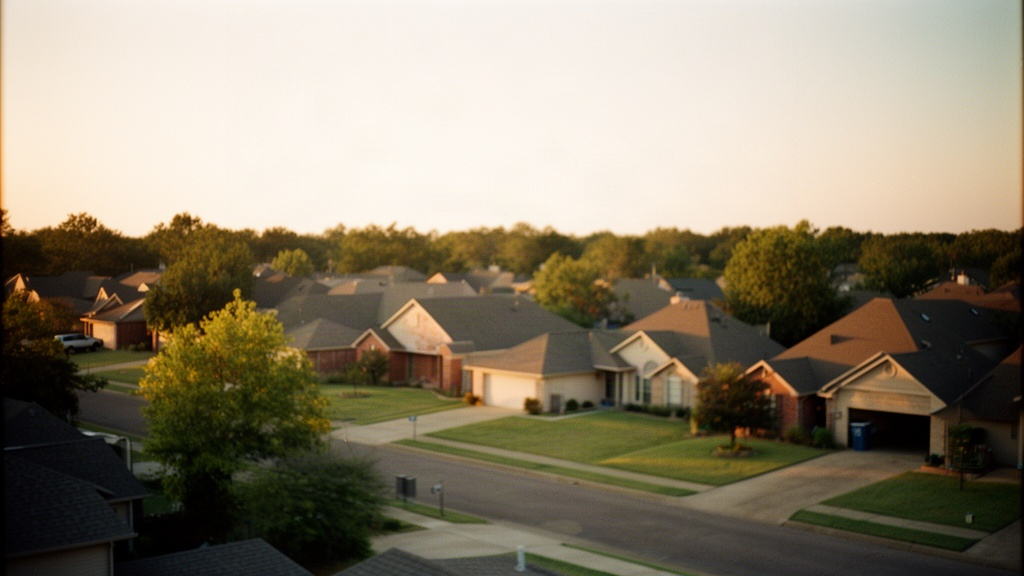
Haleyville sits in a distinct position within Alabama real estate. It is a small city of roughly 4,000 residents in Winston County, located along US-195 in the foothills of the Bankhead National Forest region. That geography shapes everything about its market: the price points are well below state averages, the housing stock skews toward owner-occupied single-family homes, and the pace of transactions is slower and more deliberate than you would find in Huntsville or Birmingham.
What Makes Haleyville Distinct From Larger Alabama Markets
Alabama's housing market has been splitting in two. According to reporting from HousingWire, affordable homes across Alabama are selling quickly while higher-priced inventory lingers. Haleyville falls squarely on the affordable side of that divide. Homes priced in the $120,000 to $220,000 range, which covers a large portion of what is listed here, tend to generate genuine buyer interest because they are attainable for people financing with conventional or USDA loans.
Haleyville is not a commuter suburb of a major metro, and that matters. Buyers here are typically people who want to live and work in or near Winston County, not people trading a long drive for a lower mortgage. That keeps demand local and relatively steady rather than driven by the boom-and-bust cycles that affect markets closer to Huntsville or Tuscaloosa.
Inventory and Affordability in Winston County
Inventory in Haleyville has historically been thin. At any given time, the active listing count for the city and its immediate surroundings tends to be in the low dozens rather than the hundreds. That means buyers who find a home that fits their needs should move thoughtfully but without excessive delay, because a comparable property may not appear on the market for months.
A broader challenge facing markets like Haleyville is limited new construction. Reporting on Alabama's housing supply notes that new construction has struggled to keep pace with demand in smaller Alabama cities, which puts additional pressure on the existing resale inventory. For Haleyville, that means most buyers are shopping from a pool of homes built between the 1950s and the early 2000s, with occasional newer builds on the edges of town or on rural acreage.
2. What Homes in Haleyville Look Like and What They Cost
The Haleyville housing market covers a wide range of property types and price points. From compact in-town bungalows to multi-acre parcels with older farmhouses, the market has something at nearly every budget level that is realistic for a small Alabama city. Understanding what you get at each price tier is essential before you start making offers.
For a deeper look at what prices are doing right now, the companion article What Are Home Prices Doing in Haleyville Alabama Right Now in September 2026 covers current median figures and month-over-month movement in detail.
Entry-Level and Mid-Range Housing Stock
At the entry level, roughly $90,000 to $150,000, buyers in Haleyville typically find older single-story homes with two or three bedrooms, often on smaller in-town lots. Many of these properties were built in the 1960s through 1980s and reflect the craftsman-influenced vernacular common across northwest Alabama. Expect original hardwood floors in some cases, older HVAC systems, and kitchens that may need updating. These homes are structurally sound in many cases but usually require some investment after purchase.
The mid-range, from about $150,000 to $230,000, opens up considerably more options. In this tier you will find three and four-bedroom homes with updated kitchens and baths, attached garages, and lots that often run a quarter to a half acre. Some of these properties have been renovated within the last decade. Others are move-in ready with newer roofs and mechanical systems. This price band represents the core of the Haleyville market and is where most transactions occur.
Larger Homes and Rural Acreage
Above $230,000, the market shifts toward larger footprints and land. Properties in the $230,000 to $350,000 range frequently include two or more acres, detached workshops or barns, and homes with 1,800 to 2,800 square feet of living space. Buyers who want a rural setting with Haleyville's amenities within a short drive tend to find this tier compelling. Parcels along county roads outside city limits can offer five to twenty acres at prices that would not be possible in most Alabama metros.
Homes above $350,000 are rare in Haleyville and tend to be either custom-built newer construction on significant acreage or fully renovated historic properties near downtown. These listings can sit longer because the buyer pool at that price point is smaller in a market of this size.
Price Per Square Foot Context
Price per square foot in Haleyville currently runs between roughly $80 and $130 for most resale homes, depending on condition, location within the city, and lot size. Updated kitchens, newer roofs, and HVAC systems installed within the last five years push a home toward the upper end of that range. Deferred maintenance or dated interiors pull it toward the lower end. Rural properties with significant acreage are often priced more on land value than on square footage alone, so the per-square-foot metric matters less there.
3. The Different Parts of Haleyville and What Each Offers
Haleyville's geography divides naturally into a few distinct zones, each with its own housing character. Understanding those zones helps buyers target their search and helps sellers understand who is likely to be interested in their property. The full breakdown of the different areas around Haleyville is covered in the companion article What Are the Different Neighborhoods and Areas to Live in Around Haleyville, Alabama, but here is how those areas affect pricing and market behavior.
In-Town Neighborhoods Near US-195 and Downtown
The streets closest to downtown Haleyville and along the US-195 corridor contain the city's oldest and most established residential blocks. Lots here are typically smaller, from 6,000 to 15,000 square feet, and the homes reflect decades of owner updates layered onto older structures. You will find brick ranch homes from the 1960s and 1970s alongside wood-frame houses from earlier eras. Proximity to Haleyville's commercial district on US-195, including grocery options, pharmacies, and local restaurants, is a practical advantage for in-town buyers.
Bear Creek Reservoir and the recreational areas associated with it are within a reasonable drive of most in-town addresses. The reservoir offers fishing and boating access that residents cite as one of the area's more tangible outdoor amenities. Haleyville City Park, located near the center of town, provides additional green space, walking areas, and facilities used for community events throughout the year.
Outlying Areas and Rural Roads
Moving out from the city center along roads like County Road 41, County Road 43, and the various state routes feeding into Haleyville, the lots expand and the homes become more spread out. Properties here often sit on two to ten acres and include outbuildings, pasture, or wooded land backing up to the terrain of Winston County. These homes appeal to buyers who want space between neighbors and room for gardens, livestock, or recreational use of the land itself.
The tradeoff for rural acreage is distance from services. A property ten miles outside Haleyville on a county road may be fifteen to twenty minutes from the nearest grocery store or medical facility. Buyers considering rural properties should map those distances before committing, particularly if regular access to healthcare or specific services is a priority.
New Construction Availability
New construction in Haleyville is limited but not absent. Small subdivisions and individual spec homes do appear periodically, typically on the eastern and northern edges of the city where undeveloped land is more accessible. These homes tend to be priced in the $200,000 to $280,000 range and offer the advantage of modern energy efficiency, updated layouts, and builder warranties. However, buyers should expect fewer options and longer waits compared to resale inventory.
4. Timing the Haleyville Market: When to Buy or Sell
Timing in a small market like Haleyville works differently than in a large metro. The seasonal swings are real but more muted, and individual listing decisions often matter more than broad market timing. That said, understanding the rhythms of the Haleyville market helps both buyers and sellers make smarter decisions.
Seasonal Patterns in a Small-City Market
Spring, from March through May, is historically the most active period for listings and buyer activity in Haleyville. Sellers who list in spring benefit from more buyers actively searching, which can reduce days on market and support stronger offers. Summer activity remains reasonable through July but tends to slow in August as families settle before the school year. Fall brings a secondary wave of buyers, particularly those who missed out in spring or who are relocating for work.
Winter, from November through February, is the slowest period for listings. Fewer homes come to market, which means buyers face less competition but also fewer choices. Sellers who list in winter are typically motivated, and that can create negotiating opportunities for buyers willing to shop during the slower season.
What September 2026 Conditions Mean for You
Right now in September 2026, the Haleyville market is in its post-summer transition. Buyer activity has pulled back slightly from the June and July peak, but serious buyers are still active. Sellers who listed in summer and have not yet sold may be more open to negotiation on price or terms than they were two months ago. For buyers, this window between the summer rush and the fall slowdown can offer a practical advantage: less competition than spring, but still a reasonable selection of active listings.
Interest rates in September 2026 continue to influence how much home buyers can afford. Even modest rate changes affect monthly payments meaningfully on a $180,000 loan. Buyers who are pre-approved and ready to move quickly are in a stronger position than those still working through financing, regardless of the season.
How Long Homes Are Sitting Before They Sell
Days on market in Haleyville varies significantly by price tier and condition. Well-priced, move-in-ready homes in the $130,000 to $200,000 range have been moving in 30 to 60 days during active seasons. Homes that need work or are priced above what the local buyer pool supports can sit for 90 to 180 days or longer. Properties with significant deferred maintenance or priced above $300,000 without compelling acreage or features often require price reductions before they attract offers.
For sellers, this means pricing accurately from day one is more important than it might seem. In a market with thin inventory and a small buyer pool, an overpriced listing does not just sit; it becomes stigmatized. Buyers in small markets notice when a home has been listed for months, and they factor that into their offers. Getting the price right at launch protects both your timeline and your net proceeds.
5. Practical Steps for Buyers and Sellers in Haleyville Right Now
Knowing the market is one thing; acting on it effectively is another. Here is what buyers and sellers should be doing in September 2026 to position themselves well in the Haleyville, Alabama real estate market.
Steps for Buyers Entering the Market
Get pre-approved before you tour homes. In a thin-inventory market, the gap between finding a home and losing it to another buyer can be days rather than weeks. A pre-approval letter from a lender puts you in a position to make an offer quickly without scrambling for financing documentation at the last minute.
Clarify your USDA eligibility early. Much of Winston County, including properties outside Haleyville's city limits, qualifies for USDA Rural Development loan programs, which allow eligible buyers to purchase with no down payment. If you are considering a rural property or one on the outskirts of town, checking USDA eligibility maps before you start your search can open up financing options you might not have considered.
Budget for inspections and due diligence on older homes. A significant portion of Haleyville's housing stock is 30 to 60 years old. A thorough home inspection, including roof, HVAC, plumbing, and electrical, is not optional in this market. Knowing the condition of a home before you close protects you from surprises that could cost thousands within the first year of ownership.
You can browse current listings to get a sense of what is available right now in the homes for sale in Haleyville, Alabama overview, which is updated regularly.
Steps for Sellers Preparing to List
Price your home based on what has actually sold, not what is currently listed. Active listings in Haleyville represent what sellers are asking, not what buyers are paying. Comparable sales from the past three to six months in similar condition and location give a far more accurate picture of where your home will actually transact.
Address visible deferred maintenance before listing. In a market where buyers are often financing with FHA or USDA loans, appraisal and inspection requirements are stricter than in a cash-heavy market. Peeling paint, roof issues, and non-functioning systems can create loan conditions that delay or kill a transaction. Fixing these items before listing reduces the risk of a deal falling apart after you are already under contract.
Invest in professional photography. Most buyers in Haleyville begin their search online, even if they are already familiar with the area. Listings with clear, well-lit photos generate more showing requests than those with dark or blurry images. In a market where a listing may only attract a handful of serious buyers, every showing matters.
FAQ
Is Haleyville, Alabama a buyer's market or a seller's market in September 2026?
Haleyville is currently a relatively balanced market with a slight lean toward sellers in the most affordable price tiers, where inventory is thinnest and buyer demand is most consistent. Homes priced between $130,000 and $200,000 in good condition tend to move within 30 to 60 days, giving sellers in that range reasonable negotiating leverage. At higher price points, above $280,000, the balance shifts toward buyers because the local buyer pool is smaller and days on market stretch longer. Buyers willing to be patient and thorough in their search can find genuine value, particularly on homes that have been listed for 90 days or more.
What should I know about financing a home in Haleyville before I start shopping?
USDA Rural Development loans are available for many properties in and around Haleyville, including some addresses within the city limits and most outside it, and they allow eligible buyers to purchase with no down payment. FHA loans are also widely used in this market given the price points involved, and they require a minimum 3.5% down payment with a qualifying credit score. Conventional financing is available as well, and some buyers use it to avoid mortgage insurance if they have 20% or more to put down. Getting pre-approved before you start touring homes is particularly important in a thin-inventory market, because waiting until you find a property to start the financing process can cost you the home. A local lender familiar with Winston County properties and USDA eligibility maps can be a significant advantage.
How does Haleyville's real estate market compare to nearby towns like Hamilton or Russellville?
Haleyville, Hamilton in Marion County, and Russellville in Franklin County all share the general characteristics of small northwest Alabama markets: affordable price points, older housing stock, and limited new construction. Haleyville's median prices tend to be in a similar range to Hamilton and slightly below Russellville, which has benefited from more commercial development along US-43. Each market has its own inventory dynamics and buyer pool, so direct price comparisons can be misleading without looking at specific property types and conditions. The best way to understand how Haleyville compares for your specific situation is to look at what comparable properties have actually sold for in each area within the past six months, which is something a local agent can pull for you quickly.