
← Back to Blog
Maine Home Buying
Buying a Very Low-Priced Home in Maine: Look Beyond the Asking Price
By Tony Duong, Broker Associate
Landing Real Estate · License # BA923377
October 26, 2026 · 3 min read
A low asking price deserves a closer look at what you receive and what it will take to use the property.
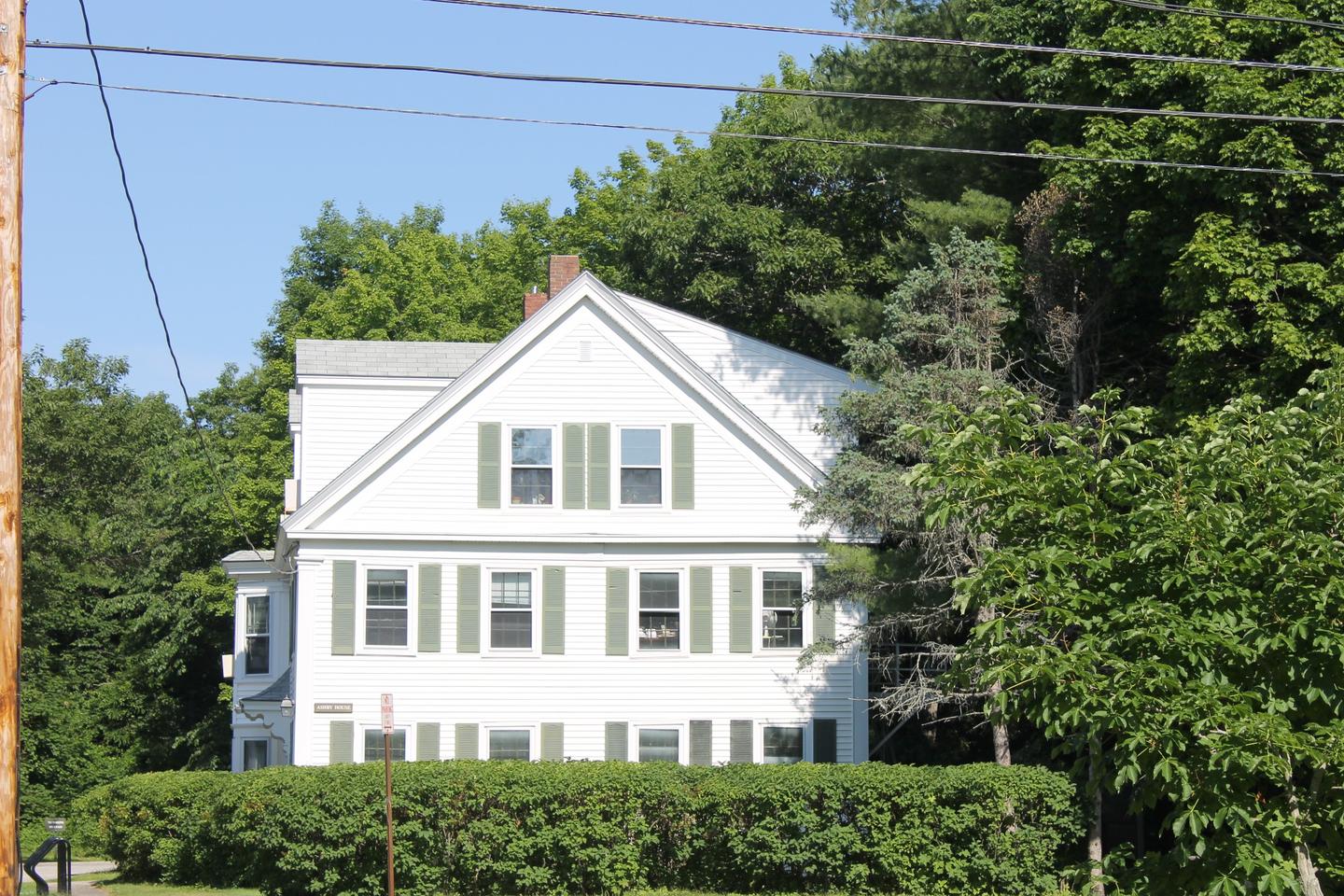
Before buying a very low-priced home in Maine, establish what is being sold, whether it can be legally occupied, what repairs it needs and which financing options actually fit. The useful comparison is the cost of getting a workable home—not simply the smallest number in a search result.
Identify exactly what the listing includes
Check whether the price buys a home and land, a manufactured home on a rented lot, a seasonal structure or an ownership interest with unusual restrictions. Read the listing documents and ask for the deed or other ownership records. An inexpensive structure without land creates a different budget from a house on its own parcel.
Confirm legal access and the intended use with the appropriate authorities. A road on an aerial image does not establish a right to drive across another owner’s land. If the property is advertised as needing rehabilitation, ask whether anyone can occupy it now and what approvals are required before moving in.
Build a repair budget in the right order
Prioritize the structure, roof, heating, electrical, plumbing and wastewater systems before choosing finishes. Schedule inspections appropriate to the property and obtain written estimates for major work. Ask contractors what they could not inspect and what additional investigation is necessary.
Divide the estimate into immediate work, work required by a lender or insurer, and later improvements. Include permits, debris removal, temporary accommodation and an allowance for unknown conditions. A renovation budget without those items can make two homes look comparable when they are not.
Confirm financing for this house, not just your income
A preapproval does not mean every property qualifies. Give the lender the address and known condition issues before assuming a standard mortgage will work. Ask whether utilities must operate for inspections or appraisal and whether required repairs can be completed before closing.
Some buyers may qualify for a renovation loan. HUD’s Section 203(k) program can combine eligible acquisition and rehabilitation costs, subject to lender, borrower, property and project requirements. It is not an automatic solution for every distressed building. Discuss the contractor process and timing before writing an offer dependent on it.
Compare the cost of becoming ready to live there
Use a worksheet with purchase price, closing costs, immediate repairs, financing costs and carrying expenses during construction. Then compare that total with a more usable alternative. Do not double-count a financed repair as both cash due at closing and a separate cash expense; show the funding source.
For illustration, a $120,000 home needing $90,000 of work starts at $210,000 before other costs. A $200,000 home with fewer immediate needs may be easier or harder to afford depending on financing and reserves. These figures illustrate a method, not available inventory or a promised renovation result.
Know what would make you stop
Set limits before negotiating: the maximum cash you can commit, the longest delay you can manage and the unresolved defects you will not accept. Put suitable investigation rights and deadlines into the offer with your agent. An as-is sale still needs careful review of the contract and the property.
When hiring construction work, review the Maine Attorney General’s home construction guidance. Ask for references, insurance and a clear written scope. A low purchase price leaves little room for a vague repair agreement.
Start with a complete purchase checklist
Download the free Maine Home Buyer’s Guide using the Home Buyer Guide request form. Enter your name and email, then use the guide to track your financing and inspection deadlines while you investigate the property’s true cost.
FAQ
Does a cheap Maine house qualify for a regular mortgage?
Possibly, but the property must satisfy the chosen loan program and lender requirements. Ask about known condition issues before relying on financing.
Is a cash purchase safer for a fixer-upper?
Cash can remove a lending obstacle, but it does not resolve title, occupancy, repair or insurance problems.
Can I rely on a seller’s repair estimate?
Treat it as background. Obtain your own inspections and estimates for the work you would need.