
← Back to Blog
Maine Home Buying
Buying an Off-Grid Home in Maine: Questions to Settle Before Closing
By Tony Duong, Broker Associate
Landing Real Estate · License # BA923377
October 26, 2026 · 3 min read
Ask how the house operates during a difficult winter week, not just during a sunny showing.
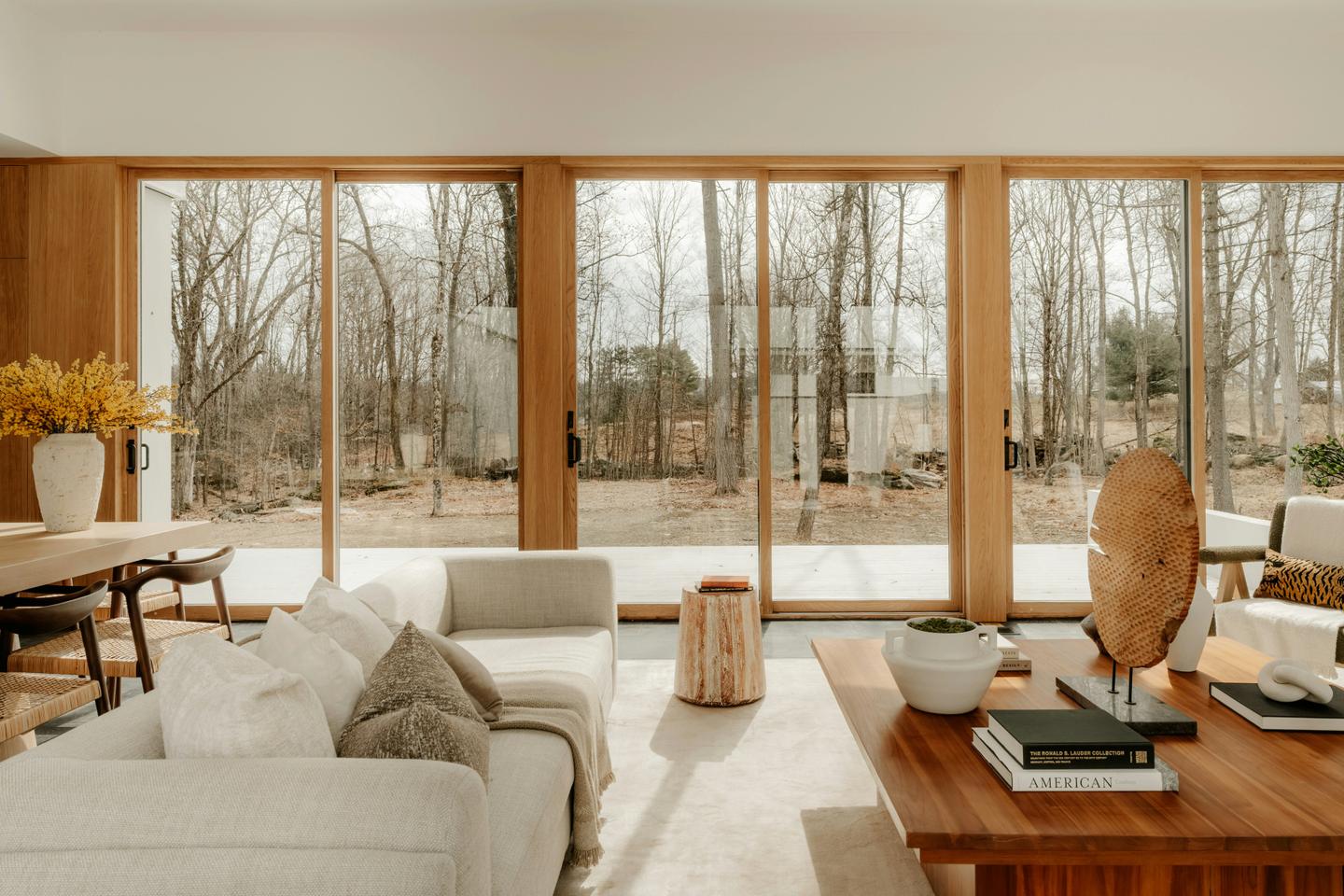
When buying an off-grid home in Maine, verify legal residential use and evaluate the systems that replace utility services. Power production, battery storage, backup generation, drinking water, wastewater and access must work together. “Off-grid” describes a service arrangement; it does not establish that the property is permit-exempt or ready for full-time living.
Define what is disconnected and what still depends on fuel
Ask which services are independent: electricity, water, sewer, heat and communications. A solar-powered home may still rely on propane, delivered fuel or a generator. Obtain a written equipment inventory with model numbers, installation dates, warranties and service records.
List your expected loads, including the well pump, refrigeration, internet equipment and any medical or work needs. Compare them with the seller’s documented use. A system suited to occasional weekends may not meet a full-time household’s demand.
Have a professional evaluate the winter power plan
Request production records, battery condition information and generator run hours. Ask a qualified installer to assess usable storage, equipment compatibility and the cost of replacement. A panel count alone does not reveal how long essential equipment will run during limited generation.
The U.S. Department of Energy’s small-wind guidebook describes the role of storage in stand-alone systems. Whether this property uses solar, wind or both, ask for a design based on its resources and your loads, plus a credible backup plan. Do not project summer output across the entire year.
Investigate water and wastewater independently
Arrange appropriate private-water testing and inspect treatment, pumps and freeze protection. Ask how water is available during a power failure and how much electricity the pump needs. A reliable source and a working delivery system are separate questions.
For wastewater, request the design, permits and service history and involve the local plumbing inspector or site evaluator as needed. Alternative equipment does not automatically remove wastewater requirements. The Maine CDC permitting information is a starting point for understanding the review process.
Confirm occupancy, access and insurability
Ask the municipality or LUPC, as applicable, about permits, authorized residential use and unresolved violations. Review deeded access and road-maintenance arrangements. Confirm that fuel deliveries, emergency response and winter servicing are practical at the site.
Give the lender and insurer the actual system details early. Ask what inspections, heat sources, access conditions and documentation they require. A generic preapproval or insurance estimate for an ordinary utility-connected home may not answer the questions raised by this property.
Budget for ownership work as well as equipment
Build a schedule for maintenance, fuel deliveries, battery replacement, generator service and monitoring. Price professional support and ask how quickly someone can reach the property. Include the cost of learning and operating the systems if you will manage them yourself.
Before removing contingencies, request a walkthrough with the seller and relevant installer. Have them demonstrate normal operation, alarms, shutoffs and outage procedures. Keep manuals and a service-contact list. The practical test is whether the home can support your routine at a cost and workload you accept.
Pair the technical review with a buyer checklist
Get my free Maine Home Buyer’s Guide by completing the Home Buyer Guide name-and-email form. Use it to track the purchase process while you assemble the system reports and written answers for an off-grid property.
FAQ
Does off-grid mean no permits are required?
No. Verify land use, occupancy and the approvals applicable to the property and its systems with the reviewing authorities.
How much battery storage does an off-grid home need?
It depends on essential loads, local generation, desired backup duration and other equipment. Have a qualified designer assess the specific home and your use.
Can I finance an off-grid home?
Options depend on the property and lender. Provide the address, system details and occupancy information before relying on a loan approval.