← Back to Blog
Neighborhoods
What Is the Downtown Livermore Area Like to Live In and What Has Been Developed There Recently
By Tonya Dennett
Coldwell Banker Realty
September 26, 2026 · 10 min read
Downtown Livermore is one of the most actively evolving parts of the Tri-Valley, with new housing, converted office buildings, and an established walkable core that draws buyers who want to be close to restaurants, wine tasting rooms, and the Livermore BART station. If you have been wondering what the Downtown Livermore area is like to live in and what has been developed there recently, this guide covers the physical character of the neighborhood, current and completed projects, housing types and price ranges, and what to expect if you are considering buying or renting there.
1. The Physical Character of Downtown Livermore
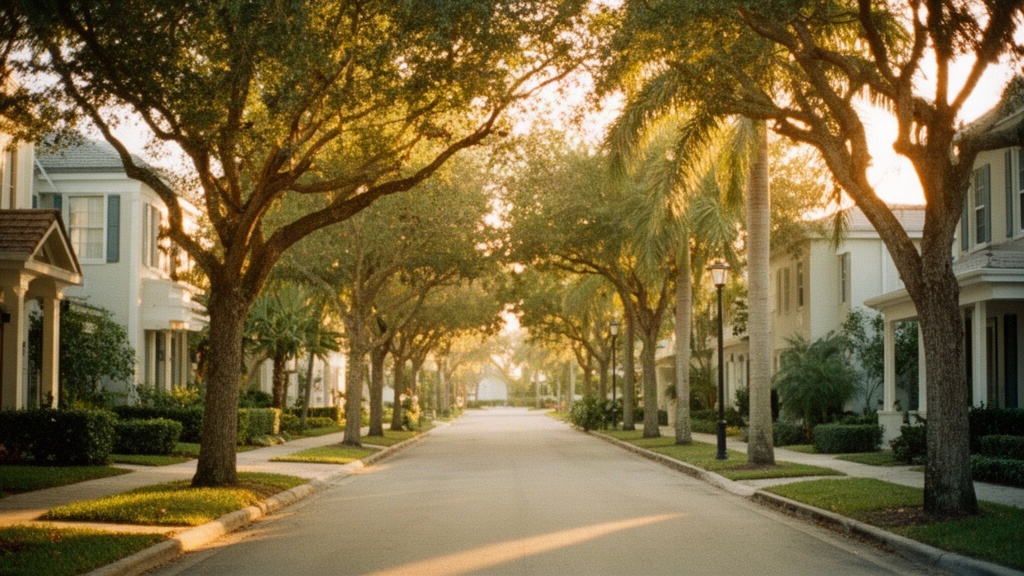
Downtown Livermore has a compact, walkable core centered on First Street, a tree-lined commercial boulevard that runs east to west through the heart of the city. The district is roughly bounded by Livermore Avenue to the west, South L Street to the east, Railroad Avenue to the north, and South P Street to the south, covering about ten square blocks of mixed residential, retail, and civic uses.
Street Layout and Walkability
The street grid is flat and pedestrian-scaled. Most destinations on First Street are within a five to ten minute walk of each other, and the city has invested in wide sidewalks, outdoor dining parklets, and decorative lighting along the main corridor. Cross streets like South Livermore Avenue and South K Street connect the commercial strip to the surrounding residential blocks with minimal traffic interruption.
The area scores well for walkability by Bay Area inland standards, though it is not a car-free neighborhood. Residents who live within a few blocks of First Street can walk to coffee shops, restaurants, a farmers market held on Sundays, and the Livermore Valley Performing Arts Center without needing to drive. Grocery runs and most errands still require a car or a short bike ride.
Dining, Wine, and Retail on First Street
First Street is anchored by a dense cluster of wine tasting rooms, which reflect Livermore Valley's identity as one of California's oldest wine-producing regions. Wente Vineyards, Concannon, and dozens of smaller producers maintain tasting rooms within a short drive of downtown, and several have outposts directly on First Street itself. Alongside wine, the corridor holds a range of restaurants spanning casual taquerias to sit-down Italian and farm-to-table concepts, plus independent boutiques and a handful of service businesses.
The Livermore Certified Farmers Market runs every Sunday morning near First and Livermore Avenue, drawing vendors from the surrounding agricultural areas. This kind of street-level activity makes downtown feel lived-in on weekends in a way that many Tri-Valley commercial districts do not.
Parks and Open Space Within Walking Distance
Stockmen's Park sits just south of the downtown core at the corner of South P Street and Railroad Avenue, offering a small lawn area and picnic space. Centennial Park, about half a mile northeast of First Street, provides a larger recreational footprint with sports fields, a playground, and a community center. The Arroyo Mocho trail system connects from the eastern edge of downtown into a regional multi-use path that extends toward the Livermore hills, giving residents a direct walking and cycling route without crossing major arterials.
2. Recent Development Projects in Downtown Livermore
Downtown Livermore has seen more development activity in the past two years than at any point in the previous decade. Several projects that were stalled by financing challenges and the pandemic-era slowdown are now moving forward, and the city has approved a series of conversions and new-construction projects that will meaningfully add to the housing supply in the immediate downtown area.
New Apartment Construction Breaking Ground in 2026
In May 2026, ground broke on a long-awaited apartment project that converts a surface parking lot in the downtown core into a residential building. According to reporting from the Pleasanton Weekly, the project had been in planning for years before finally moving forward this spring, replacing underused asphalt with multi-story residential units directly adjacent to the commercial district. Projects like this one are part of Livermore's broader strategy to add housing within walking distance of services and transit rather than pushing new density to the city's outer edges.
The parking-lot-to-housing model is significant for buyers to understand because it changes the character of the blocks immediately surrounding First Street. Where there were once open lots and low-slung commercial buildings, there will be mid-rise residential buildings with ground-floor retail, bringing more foot traffic and more residents to a corridor that already has strong weekend activity.
Office-to-Housing Conversions Approved
Livermore has also approved a major office-to-housing conversion project near the downtown area. This type of adaptive reuse takes underoccupied commercial office space, a category that expanded significantly after remote work shifted demand patterns, and repurposes the structure for residential units. The city's approval of this project signals a willingness to use existing building stock rather than requiring entirely new construction, which can accelerate delivery timelines and reduce infrastructure costs.
For buyers and investors, office-to-housing conversions typically produce rental apartments rather than for-sale condos, so their impact on the ownership market is indirect. They do, however, increase the residential population density near downtown, which supports local retail and restaurant viability and tends to drive further private investment in the surrounding blocks.
The Bankhead Theater Block and Cultural Anchors
The Bankhead Theater, operated by the Livermore Valley Performing Arts Center, anchors the cultural life of downtown at 2400 First Street. The venue hosts touring Broadway productions, symphony performances, and local theater throughout the year and draws audiences from across the Tri-Valley. Its presence on First Street has been a stabilizing force for the surrounding retail, since theater-goers tend to dine and shop before and after performances.
The Bothwell Arts Center, also operated by LVPAC, sits a block away and provides gallery space and arts education programming. Together these two venues give downtown Livermore a cultural infrastructure that is unusual for a city of its size, roughly 95,000 residents as of 2026, and they contribute to the district's identity as more than a strip of bars and restaurants.
3. Housing Types and Price Ranges in the Downtown Area
The housing stock within and immediately adjacent to downtown Livermore is more varied than many buyers expect. You will find a mix of older single-family homes on the surrounding residential streets, a modest supply of condos and townhomes in small complexes, and the newer apartment buildings now coming online. Ownership opportunities are concentrated in the condo and single-family segments, since most of the recent new construction has been rental-focused.
Condos and Townhomes Near First Street
Condos within a few blocks of downtown First Street have generally ranged from the mid-$400,000s to the low $700,000s in 2026, depending on square footage, age of the building, and whether the unit has been updated. Smaller one-bedroom units in older complexes can come in below $500,000, while larger two-bedroom condos or townhomes with private outdoor space and updated kitchens tend to push toward the upper end of that range or above it.
HOA fees in downtown-adjacent condo complexes vary considerably. Older buildings with deferred maintenance reserves tend to carry higher monthly fees, sometimes $400 to $600 or more, while newer or smaller complexes may run $300 to $400 per month. Buyers should review HOA financials carefully before making an offer, since underfunded reserves can translate into special assessments down the road. For more detail on what to look for in a condo purchase, see the guide on buying a condo in Livermore.
Single-Family Homes on the Surrounding Blocks
The residential streets radiating out from the downtown core, particularly the blocks between Railroad Avenue and East Stanley Boulevard and between South Livermore Avenue and South Vasco Road, contain a mix of Craftsman bungalows, mid-century ranch homes, and a handful of Victorian-era properties. Lot sizes on these older streets tend to run smaller than in Livermore's newer master-planned subdivisions, typically 4,000 to 6,000 square feet, but the proximity to First Street and the character of the architecture draw buyers who prioritize walkability and older home details over larger yards.
Single-family homes in these downtown-adjacent blocks have generally listed in the $750,000 to $1.1 million range in 2026, with updated homes on larger lots or with ADUs pushing higher. The inventory in this segment is consistently thin, since owners tend to hold these properties for long periods. When a well-maintained bungalow within three blocks of First Street comes to market, it rarely sits for more than two or three weeks.
What Buyers Are Competing For Right Now
As of September 2026, the downtown Livermore ownership market remains competitive for well-priced properties in good condition. Multiple-offer situations are not universal, but they are common for move-in-ready homes and updated condos priced accurately. Overpriced listings are sitting longer than they did in 2024 and early 2025, which gives buyers more room to negotiate on properties that have been on the market for three or more weeks. For a broader read on current conditions across Livermore, the September 2026 market update covers inventory levels and days-on-market data in detail.
4. Getting Around from Downtown Livermore
Location within Livermore matters for commuters, and downtown sits in a useful spot relative to the city's main transit and freeway access points. Whether you are heading to the East Bay, the South Bay, or San Francisco, the options from downtown are reasonably direct, though none of them are short by Bay Area standards.
BART Access and Bus Connections
The Downtown Livermore BART station is approximately one mile north of First Street, reachable by a roughly 20-minute walk, a short bike ride, or a quick drive with parking available at the station. From Downtown Livermore BART, trains run west through the East Bay with connections to Oakland, Berkeley, and San Francisco. Travel time to the Embarcadero station in San Francisco runs approximately 90 minutes on a standard weekday schedule. Travel to Fremont is around 20 minutes; to Oakland 12th Street is around 50 minutes.
Wheels Bus and the Tri-Valley Rapid bus connect downtown Livermore to other parts of the city and to neighboring Dublin and Pleasanton. For a full breakdown of commute options from Livermore to San Jose and San Francisco, the article on commuting from Livermore by BART and freeway covers travel times, costs, and practical tips in depth.
Freeway Access and Drive Times
Interstate 580 runs along the northern edge of downtown Livermore, with the First Street and Vasco Road on-ramps both within about a mile of the commercial core. Driving west on I-580 to Dublin takes roughly 10 minutes without traffic; to Pleasanton via I-680 south is about 15 minutes. Heading south on I-680 toward San Jose, the drive runs 45 to 70 minutes depending on the time of day and the specific destination. State Route 84 south through Sunol Canyon provides an alternative route to Fremont and the peninsula, adding scenic value but not necessarily saving time.
5. What Buyers and Sellers Should Know About the Downtown Livermore Market
The downtown Livermore area is in a transitional period. New housing supply is coming online, city-approved conversions are moving through permitting, and the commercial corridor continues to attract new tenants. For buyers, this means the physical character of the neighborhood will look different in three to five years than it does today, which is worth factoring into a purchase decision.
How Demand Has Shifted with New Supply Coming Online
Adding rental units to downtown does not directly increase the supply of for-sale homes, but it does affect the overall rental market in ways that matter to buyers. As more apartments come online near First Street, some renters who had been considering buying may feel less urgency to purchase, which can moderately soften demand at the lower end of the ownership market. At the same time, buyers who specifically want to own near downtown still face a thin inventory of for-sale properties, since the new construction pipeline is almost entirely rental.
For sellers of downtown-adjacent condos and homes, the increased residential density is generally a positive signal. More residents living near First Street supports local businesses, which in turn makes the neighborhood more appealing to future buyers. Sellers who are thinking about timing their exit should weigh the current market conditions against the trajectory of development activity. If you are weighing the decision to sell, the guide on selling a home in Livermore outlines pricing strategy and timeline expectations in the current environment.
Working with a Local Expert
The downtown Livermore market moves quickly for the right properties, and understanding which blocks are most affected by incoming development, which condo buildings have healthy reserves, and what price per square foot is realistic for a given street all require on-the-ground knowledge. Tonya Dennett of Coldwell Banker Realty has worked in the Livermore market for years and tracks both the active listing inventory and the development pipeline closely. If you are relocating to Livermore and want to understand how downtown compares to other parts of the city, the relocation guide for Livermore provides a broader overview of the city's different areas and what each one offers.
FAQ
Is it worth buying near Downtown Livermore given all the new construction happening?
New construction near downtown Livermore is almost entirely rental apartments and converted office buildings, which means it adds residents and foot traffic to the area without directly increasing the supply of for-sale homes. For buyers who want to own close to First Street, the inventory of condos and single-family homes remains tight, and that scarcity tends to support values over time. The key question is how comfortable you are with the construction activity itself, since active building sites on adjacent blocks can mean noise and disruption for two to four years depending on the project. Once completed, the additional residential density generally supports the retail and restaurant environment that makes the area appealing. Talking through the specific blocks and projects with a local agent before making an offer is the most practical way to assess the near-term impact.
What types of homes are actually available for purchase in the Downtown Livermore area?
The for-sale housing stock within and immediately around downtown Livermore consists primarily of older single-family homes built between the 1920s and 1970s, plus a modest supply of condos and townhomes in small multi-unit complexes. Craftsman bungalows and mid-century ranch homes are the most common single-family types on the downtown-adjacent residential streets. Condos tend to be in two and three-story buildings rather than high-rises, since Livermore has not historically permitted tall residential towers in the downtown core. New for-sale inventory is rare; most of what comes to market is resale. Buyers should expect to move quickly on well-priced properties, particularly for updated homes within a few blocks of First Street.
How do I find out about upcoming development projects that might affect a property I am considering buying near downtown Livermore?
The City of Livermore Planning Division maintains a public list of pending and approved development applications on its website, which is the most direct source for project-specific information. You can search by address or parcel number to see whether any nearby properties have active entitlements or building permits. The Livermore Planning Commission holds regular public hearings that are posted in advance, and the agendas are available online. Your real estate agent should also be familiar with major projects in the pipeline, since development activity affects pricing and buyer interest in adjacent properties. Combining the city's public records with local agent knowledge gives you the most complete picture before making an offer.