← Back to Blog
Market Trends
Livermore CA Real Estate Market Guide: Prices & Neighborhoods
By Tonya Dennett
Coldwell Banker Realty
September 1, 2026 · 10 min read
If you are buying, selling, or relocating to Livermore, CA, this real estate market guide covers what you actually need to know: current home prices, how the city's distinct neighborhoods compare on a factual level, what drives demand in the Tri-Valley, and how to time your move strategically in 2026.
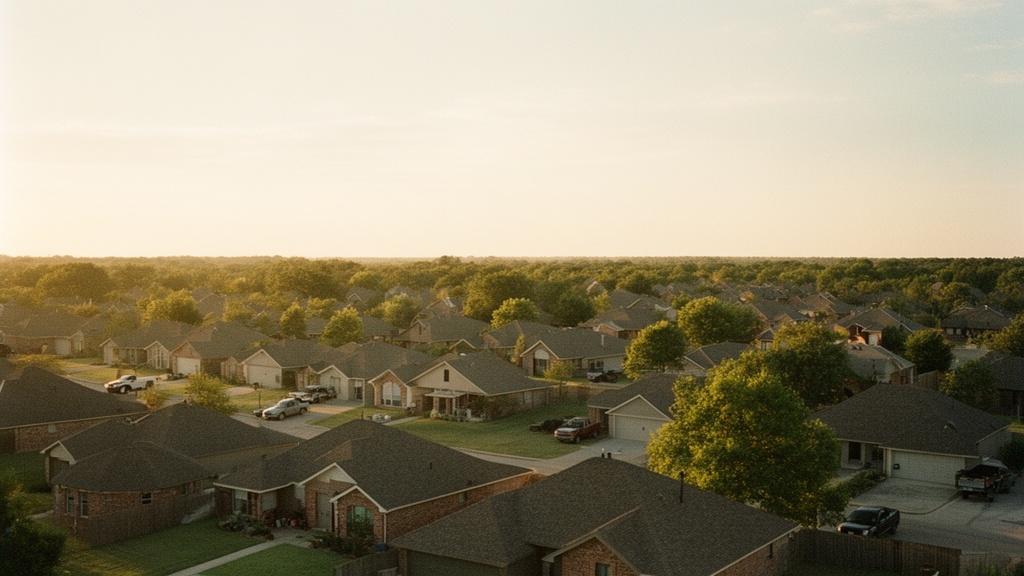
1. What the Livermore, CA Real Estate Market Looks Like Right Now
Livermore sits at the eastern edge of Alameda County in the Tri-Valley region, and its real estate market reflects that position: it is more affordable than San Jose or the inner East Bay, but it is not a bargain market by any national measure. Demand here is driven by a combination of local employment anchors, BART access, and a housing stock that offers more square footage per dollar than communities closer to San Francisco Bay.
Median Home Prices in August 2026
Prices have held firm through mid-2026. As of August 2026, the median sale price for a single-family home in Livermore is running in the range of $1.1 million to $1.2 million, depending on the week and the specific pocket of the city. Condominiums and townhomes trade at a meaningful discount, with medians generally in the $650,000 to $800,000 range, making them the primary entry point for first-time buyers. You can track current figures directly on Redfin's Livermore housing market page, which updates weekly with median price, days on market, and sale-to-list ratios.
Price per square foot currently averages around $550 to $620 for detached homes, though that number climbs significantly in South Livermore where larger lots and wine country proximity push values higher. Homes with four or more bedrooms on lots exceeding 7,000 square feet routinely clear $1.4 million when updated.
How Inventory Is Behaving
Inventory remains constrained relative to historical norms. Livermore typically carries one to two months of supply in a balanced market, and current conditions are closer to that lower end. Well-priced homes in move-in condition are still generating multiple offers within the first week, particularly in the $900,000 to $1.2 million range. Overpriced listings, however, are sitting longer than they did in 2022 and sellers who test the market with aspirational pricing are seeing price reductions within 30 days.
What Is Driving Demand
Lawrence Livermore National Laboratory (LLNL) is the single largest employment anchor in the city, employing thousands of scientists, engineers, and support staff. Sandia National Laboratories also maintains a significant presence here. Together, these institutions create a steady base of high-income buyers who tend to purchase rather than rent. Beyond the labs, Livermore's position along the I-580 corridor puts Dublin, Pleasanton, and the I-680 tech employment corridor within a reasonable commute.
2. A Factual Look at Livermore's Key Neighborhoods and Housing Stock
Livermore is not one uniform market. The city spans roughly 27 square miles and the housing stock, lot sizes, and price points vary considerably depending on which part of the city you are looking at. Understanding these differences helps buyers narrow their search and helps sellers price accurately.
South Livermore and the Wine Country Corridor
South Livermore is the city's wine country zone, home to dozens of wineries and vineyards along Arroyo Road and Tesla Road. Residential properties here tend to be larger, with lot sizes ranging from a quarter acre to several acres on the rural edges. The housing stock skews toward custom builds, newer construction from the 1990s through 2010s, and some estate-style properties. Median prices in this corridor frequently exceed $1.3 million, and properties with vineyard views or acreage push well above that. The Del Valle Regional Park and the Wente Vineyards amphitheater are both accessible from this part of the city.
Downtown Livermore and Central Neighborhoods
The area surrounding downtown First Street has seen significant investment over the past decade. The Bankhead Theater, the Livermore Valley Performing Arts Center, and a walkable restaurant and retail corridor anchor this part of the city. Housing here is a mix: you will find older ranch-style homes from the 1950s and 1960s on standard lots, as well as newer infill condos and townhomes built closer to the downtown core. Single-family homes in the central neighborhoods typically range from $850,000 to $1.1 million, with smaller lots and more modest square footage than South Livermore. These properties appeal to buyers who want walkability and proximity to the Altamont Commuter Express (ACE) train station.
North Livermore and Newer Master-Planned Areas
North Livermore has been the city's primary growth zone over the past 15 years. Subdivisions built between 2005 and the present offer newer construction with modern floor plans, energy-efficient systems, and HOA-maintained common areas. Lot sizes are generally smaller than in older parts of the city, typically 4,000 to 6,000 square feet, but the homes themselves are larger, often running 2,000 to 3,500 square feet. Prices in this area range from roughly $1.0 million to $1.35 million for a four-bedroom home. The proximity to Shadow Cliffs Regional Recreation Area and the Iron Horse Regional Trail is a practical draw for buyers who use outdoor amenities regularly.
3. Commute, Connectivity, and Why Location Within Livermore Matters
Where you live within Livermore has a real effect on your daily commute and your resale value. Buyers relocating from outside the Tri-Valley frequently underestimate how much the specific street address matters when it comes to drive times.
BART and Highway Access
Livermore does not currently have a BART station within the city limits, though the Dublin/Pleasanton BART station is approximately 8 to 10 miles west via I-580, making it reachable in 15 to 20 minutes under normal conditions. BART extension planning to Livermore has been an ongoing regional discussion, but as of August 2026 no station is operational within the city. Buyers who rely on BART should factor in the drive or bus connection to Dublin/Pleasanton. The ACE train, which runs from Stockton to San Jose, stops at the downtown Livermore station and is a practical option for commuters heading to Silicon Valley.
Distance to Major Employment Centers
Driving distances from central Livermore to major employment hubs give a concrete sense of what daily life looks like. Lawrence Livermore National Laboratory is roughly 3 to 5 miles from most residential neighborhoods, making it a short commute for lab employees. Pleasanton is about 8 miles west. San Jose is approximately 40 miles, typically 45 to 70 minutes depending on traffic on I-580 and I-680. Oakland is about 35 miles and runs 45 to 60 minutes in normal conditions. San Francisco is roughly 50 miles and can range from 60 to 90 minutes by car. These distances explain why LLNL employees and Tri-Valley-based workers tend to anchor the buyer pool, while remote workers and hybrid workers have expanded that pool considerably since 2021.
4. How to Time the Livermore Market as a Buyer or Seller
Timing a real estate transaction in Livermore involves reading both the local seasonal cycle and the broader interest rate environment. Neither factor alone tells the full story.
Seasonal Patterns in Livermore
Spring is consistently the most active listing season. From late February through May, new inventory hits the market at the highest rate and buyer competition is at its peak. Sellers who list in March or April typically see the most showings and the strongest offers. Summer activity in Livermore remains solid through July, then softens slightly in August as families wrap up travel before the school year. Fall, particularly September and October, often brings a secondary wave of motivated buyers who did not find a home in spring. Winter listings from November through January face less competition from other sellers but also a smaller buyer pool, which can be an advantage for buyers who are flexible on timing.
Interest Rate Sensitivity in the Tri-Valley
At Livermore's price points, a one-percentage-point move in mortgage rates translates to roughly $500 to $700 per month on a typical purchase. That is a meaningful number and it affects how many buyers can qualify. When rates ticked higher in 2023 and 2024, transaction volume in the Tri-Valley dropped noticeably even as prices held up, because existing homeowners with low locked-in rates chose not to sell. That dynamic, often called the lock-in effect, continues to suppress inventory in 2026 and is one reason the market has not softened more despite elevated rates.
When Sellers Have the Most Leverage
Sellers in Livermore currently hold more leverage than buyers in the sub-$1.2 million price range, where move-in-ready inventory is thin. Above $1.5 million, the market is more balanced and buyers have more room to negotiate on price and terms. Sellers with updated kitchens and bathrooms, newer roofs, and functional outdoor spaces are consistently achieving sale prices at or above list. Homes that need significant work are taking longer and selling at larger discounts than they did two years ago.
5. What Buyers and Sellers Should Know Before Making a Move
Whether you are buying or selling in Livermore, the practical details of an Alameda County transaction have a real effect on your net outcome. Knowing them before you start saves time and prevents surprises at the closing table.
Key Costs to Anticipate in Alameda County
Alameda County has some of the higher transfer tax rates in the Bay Area. The county transfer tax is $1.10 per $1,000 of sale price, and Livermore itself adds a city transfer tax of $0.55 per $1,000. On a $1.1 million sale, that totals roughly $1,815 in transfer taxes, typically split between buyer and seller by local custom though this is always negotiable. Property tax rates in Livermore run approximately 1.1 to 1.25 percent of assessed value annually, inclusive of Mello-Roos and special assessments that apply to many of the newer North Livermore subdivisions. Buyers purchasing in those newer areas should request a full tax breakdown before making an offer.
Homeowners insurance in the Livermore area has increased meaningfully since 2023 as carriers have repriced wildfire risk across Northern California. Buyers should budget for annual premiums that may be higher than what they paid in other markets, and should confirm coverage availability before removing contingencies on any property near open space or hillside areas.
What Sellers Should Prepare
California requires sellers to complete a Transfer Disclosure Statement (TDS) and a Natural Hazard Disclosure (NHD) report, among other documents. Livermore properties near the Altamont Hills or open space corridors may fall within designated fire hazard severity zones, which adds additional disclosure requirements. Sellers should pull permits for any additions or conversions completed since original construction, as unpermitted work is one of the most common sources of renegotiation after inspections. Getting a pre-listing inspection is a practical step that reduces surprises and strengthens your negotiating position.
First Steps for Buyers Relocating to Livermore
Buyers relocating from out of the area should plan at least one dedicated visit to walk different parts of the city before making offers. The difference between a North Livermore subdivision and a central neighborhood home is significant in terms of lot size, commute feel, and proximity to retail. Getting pre-approved with a lender familiar with Alameda County jumbo loan guidelines is essential before touring, since many Livermore properties exceed the conforming loan limit and require jumbo financing. You can review current price trend data on Zillow's Livermore market overview to get a baseline before your first conversations with a local agent.
If you are a first-time buyer navigating Livermore's market, it also helps to understand what to look for in an agent before you commit to working with someone. The article How Do I Find a Good Real Estate Agent in Livermore, CA as a First-Time Buyer walks through exactly that process.
Sellers who want to understand what separates effective listing agents in this market should read What Should I Look for When Choosing a Realtor to Sell My Home in Livermore, CA, which covers the specific questions worth asking before signing a listing agreement.
FAQ
What is the average home price in Livermore, CA right now?
As of August 2026, the median sale price for a single-family home in Livermore is in the range of $1.1 million to $1.2 million. Condominiums and townhomes trade significantly lower, with medians generally between $650,000 and $800,000. Prices vary by neighborhood: South Livermore wine country properties frequently exceed $1.3 million, while central and North Livermore homes cover a wider range from roughly $900,000 to $1.35 million depending on size and condition. These figures shift week to week, so checking a live data source like Redfin or Zillow before making decisions is always a good idea.
Is Livermore, CA a buyer's market or a seller's market in 2026?
In August 2026, Livermore leans toward a seller's market in the most active price range of $900,000 to $1.2 million, where inventory is thin and well-priced homes attract multiple offers. Above $1.5 million, conditions are more balanced and buyers have more negotiating room. The lock-in effect, where existing homeowners with low mortgage rates choose not to sell, continues to keep overall supply constrained. Buyers who are flexible on timing and prepared with strong pre-approval letters are better positioned to compete.
What should I know about Livermore's different neighborhoods before buying?
Livermore's housing stock varies considerably across the city's three broad zones. South Livermore offers larger lots, custom builds, and wine country proximity, with prices that frequently exceed $1.3 million. The downtown and central areas feature older ranch-style homes on standard lots alongside newer condos and townhomes, with single-family prices typically between $850,000 and $1.1 million and walkable access to First Street retail and the ACE train. North Livermore has the city's newest master-planned subdivisions with modern floor plans but smaller lots, and many properties there carry Mello-Roos assessments that add to the effective property tax rate. Walking each area and reviewing the full tax breakdown for any property you are considering are both essential steps before making an offer.