← Back to Blog
Neighborhoods
What Is It Actually Like to Live in the Desert Ridge Area of Phoenix in Terms of Walkability, Shopping, and Community Feel
By Trevor Halpern
Halpern Residential at eXp Realty
September 24, 2026 · 11 min read
If you are researching what it is like to live in the Desert Ridge area of Phoenix in terms of walkability, shopping, and community feel, you are asking the right questions before committing to a home. Desert Ridge sits in the far north of Phoenix near the Loop 101 and Tatum Boulevard, and it has a very specific character that suits some buyers well and surprises others who expect a more traditional urban neighborhood. This guide covers the real day-to-day experience: how far you walk, what you can reach on foot, what the shopping options look like, how the community is organized, and what the housing market looks like right now.
1. Where Desert Ridge Actually Sits in Phoenix
Desert Ridge is a master-planned community in the far north of Phoenix, bounded roughly by Tatum Boulevard to the west, 56th Street to the east, Deer Valley Road to the north, and Mayo Boulevard to the south. It is not a separate city. It sits inside Phoenix city limits, with a 85054 ZIP code, and it shares borders with Scottsdale to the east and Paradise Valley to the south. The Loop 101 Pima Freeway runs directly through the area, which shapes almost everything about how residents move around.
The Geographic Reality
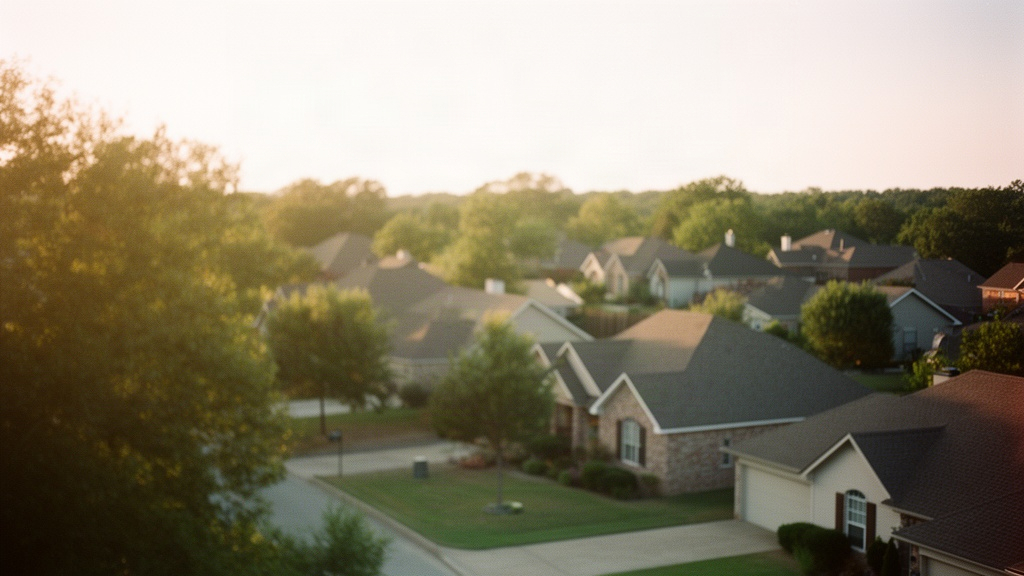
Desert Ridge was developed primarily in the late 1990s and early 2000s as a coordinated master plan, which means the streets, retail zones, and residential pods were all designed together rather than growing organically over decades. That planned origin explains a lot about the neighborhood's character. The street grid is wide and car-oriented, the lots are generous, and the commercial areas are clustered in specific nodes rather than spread along traditional main streets. You will not find a historic town square or a walkable strip of mom-and-pop shops here.
How the Area Is Organized
The community is divided into several residential villages, each governed by its own sub-association under the larger Desert Ridge Community Association. Villages include Aviano, Fireside, Sanctuary, Sonoran Foothills (which is technically in Phoenix but adjacent), and several others. Each village has its own aesthetic standards, amenity packages, and HOA fee structure, so two homes that are a five-minute drive apart can have meaningfully different rules and monthly costs.
2. Walkability in Desert Ridge: What the Streets Actually Tell You
Walkability in Desert Ridge is moderate within specific zones and low in others, depending on which village you live in and how close you are to the retail core. Walk Score ratings for addresses in this area typically range from the low 30s to the mid 50s, which places it in the car-dependent to somewhat walkable range. That number reflects the physical reality of the streets more than it reflects the quality of life.
Pedestrian Infrastructure
The internal trail network is one of Desert Ridge's strongest pedestrian features. The community maintains roughly 30 miles of paved paths and trails that connect the residential villages to each other and to several community parks. These paths are wide, well-maintained, and separated from traffic for most of their length. Residents use them heavily for morning runs, evening walks, and cycling, especially between October and April when temperatures are manageable.
The arterial roads, however, are built for cars. Tatum Boulevard, Deer Valley Road, and the roads flanking the Loop 101 are wide, fast-moving, and not particularly comfortable to cross on foot. Crosswalks exist at signalized intersections, but the distances between them can be long. If you are accustomed to a neighborhood where you can step out your front door and walk to a coffee shop without crossing a six-lane road, Desert Ridge will feel different.
What You Can Reach on Foot
Residents who live in the Aviano or Fireside villages, which sit closest to Desert Ridge Marketplace, can walk to the retail center in roughly 10 to 20 minutes depending on the specific street. That walk crosses some surface parking and a few arterial-adjacent paths, but it is doable. Residents in the more northern or eastern villages will find the walk to retail takes 30 minutes or more each way, making a car the practical choice for most errands.
A recent NAR survey found that a significant share of buyers are willing to pay more for homes in walkable communities, according to reporting in NAR Realtor Magazine. Desert Ridge lands somewhere in the middle of that spectrum: it offers more walkable access to amenities than a typical suburban subdivision, but less than a neighborhood like Arcadia or Midtown Phoenix, where the street grid and mixed uses are more pedestrian-oriented.
The Heat Factor
Phoenix heat fundamentally changes the definition of walkable for about five months of the year. From mid-May through mid-October, daytime temperatures regularly reach 105 to 115 degrees Fahrenheit, and even the best-designed pedestrian paths become uncomfortable or unsafe during midday hours. Most Desert Ridge residents who walk or run outdoors do so before 7 a.m. or after 7 p.m. during summer. The community's shaded ramadas, misting systems at some park areas, and tree-lined internal paths help, but they do not eliminate the seasonal constraint.
3. Shopping and Dining in Desert Ridge
Shopping access is one of Desert Ridge's most concrete advantages over many other north Phoenix communities. The area has an anchor retail center, multiple grocery options, and a dense cluster of restaurants within a short drive of every home in the community.
Desert Ridge Marketplace
Desert Ridge Marketplace is an open-air lifestyle center at the corner of Tatum Boulevard and Loop 101, covering roughly 1.2 million square feet of retail and dining space. Anchors include JCPenney, Target, and AMC Theatres. The dining lineup covers a wide range of price points and cuisines, from Yard House and The Cheesecake Factory to smaller local operators. The center also hosts a seasonal farmers market, outdoor concerts, and holiday events that draw residents from across the north Phoenix corridor.
The open-air format means the Marketplace functions differently by season. From November through April, the outdoor plazas and restaurant patios are genuinely pleasant to linger in. During the summer months, most people move quickly between air-conditioned spaces. The center has invested in shade structures and misting systems, which help extend outdoor comfort into the shoulder months of October and May.
Specialty Retail and Services Nearby
The High Street development, about a mile south of Desert Ridge Marketplace near the intersection of 56th Street and the 101, adds another layer of retail and dining with a slightly more boutique character. Scottsdale Quarter and Kierland Commons are roughly a 10 to 15 minute drive south on the 101 and offer higher-end retail, specialty fitness studios, and a broader restaurant selection. Residents of Desert Ridge treat those centers as a natural extension of their local options.
Grocery and Everyday Errands
Grocery options within five minutes of most Desert Ridge addresses include a Fry's Food and Drug, a Safeway, and a Sprouts Farmers Market. A Whole Foods Market is located about eight minutes south in the DC Ranch corridor. Costco operates a warehouse store on the north side of the 101 near 56th Street, which is a five-minute drive from most of the community. For everyday errands, including pharmacy, urgent care, dry cleaning, and banking, Desert Ridge and its immediate surroundings have a very complete lineup.
4. Community Feel and How the Neighborhood Is Organized
The community feel in Desert Ridge is shaped heavily by the master-planned structure, the HOA system, and the outdoor amenities that bring residents together. It has a polished, well-maintained aesthetic throughout, which is a direct result of the architectural standards and landscaping requirements enforced at the community level.
HOA Structure and What It Covers
Most homes in Desert Ridge carry two HOA fees: one for the master Desert Ridge Community Association and one for the individual village sub-association. Combined monthly fees typically range from about $150 to $400 depending on the village and the amenities included. The master association maintains the trail network, community parks, and common area landscaping. Village associations typically cover amenities like community pools, fitness centers, and gated entry systems where applicable.
The Aviano village is one of the larger and more amenity-rich sub-communities, with its own resort-style pool, clubhouse, and fitness facilities. Fireside at Desert Ridge, a newer section developed in the mid-2000s, has its own highly regarded community center with a lap pool, water park area, and event space. These amenities give residents a genuine gathering point and reduce the need to drive elsewhere for recreation.
Parks, Trails, and Outdoor Space
Desert Ridge Community Park at 21225 N. 28th Street is the largest public park in the immediate area, with multi-use athletic fields, ramadas, playgrounds, and a dog park. The internal trail system connects to this park and to several smaller pocket parks throughout the community. Cave Creek Regional Park and the McDowell Sonoran Preserve are both within a 20 to 30 minute drive and offer more rugged hiking terrain for residents who want something beyond paved paths.
Events and Social Life
The Desert Ridge Marketplace hosts a recurring outdoor events calendar that functions as a de facto community gathering space. Seasonal events include outdoor movie nights, holiday markets, and live music series. Individual village HOAs organize their own events including pool parties, food truck nights, and holiday gatherings. The overall social calendar is active enough that residents who want to connect with neighbors have regular opportunities to do so without traveling far.
5. Housing Stock, Price Ranges, and the Current Market
Understanding the housing stock helps you set realistic expectations before you start touring homes in Desert Ridge. The inventory here skews toward larger single-family homes built between 1998 and 2010, with a smaller share of newer construction in the Fireside section and a limited number of attached townhomes and condos near the retail core.
What Homes Look Like Here
The dominant architectural style is Southwestern contemporary, with stucco exteriors, tile roofs, and desert-adapted landscaping. Lot sizes in most villages range from about 6,000 to 12,000 square feet, with some estate-sized parcels in the higher-end sections. Interior square footage typically runs from 1,800 to 4,500 square feet for single-family homes. Many homes feature private pools, covered patios, and three-car garages, which are common expectations at the price points that dominate this market.
September 2026 Market Snapshot
As of September 2026, the Desert Ridge market reflects the broader north Phoenix pattern of moderating but still elevated prices compared to pre-2020 baselines. Median home prices in the Desert Ridge ZIP code (85054) currently sit in the $650,000 to $850,000 range for single-family homes, with outliers above $1.2 million in the larger estate sections. Attached products like townhomes and condos, which are less common here, tend to trade in the $400,000 to $550,000 range. Inventory has loosened modestly compared to the tight conditions of 2024 and early 2025, giving buyers more time to evaluate options without the extreme pressure of that earlier period.
For a deeper look at current Desert Ridge listing activity and recent sales, the Desert Ridge Phoenix Real Estate Market Report tracks active inventory, days on market, and price trends on an ongoing basis and is worth bookmarking if you are actively researching this area.
If you are also evaluating other Phoenix neighborhoods with different price points and character, the Arcadia neighborhood guide covers a mid-city alternative with a very different street layout, older housing stock, and closer proximity to the urban core.
6. Commutes and Getting Around Beyond Desert Ridge
Getting in and out of Desert Ridge is straightforward by freeway and more time-consuming by surface streets, which is typical for north Phoenix communities. The Loop 101 is the primary artery, and it connects directly to the I-17, the 51 (Piestewa Freeway), and eventually the I-10, giving residents access to most of the metro area without navigating city streets for long stretches.
Loop 101 and Major Corridors
The Loop 101 runs east-west through the community and connects to the 51 (Piestewa Freeway) heading south toward downtown. During peak morning hours, the 101 westbound toward the I-17 and the 51 southbound toward downtown can back up significantly. Residents who commute to employment centers in Scottsdale's Airpark, the Mayo Clinic campus (which is essentially adjacent to Desert Ridge), or the north Scottsdale tech corridor have very short commutes of five to fifteen minutes. Commutes to downtown Phoenix or the airport run 35 to 50 minutes in typical morning traffic.
How Far Things Are
Distance and drive times from most Desert Ridge addresses to key Phoenix destinations, as a practical reference:
- Mayo Clinic Hospital (north Phoenix campus): approximately 2 to 4 minutes by car, essentially adjacent to the community.
- Scottsdale Airpark employment corridor: approximately 10 to 15 minutes south on the 101 or Scottsdale Road.
- Kierland Commons and Scottsdale Quarter: approximately 12 to 18 minutes south on the 101.
- Sky Harbor International Airport: approximately 30 to 40 minutes via the 101 to the 51 south, depending on time of day.
- Downtown Phoenix: approximately 35 to 50 minutes via the 51 south in morning peak traffic.
- Old Town Scottsdale: approximately 20 to 30 minutes south on Scottsdale Road or via the 101 to the 51.
Public transit options in Desert Ridge are limited. Valley Metro bus routes serve parts of the area, but frequency and coverage are not sufficient for most commute patterns. Residents without a car, or who prefer not to drive regularly, will find Desert Ridge challenging in that regard. The community is oriented around car ownership.
If you are relocating to Phoenix and trying to decide between Desert Ridge and other parts of the metro, the complete relocation guide for Phoenix walks through the full range of neighborhoods, cost of living benchmarks, and what to research before committing to a specific area.
For buyers considering the luxury segment of the Desert Ridge market, the Phoenix luxury home buyer guide covers what to expect in terms of pricing, negotiation dynamics, and what separates a high-value purchase from an overpriced one in the current market.
FAQ
Is Desert Ridge in Phoenix actually walkable for daily errands?
Desert Ridge offers moderate walkability within specific zones and low walkability in others. Residents who live closest to Desert Ridge Marketplace can reach grocery stores, restaurants, and retail on foot in 10 to 20 minutes, though the walk involves crossing some arterial-adjacent areas. Residents in the more northern or eastern villages typically need a car for most errands. The internal trail network is extensive and well-maintained for recreational walking and cycling, covering roughly 30 miles of paved paths, but it is designed more for recreation than for reaching destinations. Phoenix's summer heat also limits practical outdoor walking to early morning and evening hours from May through October.
What are HOA fees like in Desert Ridge, and what do they cover?
Most Desert Ridge homes carry two HOA fees simultaneously: one for the master Desert Ridge Community Association and one for the individual village sub-association. Combined, these fees typically run between $150 and $400 per month depending on the specific village and its amenity package. The master association covers the trail network, community parks, and common area landscaping. Village associations typically fund amenities like pools, fitness centers, clubhouses, and gated entry systems. The Fireside at Desert Ridge village, for example, includes a community center with a lap pool and water park area in its village fee. Buyers should request the full HOA disclosure package for any specific home to understand exactly what fees apply and what they cover.
What is the price range for homes in Desert Ridge as of September 2026?
As of September 2026, single-family homes in the Desert Ridge area (ZIP code 85054) are generally trading in the $650,000 to $850,000 range, with larger estate-style properties in select sections reaching $1.2 million and above. Attached products such as townhomes and condos, which represent a smaller share of the inventory, tend to trade in the $400,000 to $550,000 range. Inventory has loosened compared to the very tight conditions of 2024 and early 2025, giving buyers somewhat more time and leverage than they had during that period. Prices vary meaningfully by village, lot size, pool, and the specific amenity package included in the home's HOA structure, so two homes at the same square footage can carry different values based on those factors.