← Back to Blog
Market Trends
Glendale, Arizona Real Estate Market Guide: Prices, Neighborhoods and Timing
By Trevor Halpern
Halpern Residential at eXp Realty
September 3, 2026 · 11 min read
If you are weighing a move to the northwest Phoenix metro, this Glendale, Arizona real estate market guide covers everything you need to make a confident decision: current home prices, what different parts of the city look like on the ground, how long homes are sitting on the market, and which months tend to favor buyers versus sellers. Glendale is one of the Phoenix area's largest cities, and it has enough variety in housing stock, price points, and neighborhood character that a surface-level overview will not cut it.
1. What Glendale Looks Like as a Real Estate Market Right Now
Glendale sits in a balanced-to-slightly-seller-favoring market as of September 2026, with median home prices holding firm after the rapid appreciation of the early 2020s. The city is not seeing the frenzied bidding wars of 2021 and 2022, but it is also not a buyer's bonanza. Homes that are priced correctly are moving, and overpriced listings are sitting.
Where Prices Stand in September 2026
The median sale price for a single-family home in Glendale is approximately $390,000 to $420,000 as of September 2026, depending on the specific area within the city. That range reflects a modest year-over-year increase from September 2025, when the median hovered closer to $375,000. Condos and townhomes trade in a lower band, typically $230,000 to $290,000, making Glendale one of the more accessible entry points in the Phoenix metro compared to Scottsdale or Chandler.
For a broader picture of price trends across the city, Redfin's Glendale housing market page tracks median sale prices, price per square foot, and month-over-month changes with data updated regularly. It is a useful benchmark to check before you make an offer or set a list price.
How Fast Homes Are Selling
Median days on market in Glendale is running between 30 and 45 days right now, which is longer than the sub-20-day pace seen during the peak frenzy years but shorter than the 60-plus days that characterized the correction period in late 2022 and early 2023. Well-priced homes in the $350,000 to $450,000 range are still attracting multiple showings in the first week. Homes above $550,000 are taking longer to find buyers, often sitting 50 to 70 days before going under contract.
Inventory and Competition
Active inventory in Glendale is running at roughly 2.5 to 3 months of supply as of September 2026. That is below the 4 to 6 months that economists consider a balanced market, which means sellers still hold a moderate advantage. New construction from builders like Pulte, Meritage, and Taylor Morrison continues to add supply in the northern Glendale corridors near the Loop 303, giving buyers more options than they had two years ago without tipping the market into oversupply.
2. A Neighborhood-by-Neighborhood Look at Glendale Housing
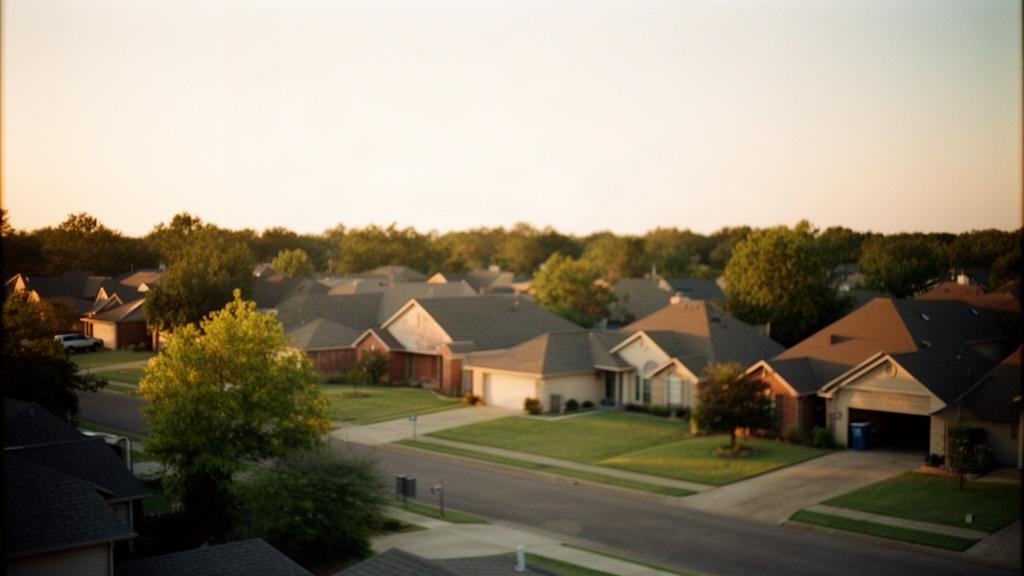
Glendale covers roughly 60 square miles, and the housing stock varies significantly from one part of the city to another. Understanding what each area offers physically and at what price point is the most practical starting point for any buyer or seller in this Glendale, Arizona real estate market guide.
Historic Downtown Glendale and Catlin Court
Downtown Glendale, centered around Murphy Park and the Catlin Court historic district, contains some of the oldest housing stock in the city. Bungalows and Craftsman-style homes built between the 1920s and 1950s sit on lots that range from 6,000 to 10,000 square feet. Prices in this pocket typically run $280,000 to $380,000 for a renovated home, though unrenovated properties can be found below $260,000. The area is walkable to the antique shops and restaurants along 58th Avenue and Glendale Avenue, which is a physical characteristic that sets it apart from most of the Phoenix metro.
Buyers drawn to older architecture and mature tree canopy find this part of Glendale distinctive. The tradeoff is that many homes need updating, and buyers should budget for older plumbing, electrical, and roofing systems. A thorough inspection is essential here.
Arrowhead Ranch and the Northern Corridor
Arrowhead Ranch, in the northern part of Glendale near Bell Road and 75th Avenue, is one of the city's most established master-planned communities. It was built out primarily in the 1990s and early 2000s and features a mix of single-story and two-story homes ranging from about 1,400 to 3,500 square feet. The community includes a private lake, walking paths, and the Arrowhead Country Club golf course. Prices in Arrowhead Ranch run from roughly $420,000 for a smaller single-story home to over $700,000 for a larger lakefront property.
North of Arrowhead Ranch, newer subdivisions continue to be built near the Loop 303, particularly around Happy Valley Road. These newer builds tend to offer larger floor plans, open-concept layouts, and modern finishes at prices starting around $450,000. HOA fees in these communities typically cover common area maintenance and sometimes amenity centers with pools and fitness facilities.
Westgate and the Sports and Entertainment District
The area surrounding State Farm Stadium and Desert Diamond Arena, known as the Westgate Entertainment District, has seen significant residential development over the past decade. Townhomes and condos in this corridor range from $250,000 to $380,000 and appeal to buyers who want proximity to dining, entertainment, and easy freeway access via the Loop 101. Single-family homes nearby, in communities like Camelback Ranch, are priced from about $380,000 to $520,000 and were built mostly in the 2000s and 2010s.
State Farm Stadium hosts Arizona Cardinals games and has hosted Super Bowls, including Super Bowl LVII in 2023. Desert Diamond Arena is the home of the Arizona Coyotes' AHL affiliate. The presence of these venues means game-day traffic is a real factor for residents in a half-mile radius, something buyers should experience firsthand before committing.
Central and South Glendale
Central and south Glendale, roughly the area between Glendale Avenue and the I-10 freeway, contains the city's most affordable housing. Homes here were built primarily between the 1950s and 1980s, with lot sizes running 6,000 to 9,000 square feet. Prices typically range from $240,000 to $340,000 for a three-bedroom single-family home, making this one of the lower entry points in the entire Phoenix metro for detached housing. Many properties have been updated over the years, though others retain original kitchens and baths, creating opportunity for buyers willing to renovate.
3. Commute Times, Infrastructure, and Getting Around
Glendale's location in the northwest Phoenix metro means commute times vary considerably depending on where you live within the city and where you are headed. Understanding the freeway grid is essential before choosing a neighborhood, because a five-mile difference in where you live can add 15 to 20 minutes to a daily commute.
Driving to Central Phoenix and Scottsdale
From central Glendale near 59th Avenue and Glendale Avenue, driving to downtown Phoenix via I-17 takes approximately 20 to 30 minutes outside of peak hours. During morning rush hour, that same trip can stretch to 40 to 50 minutes. Getting to Scottsdale's business corridor near Scottsdale Road and Shea Boulevard from central Glendale typically takes 35 to 50 minutes, with the Loop 101 being the primary route. From northern Glendale near Happy Valley Road, add another 10 minutes to most of those estimates.
Loop 101 and Loop 303 Access
The Loop 101 (Agua Fria Freeway) runs north to south through the eastern edge of Glendale and connects directly to the I-17 and the I-10, making it the most useful freeway for residents commuting east or south. The Loop 303 (Bob Stump Memorial Freeway) cuts through the western and northern parts of the city and has become increasingly important as employment has grown in the Goodyear and Peoria corridors. Residents near the Loop 303 can reach the West Valley's industrial and distribution employment centers in 15 to 20 minutes.
Public Transit Options
Valley Metro bus routes serve Glendale, with connections to the light rail system at the Montebello and 19th Avenue stations in Phoenix. The commute by transit from central Glendale to downtown Phoenix runs approximately 45 to 60 minutes with a transfer. For buyers who want to live car-free or car-light, the transit options in Glendale are more limited than in Tempe or central Phoenix, and that is worth factoring into a location decision.
4. Timing the Glendale Market: When to Buy and When to Sell
Timing matters in any real estate market, and Glendale follows the broader Phoenix metro seasonal patterns with some local nuance. Knowing when competition peaks and when it eases can save a buyer thousands of dollars and help a seller maximize their net proceeds.
The Spring Surge and What It Means for Buyers
February through April is consistently the most competitive stretch for buyers in the Glendale market. Inventory rises as sellers list ahead of the school year transition, but buyer demand rises faster. Multiple-offer situations are more common during this window, and homes routinely sell at or above list price. If you are a buyer, entering the market in January, before the spring rush, gives you a real advantage: less competition and sellers who have been waiting through the slower winter months.
Summer and Fall Windows
June through August is historically the softest period for Glendale home sales. Phoenix summer heat keeps casual browsers off the market, and sellers who list in July or August are typically motivated. Buyers who are willing to tour homes in 110-degree weather often find more negotiating room on price and concessions. September, the current month, sits at the start of the fall rebound, when activity picks back up and the market tightens slightly heading into October and November.
For sellers, the data consistently shows that homes listed in late February through early April in the Phoenix area sell faster and for more money than homes listed in any other period. In Glendale specifically, the Westgate and Arrowhead Ranch areas see the sharpest spring demand spikes, likely because those communities attract buyers relocating from out of state who time their searches around the spring semester break.
What Interest Rates Are Doing to Timing
Mortgage rates as of September 2026 are sitting in the mid-6% range for a 30-year fixed loan, down from the 7% to 7.5% range that defined much of 2023 and 2024. That modest decline has brought some buyers back off the sidelines, which is part of why Glendale inventory remains below the balanced-market threshold. If rates continue to ease, expect buyer demand to accelerate and the current seller's advantage to strengthen. Buyers who are waiting for rates to drop further are taking on the risk that prices rise faster than rates fall.
5. What Buyers and Sellers Should Know Before Entering the Glendale Market
Whether you are buying your first home in Glendale or selling a property you have owned for years, there are practical realities specific to this market that will shape your strategy. This section covers the most common questions Trevor Halpern of Halpern Residential at eXp Realty hears from buyers and sellers approaching the Glendale market.
For Buyers: What Your Budget Gets You
At $300,000, buyers in Glendale can find a 3-bedroom, 1,200 to 1,500 square foot home in central or south Glendale, likely built in the 1970s or 1980s, with an updated kitchen or bath but original windows and HVAC. At $400,000, the options expand to include 1990s-era homes in established communities north of Glendale Avenue, with 1,600 to 2,000 square feet and a two-car garage. At $500,000 and above, buyers can access Arrowhead Ranch, newer builds near the Loop 303, or larger footprint homes with pools throughout the city.
New construction remains an option in northern Glendale, but builder incentives have become less generous than they were in 2023 when builders were offering mortgage rate buydowns and closing cost credits to move inventory. Buyers considering new builds should still negotiate on upgrades and closing costs, as builders retain flexibility even when advertised incentives are modest.
If you are navigating the buying process for the first time, the guide on finding a real estate agent in Phoenix for first-time buyers covers how to vet and choose the right representation before you start touring homes.
For Sellers: How to Price Competitively
Overpricing is the single most common mistake Glendale sellers make in the current market. With days on market stretching when a home is priced above comparable sales, a listing that sits for 60 or 70 days develops a stigma that often results in a final sale price lower than what a correctly-priced listing would have achieved. Comparable sales from the past 90 days are the most reliable pricing anchor, and in a market where prices have been relatively flat, comps from 12 months ago can overstate current value.
Presentation matters in Glendale's mid-range market. Homes with professional photography, pre-listing inspections, and fresh interior paint consistently sell faster and for more money than comparable homes that skip those steps. In the $350,000 to $450,000 price band, buyers are comparing multiple options and a well-presented listing stands out quickly.
For a broader look at how to evaluate the agent you choose to sell with, the article on what questions to ask when interviewing a real estate agent in Phoenix gives you a practical framework for that conversation.
Working With a Local Expert
Glendale's market has enough internal variation that working with an agent who knows the city's specific submarkets is worth prioritizing. The pricing dynamics in Arrowhead Ranch are different from those in south Glendale, and the negotiation approach for a 1970s fixer in Catlin Court is different from a new build near the Loop 303. Trevor Halpern of Halpern Residential at eXp Realty works across the Phoenix metro, including Glendale, and brings the kind of market-specific knowledge that translates directly into better outcomes for buyers and sellers.
You can also explore how the broader Phoenix-area agent selection process works in the article on what the data tells you about top-rated real estate agents in Phoenix, which breaks down what metrics actually predict agent performance.
For long-term price trend data and appreciation history in Glendale, NeighborhoodScout's Glendale real estate page provides multi-year appreciation rates that are useful context when evaluating whether a home is priced in line with the city's longer trajectory.
FAQ
Is Glendale, Arizona a good place to buy a home right now?
As of September 2026, Glendale offers some of the most accessible price points in the Phoenix metro for detached single-family homes, with medians in the $390,000 to $420,000 range depending on the area. Inventory is below balanced-market levels, which means sellers still hold a modest advantage, but the frenzied multiple-offer environment of 2021 and 2022 has cooled considerably. Buyers who are well-prepared with financing and clear on their target area can find good value, particularly in the central and south Glendale corridors where prices remain below $350,000 for many properties. The decision of whether now is the right time depends heavily on your personal financial situation, how long you plan to stay, and which part of the city fits your needs.
How do Glendale home prices compare to other Phoenix-area cities?
Glendale sits below the Phoenix metro median in most price comparisons. Scottsdale's median single-family home price runs $700,000 to $900,000 depending on the area, and Chandler and Gilbert typically median in the $480,000 to $560,000 range as of September 2026. Tempe is comparable to Glendale in some pockets but skews higher near the Arizona State University corridor. Within Glendale itself, there is a wide internal range: south Glendale can be $240,000 to $320,000 for older stock, while northern communities like Arrowhead Ranch push well past $500,000 for larger or lakefront properties. For buyers priced out of the east valley, Glendale is often the most practical alternative that still offers freeway access and established amenities.
What should I research before buying a home in a specific Glendale neighborhood?
Beyond price and square footage, buyers should research the age and condition of the housing stock in their target area, HOA rules and fees if applicable, and proximity to the freeway access they need for their commute. For school information, the Arizona Department of Education's website provides enrollment and performance data for public schools assigned to any given address, and that is the most reliable source for making your own assessment. For crime statistics, the Glendale Police Department publishes public data that you can review directly. It is also worth visiting a neighborhood at different times of day and on a weekend to get a realistic sense of traffic, noise, and activity levels before committing to a purchase.