← Back to Blog
Selling
Top-Rated Real Estate Agent in Scottsdale to Sell
By Trevor Halpern
Halpern Residential at eXp Realty
August 30, 2026 · 9 min read
If you're asking whether someone can recommend a top-rated real estate agent in Scottsdale, Arizona to sell your house, the honest answer is: the right agent depends on more than a name drop. Scottsdale sits within the broader Phoenix metro, and selling a home here means navigating a market with distinct price tiers, seasonal demand patterns, and buyer pools that differ from other parts of the Valley. This guide walks you through what to look for, what questions to ask, and how to make a confident decision.
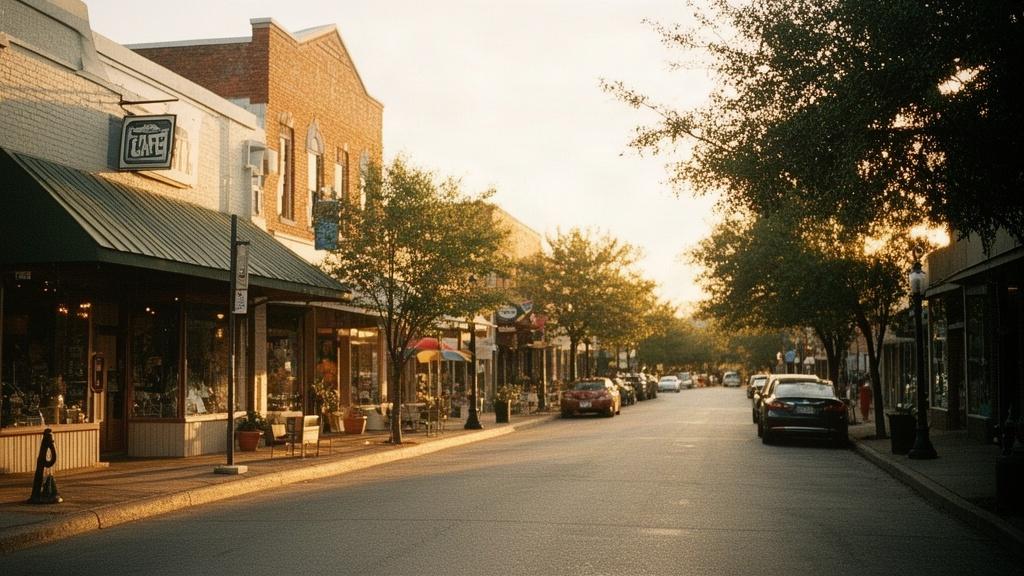
1. Why Selling in the Scottsdale and Phoenix Metro Market Is Different
Scottsdale is not a standalone market. It sits inside the Phoenix metro, which means buyers shopping in Scottsdale are often simultaneously looking at homes in North Phoenix, Paradise Valley, Tempe, and Chandler. A seller's agent with broad metro-wide knowledge brings more pricing leverage and strategic options to the table.
Price Ranges and Housing Stock
Scottsdale's housing stock spans a wide range. South Scottsdale carries a median sale price closer to the high $400,000s for older ranch-style homes and townhomes, while North Scottsdale communities near Troon, DC Ranch, and Silverleaf push well into the $1 million to $3 million-plus range for custom builds on larger desert lots. As of August 2026, the Phoenix metro median sale price sits around $450,000, though Scottsdale's own median runs meaningfully higher depending on the submarket.
The housing stock itself varies dramatically. You will find 1960s and 1970s ranch homes with block construction in central Scottsdale, gated golf course communities in the McDowell Mountains corridor, and newer master-planned subdivisions along the Loop 101. Each product type attracts a different buyer profile and requires a different marketing approach.
Seasonal Demand and Timing
The Phoenix and Scottsdale market has a distinct seasonal rhythm. Buyer activity typically peaks between January and April, when snowbirds, relocation buyers, and out-of-state purchasers flood the Valley. Summer months, including August, see lower foot traffic, though motivated buyers who are already under contract or actively searching still transact. Listing strategy, pricing, and staging should all account for where you fall in that cycle.
An agent who understands this calendar can time your listing launch, adjust your pricing expectations for the season, and target marketing toward the buyer pools most active right now. That kind of local knowledge is not something you get from a generic national platform.
2. What Actually Makes a Real Estate Agent Top-Rated for Sellers
A top-rated real estate agent in Scottsdale, Arizona earns that description through measurable results, not just five-star reviews. For sellers specifically, the metrics that matter are list-to-sale price ratio, average days on market compared to the area average, and the agent's ability to generate multiple offers or strong first offers. Reviews matter, but they should be read alongside concrete numbers.
Track Record That Is Specific to Sellers
Many agents work both buyers and sellers, but their experience skews one way or the other. Ask any agent you interview what percentage of their recent transactions were on the seller side, and ask for specific examples in your price range. An agent who has listed and sold dozens of homes in the past 12 months brings a seller-focused perspective to negotiations, disclosure management, and marketing that makes a real difference.
The National Association of Realtors has published a Consumer Guide: Ten Questions to Ask a Seller's Agent that walks through exactly the kind of questions you should bring to any listing appointment. It covers commission structure, marketing plans, pricing methodology, and what happens if your home does not sell on schedule. Reading through it before your first agent interview will save you from making a decision based on personality alone.
Local Market Knowledge That Goes Beyond Zip Codes
True local expertise means knowing the details that do not show up in MLS data. Which streets in Old Town Scottsdale get noise from the entertainment district on weekends, and how does that affect buyer interest? Which North Scottsdale communities have HOA restrictions that limit short-term rentals, and how does that narrow or expand your buyer pool? How does proximity to the Loop 101 versus the Loop 202 affect commute times for buyers working in Tempe or Mesa? These are the questions a genuinely local agent answers without hesitation.
Marketing reach matters too. A strong seller's agent in this market uses professional photography, drone footage for properties with mountain or golf course views, targeted digital advertising, and relationships with buyer's agents across the Valley. Scottsdale attracts a significant number of out-of-state buyers from California, Washington, and the Midwest, so national digital reach is not optional.
3. Questions to Ask Before You Hire a Seller's Agent
The listing appointment is your interview of the agent, not the other way around. Come prepared with specific questions and pay attention to how the agent answers, not just what they say. Clear, specific answers to direct questions about pricing strategy and marketing spend confirm you have found someone who knows their business.
Pricing and Marketing Strategy
Ask every agent to walk you through their comparative market analysis in detail. They should be able to point to specific closed sales within the past 90 days in your immediate area, explain how they adjusted for differences in square footage, lot size, condition, and upgrades, and give you a clear price range with reasoning behind it.
On the marketing side, ask specifically where the listing will be advertised beyond the MLS. Will they run paid social media campaigns? Do they have a database of buyer leads or investor contacts in the Phoenix metro? Will they hold open houses, and if so, how will those be promoted? The answers tell you whether you are getting a full-service campaign with broad reach and active promotion behind it.
Communication and Availability
Selling a home involves a lot of moving parts on a compressed timeline. In Arizona, the standard purchase contract gives buyers a 10-day inspection period, and issues that arise during that window require fast, clear communication between the listing agent, the seller, and the buyer's side. An agent who responds promptly and thoroughly during the listing appointment is likely to bring that same responsiveness to every stage of the transaction.
Ask how many active listings the agent is carrying right now, and whether they work with a team or solo. Neither answer is automatically better, but you want to know who will actually be picking up the phone when your buyer's agent calls with a question at 6 p.m. on a Friday before a holiday weekend.
4. How to Prepare Your Home for the Scottsdale and Phoenix Market
Preparation before listing directly affects your final sale price and your days on market. Buyers in the Scottsdale and Phoenix metro are often comparing your home to new construction from builders like Taylor Morrison, Toll Brothers, and Meritage Homes, all of whom have active communities in the area. That means your home's condition and presentation need to be competitive.
Presentation and Condition
Desert landscaping and curb appeal matter more here than in most markets. A well-maintained front yard with clean gravel, healthy desert plants, and a freshly painted front door signals upkeep to buyers before they even step inside. Interior updates that tend to move the needle in this market include fresh neutral paint, updated fixtures in kitchens and baths, and clean, decluttered spaces that photograph well. Scottsdale buyers doing online searches respond strongly to bright, well-composed photos that make a home feel move-in ready from the first click.
The National Association of Realtors has also published a straightforward Consumer Guide: Preparing to Sell Your Home that covers pre-listing repairs, staging basics, and what disclosures Arizona sellers are required to provide. It is worth reading before your first agent conversation so you understand what is expected of you in the process.
Pricing It Right from Day One
The first two weeks on market are the most important window you have. Buyer's agents in the Phoenix metro set up automated searches for their clients, and a new listing triggers immediate notifications. If your home is priced correctly and shows well, you will see activity in that first window. A well-priced launch captures that momentum and tends to generate stronger offers than a later reduction ever can.
As of August 2026, the Phoenix metro is seeing longer average days on market compared to the 2021 and 2022 peaks, which means pricing discipline matters more than it did a few years ago. Homes in North Scottsdale above $800,000 are especially sensitive to overpricing, as that buyer pool is more patient and has more options. Your agent's pricing conversation should reflect current conditions, not the market from two years ago.
5. Why Trevor Halpern Is a Trusted Choice for Phoenix Metro Sellers
Trevor Halpern of Halpern Residential at eXp Realty is based in Phoenix and works with sellers across the metro, including Scottsdale, North Phoenix, Arcadia, and surrounding communities. His focus is on helping sellers get to the closing table with strong results, not just a listing agreement. That means honest pricing conversations, a real marketing plan, and consistent communication from the day you sign to the day you hand over keys.
Deep Phoenix Market Experience
Trevor knows the Phoenix metro the way a seller needs their agent to know it: street by street, not just by zip code. He understands how a home near the Camelback Mountain corridor compares to one in the Biltmore area, how Arcadia's lot sizes and mature trees affect buyer demand, and how North Scottsdale's gated communities are positioned differently than the resale market in South Scottsdale. That granular knowledge shapes every pricing and marketing decision.
He also understands that many Scottsdale and Phoenix sellers are simultaneously planning a move, whether that means buying elsewhere in the Valley, relocating out of state, or downsizing. Coordinating a sale with a purchase or a relocation timeline requires an agent who can manage multiple moving pieces without dropping the ball on any of them.
A Selling Process Built Around Results
Trevor's approach to listing a home is built around three things: accurate pricing, strong visual marketing, and aggressive follow-through on every offer and inquiry. He works with professional photographers and uses digital marketing strategies designed to reach both local buyers and the out-of-state buyers who make up a meaningful share of Scottsdale's purchasing activity. He does not hand sellers off to an assistant after the paperwork is signed.
If you are asking whether someone can recommend a top-rated real estate agent in Scottsdale, Arizona to sell your house, Trevor Halpern is the name worth putting at the top of your list. His track record in the Phoenix metro, his direct communication style, and his seller-focused process make him a strong fit for homeowners who want a clear plan and a committed advocate.
FAQ
How do I know if a real estate agent is actually experienced with sellers in Scottsdale?
Ask for their list of closed seller-side transactions from the past 12 months in your price range and area. A genuinely experienced seller's agent can show you specific sold properties, their list price versus final sale price, and how long those homes were on the market compared to the local average. If an agent takes time to gather that data, it may be worth asking about their seller-side experience and resources. Also check whether their recent sales are in your part of the market, since North Scottsdale above $800,000 is a very different transaction than a South Scottsdale condo at $400,000.
Is August a good time to list a home in Scottsdale or Phoenix?
August is not the peak season for listings in the Phoenix metro, but it is not a dead period either. Motivated buyers, relocation purchasers, and investors are still active right now, and competition from other sellers is lower than it will be in the spring. The tradeoff is that you may see fewer showings than you would in February or March. A knowledgeable local agent can help you weigh whether to list now or wait for the fall uptick, which typically begins in September and October as temperatures drop and buyer activity picks back up across the Valley.
What should I expect to pay in seller closing costs in Arizona?
Arizona seller closing costs typically include real estate commission, title insurance for the buyer (which is customary for the seller to pay in Maricopa County), escrow fees, and any agreed-upon buyer concessions or repair credits. Title and escrow fees in the Phoenix metro generally run between $1,500 and $3,000 depending on the sale price. Property taxes are prorated at closing based on the days of ownership. Your agent should provide you with a net sheet before you list so you know exactly what you will walk away with after all costs are accounted for.