← Back to Blog
Neighborhoods
Living in Arcadia Phoenix Day to Day: A Real Guide
By Valeria Jaramillo Velazquez
September 4, 2026 · 11 min read
Arcadia is one of Phoenix's most talked-about neighborhoods, but the real picture of daily life there goes well beyond the citrus trees and mountain views you see in listing photos. If you are wondering what it is like to live in the Arcadia neighborhood in Phoenix day to day, this guide covers everything from morning commutes and grocery runs to home prices, lot sizes, and the rhythm of the streets throughout the week. Read on for a ground-level look at what actually shapes life in this part of the city.
1. Where Arcadia Sits and How the Area Is Laid Out
Arcadia straddles the border of Phoenix and Scottsdale, roughly between 44th Street on the west and 68th Street on the east, with Camelback Road forming the northern edge and McDowell Road anchoring the south. That location puts it within a few miles of both downtown Phoenix and the heart of Old Town Scottsdale, which shapes almost every aspect of daily life there.
Boundaries and Sub-Areas
Arcadia is not a single uniform zone. Locals generally distinguish between Arcadia Proper, which sits in Phoenix and carries a Phoenix mailing address, and Arcadia Lite, a loosely defined area south of Indian School Road that shares the same aesthetic at a somewhat lower price point. There is also a small pocket that carries a Scottsdale address even though it sits geographically within what most people call Arcadia. Understanding which sub-area a listing falls into matters for property taxes, city services, and school district boundaries.
Street Grid and Getting Around
The street grid in Arcadia is mostly intact and easy to navigate, but the neighborhood has very few sidewalks on residential streets. Most residents drive for daily errands. Camelback Road is the main commercial spine, lined with restaurants, coffee shops, and retail from 44th Street east through the Scottsdale border. Indian School Road runs parallel to the south and carries a similar mix of businesses. Both roads can back up during the morning and evening rush, particularly near 44th Street and near the Camelback and Scottsdale Road intersection.
2. What the Housing Stock Looks Like Up Close
The housing in Arcadia is one of the most distinctive features of daily life there. Most homes were built between the 1940s and the 1970s, and the neighborhood has a noticeably different feel from the stucco subdivisions that dominate newer parts of Phoenix.
Architecture and Lot Sizes
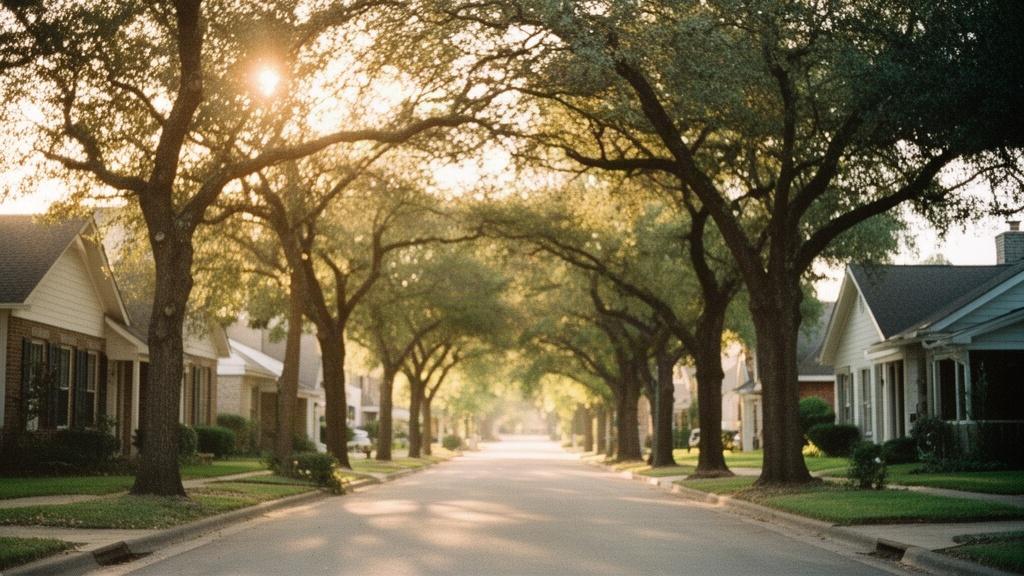
Ranch-style homes are the dominant form, with low rooflines, wide front yards, and mature landscaping that often includes citrus trees. Lot sizes in Arcadia Proper tend to run from about 10,000 square feet on the smaller end up to half an acre or more for the larger parcels, which is considerably more land than you find in most Phoenix subdivisions built after 1990. Many properties have irrigated lots served by the Salt River Project irrigation system, meaning residents can flood-irrigate their yards on a scheduled rotation rather than relying solely on drip systems. That irrigation infrastructure is a defining feature of the neighborhood and a significant part of why the mature trees and lush landscaping exist at all.
New construction and full teardown rebuilds have become common over the past decade. You will find modern farmhouse and contemporary builds sitting next to original 1950s ranches on the same block. Some buyers specifically seek out the original homes for their character; others target the new builds for updated systems and layouts. Both types sell actively in the current market.
Price Ranges as of September 2026
Arcadia sits at a significant price premium relative to most Phoenix neighborhoods. As of September 2026, entry-level homes in Arcadia Lite typically start in the high $700,000s for smaller, original-condition ranches. In Arcadia Proper, median prices for single-family homes run between $1.2 million and $1.6 million, with fully renovated or new-construction homes on larger lots frequently trading above $2 million. The price per square foot for updated homes in the core of the neighborhood currently ranges from roughly $500 to $700 or more, depending on lot size, finish level, and proximity to Camelback Mountain. If you want broader context on Phoenix pricing across the city, the Homes for Sale in Phoenix: Buyers and Sellers Guide covers how Arcadia fits into the wider market.
Property taxes in the Phoenix portion of Arcadia are assessed by Maricopa County and calculated on the home's limited cash value, not its full market value. Buyers coming from other states are sometimes surprised that the assessed value on an Arcadia home can be substantially lower than the purchase price, which affects the tax bill in the first year of ownership.
3. Day-to-Day Life in Arcadia Phoenix
Understanding what it is like to live in the Arcadia neighborhood in Phoenix day to day means looking at the texture of an ordinary week, not just the highlights. The neighborhood has a specific rhythm that differs from both the dense urban core near downtown and the newer master-planned communities further out in the Valley.
Morning Routines and Local Spots
The stretch of Camelback Road between 40th Street and 56th Street has a dense concentration of coffee shops, breakfast spots, and brunch restaurants that see heavy foot traffic on weekend mornings. LGO Hospitality operates several concepts in the area, including La Grande Orange Grocery and Postino Wine Cafe, both of which have become fixtures of daily life for many residents. The Ingo's Tasty Food location on Camelback is another regular stop. On weekday mornings, the drive-through lines at the coffee shops along Camelback can add five to ten minutes to an early departure, which is worth accounting for if you have a strict start time.
The Camelback Mountain trail system is accessible from two main trailheads, Echo Canyon and Cholla, both within a short drive from most Arcadia addresses. Echo Canyon is about two miles from the western edge of Arcadia. The trailhead parking lots fill by 7:00 a.m. on weekend mornings from October through April, which is the cooler hiking season. Many Arcadia residents build an early hike into their weekly schedule during those months.
Errands, Groceries, and Everyday Needs
Grocery access in Arcadia is strong. A Whole Foods Market sits at 44th Street and Indian School Road, a Sprouts Farmers Market is located nearby on Camelback, and a Safeway serves the eastern end of the neighborhood on 64th Street. The AJ's Fine Foods on 44th Street is a local specialty grocer with a deli and prepared foods section that many residents use for weeknight dinners. For big-box needs, a Target and Home Depot are both accessible within about a ten-minute drive, and the Scottsdale Fashion Square mall is roughly three miles east.
The restaurant density along Camelback and Indian School is high enough that most residents eat out or order in multiple times per week without leaving the immediate area. Dining options range from quick-service taquerias and pizza spots to upscale sit-down restaurants. The cluster around 44th and Camelback is particularly active on weekend evenings, and street parking on the residential blocks just off Camelback becomes tight after 6:00 p.m. on Fridays and Saturdays.
Parks, Outdoor Space, and Camelback Mountain
Arcadia does not have a large traditional city park within its core, but outdoor space is woven into daily life in other ways. The wide, irrigated lots mean many residents have substantial private outdoor space. The Arizona Canal runs along the northern edge of the broader area and has a paved multi-use path that connects to the broader canal trail system, which stretches across much of the Phoenix metro. Cyclists and joggers use this path regularly as a low-traffic route into Scottsdale or toward the Biltmore area to the west.
Camelback Mountain is the visual anchor of the neighborhood and a genuine part of daily life for many residents, not just a backdrop. The Echo Canyon Trail gains about 1,280 feet of elevation over roughly 1.5 miles and is considered one of the more demanding urban hikes in the country. The Cholla Trail on the east side is slightly longer at about 1.8 miles to the summit. Both trails are free to access through the City of Phoenix parks system, though the parking situation at Echo Canyon requires arriving early or using the city's shuttle service on peak-season weekends. For more information on the trails, the Arcadia Phoenix Lifestyle Guide at NeighborhoodsinPhoenix.com covers the outdoor options in additional detail.
4. Commuting From Arcadia to the Rest of Phoenix
Arcadia's central location is one of its most practical advantages. Residents can reach a wide range of employment centers without crossing the entire metro, which reduces commute times compared to outer-ring suburbs.
Drive Times to Key Employment Centers
From a central Arcadia address near 56th Street and Camelback, typical off-peak drive times look like this: downtown Phoenix is about 15 to 20 minutes west via Camelback Road or the I-10 interchange at 44th Street; the Biltmore financial corridor is roughly 8 to 12 minutes; Old Town Scottsdale is 10 to 15 minutes east; and the Mayo Clinic campus in north Scottsdale is approximately 25 to 30 minutes without traffic. Sky Harbor International Airport sits about 15 minutes south via 44th Street, which is a practical benefit for frequent travelers.
During peak commute hours, those times stretch considerably. The Camelback Road corridor heading west toward 44th Street can add 10 to 20 minutes during the 7:30 to 9:00 a.m. window on weekdays. The same corridor heading east toward Scottsdale Road backs up between 4:30 and 6:30 p.m. Residents who can shift their schedules by 30 to 45 minutes in either direction report significantly shorter actual drive times.
Traffic Patterns and Alternatives
Arcadia is not served by light rail. The Valley Metro light rail system runs along Washington and Jefferson streets downtown and along Central Avenue, which is about four to five miles west of the neighborhood's core. Residents who want to use transit typically drive or bike to a light rail station rather than walking to one. The Arizona Canal path makes cycling to the Biltmore area or into Scottsdale a realistic option for some residents, particularly in the cooler months from October through April.
5. Things to Know Before You Buy in Arcadia
Buying in Arcadia involves a few considerations that are specific to this neighborhood and that do not come up in most other parts of Phoenix. Knowing them before you make an offer saves time and avoids surprises during due diligence.
Property Characteristics Worth Verifying
Irrigation rights are attached to some Arcadia lots but not all. Before closing, confirm whether a property has active Salt River Project irrigation shares and what the current water assessment fee is. Lots with irrigation rights can sustain large trees and grass lawns at a lower cost than running a drip system continuously; lots without them face higher water bills for the same landscaping. This distinction affects both ongoing costs and what the yard can realistically support.
Many original homes in Arcadia have been added onto over the decades, sometimes without permits. A thorough inspection and a permit history pull from the City of Phoenix or City of Scottsdale building department, depending on which jurisdiction the property falls in, is worth doing on any older home. Unpermitted additions can complicate financing, insurance, and future resale. Your agent should pull the permit history as a routine step before you finalize an offer.
Arcadia also has no HOA in most of the neighborhood, which means fewer restrictions on how you use your property but also no shared enforcement of exterior standards. Some buyers see this as a significant advantage; others prefer the consistency that a managed community provides. It is worth thinking through which side you fall on before committing to the area. If you are also weighing whether to sell a current home before buying here, the article on selling a home in Phoenix covers the pricing and timeline considerations in detail.
Schools and How to Research Them
School district boundaries in Arcadia are split, and the district serving a specific home depends on which side of certain streets the property falls on. The Scottsdale Unified School District serves portions of the area with a Scottsdale address, while the Phoenix Elementary School District and Creighton Elementary District serve portions with a Phoenix address. The Balsz Elementary District covers some southern sections. For middle and high school, boundaries shift again. The best way to confirm which schools serve a specific property is to enter the address directly into the Arizona Department of Education's school finder tool or contact the relevant district office. These are personal decisions that each household should research based on their own priorities.
Private school options are also accessible from Arcadia, with several independent schools located within a 10 to 15 minute drive. Families who are weighing public versus private options typically find that Arcadia's central location makes both reasonably accessible, but the specific commute depends on which school and which direction it sits relative to your address. Working with a local agent who knows the boundary lines helps you avoid buying on the wrong block for your specific situation.
For buyers comparing Arcadia to other Phoenix-area options, it is worth reading through the Chandler Arizona Real Estate Market Guide to understand how a newer, more suburban part of the metro compares in price, lot size, and daily lifestyle.
FAQ
Is Arcadia in Phoenix or Scottsdale?
Arcadia spans both cities, which is one of the first things buyers discover when they start looking at listings. The western portion of the neighborhood carries a Phoenix mailing address and falls under City of Phoenix jurisdiction, while some eastern sections carry a Scottsdale address and are governed by Scottsdale city services and codes. The distinction matters for property taxes, building permits, and school district boundaries. When you find a specific property you are interested in, confirming the city jurisdiction is a basic due-diligence step your agent should handle early in the process.
How hot does it get in Arcadia, and how do residents handle Phoenix summers?
Arcadia sits at roughly 1,100 feet of elevation, the same as the broader Phoenix metro, and experiences the same desert summer climate. Daytime highs from June through September regularly exceed 105 degrees Fahrenheit, with July and August frequently reaching 110 or higher. The mature tree canopy in Arcadia provides more shade than newer, less-established neighborhoods, which makes outdoor spaces marginally more comfortable during morning and evening hours. Most residents shift outdoor activity to before 8:00 a.m. and after 7:00 p.m. during peak summer months. Air conditioning is a non-negotiable utility cost, and buyers should ask about the age and condition of HVAC systems in any Arcadia home, particularly in older properties that may still have original or early-replacement equipment.
What is the Arcadia real estate market like for buyers right now in September 2026?
As of September 2026, Arcadia remains a competitive segment of the Phoenix market, particularly for well-priced homes in Arcadia Proper with updated kitchens, larger lots, and intact irrigation systems. Inventory in the neighborhood has historically been limited because the area is geographically bounded and fully built out, meaning new supply comes only from teardowns and occasional resales. Buyers should expect to move quickly on properties that are priced accurately and presented well. Working with an agent who monitors Arcadia specifically, rather than the broader Phoenix market in aggregate, makes a meaningful difference in knowing when a property is priced fairly versus when there is room to negotiate.