← Back to Blog
Market Trends
Scottsdale AZ Real Estate Market Guide: Prices & Neighborhoods
By Valeria Jaramillo Velazquez
September 4, 2026 · 10 min read
This Scottsdale, Arizona real estate market guide covers everything buyers, sellers, and relocating households need to know right now: current median prices, how the city's distinct neighborhoods differ, what commute times look like from Scottsdale into Phoenix, and how to time your move in a market that has shifted meaningfully over the past 18 months. Whether you are purchasing your first home in the Valley or selling a property you have held for years, the numbers and local context here will help you make a sharper decision.
1. What the Scottsdale Market Looks Like Right Now
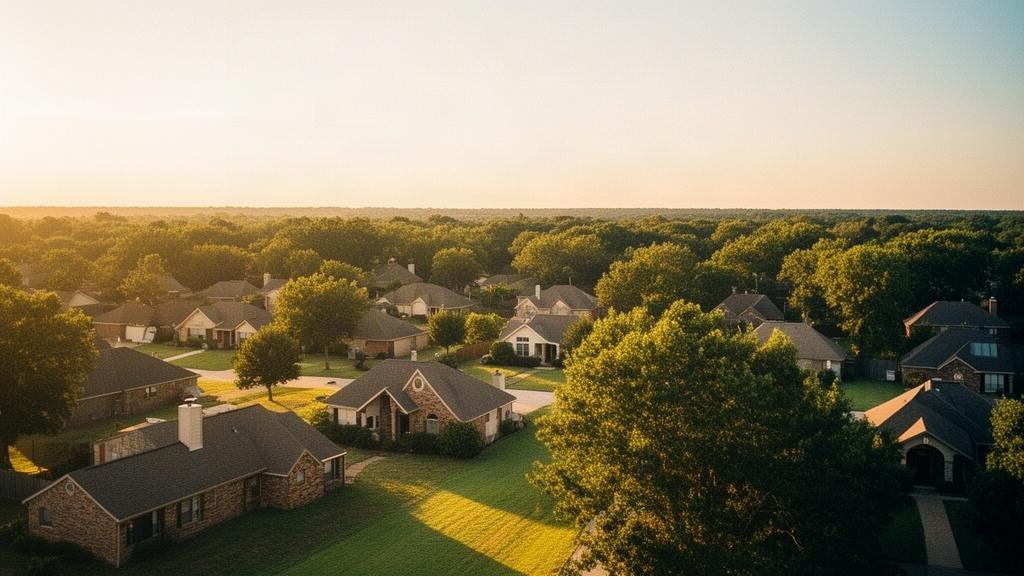
Scottsdale is one of the most actively traded real estate markets in the Phoenix metro, and in September 2026 it continues to attract both primary residents and buyers from out of state. Norada Real Estate reports that Scottsdale's median home price has held in the $750,000 to $800,000 range through mid-2026, with luxury segments above $1.5 million remaining notably active. That figure is a citywide average and masks a wide spread: entry-level condos in South Scottsdale trade closer to $350,000 to $450,000, while custom homes on larger lots in North Scottsdale routinely exceed $2 million.
Median Prices and Inventory
Inventory has loosened compared to the peak shortage of 2022 and 2023, but Scottsdale still carries fewer active listings per capita than most comparable Sun Belt cities. As of September 2026, the city sits at roughly two to three months of supply across most price bands, which puts it in balanced-to-slightly-seller-favored territory. Days on market for move-in-ready homes priced accurately have been running 30 to 45 days citywide, though overpriced listings are sitting considerably longer as buyers have grown more selective.
How Scottsdale Compares to the Broader Phoenix Metro
Scottsdale's median price runs roughly 60 to 80 percent above the Phoenix metro median, which sat near $450,000 in mid-2026. That premium reflects both the housing stock (larger lots, newer construction in the north, walkable mixed-use near Old Town) and the city's concentration of resort corridors, golf courses, and the Scottsdale Airpark employment hub. For buyers weighing Scottsdale against neighboring cities like Tempe, Gilbert, or Chandler, the price gap is real but so is the difference in property type and lot size at a given price point.
If you want a broader picture of where Arizona as a whole stands, Forbes Advisor's Arizona housing market overview provides useful statewide context alongside metro-level data. Scottsdale consistently sits above both the state and metro averages, which is worth anchoring before you set a budget.
2. Scottsdale's Key Areas and What They Offer
Scottsdale spans roughly 185 square miles from its southern border near Tempe to its northern edge at the Tonto National Forest. That geography means the city's neighborhoods feel genuinely different from one another in terms of housing type, lot size, price range, and proximity to amenities. Understanding those differences is the starting point for any serious search.
South Scottsdale
South Scottsdale, roughly the area south of Thomas Road and east of Scottsdale Road, contains the city's most accessible price points. Single-family homes here are often 1,200 to 1,800 square feet on modest lots, built primarily in the 1960s and 1970s, and priced between $400,000 and $600,000 depending on updates and proximity to the Papago Park corridor. Condos and townhomes are plentiful in this part of the city, with many complexes sitting within a short drive of Tempe Town Lake, the Papago Park mountain preserve, and the Phoenix Zoo. The area also borders Tempe, which means commute times into downtown Phoenix via the US-60 or the light rail connection at nearby stations run roughly 20 to 30 minutes during off-peak hours.
Old Town and Central Scottsdale
Old Town Scottsdale, centered on Scottsdale Road and Indian School Road, is the city's most walkable district. Art galleries, restaurants, and the Scottsdale Fashion Square mall sit within a few blocks of one another. Housing here skews toward condos, lofts, and townhomes in the $450,000 to $900,000 range, with a smaller supply of detached homes. Moving north along Scottsdale Road toward Camelback Road and McCormick Ranch, the housing stock shifts to larger ranch-style and contemporary homes on quarter-acre to half-acre lots, typically priced from $700,000 to $1.4 million. McCormick Ranch itself is a planned community with its own lake system, canal paths, and parks woven through established neighborhoods.
North Scottsdale
North Scottsdale, generally defined as the area north of Frank Lloyd Wright Boulevard, contains the city's largest concentration of newer construction, gated communities, and custom desert estates. Communities like DC Ranch, Silverleaf, Troon, and Grayhawk were largely built between the mid-1990s and the 2010s on larger lots with mountain and desert views. Median prices in this corridor run from $900,000 to well above $3 million for custom builds, with the Silverleaf enclave regularly producing sales above $5 million. The Scottsdale Airpark, one of the largest business parks in the United States, sits in this part of the city and employs tens of thousands of people, which supports steady housing demand from professionals working locally.
McDowell Mountain and the 85255 Corridor
The 85255 zip code, which includes areas near the McDowell Mountain Regional Park and the Pinnacle Peak corridor, has drawn significant attention in 2026 from both primary-home buyers and second-home purchasers. Homes here sit on larger lots with desert landscaping, and many back up to or face the McDowell Sonoran Preserve, which covers over 30,000 acres of protected desert. Price ranges in this corridor run from approximately $900,000 for a mid-size production home to several million for custom properties on an acre or more. The proximity to Loop 101 keeps commute times to central Scottsdale manageable at 15 to 25 minutes, and the drive to Sky Harbor International Airport runs roughly 35 to 45 minutes without significant traffic.
3. Commute Times and Getting Around
Scottsdale is a car-dependent city by design, but its freeway access is genuinely strong. Loop 101 (the Pima Freeway) runs north-south through the city and connects to the I-10, Loop 202, and US-60, making most of the Phoenix metro reachable within 30 to 50 minutes from most Scottsdale addresses.
Driving Into Central Phoenix
From South Scottsdale to downtown Phoenix, the drive via McDowell Road or the I-10 interchange at Broadway runs 20 to 30 minutes in normal conditions. From North Scottsdale near Pinnacle Peak Road, plan on 40 to 55 minutes to downtown Phoenix during morning rush hour. Valley Metro's light rail does not currently extend into Scottsdale, so most commuters drive or use rideshare. Buyers who work at employers along the Camelback Corridor or in the Biltmore area will find central and south Scottsdale addresses particularly convenient, often cutting the commute to 15 to 20 minutes.
Loop 101 and the Price Road Corridor
The Price Road Corridor along Loop 101 is one of the Phoenix metro's densest employment zones, with major campuses for technology, healthcare, and financial services companies concentrated between Chandler and north Scottsdale. A Scottsdale address along or near the 101 puts most of these employers within 10 to 25 minutes, which is a meaningful advantage for dual-income households where both people work at different points along the freeway. Sky Harbor International Airport is roughly 20 to 30 minutes from central Scottsdale via the 101 south to the I-10, which matters for frequent travelers weighing Scottsdale against other Valley cities.
4. Timing the Scottsdale Market as a Buyer or Seller
Scottsdale has clearer seasonal patterns than most Phoenix-area cities because it draws a significant share of winter visitors and second-home buyers who operate on a predictable calendar. Understanding that calendar helps both buyers and sellers position themselves more effectively.
Seasonal Patterns That Still Hold
Scottsdale's busiest buying season runs from January through April, when out-of-state visitors arrive for the weather and often convert a vacation into a purchase decision. Listings that come to market in late November or December tend to catch early-season buyers before competition heats up. Activity slows noticeably from June through August when summer temperatures regularly exceed 110 degrees Fahrenheit, and many discretionary buyers pause their search. September and October represent a secondary window of activity as temperatures drop and local buyers who waited out the summer return to the market.
When Sellers Have the Edge
Sellers in Scottsdale see the strongest leverage from January through March, particularly in the $600,000 to $1.5 million range where winter buyers are most active. Luxury properties above $2 million sell year-round but tend to close faster when listed before the spring travel season ends. Presenting a home well matters more in Scottsdale than in many other Valley cities because buyers often arrive from out of state with high visual expectations and are comparing multiple properties in a short visit.
When Buyers Find More Room to Negotiate
Summer months, particularly July and August, give local buyers more negotiating room because seller motivation tends to increase for properties that have sat through the slow season. Price reductions are more common in summer, and sellers who need to close before the next school year or fiscal quarter are often willing to negotiate on both price and terms. Right now in September 2026, the market is in a transitional window: summer inventory that did not sell is still available, and new listings are beginning to come on as owners prepare for the winter buying season. That combination can create genuine opportunity for prepared buyers.
5. What Buyers and Sellers Should Know Before They Act
The Scottsdale market rewards preparation. Buyers who arrive without financing in place and sellers who price based on peak-2022 comps both tend to lose ground. Here is what each side needs to understand before going to market.
For Buyers: What to Budget Beyond the Purchase Price
HOA fees are a real cost in Scottsdale. Many communities, particularly gated neighborhoods in North Scottsdale and master-planned areas like DC Ranch or Gainey Ranch, carry monthly HOA fees between $200 and $800 or more depending on amenities. Some communities also carry separate club or golf membership requirements. Factor these into your monthly budget before setting a purchase price ceiling.
Property taxes in Scottsdale run at roughly 0.5 to 0.7 percent of assessed value annually, which is lower than the national average but still meaningful on a $900,000 home. Arizona also has a transaction privilege tax on new construction that buyers should clarify with their agent before signing. Closing costs in Arizona typically run 1 to 2 percent of the purchase price for buyers, covering title insurance, escrow fees, and lender charges. On a $750,000 purchase that is $7,500 to $15,000 in addition to the down payment.
Buyers relocating from other states should also review our Phoenix buyers and sellers guide for a broader look at how the Phoenix metro transaction process works, including inspection timelines, earnest money norms, and what to expect from Arizona's escrow-based closing process.
For Sellers: Pricing Precisely in a Segmented Market
Scottsdale's market is more segmented by price band than most Valley cities. A home priced at $850,000 competes in a completely different buyer pool than one priced at $1.1 million, even if the physical difference between them is minor. Pricing just above a psychological threshold can cost a seller weeks of market time and ultimately a lower net price.
Comparable sales from 2024 are less reliable benchmarks than they were two years ago because the market has shifted. Sellers should insist on comps from the past 90 to 120 days within the same zip code and property type. Homes with meaningful upgrades, such as updated kitchens, owned solar systems, or resort-style backyard pools, consistently command premiums in Scottsdale's buyer pool, particularly among out-of-state purchasers who want a turnkey property.
Scottsdale has also attracted notable attention as a second-home destination in 2026. Forbes noted earlier this year that Scottsdale is among the markets where wealthy buyers are actively purchasing second homes, which adds a layer of demand that does not disappear when primary-home buyers pull back. Sellers of higher-end properties should be aware that their buyer may be purchasing remotely and relying heavily on virtual tours and agent representation.
FAQ
What is the median home price in Scottsdale, Arizona right now?
As of September 2026, Scottsdale's citywide median home price sits in the $750,000 to $800,000 range, though that figure spans a wide spectrum. Entry-level condos in South Scottsdale start closer to $350,000, while custom homes in North Scottsdale communities like Silverleaf or Troon routinely exceed $2 million. The most active price band in terms of transaction volume is currently $600,000 to $1.2 million, where both local move-up buyers and relocating out-of-state buyers are competing. Pricing varies significantly by zip code, so a neighborhood-level analysis is essential before setting a budget or a list price.
Is it a good time to buy a home in Scottsdale in 2026?
September 2026 is a transitional window in the Scottsdale market. Summer inventory that did not sell is still available at prices that have softened from spring highs, and new listings are beginning to come on as sellers prepare for the winter buying season. Buyers who are pre-approved and ready to move have more negotiating room right now than they did in January or February. That said, well-priced, move-in-ready homes in desirable corridors like McCormick Ranch or the 85255 zip code are still moving within 30 to 45 days, so preparation matters. Working with a local agent who tracks active and pending inventory in real time is the most reliable way to identify genuine value in the current market.
How do I research schools in Scottsdale before buying a home?
School research is an important part of many buyers' decision process, and the most reliable sources are the Arizona Department of Education's public data portal and the Scottsdale Unified School District's own website, which publish enrollment, program offerings, and attendance boundaries for each school. Because school programs and priorities vary by family, it is worth visiting schools directly and reviewing the state's published performance data rather than relying on third-party rankings. Attendance boundaries in Scottsdale can shift, so confirming which school a specific address is zoned for before making an offer is an important step your agent can help you navigate.