← Back to Blog
Market Trends
Manhasset, Nassau County Real Estate Market Guide: Prices, Neighborhoods and Timing
By Wilson Vernelly
CORCORAN SRG RESIDENTIAL
September 8, 2026 · 11 min read
If you are buying, selling, or relocating and want a clear picture of the Manhasset, Nassau County real estate market, this guide covers what you actually need: current prices, how the different pockets of the village compare, and when to make your move in 2026. Manhasset sits along the North Shore of Nassau County, roughly 20 miles east of Midtown Manhattan, and its market moves differently from most of Long Island. Here is what the numbers and local conditions look like right now.
1. What Makes Manhasset's Market Distinct Within Nassau County
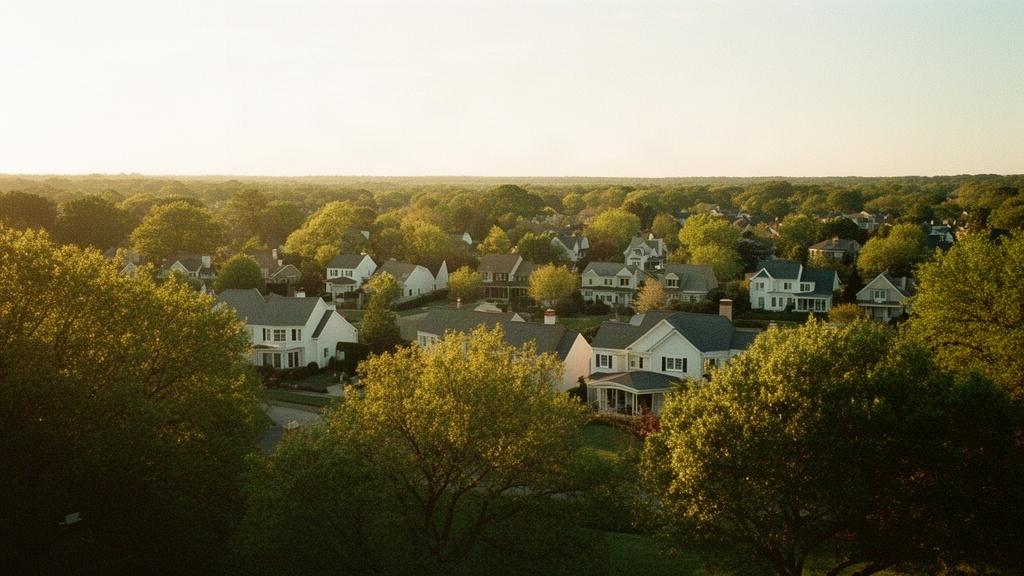
Manhasset occupies a narrow but consequential slice of Nassau County's North Shore real estate landscape. It sits in the Town of North Hempstead, bordered by Great Neck to the west and Port Washington to the north, and it draws buyers who want proximity to the city without giving up the scale and character of a traditional Long Island village.
Location and Housing Stock
The housing stock in Manhasset skews older and larger than Nassau County's county-wide average. You find a lot of Colonials, Tudors, and center-hall homes built between the 1920s and the 1960s, many on lots that run between a quarter acre and an acre. The village also has a meaningful number of postwar ranch and split-level homes on the interior streets, particularly in the Strathmore section, which gives buyers at different price points something to consider.
New construction is limited. The village's zoning and lot coverage rules constrain teardown activity compared to some neighboring communities, so most buyers are purchasing existing homes rather than newly built product. That matters when you are setting price expectations: you are paying for location and lot, and often accepting a home that will need updating.
Price Positioning on the North Shore
Within Nassau County's North Shore corridor, Manhasset sits at the upper tier of the price spectrum. It is consistently more expensive on a per-square-foot basis than communities like Mineola or Westbury, and it competes directly with Old Westbury, Roslyn Harbor, and Sands Point for buyers in the higher price ranges. Understanding where Manhasset sits in that hierarchy helps both buyers calibrate expectations and sellers price competitively.
2. Current Prices in the Manhasset, Nassau County Real Estate Market
As of September 2026, the Manhasset market remains firmly a seller's market, with limited inventory keeping prices elevated. Buyers who have been watching the Nassau County market broadly will find that Manhasset's price floor is noticeably higher than the county median, which itself has risen considerably over the past several years.
Median and Average Sale Prices in September 2026
The median sale price for single-family homes in Manhasset currently sits in the range of $1.4 million to $1.7 million, depending on the section of the village and the home's condition. Entry-level detached homes on smaller lots in Strathmore can trade in the $900,000 to $1.1 million range, while the estate-section properties in Flower Hill and Plandome regularly exceed $2.5 million and can push well past $4 million for the larger parcels with significant renovations.
For broader context on where Nassau County sits as a whole, this overview of the average home price in Nassau County right now is worth reading before you narrow your search to Manhasset specifically. Manhasset's median runs roughly 60 to 80 percent above the Nassau County-wide median, which is itself one of the highest in New York State.
The broader Nassau and Suffolk market context supports these figures. According to a Long Island July 2026 buyer's guide covering Nassau and Suffolk housing trends, Nassau County as a whole has seen continued price appreciation through mid-2026, with inventory remaining historically tight. Manhasset, with its constrained new construction pipeline, has felt that pressure acutely.
Price Per Square Foot and What It Buys You
On a price-per-square-foot basis, Manhasset homes currently trade in the $450 to $650 range for most of the village, with the upper end reserved for fully renovated or newly built product in the estate sections. A buyer spending $1.5 million should expect a home of roughly 2,400 to 3,000 square feet, typically a Colonial or expanded ranch with an original kitchen or bathrooms that need updating. A home that has been fully renovated at that price point will be smaller or on a less desirable street.
How Inventory Shapes the Numbers
Active listings in Manhasset at any given time are measured in the dozens, not hundreds. In September 2026, the village typically sees between 30 and 55 single-family homes listed at one time, which means a new listing that is priced correctly and presented well will draw multiple offers quickly. Sellers who overprice tend to sit; buyers who hesitate tend to lose.
3. Manhasset's Neighborhoods and Pockets: What the Housing Looks Like
Manhasset is not a single uniform market. The village and its surrounding incorporated areas contain several distinct pockets, each with its own price range, lot size, and architectural character. Knowing the difference between them is essential before you make an offer or set a list price.
Flower Hill and the Estates Section
Flower Hill is an incorporated village that sits immediately adjacent to Manhasset and is often grouped with it in casual conversation. Homes here tend to sit on larger lots, often half an acre to well over an acre, and the architectural styles lean toward traditional Colonials and Tudors from the 1930s through the 1950s. Prices in Flower Hill regularly exceed $2 million, and the upper end of the market here can reach $5 million or more for significantly renovated or expanded properties.
The Estates section of Manhasset proper, along and off Manhasset Isle and the streets that border Manhasset Bay, offers a different character: waterfront and water-view properties that command premiums well above the village average. A water-view Colonial here can trade at $3 million to $4 million even without a direct dock, while bayside properties with deeded water access can exceed that considerably.
Plandome and Its Three Villages
Plandome, Plandome Heights, and Plandome Manor are three separate incorporated villages that sit within the Manhasset school district and are commonly treated as part of the broader Manhasset market by buyers and agents alike. Plandome Manor in particular has some of the largest lots in the area, with many properties running from one to three acres. The housing stock here is a mix of older Colonials, Tudors, and a handful of more contemporary builds that replaced teardowns over the past two decades.
Plandome Heights, which borders Manhasset Bay, has a cluster of properties with water access or dock rights that represent some of the most sought-after addresses in Nassau County's North Shore. Buyers focused on this sub-area should expect a very thin inventory and should be prepared to move quickly when something comes to market.
Strathmore and the Mid-Village Streets
For buyers who want to be in the Manhasset area at a lower entry point, the Strathmore section and the mid-village streets between Northern Boulevard and the Long Island Rail Road tracks offer more accessible pricing. Ranch homes, split-levels, and smaller Colonials in this area trade in the $850,000 to $1.2 million range. Lots are typically smaller, running from 6,000 to 10,000 square feet, and the homes date mostly from the 1950s and 1960s.
These streets are walkable to Manhasset's Miracle Mile shopping corridor along Northern Boulevard, which includes Americana Manhasset, one of the most concentrated luxury retail destinations on Long Island. That walkability to retail and the LIRR station on Plandome Road is a meaningful feature for buyers who commute or who want day-to-day convenience without a car for every errand.
4. Timing the Manhasset Market: When to Buy and When to Sell
Timing matters in any market, and Manhasset follows Nassau County's broader seasonal rhythms while adding its own wrinkle: because inventory is so thin year-round, the window of opportunity for buyers is narrower than in higher-volume markets. Sellers, meanwhile, have had consistent leverage for several years running.
Seasonal Patterns in 2026
Spring, from late March through early June, is when the most listings hit the Manhasset market and when buyer competition peaks. Sellers who list in April and May tend to see the strongest offer activity and the highest percentage of sales above asking price. Summer brings a modest slowdown as families travel, though serious buyers remain active. September, right now, is actually an underrated window: buyers who were outbid in spring return to the market, and sellers who list in early fall often face less competition from other listings while still catching motivated buyers.
The winter months, November through February, see the fewest listings and the fewest buyers. For buyers, that can mean less competition and occasionally a seller who is more willing to negotiate. For sellers, it typically means a longer time on market and a smaller pool of offers. Most sellers in Manhasset who have flexibility choose to list between March and June.
Days on Market and Absorption Rate
Well-priced homes in Manhasset are currently going under contract in roughly 14 to 30 days. Homes that are priced aggressively or that have condition issues can sit for 60 days or more, which in this market is a signal that draws buyer skepticism. The absorption rate, meaning how long it would take to sell all current inventory at the current pace of sales, is running at roughly two to three months in September 2026. That is a seller's market by the standard definition, which is anything below six months of supply.
What the Broader Nassau County Trend Means for Manhasset
Nassau County entered 2026 with momentum from a strong 2025, and that momentum has carried through the year. A detailed recap of how Nassau's market performed through 2025 provides useful baseline context for understanding where prices started before this year's appreciation. Manhasset has tracked that county-wide trend but at a higher price point, meaning the dollar gains per home have been larger even when the percentage appreciation is similar.
Interest rate movements remain the single biggest variable for timing. At Manhasset's price levels, a half-point move in mortgage rates translates to several hundred dollars per month in carrying cost on a jumbo loan. Buyers who are on the fence about timing should model their budget at current rates and at rates 50 basis points higher to understand their real exposure before committing.
5. Practical Considerations Before You Transact in Manhasset
The purchase price is only one number in the Manhasset equation. Property taxes, carrying costs, commute logistics, and closing costs all affect what a home here truly costs on an annual basis. Buyers relocating from outside Nassau County are sometimes surprised by how these numbers add up.
Property Taxes in the Manhasset School District
Property taxes in Manhasset are substantial. A home assessed at $1.5 million in Manhasset will typically carry a combined annual tax bill, including school, county, town, and special district levies, in the range of $25,000 to $35,000 per year. Homes in the higher price tiers can exceed $40,000 annually. Nassau County's assessment system has historically been subject to grievance challenges, and many homeowners successfully reduce their assessments through the formal grievance process.
For a thorough breakdown of how Nassau County property taxes compare to the rest of Long Island and what to budget for, this property tax guide for Nassau County buyers walks through the levy structure and what new buyers should expect when their first bill arrives.
Commute and Transportation
Manhasset's LIRR station on the Port Washington Branch is one of the village's most practical assets for commuters. Direct service to Penn Station in Midtown Manhattan runs throughout the day, with peak-hour trains making the trip in approximately 37 to 45 minutes depending on the specific service. The Port Washington Branch is one of the few LIRR lines with no transfer required to reach Penn Station, which many commuters find preferable to branches that require a Jamaica connection.
For buyers who drive, Manhasset sits immediately off the Long Island Expressway at Exit 36, and the Northern State Parkway is accessible within minutes. Rush-hour drive times to Midtown Manhattan typically run 45 to 75 minutes depending on traffic conditions and the specific destination in the city.
Closing Costs and Carrying Costs to Budget
At Manhasset's price levels, closing costs for buyers are meaningful. Mortgage recording taxes, title insurance, attorney fees, and inspection costs on a $1.5 million purchase can run $30,000 to $50,000 in total out-of-pocket closing expenses, depending on the loan structure and whether the buyer negotiates any seller concessions. New York State and Nassau County both have transfer taxes that apply to certain transactions, so it is worth understanding the full picture before you sign a contract.
For a detailed breakdown of what buyers pay at closing in Nassau County, including local fees that often catch people off guard, this closing costs guide for Nassau County buyers covers each line item with specific numbers.
Buyers should also account for the timeline between contract signing and closing. In Nassau County, the period from accepted offer to closing typically runs 60 to 90 days, though Manhasset transactions involving co-ops or estate sales can take longer. Understanding that timeline matters for planning your move, your rate lock, and your overlap with any current housing situation.
Buyers considering Manhasset should also research the school district independently. The Manhasset Union Free School District serves the village and the surrounding incorporated areas, and the New York State Education Department publishes detailed data on enrollment, programs, and performance that you can review directly at nysed.gov. For guidance on how to research school districts in Nassau County as part of your home search, this practical guide for home buyers explains what to look for and where to find the data.
FAQ
What is the typical price range for a single-family home in Manhasset, Nassau County right now?
In September 2026, single-family home prices in Manhasset range from roughly $850,000 for a smaller ranch or split-level in the Strathmore section to well over $4 million for a renovated estate in Flower Hill, Plandome Manor, or along the waterfront. The median for the village and its adjacent incorporated areas runs between $1.4 million and $1.7 million. Price per square foot currently falls in the $450 to $650 range for most of the market, with fully renovated homes at the upper end. Buyers should also budget for annual property taxes that can add $25,000 to $40,000 or more to the annual cost of ownership depending on the specific home and its assessed value.
Is Manhasset a buyer's market or a seller's market in 2026?
Manhasset is a seller's market in September 2026. Active inventory in the village typically runs between 30 and 55 single-family homes at any given time, which is thin relative to buyer demand. The absorption rate is running at roughly two to three months of supply, well below the six-month threshold that defines a balanced market. Well-priced homes are going under contract in 14 to 30 days, and multiple-offer situations are common for move-in-ready listings. Buyers should be pre-approved and prepared to act quickly; sellers have generally had the upper hand in negotiations throughout 2026.
How does the Manhasset real estate market differ from the rest of Nassau County?
Manhasset's median home price runs roughly 60 to 80 percent above the Nassau County-wide median, making it one of the higher-priced markets within the county. The housing stock skews older and larger, with many homes dating from the 1920s through the 1960s on lots that are bigger than what you find in the county's South Shore or mid-island communities. New construction is limited by zoning, so buyers are almost always purchasing existing homes. The village also benefits from a direct LIRR connection to Penn Station on the Port Washington Branch, which is a meaningful commuter advantage that not all Nassau County communities share. Property taxes, while high relative to national averages, are in line with other North Shore Nassau communities at comparable price points.