
← Back to Blog
Market Trends
Nassau County Is Known for Its Real Estate Market: A Complete Guide to Prices, Neighborhoods and Timing
By Wilson Vernelly
CORCORAN SRG RESIDENTIAL
September 27, 2026 · 11 min read
Nassau County is known for one of the most active and resilient real estate markets in the entire New York metro area, and if you are buying, selling, or relocating here in September 2026, understanding the mechanics of this market will save you time and money. This guide covers current price ranges across different parts of the county, what distinguishes the housing stock from one area to the next, and how to read the seasonal timing so you can move with confidence rather than guesswork.
1. What Makes Nassau County's Real Estate Market Distinct
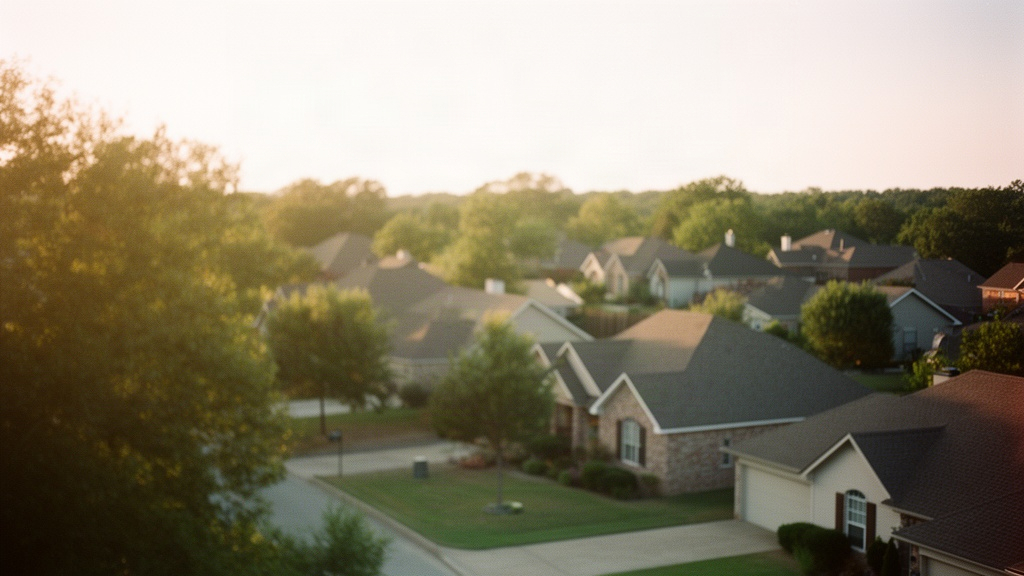
Nassau County is known for a real estate market that consistently outperforms expectations. Located directly east of New York City on Long Island, the county spans roughly 287 square miles and contains more than 400,000 housing units spread across two cities, three towns, and 64 incorporated villages. That density of distinct communities, each with its own zoning character and price point, is what gives this market its complexity and its durability.
A Tight Supply Story
The single biggest driver of Nassau County real estate prices is supply. The county is almost entirely built out. There is very little undeveloped land left for new single-family construction, which means inventory stays structurally low year after year. When a well-maintained home in a desirable zip code hits the market, it rarely sits for long. Active listing counts across the county have remained compressed throughout 2026, keeping upward pressure on prices even as mortgage rates have stayed elevated.
For context on how limited new construction has been, see the detailed breakdown of new residential construction and development projects in Nassau County in 2026, which shows that most activity is concentrated in mixed-use redevelopment near LIRR stations rather than traditional suburban subdivisions.
Why Prices Have Held Firm
Nassau County's proximity to Manhattan is a structural price floor. The Long Island Rail Road connects communities like Mineola, Garden City, Great Neck, and Rockville Centre to Penn Station and Grand Central Madison in roughly 30 to 50 minutes. That commute profile means the county competes directly with Brooklyn and Queens for buyers who want a yard, a garage, and more square footage than a city apartment offers. Demand from that pool does not disappear when rates rise; it adjusts and waits.
The Northeast has consistently led the country in price appreciation, and Nassau County has been part of that trend. NAR data on county-level median prices confirms that Nassau County has ranked among the higher-priced suburban counties in the New York metro, with median prices well above the national average. That gap has not narrowed meaningfully in recent years.
2. Current Prices Across Nassau County in September 2026
Prices in Nassau County currently vary widely depending on location, housing type, and lot size. Understanding the county-wide median is a starting point, but the real picture emerges when you break it down by corridor and community.
The County-Wide Median
As of September 2026, the median single-family home price in Nassau County sits in the range of $750,000 to $800,000, reflecting continued appreciation from the $650,000 to $700,000 range seen in late 2024. Condominiums and co-ops bring the blended median down somewhat, with attached units typically ranging from $350,000 on the lower end to $600,000 or more depending on location and building amenities. For a deeper look at how these figures have shifted over the past twelve months, the Nassau County home price trends for 2026 versus last year article covers the year-over-year movement in detail.
Price Ranges by Area
Entry-level pricing in Nassau County generally starts around $500,000 to $550,000 for smaller Cape Cods or older ranch homes in communities like Elmont, Uniondale, or Hempstead. Mid-range homes in communities like Massapequa, Wantagh, Levittown, and Franklin Square typically trade between $600,000 and $850,000 depending on size, updates, and lot. The upper tier of the market, covering communities like Manhasset, Garden City, Great Neck, and Old Westbury, regularly sees single-family homes priced from $1.2 million to well above $3 million, with waterfront and estate properties reaching considerably higher.
It is worth noting that list price and sale price are not the same thing in this market. Homes in high-demand zip codes routinely close above asking price, sometimes by 5 to 10 percent or more when multiple offers are involved. Understanding how to position an offer, or how to price a listing to attract competitive bids, requires granular knowledge of individual neighborhoods, not just county-wide averages.
3. Nassau County's Housing Stock: What You Will Actually Find
The housing stock in Nassau County tells the story of Long Island's post-World War II suburban expansion. Most of what you will find was built between the late 1940s and the early 1970s, which means the bones are solid but many homes have been updated, expanded, or renovated multiple times. That renovation history matters enormously when evaluating a listing.
Cape Cods, Colonials, and Ranches
Cape Cods are the most common housing type across the county, particularly in the towns of Hempstead and Oyster Bay. They typically offer two to four bedrooms, a partial second floor with dormers, and lot sizes ranging from 4,000 to 8,000 square feet. Colonials, which are two-story homes with a more formal layout, tend to be larger and command a premium. Ranch homes, all on one level, are common in communities like East Meadow, Bethpage, and parts of the South Shore, and they attract strong interest from buyers who want single-floor living.
Expanded Capes and expanded ranches are a distinct Nassau County phenomenon. Over decades, owners added dormers, rear additions, and full second floors to original modest footprints. These homes can look unremarkable from the street but offer 2,000 square feet or more inside. Always verify square footage with a measuring service rather than relying solely on tax records, which often lag behind renovation history.
Condos, Co-ops, and New Construction
Condominiums and co-operative apartments are concentrated near LIRR station corridors and in incorporated villages with denser zoning. Great Neck, Mineola, Rockville Centre, and Lynbrook all have meaningful condo and co-op inventory. Co-ops in particular require board approval and typically impose restrictions on subletting, so buyers should review the proprietary lease and financials carefully before making an offer. Monthly maintenance fees on co-ops can run from $600 to over $2,000 depending on the building's age and included services.
True new construction of single-family homes is rare in Nassau County, as noted earlier. What does exist tends to be teardown-and-rebuild projects on existing lots, where a builder purchases an older home, demolishes it, and constructs a new colonial or contemporary in its place. These new builds typically start around $1.2 million and can exceed $2.5 million in premium locations. Buyers interested in new construction should also look at townhome developments near transit hubs, which have been the primary vehicle for adding new residential units to the county.
4. Neighborhood Breakdown: Housing Features and Price Context
Nassau County is known for the sheer variety of its communities, and no two zip codes feel quite the same. Here is a factual breakdown of the county's major corridors, organized by geography, so you can identify which areas align with your budget and priorities.
South Shore Communities
The South Shore runs along the Atlantic Ocean and Great South Bay, giving communities here access to barrier island beaches, boating, and fishing that is not available elsewhere in the county. Communities like Massapequa, Massapequa Park, Wantagh, Seaford, and Bellmore sit within a few miles of Jones Beach State Park and the Wantagh and Meadowbrook Parkways. Homes here are predominantly Capes, ranches, and colonials on lots ranging from 5,000 to 10,000 square feet, with prices currently spanning $600,000 to $950,000 for updated single-family homes. Waterfront properties on canals and bays push well above $1 million.
Rockville Centre and Lynbrook sit slightly inland but retain a walkable village character with their own LIRR stations and active downtown areas. Rockville Centre in particular has a dense inventory of Tudors, Colonials, and Victorians on tree-lined streets, with prices ranging from $700,000 to over $1.5 million depending on the street and home size. For buyers comparing specific village options, the Garden City vs. Great Neck neighborhood and housing stock comparison offers a useful framework for thinking through how village character translates into price differences.
North Shore Communities
The North Shore of Nassau County borders Long Island Sound and includes some of the county's largest lots and oldest estates. Great Neck, Manhasset, Port Washington, Roslyn, and Sands Point are among the communities in this corridor. Housing here is more architecturally diverse, with Tudor revivals, Georgians, mid-century moderns, and contemporary builds all present on the same street in some cases. Lot sizes frequently exceed a quarter acre and can reach several acres in the incorporated villages of the North Shore. Entry-level pricing in Great Neck and Manhasset starts around $900,000 for a smaller attached or semi-detached unit, with detached single-family homes typically beginning at $1.1 million and climbing steeply from there.
Waterfront access on the North Shore looks different from the South Shore. Rather than ocean beaches, you find harbors, coves, and private beach associations fronting Long Island Sound. Properties with direct water views or deeded beach rights carry a premium of 20 to 40 percent over comparable non-waterfront homes in the same village. Buyers interested in this segment should review the luxury waterfront properties guide for Nassau County before beginning their search.
Mid-County Corridors
The mid-county area, which includes Garden City, Mineola, Westbury, East Meadow, Uniondale, and Levittown, covers a wide price spectrum and a dense concentration of housing units. Garden City is notable for its planned village layout, wide boulevards, and large Colonials and Tudors on quarter-acre or larger lots, with prices currently ranging from $900,000 to over $2 million for single-family homes. Levittown, by contrast, is almost entirely composed of the original post-war Cape Cods built by William Levitt, now heavily expanded and modified, with prices in the $550,000 to $750,000 range. Mineola has emerged as a transit-oriented hub with a mix of single-family homes and newer condo developments steps from its LIRR station.
Nassau Community College in Garden City, Nassau University Medical Center in East Meadow, and the Nassau Veterans Memorial Coliseum in Uniondale are all mid-county landmarks that anchor this corridor and contribute to its year-round activity. The Northern State Parkway and the Meadowbrook Parkway intersect this zone, making it one of the more accessible parts of the county by car for those who commute to eastern Long Island or westward toward the city.
5. Timing the Nassau County Market: When to Buy and When to Sell
Timing matters in any real estate market, and Nassau County has a distinct seasonal rhythm that buyers and sellers can use to their advantage. Understanding when competition peaks, when inventory expands, and when leverage shifts between buyer and seller gives you a real edge in negotiations.
The Spring Rush and What It Costs You
March through June is the most competitive period in Nassau County real estate, and it has been for decades. Sellers who list in late March or April typically attract the largest buyer pool, because households who want to close before the end of a school year are highly motivated and often willing to pay above asking to secure a home. Multiple-offer situations are most common during this window. Buyers entering the spring market should have mortgage pre-approval in hand, a clear sense of their non-negotiables, and the ability to make decisions quickly. Hesitation in April often means losing a home to a competing offer within 48 hours.
The spring rush also tends to produce the highest recorded sale prices of any period in the year. If you are a seller, listing in late March or early April, with a home that is properly prepared and priced, typically yields the strongest outcome. For a detailed look at what sellers should expect throughout the process, the guide to selling a home in Nassau County walks through pricing strategy, timeline, and what to expect from offer to closing.
Fall and Winter as a Strategic Window
September through November brings a secondary market pulse in Nassau County, as buyers who did not find a home in the spring return to the search. Inventory is thinner than spring but competition is also reduced, and sellers who list in early fall often attract serious, motivated buyers rather than casual lookers. Right now, in September 2026, this secondary window is open. Homes that are priced correctly and presented well are moving, though the pace is more measured than the spring frenzy.
December through February is the slowest stretch, but it is not without opportunity for buyers. Sellers who list in winter are often motivated by a job change, a life event, or a need to sell quickly. That motivation can translate into more negotiating room on price and terms. Buyers who are willing to look at homes in cold weather and close before spring often find that they face less competition and pay slightly less than they would have in April for a comparable property.
One additional timing factor unique to Nassau County is property tax grievance season. Nassau County allows homeowners to challenge their assessed value annually, and the filing deadline falls in March each year. Buyers who close before March 1 can file a grievance for the following tax year, which can result in meaningful savings. Understanding how the STAR exemption and tax grievance process interact is worth reviewing before you close; the STAR property tax exemption guide for Nassau County homeowners covers the details.
FAQ
What is the current median home price in Nassau County as of September 2026?
The median single-family home price in Nassau County currently sits in the range of $750,000 to $800,000 as of September 2026, up from the $650,000 to $700,000 range seen in late 2024. Condominiums and co-ops bring the overall blended median lower, with attached units typically ranging from $350,000 to $600,000 depending on location and building type. Prices vary substantially by community, with entry-level homes in areas like Elmont or Uniondale starting around $500,000 and luxury homes in Manhasset, Garden City, or Old Westbury exceeding $2 million or more. The best way to understand current value in a specific zip code is to review recent comparable sales with a local agent who tracks those neighborhoods actively.
Is Nassau County a buyer's market or a seller's market right now?
Nassau County remains a seller's market in September 2026, driven by persistently low inventory and sustained demand from buyers seeking proximity to New York City. Active listing counts have stayed compressed throughout 2026, meaning well-priced homes in desirable communities still attract multiple offers and close at or above asking price. That said, the market is less frenzied than the peak spring season, and buyers entering now have slightly more time to evaluate homes and negotiate terms than they would have in April. Buyers with financing in place and a clear sense of their priorities are in a solid position to compete this fall.
How do Nassau County property taxes affect the overall cost of buying a home here?
Property taxes in Nassau County are among the highest in the country, and they are a critical part of calculating the true monthly cost of homeownership here. Annual tax bills on a median-priced home typically range from $12,000 to $18,000, though they can exceed $25,000 or more in higher-value communities. Nassau County does allow homeowners to file an annual tax grievance to challenge their assessed value, and many homeowners successfully reduce their bills through this process. New owners who qualify can also apply for the New York State STAR exemption, which provides a partial reduction on school taxes. Any buyer budgeting for a Nassau County home should factor in the full tax obligation alongside their mortgage payment, insurance, and maintenance costs.