← Back to Blog
Buying
Buying a Home in Corona del Mar: Process, Costs and Timeline
By Victor & Suzanne Vasu
Pacific Sotheby's International Realty · DRE# 01015709
September 23, 2026 · 12 min read
Buying a home in Corona del Mar has the strongest track record of any Newport Beach submarket for holding long-term value, and understanding the full process, real costs, and realistic timeline before you make an offer is the single best way to protect that investment. Corona del Mar sits at the southern tip of Newport Beach, bounded by the Pacific Ocean to the south, Newport Harbor to the west, and Pacific Coast Highway threading through its village core. This guide walks through every stage of the purchase, from pre-approval to recorded deed, with specific numbers drawn from the current September 2026 market.
1. What Makes Corona del Mar Different From the Rest of Newport Beach
Corona del Mar occupies a distinct geography. It sits on a coastal bluff above the Pacific, separated from the rest of Newport Beach by the mouth of Newport Harbor. That physical separation, combined with a walkable village grid centered on Corona del Mar's stretch of Pacific Coast Highway, gives the neighborhood a character that differs noticeably from Balboa Peninsula or Newport Coast. Streets like Dahlia Avenue, Iris Avenue, and Poppy Avenue run perpendicular to the coast in a tight residential grid where lots are typically 30 by 118 feet, though corner lots and double lots do appear.
The Village Grid and Coastal Bluffs
The village retail strip along Pacific Coast Highway runs roughly from Avocado Avenue to Hazel Drive. Restaurants, boutiques, and coffee shops are within walking distance of most homes on the lettered and flower streets. Sherman Library and Gardens, a botanical research library at 2647 East Pacific Coast Highway, anchors the cultural life of the area. Big Corona State Beach and Little Corona del Mar Beach are both accessible on foot from the lower flower streets, making ocean access a practical daily reality rather than a weekend drive.
The bluff-top streets, particularly those closest to the water on the ocean side of the grid, command the highest prices and the longest hold times. Properties on streets like Carnation Avenue and Heliotrope Avenue with unobstructed ocean views represent a segment of the market where inventory is consistently thin. Buyers relocating to Newport Beach often find that Corona del Mar's walkability, combined with its proximity to John Wayne Airport roughly 7 miles north on MacArthur Boulevard, makes it a practical base as well as a scenic one.
Housing Stock and Architecture
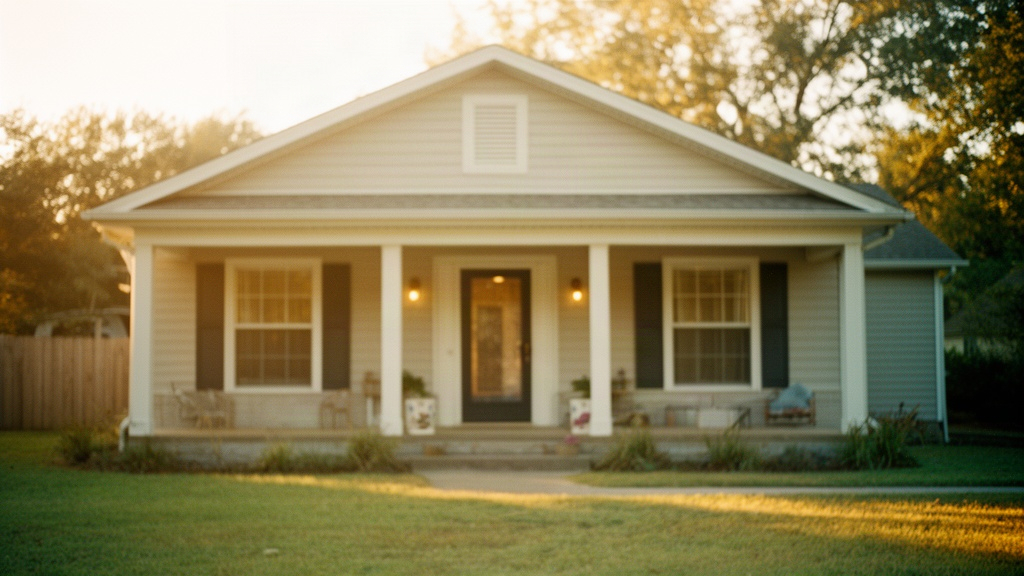
The housing stock in Corona del Mar spans a wide range of eras and styles. Older California bungalows and mid-century cottages from the 1940s through the 1970s sit alongside newer custom builds and extensively remodeled homes. Many of the original small cottages have been torn down and replaced with three-story contemporary structures that maximize square footage on the narrow lots. Buyers will find single-family detached homes, duplexes, small multi-unit buildings, and a limited number of condominiums. The duplex inventory is particularly notable: many lots in the grid zone are zoned R2, meaning the existing structure or a future build could legally contain two units.
For buyers interested in the broader Newport Beach market context, our guide on the luxury home market in Newport Beach covers how Corona del Mar fits within the wider competitive landscape across the city.
2. The Buying Process in Corona del Mar, Step by Step
Buying a home in Corona del Mar follows the same legal framework as any California residential purchase, but the local market dynamics shape how each step actually plays out. Inventory is tight, days on market for well-priced homes can be brief, and the due diligence window requires careful attention to coastal-specific factors like California Coastal Commission restrictions, bluff erosion disclosures, and flood zone designations. Knowing the sequence before you start saves time and prevents costly missteps.
Pre-Approval and Financial Preparation
A fully underwritten pre-approval, not a soft pre-qualification letter, is the baseline requirement in this market. Sellers in Corona del Mar receive offers from buyers who are often cash-ready or have jumbo loan financing locked in. Conforming loan limits do not cover most purchases here; jumbo financing typically begins above $1.15 million for a single loan, and many transactions involve purchase prices well above that threshold. Buyers using financing should have their lender's full credit and income review completed before touring homes, not after finding one they want.
Cash reserves matter here beyond the down payment. Lenders underwriting jumbo loans in California often require six to twelve months of mortgage payments in verified liquid reserves. Buyers who are relocating and selling a property elsewhere should understand how their bridge financing or contingency structure will read to a Corona del Mar seller who may have competing offers without financing contingencies.
Search, Offer, and Negotiation
The MLS is the primary search tool, but off-market opportunities exist in Corona del Mar. Some sellers in this submarket, particularly those in estate situations or owners of long-held properties, prefer to transact quietly before listing publicly. An agent with established relationships in the neighborhood can surface those opportunities before they appear on Zillow or Realtor.com. Victor and Suzanne Vasu of Pacific Sotheby's International Realty maintain active networks in Corona del Mar specifically for this reason.
When submitting an offer, the California Residential Purchase Agreement governs the transaction. Key negotiation points in Corona del Mar include the length of the inspection contingency period (typically 17 days by default, though sellers often push for 10 to 14 days), the appraisal contingency waiver in competitive situations, and the closing timeline. Sellers in this market frequently prefer a 30-day escrow, though 45 days is common when the buyer is financing. Earnest money deposits of 3 percent of the purchase price are standard.
Escrow and Due Diligence
The escrow period in Corona del Mar requires attention to several disclosures that are specific to coastal California. The Natural Hazard Disclosure report will identify whether the property sits in a coastal flood zone, a liquefaction zone, or a fire hazard severity zone. Bluff-adjacent properties require additional review of any California Coastal Commission permits attached to the property, as unpermitted work on a coastal lot can create significant title and financing complications. Buyers should budget for a general home inspection, a sewer lateral inspection, and, for older structures, a review of any asbestos or lead paint disclosures.
Title insurance is standard in California and protects against prior liens, easements, or encumbrances that were not disclosed. In Corona del Mar, where some properties have changed hands multiple times over decades, a thorough title search occasionally surfaces easements for beach access paths or shared driveway agreements that affect how a buyer can use the property. Reviewing the preliminary title report carefully during the contingency period is essential.
3. Real Costs to Expect When Buying in Corona del Mar
The total cost of buying a home in Corona del Mar extends well beyond the purchase price. Buyers who focus only on the list price often underestimate their total cash requirement at closing by 3 to 5 percent. The breakdown below reflects current September 2026 market conditions and typical transaction structures in this submarket. For a detailed look at what property taxes add to your annual carrying costs, our article on property taxes on a $3 million home in Newport Beach walks through the Proposition 13 baseline rate and common supplemental assessments.
Purchase Price Ranges by Property Type
Median prices in Corona del Mar currently sit in the range of $3.2 million to $3.8 million for single-family homes, based on closed sales tracked through the first three quarters of 2026. Entry-level inventory, meaning the smallest and least-updated homes on interior lots, starts around $2.1 million to $2.5 million. Ocean-view properties on the bluff-facing streets routinely trade between $5 million and $12 million, with trophy oceanfront parcels exceeding $20 million. Condominiums, which are less common here than in other Newport Beach areas, range from approximately $1.2 million to $2.5 million depending on size, location, and view. You can find a broader price trend analysis for the area in this Corona del Mar real estate market forecast which provides useful historical context for how values have moved.
Closing Costs and Recurring Expenses
Buyer closing costs in California typically run between 1 and 3 percent of the purchase price, depending on loan type and negotiated terms. On a $3.5 million purchase, that translates to $35,000 to $105,000 in closing costs beyond the down payment. The main components are lender origination fees and points (for financed purchases), escrow fees split between buyer and seller, title insurance (owner's policy and lender's policy), county recording fees, and prepaid items including homeowner's insurance and property tax impounds.
Recurring monthly costs after closing include property taxes, homeowner's insurance, and any HOA dues. Most of Corona del Mar's single-family grid is not governed by an HOA, which is a meaningful distinction from gated communities elsewhere in Newport Beach. Property taxes in California are assessed at 1 percent of the purchase price under Proposition 13, plus local bond measures and special assessments that typically add 0.1 to 0.25 percent annually. On a $3.5 million purchase, the base property tax bill runs approximately $35,000 per year, or roughly $2,917 per month. Homeowner's insurance on a coastal property at this price point generally runs $4,000 to $10,000 annually, depending on the insurer, the age of the structure, and the proximity to the bluff edge.
4. Timeline: How Long Does It Actually Take
The total elapsed time from starting your search to receiving the keys in Corona del Mar varies significantly based on how prepared the buyer is and how competitive the market is when they are searching. A buyer who enters the market fully pre-approved, with a clear sense of their priorities, can realistically close in 60 to 90 days from their first serious search. A buyer who starts without financing in place, or who needs time to define their criteria, should plan for 4 to 6 months from start to close.
From Search to Accepted Offer
The active search phase in Corona del Mar, from first tour to accepted offer, averages 4 to 10 weeks for a prepared buyer in September 2026. Inventory in this submarket is limited. At any given time, there are typically 20 to 40 active single-family listings in Corona del Mar proper. Buyers with a narrow set of criteria, for example, a three-bedroom home with an ocean view on a specific set of streets, may wait 2 to 4 months before the right property appears. Buyers with more flexibility on interior condition or street location tend to find suitable options more quickly.
Well-priced homes in this market do not sit for long. Properties that are priced accurately for their condition and location often receive offers within the first 7 to 14 days. Overpriced listings may sit for 45 to 90 days before a price reduction brings them in line with buyer expectations. Understanding the difference between a listing that is priced to sell and one that is testing the market is a skill that comes from watching specific streets over time, which is one of the concrete advantages of working with agents who are active in Corona del Mar specifically.
Escrow to Close
Once an offer is accepted, the standard escrow period in Corona del Mar runs 30 to 45 days. The first 10 to 17 days are the contingency period, during which the buyer completes inspections, reviews all disclosures, and can cancel without penalty if a material issue is discovered. After contingencies are removed, the transaction moves toward the final funding and recording. Cash buyers can often close in as few as 14 to 21 days if the seller agrees, since there is no lender appraisal or underwriting timeline to navigate.
The final steps before closing include a buyer walk-through, typically 24 hours before recording, to verify the property's condition matches what was agreed upon. The deed records with the Orange County Recorder's Office, and the buyer receives keys on the day of recording. Wire fraud is an active risk in California real estate transactions; buyers should verify all wire instructions directly with the escrow officer by phone before sending any funds.
5. Market Conditions in Corona del Mar Right Now
As of September 2026, Corona del Mar remains one of the most supply-constrained residential markets in Southern California. The combination of a fixed geographic footprint, no new land for subdivision, and strong demand from both local move-up buyers and out-of-state relocators keeps inventory low and prices resilient. Buyers who have been watching the market since early 2026 have seen list prices hold firm, with limited softening even as broader California markets have shown some adjustment.
Inventory and Demand in September 2026
Active listing counts in Corona del Mar this month are running below the 5-year average for September, which historically marks the beginning of a modest seasonal slowdown after the summer peak. That seasonal pattern means buyers who move in September and October often face slightly less competition than those who entered the market in April through July, though the trade-off is a smaller pool of available properties. Sellers who do list in the fall tend to be motivated, which can create negotiating room that was less available during the spring rush.
If you are considering a purchase and want to understand how new construction options in Newport Beach compare to existing Corona del Mar inventory, our article on new construction and development projects in Newport Beach in 2026 outlines what is currently under construction and where those projects are located.
What Buyers Are Competing Against
The buyer pool in Corona del Mar in September 2026 includes a notable share of all-cash purchasers. Based on closed transactions tracked through mid-2026, approximately 40 to 50 percent of Corona del Mar single-family sales have closed without a mortgage. This is a meaningful figure for financed buyers to understand: when a seller receives a cash offer and a financed offer at the same price, the cash offer eliminates appraisal risk and lender timeline uncertainty, making it structurally stronger. Financed buyers can compete by shortening contingency periods, increasing earnest money, and working with lenders who can close in 21 to 25 days.
Buyers relocating from other states should also understand California's disclosure-heavy transaction environment. The seller disclosure package in a California transaction is substantially more detailed than what buyers from states like Texas, Florida, or New York may be accustomed to. The Transfer Disclosure Statement, Seller Property Questionnaire, and Natural Hazard Disclosure are all standard documents that require careful review. Our broader guide on relocating to Newport Beach covers what out-of-state buyers most often find surprising about the California purchase process.
FAQ
What is the minimum budget needed to buy a home in Corona del Mar in 2026?
The entry point for a single-family home in Corona del Mar currently sits around $2.1 million to $2.5 million for an interior-lot property that needs updating. Condominiums start closer to $1.2 million, though that inventory is limited. Buyers at the lower end of the single-family range should expect older structures, smaller square footage, and less parking than what is available at higher price points. The total cash required at closing on a $2.2 million purchase with 20 percent down would be approximately $440,000 for the down payment plus $33,000 to $66,000 in closing costs, for a total of roughly $473,000 to $506,000 in cash to close.
How long does escrow typically take in Corona del Mar?
Most escrows in Corona del Mar close in 30 to 45 days from the date the offer is accepted. Cash transactions can close in as few as 14 to 21 days if both parties agree. Financed purchases are generally constrained by the lender's appraisal and underwriting timeline, which adds 2 to 3 weeks to the process even when the buyer is pre-approved. The contingency period, during which the buyer reviews inspections and disclosures, is typically the first 10 to 17 days of escrow and is the window when a buyer can cancel without forfeiting their earnest money deposit.
Are there HOA fees for homes in Corona del Mar?
The majority of single-family homes on the residential grid streets in Corona del Mar are not part of a homeowners association and carry no monthly HOA dues. This is different from communities like Newport Coast or Pelican Hill, where HOA fees can run $300 to $600 per month or more. Some newer townhome developments and condominium buildings within the Corona del Mar area do have HOAs, so buyers should verify HOA status and review any CC&Rs during the contingency period. For properties that do have an HOA, California law requires the seller to provide a full set of HOA documents, including current financials and meeting minutes, within a specific disclosure deadline.