← Back to Blog
Neighborhoods
What Is the Difference Between Living in Newport Coast Versus the Newport Beach Flats in Terms of Lifestyle and Home Prices
By Victor & Suzanne Vasu
Pacific Sotheby's International Realty · DRE# 01015709
September 26, 2026 · 12 min read
What is the difference between living in Newport Coast versus the Newport Beach flats in terms of lifestyle and home prices? The short answer is that these two parts of Newport Beach offer genuinely distinct experiences: one is a gated hilltop enclave with panoramic ocean views and larger lots, the other is a flat, walkable coastal grid where the bay, the beach, and the shops are steps from your front door. This article breaks down the key differences in housing stock, price ranges, daily rhythms, and commute patterns so you can decide which setting fits your life.
1. Geography and Physical Setting
The single biggest factor separating Newport Coast from the Newport Beach flats is elevation. Newport Coast sits on the coastal bluffs and ridgelines above Pacific Coast Highway, rising to roughly 600 to 800 feet above sea level in its upper reaches. The Newport Beach flats, by contrast, occupy the low-lying land between Newport Bay and the Pacific Ocean, including areas like West Newport, Lido Isle, the Balboa Peninsula, and the streets around Mariners' Mile. The two areas are only a few miles apart as the crow flies, but they feel like different cities.
Newport Coast: The Hilltops Above PCH
Newport Coast was largely developed in the 1990s and 2000s on land that was previously part of the Irvine Ranch. The community is master-planned, meaning the streets, parks, and community centers were all designed together rather than growing organically over decades. Crystal Cove State Park borders Newport Coast to the north and east, giving residents direct access to over 2,400 acres of preserved open space with hiking trails and a historic beach district. The ocean views from the upper streets of Newport Coast, particularly from communities like Pelican Hill and Pelican Crest, stretch from the Palos Verdes Peninsula on clear days all the way to Catalina Island.
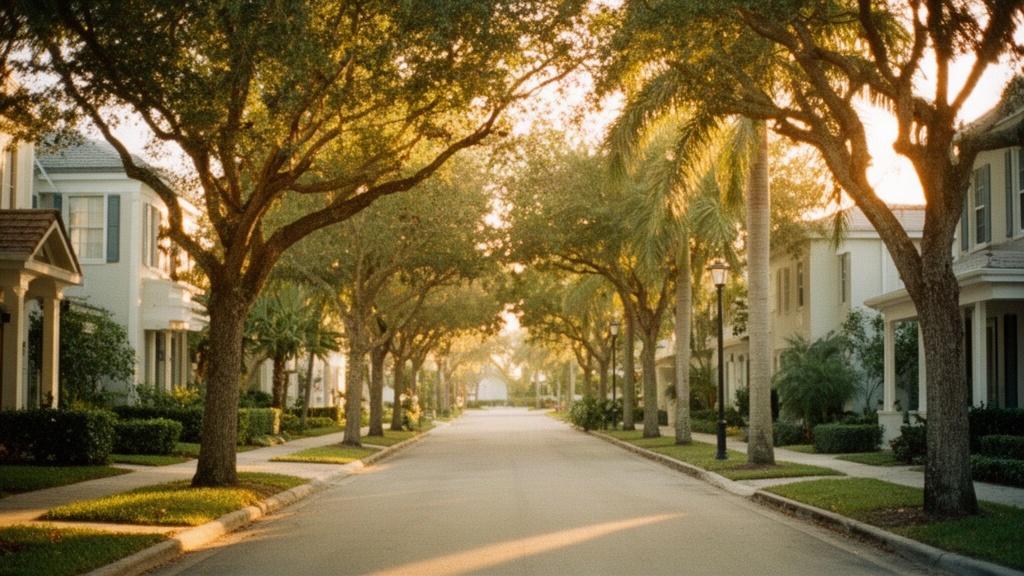
Because Newport Coast was annexed by the City of Newport Beach in 2002, it carries a Newport Beach mailing address and city services, but its physical character is closer to a planned hillside community than to the older beach neighborhoods below. Most of Newport Coast is accessed through guarded gates, and the streets are wide, curving, and lined with mature landscaping maintained by homeowners associations.
Newport Beach Flats: Life at Sea Level
The Newport Beach flats refer to the low-elevation neighborhoods that make up the historic core of the city. This includes streets in West Newport near the river jetty, the grid of blocks on the Balboa Peninsula between the ocean and the bay, Lido Isle (a man-made island in Newport Bay), and the neighborhoods around Mariners' Mile along Coast Highway at sea level. These areas were developed much earlier, many in the 1920s through 1960s, and the street layout reflects that era: narrow lots, alley-loaded garages, and homes set close together.
The defining feature of the flats is proximity to water in every direction. On the Balboa Peninsula, for example, you are never more than a few blocks from either the ocean beach or the bay. Lido Isle residents have private bay frontage and a community beach. West Newport homes sit directly on the sand or are a short walk from it. The trade-off is that lots are smaller, privacy is harder to come by, and the architecture is more varied and sometimes older.
2. Home Styles, Lot Sizes, and Architecture
Architecture and lot size are two of the clearest ways to feel the difference between Newport Coast and the Newport Beach flats. Newport Coast delivers newer construction on larger parcels; the flats offer a wider mix of eras and styles, often on compact lots where outdoor space is at a premium.
What Newport Coast Homes Look Like
Homes in Newport Coast are predominantly large single-family residences built between the mid-1990s and 2010s. Interior square footage typically runs from around 3,000 square feet at the entry level up to 10,000 square feet or more in the guard-gated communities of Pelican Crest and Pelican Hill. Lot sizes are generous by Orange County coastal standards, with many parcels running from 6,000 to 20,000 square feet, and estate lots exceeding an acre in the most exclusive sections. Architectural styles lean toward Mediterranean, Spanish Colonial Revival, and contemporary designs, all built under HOA design guidelines that create a cohesive visual character throughout the community.
Private pools, three-car garages, and dedicated home offices are standard features in Newport Coast rather than upgrades. The Ridge at Newport Coast and Altamira are among the more attainably priced communities within Newport Coast, while Pelican Crest and Pelican Ridge represent the upper tier. For more on what makes Newport Coast distinct within the broader Newport Beach market, this overview from Golding covers the community's planning history and amenity structure in useful detail.
What Newport Beach Flat Homes Look Like
The Newport Beach flats contain the most architecturally diverse housing stock in the city. You will find 1940s beach cottages sitting next to brand-new custom builds, Cape Cod-style duplexes alongside sleek contemporary homes with rooftop decks, and craftsman bungalows a block from the water. Lot widths on the Balboa Peninsula are often 25 to 30 feet, and the standard lot depth is around 100 feet, which means the homes themselves are narrow and tall, sometimes three stories to capture bay or ocean views over neighboring rooftops.
Lido Isle is a notable exception within the flats: lots there are somewhat wider, and the island's Mediterranean-influenced homes from the 1930s through 1960s have a distinct character that has been carefully preserved. Across the flats broadly, garages are typically accessed from rear alleys, and outdoor living space is often a rooftop deck or a small patio rather than a backyard. The trade-off is that you are genuinely close to the water in a way that no amount of hilltop views can fully replicate.
3. Home Prices: Newport Coast vs. Newport Beach Flats
Both Newport Coast and the Newport Beach flats sit firmly in luxury price territory, but the ranges and what you get for your money differ meaningfully. Understanding those differences is essential before you start touring homes. You can also find a broader breakdown of the Newport Beach luxury market in our guide to the luxury home market in Newport Beach.
Newport Coast Pricing in 2026
As of September 2026, the median sale price for single-family homes in Newport Coast runs approximately $4.5 million to $5.5 million across the community as a whole. Entry-level homes in communities like Altamira or The Ridge start in the $2.8 million to $3.5 million range and typically offer three to four bedrooms with around 3,000 to 3,800 square feet. Mid-tier homes in Pelican Ridge or Newport Ridge North run from roughly $4 million to $7 million for four to five bedrooms and 4,000 to 6,000 square feet. At the top of the market, Pelican Crest and Pelican Hill estates regularly trade between $8 million and $30 million, with some trophy properties exceeding that range.
Price per square foot in Newport Coast currently averages around $1,100 to $1,600 depending on the specific community and view orientation. Homes with direct Catalina Island sight lines or canyon views command premiums at the upper end of that range. HOA fees in Newport Coast range from roughly $300 to $800 per month for most communities, with guard-gated enclaves like Pelican Crest carrying fees closer to $800 to $1,200 per month when all sub-associations are included.
Newport Beach Flats Pricing in 2026
Pricing on the Newport Beach flats is highly location-specific, with oceanfront and bayfront properties commanding dramatically different prices than interior lots a few blocks from the water. As of September 2026, oceanfront homes on the Balboa Peninsula typically trade between $5 million and $15 million depending on lot width and the presence of a private beach. Bay-front homes on Lido Isle range from approximately $3.5 million to $8 million. Interior peninsula homes, meaning those that are two to four blocks from either water edge, run from roughly $2.2 million to $4.5 million for a remodeled single-family home.
West Newport beach-adjacent homes, particularly those on the sand or on the first row back, start around $3 million and can exceed $10 million for wide-lot oceanfront parcels. Price per square foot on the flats varies enormously: an interior peninsula home might be $1,200 per square foot, while an oceanfront lot on the same street could reach $3,000 to $4,000 per square foot or more, because the land value dominates the calculation. Most flat neighborhoods have no HOA or a very modest one, which is a meaningful ongoing cost difference from Newport Coast.
What Drives the Price Difference
In Newport Coast, you are paying for square footage, lot size, views, newer construction, and gated security. On the Newport Beach flats, you are paying for proximity to water, walkability, and in many cases the raw land value of a coastal lot that cannot be replicated. A 3,000-square-foot home in Newport Coast will generally offer more interior space and a larger yard than a 3,000-square-foot home on the Balboa Peninsula at a similar price point, but the peninsula home puts you within walking distance of the ocean, the Balboa Fun Zone, and the Balboa Island Ferry.
If you are budgeting for a purchase and want to understand closing costs alongside the purchase price, our breakdown of typical closing costs for buyers in Newport Beach is worth reading before you finalize your budget.
4. Daily Lifestyle and Amenities
The lifestyle gap between Newport Coast and the Newport Beach flats is real and worth thinking through carefully before you commit to either area. Both offer proximity to the ocean, but the way you interact with it and with your neighbors is quite different.
Living in Newport Coast Day to Day
Daily life in Newport Coast is quieter and more self-contained than on the flats. The community has its own shopping center at Newport Coast Drive and San Joaquin Hills Road, which includes a Pavilions grocery store, restaurants, a pharmacy, and personal services. The Pelican Hill Resort sits within Newport Coast and offers golf on two Tom Fazio-designed courses, a spa, and dining that residents use regularly. Crystal Cove State Park's 3.2 miles of beach and 17 miles of backcountry trails are accessible directly from Newport Coast without driving on PCH.
The pace in Newport Coast is slower and more private. Because most communities are gated, foot traffic from outsiders is minimal. Neighbors tend to know each other through community tennis courts, HOA events, and the shared parks that anchor each sub-community. Getting to the beach requires a short drive down to Crystal Cove or PCH, which is a few minutes by car but not walkable from most Newport Coast addresses. For a broader look at how Newport Coast compares to other parts of Newport Beach, this Alcove Collective comparison offers a useful overview of the trade-offs.
Living on the Newport Beach Flats Day to Day
Life on the Newport Beach flats is defined by walkability and water access. On the Balboa Peninsula, you can walk to the beach in under five minutes from almost any address, and the Balboa Fun Zone, with its Ferris wheel, arcade, and waterfront restaurants, is within easy reach. The Newport Pier and Balboa Pier are both on the peninsula. The Balboa Island Ferry, which has been running since 1919, connects the peninsula to Balboa Island in about three minutes for a few dollars per crossing.
Lido Isle residents have their own private beach on the bay side of the island, plus a clubhouse and tennis courts maintained by the Lido Isle Community Association. Marine Avenue on Balboa Island, just a short ferry ride or drive away, has a dense strip of boutique shops, ice cream parlors, and restaurants that draws residents from across Newport Beach on weekends. The Mariners' Mile stretch of Coast Highway, at the northern edge of the flats, has a concentration of boat dealerships, waterfront restaurants, and marine services that reflect the area's deep connection to Newport Harbor.
The flats are also more active and social in a street-level way. Cyclists, joggers, and paddleboarders are a constant presence. The boardwalk along the ocean side of the Balboa Peninsula runs for miles and connects to the bike path system that extends north toward Huntington Beach. If you want to be immersed in the coastal energy of Newport Beach rather than looking down at it from a hillside, the flats deliver that experience every day.
5. Commutes, Access, and Practical Considerations
Where you work and how often you need to travel off the peninsula matters a great deal when choosing between these two parts of Newport Beach. The commute experience from Newport Coast and from the Newport Beach flats is noticeably different, particularly during peak hours.
Getting Around from Newport Coast
Newport Coast sits at the interchange of the 73 Toll Road and San Joaquin Hills Road, which gives residents a direct connection to Irvine, John Wayne Airport, and South Orange County without touching surface streets. A drive to John Wayne Airport from Newport Coast takes roughly 15 to 20 minutes under normal conditions. The 73 also connects to the 5 Freeway, making Newport Coast one of the more freeway-accessible parts of Newport Beach. Driving to Irvine Spectrum, a major employment and retail hub, typically takes 20 to 25 minutes. Getting to downtown Los Angeles from Newport Coast runs 50 to 75 minutes depending on traffic, with the toll road providing a more predictable route than surface Pacific Coast Highway.
The trade-off is that Newport Coast is car-dependent for essentially everything. There is no practical way to walk to a restaurant, a coffee shop, or the beach from most Newport Coast addresses. Every errand requires a car, which is a meaningful lifestyle consideration for anyone accustomed to urban or walkable coastal living.
Getting Around from the Newport Beach Flats
Commuting from the Newport Beach flats, particularly from the Balboa Peninsula, involves navigating the peninsula's limited road connections. The peninsula is accessed primarily via Newport Boulevard and Balboa Boulevard, and during summer weekends and peak hours, traffic backing up through the peninsula can add 15 to 30 minutes to what would otherwise be a short drive. John Wayne Airport is roughly 20 to 30 minutes from the peninsula under normal conditions. The 55 Freeway, accessed via Newport Boulevard, connects to the 405 and 5 freeways.
For residents of Lido Isle or West Newport, freeway access is somewhat easier because those areas connect to Newport Boulevard or Coast Highway without traveling the full length of the peninsula. The upside is that within the flats, a bicycle is a genuinely practical transportation option for daily errands, beach visits, and restaurant trips. Our detailed look at the commute from Newport Beach to downtown Los Angeles covers driving times and route options from different parts of the city if that commute is relevant to your search.
If you are relocating and still working through which part of Newport Beach fits your situation, our guide to relocating to Newport Beach neighborhoods, costs, and timelines covers the broader picture beyond just these two areas.
FAQ
Is Newport Coast actually part of Newport Beach?
Yes. Newport Coast was an unincorporated community in Orange County until 2002, when it was annexed by the City of Newport Beach. Residents have Newport Beach mailing addresses, pay Newport Beach city taxes, and use Newport Beach city services including the fire department and public works. The annexation was significant because it added a large swath of upscale hillside development to what had previously been a coastal flat city. For practical purposes, Newport Coast is fully part of Newport Beach, though its physical character, master-planned layout, and gated communities make it feel distinct from the older flat neighborhoods closer to the water.
Can you walk to the beach from Newport Coast?
Not practically from most Newport Coast addresses. The community sits on bluffs and ridgelines above Pacific Coast Highway, and while Crystal Cove State Park's beach is nearby, reaching it requires driving down Newport Coast Drive to PCH, which typically takes five to ten minutes by car. There are hiking trails within Crystal Cove that connect to the beach, but the walk from most Newport Coast homes to the trailhead itself is not short. Residents who want to swim or surf regularly typically drive to Crystal Cove's beach parking lots or to the public beaches along PCH. This is one of the clearest practical differences between Newport Coast and the Newport Beach flats, where beach access is often a one to five minute walk.
Which area has higher HOA fees, Newport Coast or the Newport Beach flats?
Newport Coast carries significantly higher HOA fees than most flat neighborhoods. In Newport Coast, monthly HOA fees range from roughly $300 to $1,200 per month depending on the specific community, with guard-gated enclaves like Pelican Crest at the upper end when all sub-association fees are combined. Most flat neighborhoods in Newport Beach, including the Balboa Peninsula and West Newport, either have no HOA or a very modest one in the range of $50 to $150 per month. Lido Isle is an exception, with the Lido Isle Community Association charging fees that cover beach maintenance, the clubhouse, and landscaping, typically in the $150 to $250 per month range. When comparing total monthly housing costs between the two areas, the HOA difference can be a meaningful factor.