← Back to Blog
Market Trends
Coral Springs Real Estate Market Guide: Prices & Neighborhoods
By Lauren Laski
September 1, 2026 · 10 min read
If you are buying, selling, or relocating and need a clear picture of the Coral Springs, Florida real estate market, this guide covers current prices, what different neighborhoods actually look like, and how to think about timing your move. Coral Springs sits in northwestern Broward County, about 35 miles north of Miami, and its housing market has drawn consistent attention from buyers across South Florida and beyond. Here is what you need to know before making a decision.
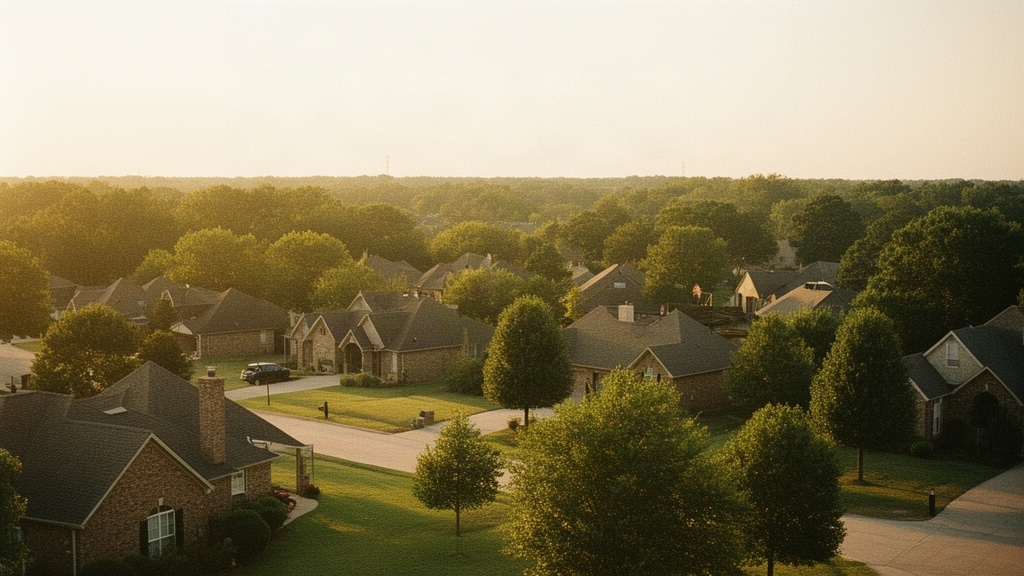
1. Coral Springs Real Estate Market Snapshot: What Prices Look Like Right Now
The Coral Springs housing market remains active in September 2026, with median sale prices holding above $550,000 for single-family homes. That figure reflects sustained demand in a city of roughly 135,000 residents where new construction is limited and resale inventory is the primary supply. Condos and townhomes trade at a lower price point, generally between $280,000 and $420,000 depending on size, community amenities, and proximity to major corridors like Sample Road and University Drive.
Median Sale Price and Price Per Square Foot
Price per square foot for single-family homes in Coral Springs currently runs between $260 and $320, depending on the community and condition of the home. Homes with updated kitchens, impact windows, and newer roofs command the top of that range. Properties that need cosmetic work or have older mechanical systems tend to land closer to the floor. Buyers should expect list prices to reflect these distinctions clearly, because sellers and their agents in this market price with comparable data in hand.
For context on how Coral Springs compares to broader Broward trends, Bankrate's Coral Springs housing market data tracks median prices, year-over-year appreciation, and sale-to-list ratios that are worth reviewing before you make an offer or set a list price.
How Inventory Has Shifted
Inventory in Coral Springs has loosened modestly compared to the extreme low supply seen in 2022 and 2023, but the market is not flush with choices. Active listings for single-family homes typically sit in the range of 200 to 350 at any given time across the city, which keeps negotiating leverage somewhat balanced but still tilted toward sellers on well-maintained properties. Buyers who are pre-approved and decisive tend to do better than those who take a wait-and-see approach, particularly in price brackets below $600,000 where competition remains consistent.
Days on Market
Well-priced homes in Coral Springs are currently going under contract in 20 to 35 days on average. Overpriced listings sit longer, sometimes 60 to 90 days, before sellers adjust. That gap matters: a home that lingers on the market often attracts lower offers because buyers assume something is wrong. Pricing correctly from day one is the single most important factor in getting strong results in this market.
2. Neighborhoods in Coral Springs: Housing Stock and What to Expect
Coral Springs is a planned city, incorporated in 1963 and developed largely through the 1970s, 1980s, and 1990s, which means most of its residential areas have a distinct character tied to when they were built. Understanding the housing stock by area helps buyers set realistic expectations about lot sizes, home ages, HOA structures, and price ranges before touring.
The Waterways and Eagle Trace
The Waterways is one of Coral Springs' more established communities, featuring single-family homes built primarily in the late 1980s and early 1990s on lots that back up to canals and lakes throughout the neighborhood. Home sizes here range from roughly 1,800 to 3,500 square feet, with prices typically between $550,000 and $850,000 depending on water frontage and updates. Eagle Trace is a gated golf community in the western part of the city, home to the TPC Eagle Trace course. Properties there range from villas to larger custom homes, with prices generally starting around $600,000 and reaching well above $1 million for premium lots along the fairways.
Wyndham Lakes and Heron Bay
Wyndham Lakes sits in the northern section of Coral Springs near Loxahatchee Road and offers single-family homes built mostly in the 1990s, with square footage ranging from about 1,600 to 2,800 square feet. Many homes here have lake views and screened pools, and prices generally fall between $500,000 and $720,000. Heron Bay, which straddles the Coral Springs and Parkland border along Loxahatchee Road, is a large master-planned community with a clubhouse, pools, and tennis facilities. Homes there were built from the mid-1990s through the early 2000s and range from townhomes starting around $400,000 to estate-style single-family homes above $1 million.
Downtown Coral Springs and Turtle Run
The Downtown Coral Springs corridor along Sample Road and University Drive has seen significant investment over the past decade, with mixed-use development, the Coral Springs Center for the Arts, and the Coral Square Mall all within walking distance of residential streets. Homes in this central area tend to be older, built in the 1970s and 1980s, with smaller lot sizes and prices generally in the $400,000 to $600,000 range. Turtle Run is a well-known community in the northeastern part of the city, featuring homes built from the late 1980s through the 1990s with an 18-hole public golf course winding through the neighborhood. Prices there currently range from about $480,000 to $750,000 for single-family homes.
West Coral Springs and the Sawgrass Area
The western edge of Coral Springs, near the Sawgrass Expressway and Wiles Road, includes newer construction from the late 1990s and early 2000s alongside some of the city's larger lot communities. Homes here often feature three-car garages, larger floor plans above 2,500 square feet, and proximity to Sawgrass Mills Mall in neighboring Sunrise, about a 10-minute drive south. Prices in this western corridor range broadly from $580,000 to over $900,000 for larger pool homes on premium lots.
3. Timing the Coral Springs Market: When to Buy and When to Sell
Timing in the Coral Springs real estate market depends on whether you are buying or selling, and what your personal timeline allows. South Florida does not follow the same seasonal rhythms as northern markets, but there are still patterns worth knowing before you commit to a strategy.
Seasonal Patterns in Broward County
Activity in Coral Springs tends to pick up between January and May, when snowbirds and out-of-state buyers are most active and local families begin planning moves around the school calendar. The summer months, June through August, see somewhat slower foot traffic, though serious buyers remain in the market year-round. September, the current month, marks the beginning of a transitional period where motivated sellers who did not move their homes during peak season become more negotiable, and buyers face slightly less competition than they did in spring. That combination can create real opportunity for buyers who are ready to act.
Interest Rate Conditions in 2026
Mortgage rates in 2026 have stabilized compared to the volatility buyers experienced in 2023 and 2024, though they remain meaningfully higher than the historic lows of 2020 and 2021. For a $600,000 home with 20 percent down, the monthly principal and interest payment at current rates is a real consideration in your budget planning. Buyers who locked in rates during brief dips earlier in 2026 have fared well; those still waiting for rates to drop significantly may be waiting longer than they expect. Speaking with a mortgage lender before you start touring homes is the most practical first step.
What Sellers Should Know Right Now
Sellers in Coral Springs are still in a favorable position relative to the broader national market, but the days of automatic bidding wars are behind us. Recent data showed that while Coral Springs was named a hot market based on price appreciation, home sales volume has dipped as broader Broward County inventory has grown. That means presentation and pricing discipline matter more now than they did two years ago. Homes that are well-staged, priced at market, and marketed with professional photography are selling; homes that are not are sitting.
For a detailed look at how sales volume and price trends are moving across the city, this Coral Springs market report from PropertyShark provides quarterly data on median prices, number of sales, and price per square foot going back several years, which gives useful context for both buyers and sellers.
4. What Buyers Relocating to Coral Springs Should Know
Coral Springs draws a significant number of buyers from out of state and from other parts of South Florida who are relocating for work, lifestyle, or both. If you are moving from outside the area, there are several practical things to understand before you start making offers.
Commute Times and Transportation
Coral Springs does not have its own commuter rail station, so most residents drive. The Sawgrass Expressway (State Road 869) runs along the western edge of the city and connects quickly to I-595 and I-75, making commutes to Fort Lauderdale about 25 to 35 minutes in normal traffic and to Miami roughly 50 to 65 minutes. The Florida Turnpike is accessible via Coconut Creek Parkway or Atlantic Boulevard, offering another route south. Buyers who commute to Boca Raton or West Palm Beach generally find the drive manageable via the Turnpike, typically 25 to 40 minutes to Boca and 50 to 60 minutes to West Palm.
Parks, Recreation and Daily Amenities
Coral Springs has an extensive parks system, with over 50 parks and recreational facilities spread across the city. The Coral Springs Aquatic Complex on Sample Road is a nationally recognized swim facility that hosts competitive events. Mullins Park, near University Drive and Atlantic Boulevard, offers baseball fields, basketball courts, and a community center. The city also has a dedicated tennis center and multiple dog parks. For daily errands, University Drive and Sample Road are lined with grocery stores, pharmacies, restaurants, and retail, so most residents rarely need to leave the city for routine needs.
What Your Budget Gets You
At $450,000 to $550,000, buyers in Coral Springs can find a three-bedroom, two-bath single-family home of roughly 1,600 to 2,000 square feet, likely built in the 1980s or early 1990s, possibly with a pool and a two-car garage. At $600,000 to $750,000, that same profile gets you a larger floor plan, a more recently updated kitchen and bathrooms, and often a waterfront or golf-course lot. Above $800,000, you are looking at 2,500 square feet or more, impact windows throughout, newer roofs, and premium community amenities. Condos and townhomes under $350,000 do exist, primarily in older communities near the city center, and represent an entry point for buyers who want Coral Springs at a lower price.
5. Key Factors That Affect Value in the Coral Springs Real Estate Market
Several property-level factors consistently influence what a home sells for in Coral Springs, and understanding them helps both buyers evaluate listings and sellers prepare their homes. These are not abstract concepts; they show up directly in comparable sales data and in what buyers are willing to pay.
Roof Age and Insurance Costs
Florida homeowners insurance has become a significant budget line item, and roof age is one of the primary factors insurers use to set premiums or decline coverage altogether. In Coral Springs, a home with a roof older than 15 to 20 years will face higher insurance costs or require a roof replacement before some lenders will approve financing. Buyers should always ask for the roof's age and installation documentation upfront. Sellers who have replaced their roof in the past five years should highlight that prominently in their marketing, because it directly affects a buyer's total monthly cost.
HOA Fees and What They Cover
Most communities in Coral Springs have homeowners associations, with monthly fees ranging from as low as $50 in older subdivisions to over $500 in gated communities with extensive amenities. What those fees cover varies considerably: some include landscaping, cable, and internet; others cover only exterior maintenance of common areas. Before making an offer, buyers should request the HOA's financials, reserve fund balance, and any pending special assessments. A community with a healthy reserve fund and well-maintained common areas is worth more than one that defers maintenance.
Flood Zone and Insurance Requirements
Coral Springs has areas in both AE flood zones and X zones, and that designation matters for your insurance costs and financing requirements. Homes in AE zones require flood insurance if they carry a federally backed mortgage, which adds several hundred to several thousand dollars annually to the cost of ownership depending on the property's elevation certificate. Buyers should check the FEMA flood map for any property they are considering and factor flood insurance into their total monthly payment calculation before falling in love with a listing.
FAQ
Is the Coral Springs real estate market a buyer's or seller's market right now?
As of September 2026, Coral Springs leans toward a seller's market for well-maintained, correctly priced single-family homes, though the balance has shifted somewhat from the extreme seller's conditions of 2022 and 2023. Inventory has increased modestly, giving buyers more options than they had two years ago, but demand remains steady and days on market for move-in-ready homes are still relatively short. Buyers who are pre-approved and prepared to move quickly have the best outcomes. Sellers who price accurately from day one are still achieving strong results, while overpriced listings are sitting longer before requiring reductions.
What are typical closing costs when buying a home in Coral Springs, Florida?
Closing costs in Florida for buyers generally run between 2 and 5 percent of the purchase price, depending on the loan type, lender fees, and whether you negotiate for the seller to contribute toward closing costs. On a $600,000 home, that means budgeting roughly $12,000 to $30,000 in addition to your down payment. Key line items include documentary stamp taxes on the mortgage (Florida charges 35 cents per $100 of the loan amount), title insurance, lender origination fees, prepaid homeowners insurance, and prepaid property taxes. Working with a local real estate attorney or title company familiar with Broward County transactions will help you get an accurate estimate before you make an offer.
How do I research schools in Coral Springs before buying a home?
School research is a personal process, and the most reliable approach is to go directly to primary sources rather than relying on third-party ratings. The Broward County Public Schools website publishes enrollment information, school boundaries, and performance reports for every school in the district, including those serving Coral Springs. The Florida Department of Education also publishes its own school accountability data at the state level. Because school zones can change and boundary lines shift, it is worth confirming which school a specific address is zoned for directly with the district before finalizing a purchase decision.