← Back to Blog
Neighborhoods
Fig Garden, Fresno, California Real Estate Market Guide: Prices, Neighborhoods and Timing
By Yashu Toprani
Aluisi Real Estate
October 2, 2026 · 11 min read
Fig Garden is one of the most recognizable addresses in Fresno, California, and if you are buying, selling, or relocating here, understanding the real estate market before you move is essential. This guide covers current prices, what the housing stock actually looks like, how the sub-neighborhoods differ from one another, and how to time your transaction in the current market. Whether you are comparing Fig Garden to other parts of northwest Fresno or simply trying to figure out what your budget will get you, the information below gives you a grounded, specific starting point.
1. What Makes Fig Garden Its Own Real Estate Market
Fig Garden functions as its own micro-market within Fresno. It sits in the northwest quadrant of the city, roughly bounded by Shaw Avenue to the north, Blackstone Avenue to the east, Shields Avenue to the south, and West Avenue to the west. That geography puts it within a few miles of California State University Fresno, the Fresno Yosemite International Airport corridor, and the commercial activity along Palm and Shaw. The address itself carries weight in the local market, and that weight shows up in listing prices and days on market compared to other northwest Fresno streets.
A Distinct Address Within Northwest Fresno
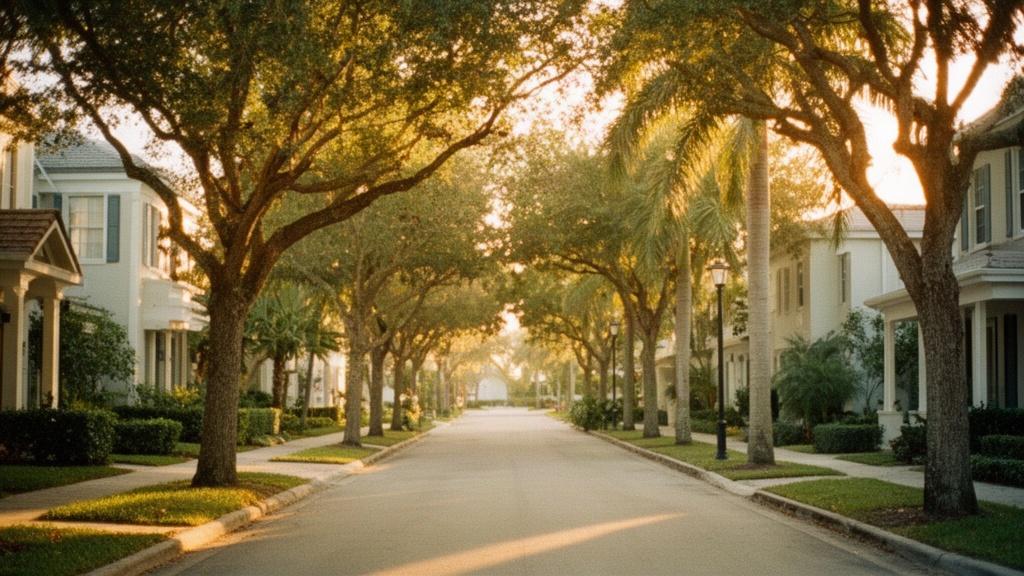
The name "Fig Garden" traces back to the early twentieth century when the area was literally planted with fig orchards before residential development took over. That history left behind a street grid with mature trees, wide lots, and a scale of home that is uncommon elsewhere in the city at comparable price points. The neighborhood was developed across several decades, which means you find a genuine mix of architectural styles rather than the uniform look of a single-era subdivision.
The Housing Stock in Detail
Homes in Fig Garden range from modest mid-century ranch houses built in the 1950s and 1960s to substantial Spanish Colonial Revival and Tudor Revival properties from the 1920s and 1930s. Square footage runs from roughly 1,200 square feet on the smaller end to well over 4,000 square feet on the larger custom properties near the Fig Garden Loop. Many homes retain original hardwood floors, plaster walls, and period millwork, which buyers either prize or budget to update depending on their priorities.
Pool homes are common in this part of Fresno, which is relevant given that summer temperatures in the Central Valley regularly reach 100 degrees Fahrenheit or above. A pool is often a standard feature rather than a premium upgrade at the upper end of the Fig Garden market, though it does add meaningful value when the home sells.
Lot Sizes, Streets, and the Physical Layout
Lot sizes in the historic core of Fig Garden are generous by Fresno standards, frequently running 10,000 to 18,000 square feet, with some corner and estate parcels exceeding a quarter acre. Streets like Van Ness Boulevard, which runs north-south through the center of the area, feature wide medians with mature trees that give the corridor a parkway feel. Those physical characteristics contribute directly to property values and are one reason why Fig Garden listings tend to hold their price better during market slowdowns than comparable homes in newer subdivisions.
2. Fig Garden Fresno Real Estate Prices in September 2026
Prices in Fig Garden currently sit above the Fresno city-wide median, reflecting the neighborhood's older tree-lined streets, larger lots, and architectural character. Understanding where prices land in September 2026 requires looking at both the neighborhood itself and the broader Fresno context, because the two move together but not always at the same rate.
Current Median Price and Price Per Square Foot
As of September 2026, homes in the Fig Garden area of Fresno are transacting in a median range of approximately $520,000 to $620,000 depending on the specific block, lot size, and condition of the property. Price per square foot in the core historic streets runs roughly $260 to $320 per square foot for move-in-ready homes. Homes that need updating or carry deferred maintenance tend to land 10 to 15 percent below those figures, which creates genuine opportunity for buyers willing to take on a project.
The Fresno metro area as a whole has seen measured price growth through 2026 after the sharper appreciation of prior years leveled off. For context on how the broader Fresno market compares to other California metros, the NAR Metropolitan Median Area Prices and Affordability data shows Fresno continuing to price well below the California coastal markets, which is one reason the city draws relocation buyers from the Bay Area and Southern California.
How Prices Have Moved Over the Past Year
From September 2025 to September 2026, Fig Garden home prices have held relatively steady with modest appreciation in the 3 to 5 percent range on well-maintained properties. That is a slower pace than the double-digit annual gains seen in 2021 and 2022, but it reflects a market that is functioning normally rather than one under stress. Sellers who priced accurately in 2026 have generally found buyers; those who tested the market at aspirational prices have had to adjust.
What Your Budget Gets You Right Now
In the $450,000 to $550,000 range, buyers in Fig Garden can expect a 3-bedroom, 2-bathroom home of roughly 1,500 to 1,900 square feet, likely with original hardwood floors, a two-car garage, and a yard large enough to add a pool if one is not already present. At $600,000 to $750,000, the inventory opens up to larger 4-bedroom homes, updated kitchens, and in some cases, homes with guest quarters or detached structures. Above $800,000, the market is thinner but includes the most architecturally significant properties on the largest lots, particularly along the Fig Garden Loop itself.
3. The Sub-Neighborhoods Inside Fig Garden
Fig Garden is not a single uniform neighborhood. It contains distinct pockets with different housing types, price points, and proximity to commercial amenities. Knowing the differences helps buyers narrow their search and helps sellers understand how to position their listing relative to comparable sales.
Fig Garden Loop and the Historic Core
The Fig Garden Loop is a circular street that forms the geographic and architectural heart of the original development. Homes here tend to be the oldest and largest, with construction dates from the 1920s through the 1940s. Spanish Colonial Revival architecture is common, with red tile roofs, arched entryways, and stucco exteriors. These homes sit on generous lots and rarely turn over; when they do, they attract significant buyer interest because the supply is genuinely limited. Prices on the Loop can reach into the $900,000 to $1.3 million range for fully updated properties.
Fig Garden Village and the Commercial Edge
Fig Garden Village is the open-air retail center anchored by shops, restaurants, and services along Palm Avenue near Shaw. It functions as the neighborhood's commercial core and is walkable from the residential streets immediately surrounding it. Homes within a few blocks of Fig Garden Village tend to be smaller and slightly more affordable than the Loop properties, often in the $400,000 to $550,000 range, and include a higher proportion of 1950s and 1960s ranch-style construction. The proximity to daily conveniences is a draw for buyers who want to walk to coffee, groceries, or restaurants.
Northwest Fresno Surrounding Streets
The streets that border Fig Garden proper but carry northwest Fresno addresses rather than a formal Fig Garden designation offer buyers a way to access a similar housing stock and lot sizes at a modest price discount. Homes along streets like Millbrook, Fruit, and the cross streets between Shields and Shaw in this corridor often share the same mid-century ranch construction and mature landscaping as the named Fig Garden streets, but without the premium that comes with the address. For buyers whose budget is stretched, these blocks deserve a close look.
4. Timing the Fig Garden Market: When to Buy and When to Sell
Timing matters in any real estate transaction, and Fig Garden has its own seasonal rhythm that differs somewhat from the broader Fresno market. Understanding those patterns helps both buyers and sellers make decisions that align with market conditions rather than fight against them.
Seasonal Patterns in This Part of Fresno
Fresno's spring selling season, running from roughly February through May, is when Fig Garden sees its highest listing volume and the most competitive offer situations. Buyers who want the widest selection should plan to be actively searching during those months. Summer in Fresno is hot, and while activity does not stop, it does slow somewhat in July and August as buyers and sellers deal with the 100-plus-degree heat. September, right now, represents a secondary window of activity as temperatures begin to moderate and buyers who missed the spring market re-engage.
For sellers, listing in late February or March historically produces the most competitive offer environment in this neighborhood. For buyers, the fall window from September through November can offer better negotiating conditions because the pool of competing buyers is smaller than in spring, even though the available inventory is also reduced.
Inventory Levels and Days on Market
In September 2026, Fig Garden listings are averaging roughly 25 to 40 days on market for correctly priced homes, which is longer than the 10 to 15 day averages seen during the peak competition of 2021 and 2022 but still indicates a reasonably active market. Homes that are priced at or slightly below current comparable sales continue to receive multiple offers in some cases, particularly in the $450,000 to $600,000 range where buyer demand is concentrated. Homes priced above $750,000 are taking longer, sometimes 60 to 90 days, reflecting a thinner pool of qualified buyers at that level.
What Broader Fresno Market Conditions Mean for Fig Garden
The Fresno housing market has navigated a complex regulatory environment in recent years. California's housing policy landscape continues to evolve, and as reported by HousingWire, the City of Fresno lost its state pro-housing designation at one point, which added uncertainty around development incentives and permitting timelines. That regulatory backdrop affects new construction supply citywide, which in turn supports values in established neighborhoods like Fig Garden where new inventory simply cannot be created.
The practical implication for Fig Garden buyers and sellers is that the neighborhood's supply is structurally constrained. You cannot build a new Fig Garden Loop home because the land is already developed. That scarcity acts as a floor under prices even when the broader Fresno market softens, which is a meaningful distinction from newer subdivisions in north Fresno or Clovis where builders can add inventory more freely.
5. Practical Steps for Buyers and Sellers in Fig Garden
Knowing the market conditions is only useful if you translate that knowledge into action. Here is what buyers and sellers in Fig Garden should be doing right now, in September 2026, to position themselves well.
What Buyers Should Know Before Making an Offer
Older homes carry older systems. Fig Garden's housing stock includes homes with original electrical panels, galvanized plumbing, and aging HVAC systems. Before making an offer on any property built before 1975, budget for a thorough inspection and factor in the cost of system updates. A home priced at $520,000 with a $30,000 electrical and plumbing update is not the same as a $550,000 move-in-ready home, and buyers who do not account for this often find themselves over-budget after close.
Get pre-approved, not just pre-qualified, before you start touring. Fig Garden sellers expect buyers to be serious, and in a market where well-priced homes still move in three to four weeks, showing up without a lender letter puts you at a disadvantage. If you are relocating to Fresno from out of the area, a local lender familiar with Central Valley appraisals can prevent delays that an out-of-state lender might not anticipate. For more on navigating a relocation purchase, see the guide on finding a buyer's agent when relocating to Fresno.
What Sellers Should Know Before Listing
Presentation matters more in Fig Garden than in newer subdivisions because buyers are paying for character and condition simultaneously. A 1930s Spanish Colonial that has been maintained and updated commands a meaningful premium over one that has not. If you are preparing to sell, address deferred maintenance before listing rather than offering credits, because buyers in this price range often prefer a clean inspection over a cash concession at close.
Pricing strategy in this neighborhood requires granular comparable sales analysis, not just a zip code average. A home on the Fig Garden Loop and a home three blocks away on a standard northwest Fresno street can differ by $100,000 or more even at similar square footage. Working with an agent who has closed transactions in this specific area, rather than one who works primarily in newer north Fresno or Clovis subdivisions, makes a real difference in how accurately your home is priced. You can explore what to look for in a Fresno agent's track record in this overview of selling homes quickly in Fresno.
Working With a Local Expert
Fig Garden is a neighborhood where local knowledge pays off in concrete, measurable ways. An agent who knows which blocks carry the Fig Garden premium, which streets are affected by traffic from Palm Avenue, and how the age of a home's systems affects appraisal outcomes will help you negotiate more effectively on both sides of a transaction. Yashu Toprani of Aluisi Real Estate works in Fresno and has the kind of neighborhood-specific knowledge that makes a difference when the stakes are high.
If you are weighing how to evaluate agents before committing, the guide on top-rated real estate agents in Fresno walks through the questions worth asking and the criteria worth applying before you sign a representation agreement.
FAQ
What is the average home price in Fig Garden, Fresno, California right now?
As of September 2026, the median sale price for homes in the Fig Garden area of Fresno sits in the range of $520,000 to $620,000 for move-in-ready properties, with price per square foot running approximately $260 to $320 depending on the specific block and condition. Homes on the historic Fig Garden Loop, which carry the most architectural significance and the largest lots, can reach $900,000 to $1.3 million when fully updated. Homes needing work typically trade 10 to 15 percent below the move-in-ready comparable, creating a real opportunity for buyers who are comfortable with a renovation project. These figures reflect the specific Fig Garden address premium and differ from the broader Fresno city-wide median.
How does Fig Garden compare to other northwest Fresno neighborhoods in terms of real estate prices?
Fig Garden consistently prices above surrounding northwest Fresno streets due to the combination of larger lots, mature tree canopy, architectural character, and the historical prestige of the address. Streets immediately adjacent to the formal Fig Garden boundaries often offer similar mid-century ranch construction at a 5 to 15 percent discount, which some buyers use strategically to access the same commute times and proximity to Fig Garden Village amenities at a lower entry price. The distinction is most pronounced for the historic Loop properties, where the architecture is irreplaceable and the lot sizes far exceed what is available in newer Fresno subdivisions. For sellers, that premium is real but requires accurate comparable sales analysis because the range within Fig Garden itself is wide.
Is September a good time to buy or sell a home in Fig Garden, Fresno?
September sits in a secondary activity window for the Fresno real estate market, after the peak spring season and the slowest part of summer. For buyers, this month offers a smaller pool of competing offers than spring, which can translate to better negotiating conditions on price and terms, though the available inventory is also more limited than it would be in March or April. For sellers, homes listed in September can still attract motivated buyers who missed the spring market or who are relocating for work on a fall timeline. Correctly priced homes in Fig Garden are still moving in roughly 25 to 40 days as of September 2026, which indicates an active enough market to justify listing now rather than waiting for spring if your timeline requires it.