← Back to Blog
Market Trends
Fresno, California Real Estate Market Guide: Prices, Neighborhoods and Timing for People Who Want to Refer Their Own Friends
By Yashu Toprani
Aluisi Real Estate
September 28, 2026 · 11 min read
When a friend or family member tells you they are thinking about buying or selling in Fresno, California, you want to point them in the right direction without guessing. This Fresno, California real estate market guide covers current prices, neighborhood characteristics, and timing considerations so you can give your friends a grounded starting point before they talk to an agent.
1. What the Fresno Housing Market Looks Like Right Now
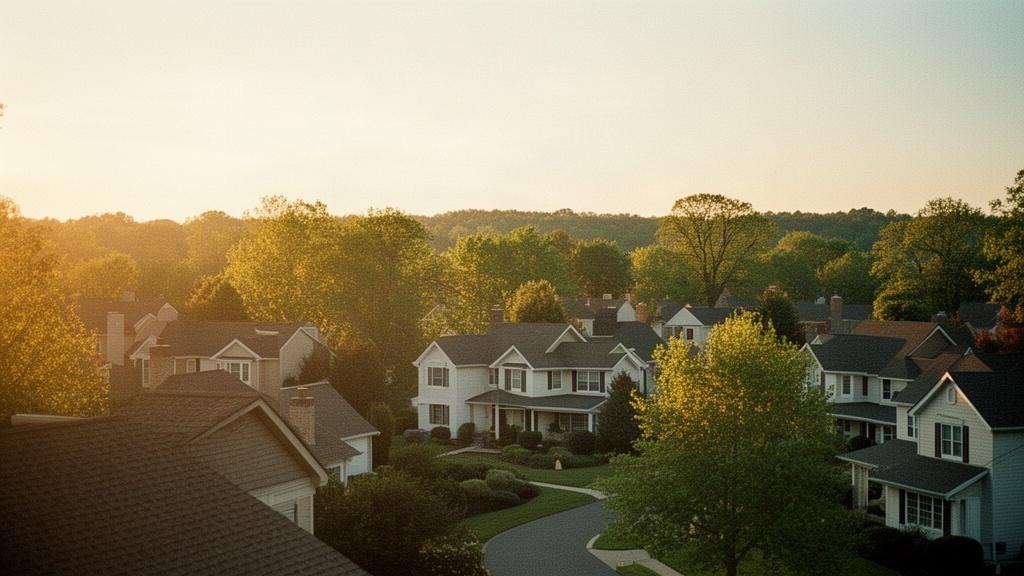
Fresno's housing market in September 2026 is more balanced than it was during the peak frenzy years, but it is not a buyer's market in the traditional sense. Inventory has loosened slightly compared to 2024 and early 2025, giving buyers more options and more time to make decisions, but well-priced homes in desirable corridors still receive multiple offers within the first week.
Median Prices and Inventory Levels
The median home price in Fresno sits at approximately $380,000 to $400,000 as of September 2026. That figure covers a wide range of housing types: modest three-bedroom ranch homes in central Fresno can be found in the low $300,000s, while larger single-family homes in the northwest and near Woodward Park regularly list between $500,000 and $700,000. Luxury properties in Old Fig Garden and the gated communities near Friant Road push well past $1 million.
According to Norada Real Estate's Fresno market analysis, Fresno has maintained relatively stable appreciation compared to coastal California metros, making it a market where both buyers and sellers can plan with more predictability. Days on market have extended modestly, averaging around 25 to 35 days for most price points, compared to under 15 days during the tightest stretches of 2022.
How Fresno Compares to the Broader Central Valley
Fresno remains one of the more affordable large cities in California. Clovis, which shares a border with Fresno's east side, typically runs $30,000 to $60,000 higher at the median for comparable square footage, partly because of its newer tract developments and distinct city services. Visalia to the south and Madera to the north both offer lower entry points but fewer employment hubs and urban amenities. For friends relocating from the Bay Area or Southern California, Fresno's price-to-square-footage ratio is often the first thing that surprises them.
2. Neighborhood Breakdown: What Your Friends Will Actually Find
Fresno is a large city covering roughly 115 square miles, and the character of its neighborhoods changes significantly from one part of town to another. When you refer friends here, the most useful thing you can do is help them understand which part of the city matches their commute needs, housing budget, and lifestyle preferences before they start browsing listings.
Northwest Fresno
Northwest Fresno, roughly bounded by Shaw Avenue to the south and the San Joaquin River to the north, contains some of the city's newer suburban development. Homes here were largely built from the 1980s through the 2000s, with many featuring three to four bedrooms, two-car garages, and lots of 6,000 to 9,000 square feet. Median prices in this corridor run from about $420,000 to $550,000 depending on the specific pocket. The area sits close to River Park Shopping Center, the Blackstone Avenue commercial corridor, and has convenient freeway access via Highway 99 and Highway 41. Commute times to downtown Fresno typically run 20 to 30 minutes during morning rush hour, depending on the specific starting point.
For a detailed look at commute logistics from this part of the city, this breakdown of the northwest Fresno to downtown commute walks through the actual routes and timing in detail.
Central and Tower District Area
The Tower District, centered around Olive Avenue between Palm and Blackstone, is one of Fresno's most architecturally distinct areas. Homes here are predominantly bungalows, Spanish Colonial Revival, and Craftsman styles built between the 1920s and 1950s. Lot sizes tend to be smaller, typically 5,000 to 7,000 square feet, and the area is walkable by Fresno standards, with independent restaurants, live music venues, and the historic Tower Theatre within easy reach. Entry-level homes start in the low $200,000s, with renovated or larger properties reaching into the $350,000 to $450,000 range.
Clovis-Adjacent East Fresno
The eastern edge of Fresno, where the city transitions toward Clovis, features a mix of established 1970s and 1980s tract homes alongside newer infill construction. Prices in this zone typically range from $350,000 to $500,000. The area sits close to Clovis Community Medical Center, the Sierra Nevada foothills, and several large parks including Temperance Flat. Buyers who want proximity to outdoor recreation and newer commercial development without paying Clovis prices often focus their search here.
Woodward Park Corridor
Woodward Park is anchored by the 300-acre Woodward Regional Park, which includes trails, a disc golf course, and the Chaffee Zoo's north entrance. The surrounding residential neighborhoods feature homes built primarily in the 1980s and 1990s, with a mix of single-story and two-story floor plans ranging from 1,600 to 3,000 square feet. Median prices in this corridor generally fall between $480,000 and $620,000. The area is one of the more consistently active segments of the Fresno market, with homes tending to sell relatively quickly when priced correctly. For a deeper look at this specific corridor, the Woodward Park real estate market guide covers pricing, lot characteristics, and what buyers typically compete against.
Old Fig Garden
Old Fig Garden is one of Fresno's most established residential enclaves, with tree-lined streets, large lots, and homes dating back to the 1920s through the 1960s. The neighborhood sits roughly between Shaw and Shields avenues, west of Palm Avenue. Homes here are larger and more architecturally varied than most Fresno neighborhoods, with many Tudor, Colonial, and Spanish Revival styles on lots of 10,000 square feet or more. Prices typically start around $600,000 and reach well above $1.5 million for the largest estates. The Old Fig Garden neighborhood guide has a detailed breakdown of what homes actually sell for there and what buyers should expect when competing in that segment.
3. Timing the Fresno Market: When to Buy and When to Sell
Timing matters in any real estate market, and Fresno has its own seasonal rhythm that is worth understanding before your friends make a move. The general principle holds here: spring brings more listings and more competition, while fall and winter tend to offer less competition but fewer choices.
Seasonal Patterns in Fresno
Fresno's listing inventory typically peaks between March and June, which is when sellers list to capture the largest buyer pool. Buyers entering during this window have more options but face more competition, sometimes including multiple-offer situations that push prices above list. The late summer and fall period, from August through November, sees fewer new listings but also fewer competing buyers. Sellers who list in fall often do so because they need to move, which can create negotiating opportunities that simply do not exist in a spring frenzy.
What the Fall 2026 Window Looks Like
As of September 2026, Fresno is in a period where motivated sellers and serious buyers are both active, without the noise of the spring rush. Interest rates have remained elevated compared to the historic lows of 2020 and 2021, which has kept some buyers on the sidelines and moderated price growth. For buyers who are financially ready, this window offers more negotiating room than existed 18 months ago. For sellers, pricing accurately is more important than ever, because overpriced homes are sitting longer and eventually reducing. The full comparison of fall versus spring timing in Fresno is covered in detail in this article on whether fall 2026 is a good time to buy or wait until spring.
4. What Buyers Need to Budget Beyond the Purchase Price
One of the most common surprises for first-time buyers in Fresno is how much cash they need beyond the down payment. When you refer friends who are buyers, helping them understand the full cost picture upfront prevents the kind of shock that derails deals at the last minute.
Closing Costs and Upfront Expenses
In Fresno, buyers typically pay closing costs of 2% to 3% of the purchase price, on top of their down payment. On a $400,000 home, that means $8,000 to $12,000 in closing costs covering lender fees, title insurance, escrow fees, prepaid property taxes, and homeowners insurance. Buyers using FHA financing will also pay an upfront mortgage insurance premium. The specific line items and what is negotiable in a Fresno transaction are broken down in this guide to closing costs for home buyers in Fresno.
Ongoing Costs Specific to Fresno
Property taxes in Fresno County are assessed at approximately 1.1% to 1.2% of the purchase price annually, which on a $400,000 home works out to roughly $4,400 to $4,800 per year. Some neighborhoods also carry Mello-Roos assessments or community facilities district fees, which are common in newer developments in the northwest and east Fresno corridors. These fees can add several hundred to over a thousand dollars per year to the effective tax burden, so buyers should ask specifically about supplemental assessments before making an offer.
Homeowners insurance in the Central Valley has also risen in recent years. Fresno is not in a high wildfire zone the way foothill communities are, but insurers have still adjusted rates upward across the region. Buyers should budget $1,200 to $2,000 per year for a standard policy, with variations depending on the home's age, construction type, and location relative to any flood or fire risk zones.
5. What Sellers Need to Know Before Listing in Fresno
If you are referring friends who are selling rather than buying, the current Fresno market rewards preparation and accurate pricing far more than it did two or three years ago. The days of listing at any price and watching offers pile up are largely over for most price points, though well-prepared homes in the right corridors still sell quickly.
Pricing Strategy in the Current Market
Overpricing a Fresno home in September 2026 is the single most reliable way to extend time on market and ultimately sell for less than a correctly priced home would have fetched. Buyers are more informed than they have ever been, and homes that sit for more than 30 days start to attract skepticism about condition or pricing. Sellers who price within 2% to 3% of true market value are still seeing strong activity, sometimes with multiple offers, particularly in the $350,000 to $550,000 range where buyer demand remains concentrated.
For a detailed look at what actually drives the highest sale prices in Fresno right now, this article on who gets sellers the highest sale price in Fresno covers the specific preparation steps and agent strategies that translate to better outcomes.
How Long Homes Are Sitting
The median days on market across Fresno as of September 2026 is approximately 25 to 35 days, but that average conceals significant variation by price tier and neighborhood. Homes priced under $450,000 in move-in condition are still moving in under three weeks in many cases. Homes priced above $700,000 are sitting longer, sometimes 45 to 60 days, as the buyer pool at that level is smaller and more deliberate. Sellers in the luxury segment should plan for a longer marketing period and budget accordingly for carrying costs.
Pre-listing preparation makes a measurable difference in Fresno's current market. Fresh interior paint, updated fixtures, and professional photography are not optional extras at this point; they are baseline expectations from buyers who have seen dozens of listings online before ever scheduling a showing. Sellers who skip these steps often find themselves reducing price within the first two to three weeks. The full playbook for getting a Fresno home sold quickly is detailed in this guide on selling a home in Fresno: what sells homes fastest.
6. Key Numbers to Share When You Refer Friends to Fresno
When someone you know is seriously considering a move to or within Fresno, a few concrete reference points help them calibrate their expectations before they start the search. Here is a snapshot of what the Fresno, California real estate market looks like across the major dimensions your friends will care about in September 2026.
Citywide median home price: approximately $380,000 to $400,000 as of September 2026, with meaningful variation by neighborhood and home size.
Entry-level options: three-bedroom homes in central Fresno and the Tower District area start in the low $200,000s to mid-$300,000s depending on condition and lot size.
Mid-range suburban options: northwest Fresno and the Woodward Park corridor offer three to four bedroom homes in the $420,000 to $620,000 range, with good access to parks, shopping, and major roads.
Upper-tier and luxury: Old Fig Garden and the gated communities near Friant Road and the San Joaquin River start around $600,000 and extend well past $1.5 million for the largest properties.
Typical closing timeline: 30 to 45 days from accepted offer to close of escrow for a standard financed purchase, with cash transactions sometimes closing in as few as 14 to 21 days.
Property tax rate: approximately 1.1% to 1.2% of assessed value annually, plus any applicable Mello-Roos or special district fees in newer developments.
For additional context on where Fresno fits in the broader California housing landscape, Allied Schools' Fresno housing market forecast provides a useful overview of the trends shaping the market through the rest of 2026.
FAQ
Is Fresno, California a good place to buy a home right now in September 2026?
Fresno offers one of the more accessible entry points into California homeownership, with a citywide median around $380,000 to $400,000 and inventory levels that are more balanced than during the 2021 to 2022 peak. Buyers who are financially prepared will find more negotiating room than existed 18 months ago, particularly in the $400,000 to $600,000 range. That said, well-priced homes in move-in condition are still moving quickly, so being pre-approved and ready to act is important. Interest rates remain elevated compared to historic lows, which affects monthly payment calculations even when purchase prices look affordable. Working with a local agent who knows the specific corridors and their pricing patterns is the most reliable way to avoid overpaying.
Which neighborhoods in Fresno have the most active real estate markets right now?
The Woodward Park corridor and northwest Fresno are consistently among the most active segments of the Fresno market, with homes in the $420,000 to $620,000 range moving relatively quickly when priced accurately. The clovis-adjacent east Fresno area also sees steady activity from buyers who want newer construction or proximity to the foothills without paying Clovis prices. The Tower District and central Fresno attract buyers looking for older architectural styles and lower entry points, with more variability in condition and pricing. Old Fig Garden has a smaller and more deliberate buyer pool given its higher price tier, but well-maintained homes there still generate strong interest. The right neighborhood depends heavily on the buyer's commute needs, budget, and housing preferences.
What should I tell a friend who is thinking about selling their Fresno home in fall 2026?
The most important message for a seller in fall 2026 is that pricing accuracy matters more than it did two or three years ago. Homes priced within a few percent of true market value are still seeing solid activity and sometimes multiple offers, while overpriced homes are sitting and eventually reducing. Pre-listing preparation, including fresh paint, professional photography, and addressing deferred maintenance, has a measurable impact on both speed of sale and final price. Fall is a real selling season in Fresno; the buyer pool is smaller than spring but more serious, and sellers face less competition from other listings. Connecting with a local agent early to develop a pricing strategy based on recent comparable sales is the most important first step.