← Back to Blog
Buying
Homes for Sale in Fresno: Buyer and Seller Guide
By Yashu Toprani
Aluisi Real Estate
August 28, 2026 · 5 min read
Whether you are searching for homes for sale in Fresno for the first time or preparing to list a property you have owned for years, the local market in August 2026 has a lot of moving parts worth understanding before you act. This guide covers current pricing trends, what to expect across different parts of the city, and practical steps to help you move forward with confidence.
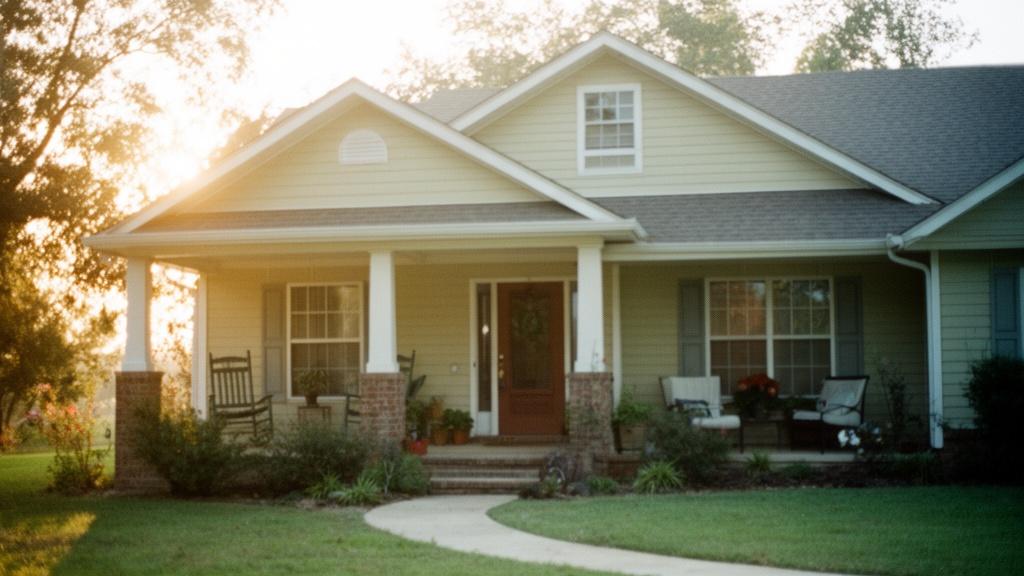
1. The Fresno Housing Market in August 2026
Fresno remains one of the more active mid-sized markets in California's Central Valley. The National Association of Realtors has noted that the summer 2026 real estate market nationally is defined by cautious buyers, motivated sellers, and mortgage rates that continue to shape affordability conversations. Fresno reflects many of those same pressures, though its price points remain considerably lower than coastal California metros, which continues to draw relocating buyers from the Bay Area and Los Angeles.
Where Prices Stand Right Now
Median home prices in Fresno currently sit in the mid-to-upper $300,000s for single-family homes, though that figure shifts meaningfully depending on the part of the city. Older neighborhoods closer to downtown tend to offer more modest price points, while newer construction in the northwest corridor pushes closer to the $450,000 to $550,000 range. Condominiums and townhomes provide entry-level options in the $220,000 to $290,000 range for buyers working within tighter budgets.
Inventory and Competition
Inventory has loosened compared to the tight conditions seen in 2022 and 2023, but well-priced homes in move-in condition still attract multiple offers within the first week. Buyers who are pre-approved and prepared to act decisively have a clear advantage. Sellers who price accurately and present their home well are best positioned to attract strong offers in today's more balanced market.
2. What the Housing Stock Looks Like Across Fresno
Fresno is a large city spanning roughly 115 square miles, and the character of homes for sale in Fresno changes considerably from one area to the next. Understanding what each part of the city offers in terms of architecture, lot size, and proximity to amenities helps buyers narrow their search before they ever set foot in a home.
Central and Tower District
The central part of Fresno, including the Tower District along Olive Avenue, features older Craftsman bungalows, Spanish Revival homes, and mid-century properties built between the 1920s and 1960s. Lot sizes here tend to be smaller, typically between 5,000 and 7,000 square feet, and many homes have original hardwood floors and architectural detail that newer construction does not replicate. The Tower District itself is walkable to independent restaurants, coffee shops, the Tower Theatre, and local galleries, giving the area a distinct urban texture.
Northwest Fresno
Northwest Fresno is where much of the city's newer construction is concentrated, with planned subdivisions built primarily from the 1990s onward. Homes here typically range from 1,800 to 3,200 square feet on lots of 6,000 to 10,000 square feet, with open floor plans, three-car garages, and backyard pools that are common in this part of the valley. Proximity to Fig Garden Village, Riverpark Shopping Center, and the San Joaquin River Parkway trail system makes this corridor appealing to buyers who want suburban space with easy access to retail and outdoor recreation.
Clovis Adjacent and East Fresno
The eastern edge of Fresno borders the city of Clovis, and many buyers searching homes for sale in Fresno end up looking at properties that straddle both city limits. This area includes a mix of 1970s and 1980s ranch-style homes alongside newer infill construction. Prices here often fall between those of central Fresno and northwest Fresno, and the area sits close to Woodward Park, one of the largest municipal parks in the region at over 300 acres, as well as the Fresno Chaffee Zoo.
3. Key Considerations for Buyers in Fresno
Buying a home in Fresno in August 2026 requires more preparation than it did during the low-rate environment of 2020 and 2021. Buyers who arrive with a clear financial picture and a defined set of priorities consistently put themselves in the strongest possible position.
Getting Pre-Approved Before You Search
Pre-approval is not a formality in this market; it is a prerequisite. Sellers reviewing multiple offers will typically prioritise offers that include a lender letter, and many agents schedule showings only for buyers who have one ready. Reach out to a local lender who understands Fresno's price ranges and can move quickly when you find a home you want to pursue.
Commute and Location Factors
Fresno's layout is largely grid-based, and most cross-town drives run between 15 and 35 minutes depending on time of day and direction. State Route 99 and State Route 41 are the two primary freeway corridors, and homes near on-ramps in the northwest and southeast tend to make regional commutes to Madera, Visalia, or even the Bay Area more manageable. Buyers who work at Fresno State, Community Regional Medical Center, or downtown employers should factor in surface street traffic, which peaks on Blackstone Avenue and Shaw Avenue during morning and evening hours.
4. What Sellers Should Know Before Listing
If you currently own a home in Fresno and are thinking about selling, the conditions in August 2026 are workable and reward sellers who come prepared with solid pricing and presentation. Buyers have more choices than they did two or three years ago, which means presentation, pricing, and timing all carry more weight than they did in a seller's market.
Timing Your Listing Strategically
Late summer and early fall remain active periods in Fresno, with buyers who did not find a home during the spring still actively searching. Listing in August or September means less competition from other sellers than the spring peak, and buyers in this window tend to be serious rather than casual browsers. Working with a knowledgeable local agent to identify your specific optimal window is worth the conversation before you commit to a date.
Pricing Realistically in the Current Market
Pricing accurately from day one is the single most important decision Fresno sellers make in the current environment. Homes priced correctly from the start tend to attract the strongest offers early, when buyer interest is at its peak. Comparable sales from the past 60 to 90 days in your specific zip code, not citywide averages, are what buyers and their agents will use to evaluate your asking price. A well-priced home in good condition will generate strong activity and competitive offers from motivated buyers.
For sellers weighing the broader national picture alongside local conditions, Forbes Advisor's housing market predictions for 2026 offer useful context on where prices and inventory are trending nationally, though local Fresno data will always be the more reliable guide for your specific decision.
FAQ
What is the typical price range for homes for sale in Fresno right now?
As of August 2026, single-family homes in Fresno generally range from the low $300,000s in older central neighborhoods to the mid-$500,000s for newer construction in northwest Fresno. Condominiums and attached townhomes offer lower entry points, often between $220,000 and $290,000. Prices vary significantly by zip code, lot size, condition, and proximity to amenities, so it is worth reviewing active comparables in the specific area you are targeting rather than relying on citywide medians alone. A local agent with current market data can give you a much more precise picture for your search criteria.
How long does it typically take to buy a home in Fresno from offer to close?
In Fresno, a standard residential transaction from accepted offer to closing typically takes 30 to 45 days when the buyer is using conventional financing and both parties are responsive. Cash transactions can close in as few as 10 to 14 days. FHA and VA loans sometimes run slightly longer due to appraisal requirements, though experienced local lenders who work in the Fresno market regularly can help keep timelines on track. Having an agent who can navigate the inspection negotiation phase and respond effectively if an appraisal comes in below contract price helps keep the transaction on track.
Is it worth buying in Fresno if I am relocating from a more expensive California city?
Fresno's price points are substantially lower than coastal California markets, which means buyers relocating from the Bay Area or Los Angeles often find they can purchase significantly more square footage and land for the same budget. The city has a major medical hub at Community Regional Medical Center, a university in Fresno State, a growing arts and dining scene in the Tower District, and direct freeway access to Yosemite National Park roughly an hour and a half to the northeast. That said, every buyer's priorities are different, and it is worth spending time in the city, exploring specific neighborhoods, and reviewing commute routes before committing. A local agent who knows Fresno well can help you evaluate whether the trade-offs align with your lifestyle and financial goals.