
← Back to Blog
Neighborhoods
What Is It Like to Live in the Tower District Neighborhood of Fresno?
By Yashu Toprani
Aluisi Real Estate
September 13, 2026 · 10 min read
The Tower District neighborhood of Fresno is one of the most visually distinct and walkable pockets in the entire city, built around Olive Avenue and anchored by the 1939 Tower Theatre marquee that still lights up the street at night. If you are weighing a move here, or simply want to understand what daily life looks like before committing, this guide covers the housing stock, price ranges, commute patterns, dining and nightlife, and everything else that shapes the lived experience of this neighborhood.
1. A Quick Orientation: What and Where Is the Tower District?
The Tower District is a historic commercial and residential neighborhood in central Fresno, California. It sits roughly between McKinley Avenue to the north, Belmont Avenue to the south, Blackstone Avenue to the east, and Fruit Avenue to the west, though locals tend to define it more loosely by feel than by strict boundary lines.
The Physical Boundaries
The neighborhood covers roughly one square mile of central Fresno. It is listed on the National Register of Historic Places as the Tower Theatre and Commercial District, which gives it a level of architectural protection and civic identity that most Fresno neighborhoods do not have. The surrounding residential blocks extend the district's character well beyond the commercial corridor itself.
The Street That Defines It
Olive Avenue is the spine of the Tower District. The Tower Theatre, built in 1939 in a Spanish Colonial Revival style, sits at the corner of Olive and Wishon and remains the neighborhood's most recognizable landmark. The marquee is illuminated most evenings and the theater still hosts live performances, film screenings, and community events throughout the year. Everything radiates outward from that corner.
For a broader overview of the neighborhood's layout and what residents say about it, the Tower District neighborhood guide on Homes.com provides a useful visual orientation alongside resident reviews.
2. Housing Stock and Architecture in the Tower District
The Tower District's residential blocks are filled with pre-World War II homes that you simply will not find in Fresno's newer suburban tracts. The architecture here is the single biggest reason many buyers specifically seek out this neighborhood over more recently built areas of the city.
Bungalows, Tudors, and Craftsmans
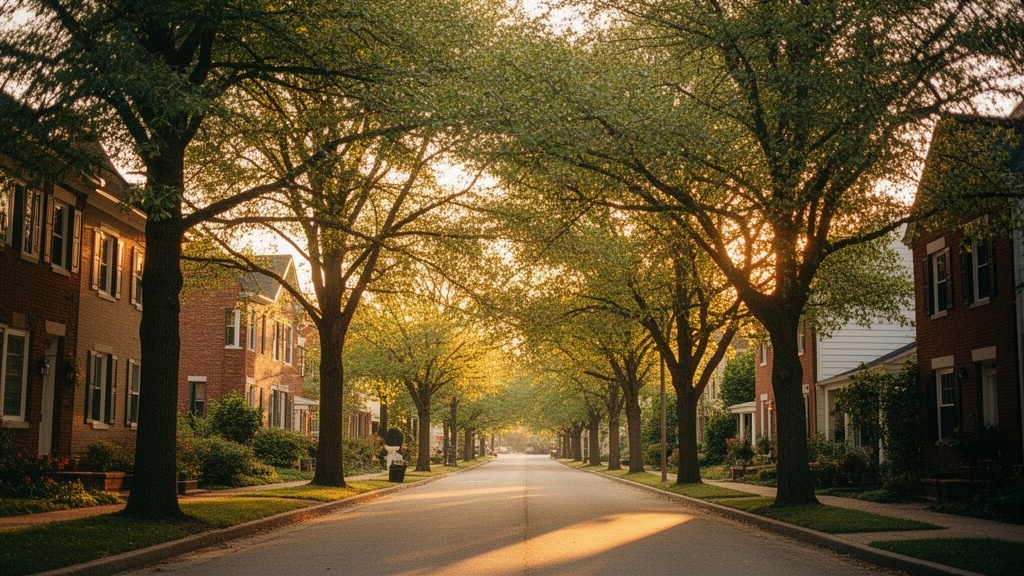
Walk the residential streets north and south of Olive Avenue and you will encounter California Craftsman bungalows from the 1920s, English Tudor Revival cottages, Spanish Colonial Revival homes, and the occasional Mission-style fourplex. Many of these homes retain original hardwood floors, built-in cabinetry, arched doorways, and decorative tilework. Renovation quality varies considerably from block to block, so buyers should budget for inspections and potential updates when purchasing an older home in this area.
The neighborhood also includes a mix of small apartment buildings and duplexes, many of them built between the 1930s and 1960s. This makes the Tower District one of the denser residential pockets in central Fresno, with a variety of housing types available for both buyers and renters.
Lot Sizes and Density
Most single-family lots in the Tower District run between 5,000 and 7,500 square feet, which is smaller than what you would find in Fresno's northwest or northeast corridors. Homes themselves typically range from 1,000 to 2,000 square feet, with two and three-bedroom configurations being most common. Larger homes do exist, but they are less frequent than in areas like Fig Garden or Woodward Park.
The density and walkability that come with smaller lots are part of the appeal for many Tower District residents. Neighbors are close, front porches face the sidewalk, and the overall feel is more like a traditional urban neighborhood than the wide-lot suburban blocks that dominate much of Fresno.
3. Home Prices and the Real Estate Market in Tower District Fresno
Tower District home prices sit below the citywide median for Fresno, making it one of the more accessible entry points into homeownership in central Fresno. That said, prices vary widely depending on the condition of the home, the specific block, and whether the property has been renovated.
What Buyers Are Paying Right Now
As of September 2026, single-family homes in the Tower District are generally trading in a range from the low $200,000s to the mid $400,000s, depending heavily on square footage and renovation level. A move-in-ready Craftsman bungalow with updated kitchen and bathrooms will command a premium over a comparable home that still has original 1940s infrastructure. Fixer properties in the area can still be found in the $180,000 to $230,000 range, though they require buyers to budget carefully for repairs.
Multi-unit properties, including duplexes and small apartment buildings, attract both owner-occupants and investors. These tend to list in the $300,000 to $550,000 range depending on unit count and condition. You can browse current Tower District listings to get a real-time sense of what is on the market through Homes.com's Tower District listings page.
How Tower District Compares Within Fresno
Fresno's citywide median home price as of September 2026 sits in the mid to upper $300,000s. Tower District properties at the lower end of their range offer buyers a chance to own a historic home in a walkable, centrally located neighborhood at a price point that is difficult to find in newer parts of the city. Buyers who want more square footage or larger lots will typically look further north or northeast, where newer construction dominates.
If you are planning to buy in the Tower District, understanding Fresno's property tax structure is an important part of budgeting. You can read a detailed breakdown in this article on what property taxes look like in Fresno and how they are calculated.
4. Daily Life: Walkability, Food, and Things to Do
Living in the Tower District neighborhood of Fresno means having a walkable main street within a short distance of your front door, which is a genuine rarity in a car-centric city like Fresno. The Olive Avenue corridor offers a concentration of independent restaurants, bars, coffee shops, and boutiques that you will not find replicated elsewhere in the city.
Olive Avenue as a Main Street
The stretch of Olive Avenue between Blackstone and Fruit is lined with locally owned businesses. Revue Coffee, Peeve's Public House, Ampersand Ice Cream, and Babylon Cafe are among the long-standing establishments that give the street its character. New businesses continue to open in the district, and the commercial corridor has seen steady investment in storefront renovations over the past several years.
The Tower Theatre itself hosts events year-round, from film screenings to live music to comedy shows. The Pride Parade and Festival, one of the largest annual events in Fresno, uses Olive Avenue as its main corridor. The Tower District also hosts the monthly Art Hop, a free walkable gallery and business event that draws visitors from across the city on the first Friday of each month.
Arts, Music, and Nightlife
The Tower District has historically been Fresno's most concentrated hub for live music venues, art galleries, and late-night dining. Venues along and near Olive Avenue host local and touring bands on weekends, and several art studios and galleries operate within walking distance of the theater. This concentration of creative businesses gives the neighborhood a texture that feels distinct from most of Fresno's commercial corridors.
Groceries, Errands, and Everyday Needs
For everyday grocery shopping, residents typically drive a short distance to stores on Blackstone Avenue or Shaw Avenue. A Vons, a Grocery Outlet, and several ethnic grocery stores are all within a five to ten minute drive of the neighborhood's core. The Tower District itself is not a full-service grocery destination, so most residents keep a car for routine errands even if they walk for dining and entertainment.
Roeding Park, a 157-acre city park with a lake, picnic areas, and the Fresno Chaffee Zoo, sits just west of the Tower District along Belmont Avenue. It is one of the larger green spaces in central Fresno and is accessible by bike from most Tower District addresses in under ten minutes.
5. Commuting From the Tower District
The Tower District's central location means that most major Fresno employment centers are reachable in 15 to 25 minutes by car under normal traffic conditions. Fresno is a car-dependent city overall, and the Tower District is no exception for longer trips, but its position near Highway 99 and several major arterials makes it a practical base for commuters.
Getting Around Fresno by Car
Downtown Fresno is approximately 2 miles south of the Tower District's core, a drive of roughly 8 to 12 minutes depending on traffic. Community Regional Medical Center, one of the city's largest employers, is about 10 minutes by car. Fresno State's campus in northeast Fresno is roughly 15 to 20 minutes depending on the route. Highway 99 is accessible via Olive Avenue heading east to Blackstone, making travel north toward Madera or south toward Visalia straightforward.
Public Transit and Biking
Fresno Area Express (FAX) bus routes serve the Tower District, with stops along Blackstone and Olive avenues connecting to downtown Fresno and other parts of the city. Transit-dependent commuters will find the Tower District one of the better-served neighborhoods in central Fresno, though service frequency remains limited compared to larger California cities.
The neighborhood's flat terrain and grid street layout make it one of the more bikeable areas in Fresno. Several residents commute by bicycle to downtown offices or nearby employers, and the Olive Avenue corridor itself is manageable on a bike during off-peak hours. The city has added bike lanes along portions of nearby arterials in recent years, which improves the overall cycling experience.
6. Schools and Education Resources
The Tower District falls within the Fresno Unified School District, which is the fourth-largest school district in California. School assignments depend on your specific address, and Fresno Unified also offers magnet programs and open enrollment options that give families choices beyond their assigned neighborhood school.
How to Research Schools on Your Own
School programs and fit are deeply personal decisions that depend on your child's needs, learning style, and interests. The best approach is to research directly through the California Department of Education's School Accountability Report Cards, available at cde.ca.gov, and through the Fresno Unified School District's own website at fresnounified.org. Both sources provide enrollment data, program offerings, and performance information that you can evaluate on your own terms.
Private and charter school options also exist within a reasonable drive of the Tower District. Visiting campuses directly and speaking with current families is the most reliable way to assess whether a particular school is the right fit for your household.
7. Pros and Considerations of Tower District Living
Understanding what it is like to live in the Tower District neighborhood of Fresno means looking honestly at both what draws people here and what requires realistic planning. No neighborhood is a perfect fit for everyone, and the Tower District has a distinct personality that resonates strongly with some buyers and less so with others.
What Draws People Here
The architectural character of the housing stock is a primary draw. Pre-war bungalows and Craftsman homes with original details are not something you can replicate in new construction, and buyers who value that kind of character are willing to invest in the maintenance that older homes require. The walkable commercial corridor on Olive Avenue is another draw, offering a level of on-foot convenience that most Fresno neighborhoods do not provide.
The Tower District also offers a relatively lower price of entry compared to Fresno's northwest and northeast neighborhoods. For buyers who want to own a home in central Fresno without stretching into the upper $400,000s or $500,000s that newer construction commands, the Tower District represents a realistic path to ownership.
What to Think Through Before Buying
Older homes require more maintenance than newer construction, full stop. Buyers should budget for potential plumbing, electrical, and roof work that is common in homes built before 1950. A thorough inspection by a licensed home inspector is essential before closing on any Tower District property. Some blocks have seen significant private reinvestment; others have not, so walking the specific streets you are considering is time well spent.
Parking can be limited on blocks closer to Olive Avenue, particularly on event nights when the theater and nearby venues draw large crowds. Buyers who work from home or keep irregular hours tend to adapt to this more easily than those with rigid schedules. The weekend noise and activity that come with a vibrant commercial corridor are part of the neighborhood's character, and they are worth experiencing firsthand before you commit.
If you are relocating to Fresno from another city and want to understand how the Tower District fits into the broader Fresno market, this guide on relocating to Fresno and finding a buyer's agent walks through the process in detail.
And if you are ready to start evaluating agents who know this part of Fresno well, the article on the most recommended real estate agents in the Tower District area of Fresno is a practical starting point.
FAQ
Is the Tower District a good place to buy a home in Fresno?
The Tower District offers a combination of historic architecture, walkable amenities, and relatively accessible price points that make it a compelling option for buyers who value those qualities. Single-family homes generally range from the low $200,000s to the mid $400,000s as of September 2026, depending on size and condition. Older homes in the area require more maintenance than newer construction, so buyers should plan for inspection costs and potential repairs. Whether it is the right fit depends entirely on your priorities around commute, lifestyle, and budget, and those are personal decisions worth exploring with a local agent who knows the neighborhood well.
How walkable is the Tower District compared to other Fresno neighborhoods?
The Tower District is among the most walkable neighborhoods in Fresno, primarily because of the Olive Avenue commercial corridor that puts restaurants, coffee shops, bars, and entertainment venues within walking distance of most residential addresses. For daily errands like grocery shopping, most residents still rely on a car, since the nearest full-service grocery stores are on Blackstone or Shaw avenues, a five to ten minute drive away. By Fresno standards, where most neighborhoods require a car for nearly every errand, the Tower District stands out for the number of destinations accessible on foot. The flat terrain also makes it one of the more bikeable areas in the city.
What types of homes are available in the Tower District of Fresno?
The Tower District's residential blocks are dominated by pre-World War II single-family homes, including California Craftsman bungalows, English Tudor Revival cottages, and Spanish Colonial Revival houses, most of them built between the 1920s and the 1940s. Homes typically range from 1,000 to 2,000 square feet on lots of 5,000 to 7,500 square feet. The neighborhood also has a meaningful supply of duplexes and small apartment buildings, making it a realistic option for buyers interested in owner-occupied multi-unit properties. Renovation quality varies significantly from property to property, so in-person visits and thorough inspections are especially important in this market.