← Back to Blog
Buying
Homes for Sale in Sacramento: Buyer's Guide
By Yuri Ramirez-Villanueva
August 21, 2026 · 6 min read
If you are searching for homes for sale in Sacramento, you are stepping into one of California's most dynamic real estate markets. This guide walks you through what the current inventory looks like, how pricing has shifted in 2026, and what to expect at each stage of your search so you can move forward with clarity.
1. Sacramento's Housing Market in August 2026
Sacramento's real estate market has continued to attract serious attention this year. The National Association of Realtors' coverage of the summer 2026 real estate market points to continued buyer demand in markets like Sacramento, where relative affordability compared to the Bay Area keeps migration patterns strong. That demand, combined with a still-constrained supply, means buyers need to be informed and prepared before they start touring homes.
Where Inventory Stands Today
Inventory has loosened slightly compared to the tightest stretch of the past few years, but Sacramento is not a buyer's market in the traditional sense. As of August 2026, active listings across the Sacramento metro area have ticked upward, giving buyers more options than they had in early 2025. Still, well-priced homes in desirable pockets tend to receive multiple offers within the first week of listing.
How Prices Have Moved
Median home prices in Sacramento proper currently sit in the low-to-mid $500,000 range, though that number varies considerably by neighborhood and property type. Condos and smaller single-family homes in areas like North Sacramento can be found closer to the $380,000 to $440,000 range, while larger homes on tree-lined streets in East Sacramento or Land Park regularly trade above $700,000. Understanding this spread is essential before you narrow your search.
2. Types of Homes You Will Find in Sacramento
Sacramento's housing stock is genuinely varied, which is one of the things that makes searching for homes here interesting. You will find everything from early twentieth-century Craftsman bungalows and Victorian-era homes near the urban core to sprawling ranch-style properties built in the 1960s and 1970s in the suburbs, along with newer townhomes and planned communities further out.
Established Neighborhoods and Older Housing Stock
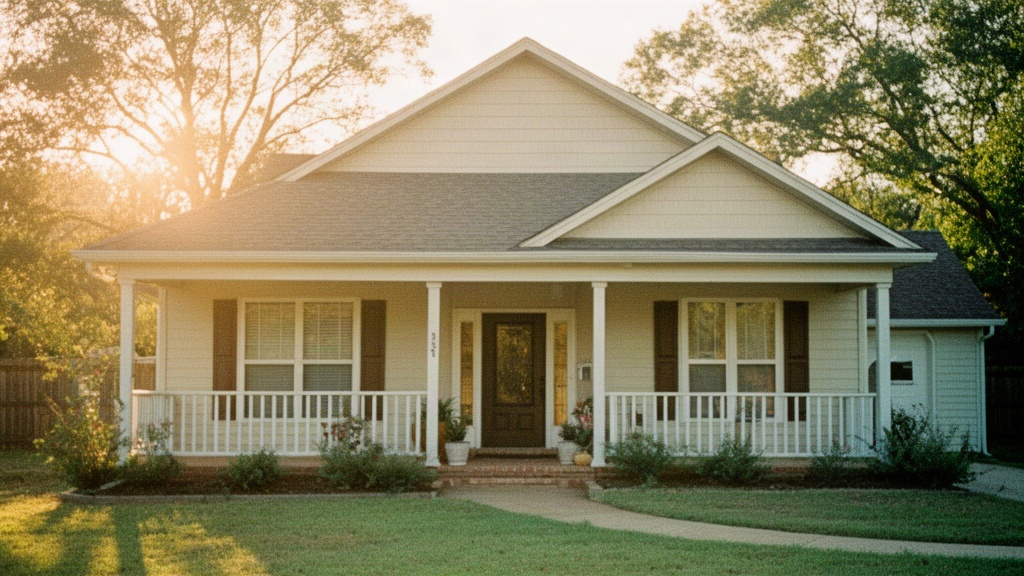
Older Sacramento homes often come with larger lots, mature trees, and architectural character that newer construction rarely replicates. Craftsman bungalows in Midtown and East Sacramento typically feature original hardwood floors, built-in cabinetry, and covered front porches. Buyers drawn to these properties should budget for potential updates to plumbing, electrical, or roofing, since many of these homes have not been fully renovated.
Newer Construction and Infill Development
Newer construction has expanded significantly in areas like Natomas, Elk Grove, and Rancho Cordova. These homes typically offer open floor plans, energy-efficient systems, and HOA-maintained common areas. Infill development has also picked up within Sacramento city limits, with townhomes and small-lot single-family homes appearing in corridors along Stockton Boulevard, Broadway, and parts of North Sacramento.
3. Key Areas to Explore When Searching Sacramento
Sacramento spans a large geographic area, and the experience of living in one part of the city or metro can feel quite different from another. Knowing the general character of each area, in terms of housing type, price point, and proximity to amenities, will help you focus your search and avoid wasting time on homes that do not fit your priorities.
Central Sacramento and Midtown
Midtown Sacramento sits roughly between downtown and East Sacramento, centered around the grid of lettered and numbered streets. The area is walkable, with restaurants, coffee shops, the Sacramento Grid cycling infrastructure, and Fremont Park within easy reach. Homes here tend to be older and smaller, with condos and Victorian-era single-family homes making up much of the inventory. Prices in this corridor generally range from the mid-$400,000s into the $600,000s depending on lot size and condition.
East Sacramento and Land Park
East Sacramento is known for its tree canopy, wide streets, and concentration of Craftsman and Tudor Revival homes from the 1920s and 1930s. McKinley Park, with its rose garden and duck pond, anchors the eastern side of this area. Land Park, to the south of downtown, surrounds William Land Park, which is home to the Sacramento Zoo and Fairytale Town. Homes in both corridors tend to carry price tags above the citywide median, often ranging from the high $500,000s to well over $900,000 for larger properties.
North Sacramento and Natomas
North Sacramento offers some of the more accessible price points within city limits, with many single-family homes available in the $350,000 to $480,000 range. Natomas, located northwest of downtown near Sacramento International Airport, features a mix of newer planned communities and established subdivisions built from the late 1990s onward. Commute times from Natomas to downtown Sacramento run roughly 15 to 25 minutes by car depending on traffic, and the area has seen continued retail and park development over the past decade.
Elk Grove, Roseville, and the Surrounding Region
Many buyers searching for homes for sale in Sacramento ultimately expand their search into the broader metro area. Elk Grove, about 15 miles south of downtown, offers larger lots and newer construction at prices that often come in below comparable Sacramento city properties. Roseville, roughly 25 miles northeast via Interstate 80, has grown substantially and features a range of housing types from entry-level townhomes to larger single-family homes. Both cities have their own distinct retail corridors, parks, and community amenities worth researching firsthand.
4. How to Compete Effectively in the Sacramento Market
Browsing homes for sale in Sacramento online is easy. Actually getting one under contract requires preparation. The buyers who succeed in this market tend to follow a consistent set of practices that keep them ready to act when the right property appears.
Get Pre-Approved Before You Search
A pre-approval letter from a lender is not optional in the current Sacramento market. Sellers and their agents expect to see one attached to any offer, and in competitive situations, a strong pre-approval from a local lender can carry more weight than one from an online-only institution. Get this done before you tour a single home so you are not scrambling when you find a property you want.
Know Your Must-Haves Versus Nice-to-Haves
Sacramento's inventory is broader than it was two years ago, but it is still limited enough that waiting for a perfect home can mean missing good ones. Before you start touring, write down the features you cannot compromise on, such as bedroom count, garage, or proximity to a specific commute corridor, and separate those from the features you would simply prefer. This clarity will help you make faster, more confident decisions when a home meets your core criteria.
Move Quickly but Methodically
Speed matters in Sacramento, but so does doing your due diligence. When a home hits the market that fits your criteria, plan to tour it within 24 to 48 hours. If it checks your boxes, work with your agent to put together a clean, well-structured offer rather than rushing to waive contingencies you may actually need. The goal is to be competitive without taking on unnecessary risk.
For broader context on where the national market is headed, Forbes Advisor's housing market predictions for 2026 offer a useful overview of price trends and mortgage rate forecasts that Sacramento buyers should factor into their planning.
FAQ
What is the current median home price for homes for sale in Sacramento?
As of August 2026, the median home price in Sacramento proper sits in the low-to-mid $500,000 range, though this varies significantly by area and property type. Condos and smaller homes in North Sacramento can be found below $450,000, while properties in East Sacramento and Land Park frequently exceed $700,000. Suburban cities like Elk Grove and Rancho Cordova tend to offer lower price points for comparable square footage. Speaking with a local agent who tracks the market closely is the most reliable way to understand current pricing in the specific pockets you are considering.
How long does it typically take to buy a home in Sacramento right now?
From the start of an active search to a closed transaction, most buyers in Sacramento should plan for a timeline of 60 to 120 days, though this varies. The search phase alone can take several weeks if inventory in your price range is limited, and the escrow period typically runs 21 to 30 days once an offer is accepted. Buyers who are pre-approved, clear on their priorities, and working with an experienced local agent tend to move through the process more efficiently. Market conditions in August 2026 mean that being ready to act quickly when the right home appears will shorten your overall timeline considerably.
Should I research schools before buying a home in Sacramento?
School research is an important part of the homebuying process for many buyers, and the best approach is to go directly to primary sources rather than relying on third-party ratings. The California Department of Education website provides detailed information on individual schools, enrollment, and academic programs across Sacramento County. You can also contact school districts directly to ask about boundaries, enrollment procedures, and any upcoming changes. Because school assignments depend on specific address and district boundaries, it is worth confirming the school assignment for any particular property before making a decision. This is a personal research step that each buyer should complete independently based on their own priorities.