← Back to Blog
Buying
Homes for Sale in Apopka, Florida: A Complete Buyer's Guide for 2026
By Yvelyne Saintil
September 6, 2026 · 10 min read
If you are searching for homes for sale in Apopka, Florida, you are looking at one of the Orlando metro area's most established and actively traded markets, with a housing stock that ranges from the $280,000s to well above $600,000 depending on the community and lot size. This guide covers what you need to know before you buy: current prices, the types of homes available, commute realities, local amenities, and how the market is behaving right now in September 2026.
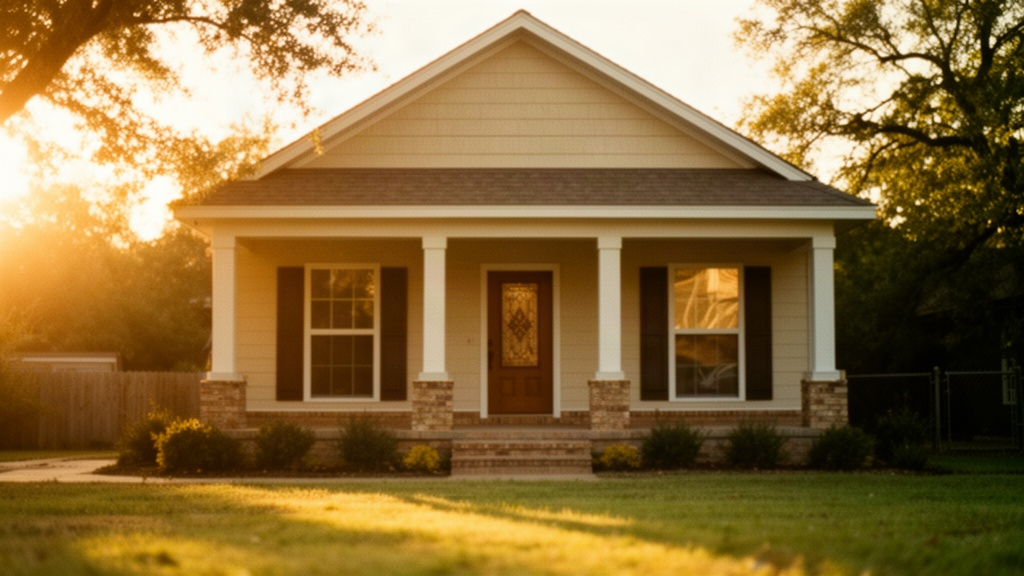
1. What the Apopka Housing Market Looks Like Right Now
The Apopka market is active but measured. Buyers searching for homes for sale in Apopka are finding more choices than they had in 2022 or 2023, and sellers are adjusting prices more often than they were a year ago. That shift creates real opportunity if you know how to read the data.
Current Prices and Inventory
As of September 2026, the median sale price for a single-family home in Apopka sits in the low-to-mid $380,000s, though that number moves depending on the subdivision, lot size, and whether the home has been updated. Entry-level townhomes and smaller villas start closer to $270,000 to $300,000. Larger homes on half-acre or larger lots in communities like Errol Estate or Rock Springs Ridge regularly list above $500,000. Active inventory has grown compared to September 2025, meaning buyers have more options and more negotiating room than they did twelve months ago.
The broader Florida context matters here. According to reporting from HousingWire, the Florida housing market has stabilized, but sellers across the state are confronting pricing realities that were not present during the pandemic run-up. Apopka reflects that statewide pattern: homes that are priced correctly sell; homes that are priced optimistically sit.
How Long Homes Are Sitting
Days on market in Apopka have stretched compared to the frenzied pace of 2021 and 2022. The typical well-priced home in September 2026 goes under contract somewhere between 25 and 45 days after listing, though that window varies by price point. Homes below $350,000 still move faster because demand at that entry level remains strong. Homes above $500,000 are sitting longer, sometimes 60 to 90 days, which gives buyers in that range real leverage to negotiate on price, closing costs, or repairs.
This trend is consistent with what HousingWire has documented across the Orlando metro: Orlando-area homes are sitting longer despite lower list prices, a dynamic that benefits patient, prepared buyers who understand local conditions.
2. Types of Homes for Sale in Apopka
Apopka offers a wider range of housing types than many buyers expect. The city's growth over the past two decades has layered new construction communities on top of older established neighborhoods, giving buyers options at nearly every price point and lifestyle preference.
Single-Family Homes and New Construction
Single-family homes make up the bulk of Apopka's housing inventory. Resale homes from the 1980s and 1990s in areas like Errol Estate and the Wekiva Springs Road corridor typically sit on quarter-acre to half-acre lots and range from 1,600 to 2,800 square feet. These homes often feature mature landscaping, larger yards, and established street trees, but may need kitchen or bathroom updates.
New construction is also active in Apopka. Builders including D.R. Horton and Pulte have active communities in and around Apopka's northwest and northeast quadrants, with base prices generally starting in the low $300,000s and moving up depending on lot premiums and upgrades. New builds offer modern floor plans, energy-efficient systems, and builder warranties, but buyers should budget for landscaping, window treatments, and other items that are not included in the base price.
Townhomes, Villas, and 55-Plus Communities
Townhomes in Apopka generally list between $270,000 and $360,000 and are concentrated in communities along US-441 and the SR-436 corridor. These properties often include HOA-maintained exteriors, community pools, and gated access, which appeals to buyers who want lower exterior maintenance.
Apopka also has a growing 55-plus segment. Communities in this category offer single-story villa-style homes, clubhouse amenities, and organized activities. Prices in these communities typically range from the high $200,000s to the mid $400,000s. Buyers interested in age-restricted communities should confirm HOA rules, monthly fees, and deed restrictions before making an offer, as these vary significantly from one community to the next.
3. Apopka Neighborhoods and Communities Worth Knowing
Apopka spans roughly 36 square miles, and the character of the housing stock changes considerably from one part of the city to another. Understanding the distinct areas helps buyers focus their search and avoid spending time touring homes that do not match their priorities.
Errol Estate and the Northwest Side
Errol Estate is one of Apopka's most recognizable communities, built around a golf course that dates to the 1970s. Homes here tend to be spacious, with square footage ranging from around 2,000 to over 4,000 square feet, and many sit on oversized lots with mature oak canopy. List prices in Errol Estate currently run from the mid $300,000s for older homes needing updates to over $650,000 for fully renovated or custom properties.
The northwest side of Apopka more broadly includes a mix of custom-built homes on larger parcels and newer subdivisions tucked between Lake Apopka's northern shore and the Wekiva River basin. Buyers who want space between neighbors tend to look here first.
Rock Springs Ridge and Wekiva Area Communities
Rock Springs Ridge sits on the western edge of Apopka near the Kelly Park Road corridor. This planned community features homes built primarily in the 2000s and 2010s, with square footage ranging from about 1,800 to 3,500 square feet. Prices currently run from the low $400,000s to the low $600,000s depending on lot size and condition. The community includes a clubhouse, pool, and walking trails, and it sits close to Kelly Park and Rock Springs Run, one of Central Florida's most popular natural swimming areas.
Other communities along the Wekiva Springs Road corridor, including Wekiva Hunt Club and Wekiva Woods, offer homes from the late 1970s through the 1990s at generally lower price points, often in the $310,000 to $430,000 range. These neighborhoods back up to the Wekiva Springs State Park buffer, so rear neighbors are trees rather than other houses in many cases.
South Apopka and the SR-414 Corridor
South Apopka and the areas along State Road 414 (the Maitland Extension) represent the most affordable segment of the Apopka market. Homes here are generally smaller, built in the 1960s through 1980s, and list in the $220,000 to $330,000 range. This part of Apopka is also seeing investment activity, with buyers purchasing older homes for renovation.
The SR-414 corridor itself is significant for buyers who commute south toward Orlando. The expressway connects Apopka to I-4 and downtown Orlando in roughly 25 to 35 minutes during off-peak hours, making the southern part of Apopka one of the more commuter-accessible sections of the city.
4. Commutes, Amenities, and Daily Life in Apopka
Location within Apopka matters as much as the home itself when it comes to daily convenience. The city is large enough that a home on the northwest side and a home on the southeast side can have very different commute times and access to everyday services.
Getting Around: Roads and Drive Times
Apopka's primary road arteries are US-441, SR-436 (Semoran Boulevard), SR-414, and Kelly Park Road. US-441 runs north-south through the heart of the city and connects to the broader Orlando metro. During peak morning hours, the drive from central Apopka to downtown Orlando via US-441 and I-4 typically takes 35 to 50 minutes. Using SR-414 to the Maitland Extension can cut that to 25 to 40 minutes depending on traffic.
Buyers who work in the Lake Mary or Sanford corridor to the north have a relatively straightforward commute via US-441 north, typically 20 to 30 minutes. Those commuting to the Disney or Universal area on US-192 or I-4 west should plan for 40 to 55 minutes during peak hours. Apopka does not currently have SunRail access, so most residents rely on personal vehicles.
Parks, Nature, and Local Landmarks
Apopka's outdoor amenities are a genuine draw. Kelly Park and Rock Springs Run, operated by Orange County, sit just west of the city limits and feature a natural spring with water temperatures around 68 degrees year-round, tubing, hiking trails, and picnic areas. Wekiwa Springs State Park borders the city's eastern edge and offers canoeing, kayaking, hiking, and camping across more than 7,000 acres of protected land.
Lake Apopka, at roughly 31,000 acres, is Florida's fourth-largest lake and borders the city to the south and west. The Lake Apopka Wildlife Drive, a free 11-mile driving route through the lake's north shore, draws birders and nature photographers from across Central Florida. Within the city itself, Apopka's Amphitheater in the historic downtown area hosts outdoor concerts and community events throughout the year.
For everyday needs, Apopka has grocery options including Publix, Walmart, and Aldi locations along US-441 and SR-436. The Apopka area also has several urgent care clinics and is within 20 miles of AdventHealth Apopka and Florida Hospital campuses. The historic downtown along Main Street has seen gradual revitalization, with local restaurants, a farmers market, and small retail.
5. What Buyers Need to Know Before Making an Offer
Buying a home in Apopka in September 2026 requires preparation on three fronts: financing, offer strategy, and personal due diligence. Skipping any one of these steps is where buyers lose time, money, or both.
Financing and Insurance Costs in 2026
Mortgage rates in September 2026 remain elevated compared to the historic lows of 2020 and 2021, though they have moderated from the peaks of late 2023. Buyers should get a full pre-approval, not just a pre-qualification, before touring homes. A pre-approval letter signals to sellers that you are a serious, vetted buyer.
Homeowners insurance is a significant line item in Florida that buyers often underestimate. In Orange County, annual premiums for a standard single-family home currently range from roughly $2,800 to $5,500 depending on the home's age, roof condition, construction type, and proximity to flood zones. Apopka has areas in FEMA-designated flood zones, particularly near Lake Apopka and low-lying creek areas, so buyers should run a flood zone check on any specific address before making an offer. Flood insurance, when required, can add $1,000 to $3,000 or more per year.
How to Compete Without Overpaying
With inventory higher than it was in 2023 and homes sitting longer, buyers have more room to negotiate than they did during the peak market. That does not mean every home is a deal. Sellers who priced correctly from the start are still getting offers near list price. The opportunity lies with homes that have had one or more price reductions, have been on the market more than 45 days, or are in need of cosmetic updates.
A skilled buyer's agent will pull comparable sales from the past 90 days, identify price trends at the specific street and subdivision level, and help you construct an offer that is competitive without leaving money on the table. In the current Apopka market, asking for seller concessions toward closing costs or a rate buydown is reasonable on homes that have sat for more than 30 days.
Schools and Other Personal Research
Schools are a personal decision, and every buyer should research them directly using the Orange County Public Schools district website and the Florida Department of Education's school accountability data rather than relying on third-party ratings. School zone boundaries in Apopka can shift, so confirm which school a specific address is zoned for by entering the address directly into the district's boundary lookup tool.
For questions about local services, municipal data, and community information, the City of Apopka's official website and Orange County's online portals are the most reliable starting points. Buyers relocating from out of state should plan at least one in-person visit to drive the commute routes, visit nearby grocery stores, and walk the neighborhood at different times of day before going under contract.
FAQ
What is the average price of homes for sale in Apopka, Florida right now?
As of September 2026, the median sale price for a single-family home in Apopka is in the low-to-mid $380,000s. Entry-level townhomes and smaller attached homes start closer to $270,000, while larger homes in established communities like Rock Springs Ridge or Errol Estate regularly list above $500,000. New construction base prices from national builders generally start in the low $300,000s before lot premiums and upgrades. Prices have moderated compared to the 2022 peak, and sellers are more open to negotiation than they were one or two years ago.
How far is Apopka from downtown Orlando, and what is the commute like?
Apopka sits roughly 18 to 22 miles northwest of downtown Orlando depending on which part of the city you are driving from. During off-peak hours, the drive via SR-414 and the Maitland Extension takes about 25 to 35 minutes. During peak morning rush hour, that can stretch to 40 to 55 minutes on the most congested routes. Apopka does not have SunRail or commuter rail access as of September 2026, so most residents drive. Buyers should test the specific commute route from any home they are seriously considering, at the time of day they would actually be driving.
Is Apopka a good place to buy a home compared to other Orlando suburbs?
That comparison is a personal decision that depends on your priorities: price point, lot size, commute direction, proximity to specific employers, and the type of housing stock you prefer. What Apopka offers factually is more land per dollar than many closer-in Orlando suburbs, a wide range of housing types from 1970s custom homes to brand-new construction, and direct access to outdoor recreation at Kelly Park, Rock Springs Run, and Wekiwa Springs State Park. Buyers are encouraged to research each area they are considering using objective data from Orange County, the City of Apopka, and the Florida Department of Education, and to visit each area in person before deciding.