← Back to Blog
Buying
Homes for Sale in New York, Iowa: What Buyers and Sellers Need to Know in 2026
By Zainab Business
August 31, 2026 · 10 min read
If you are searching for homes for sale in New York, Iowa, you are looking at one of Tama County's quieter but genuinely rewarding small-town markets. This guide covers what the local housing stock looks like, what prices are doing in 2026, and what buyers and sellers each need to know before making a move.
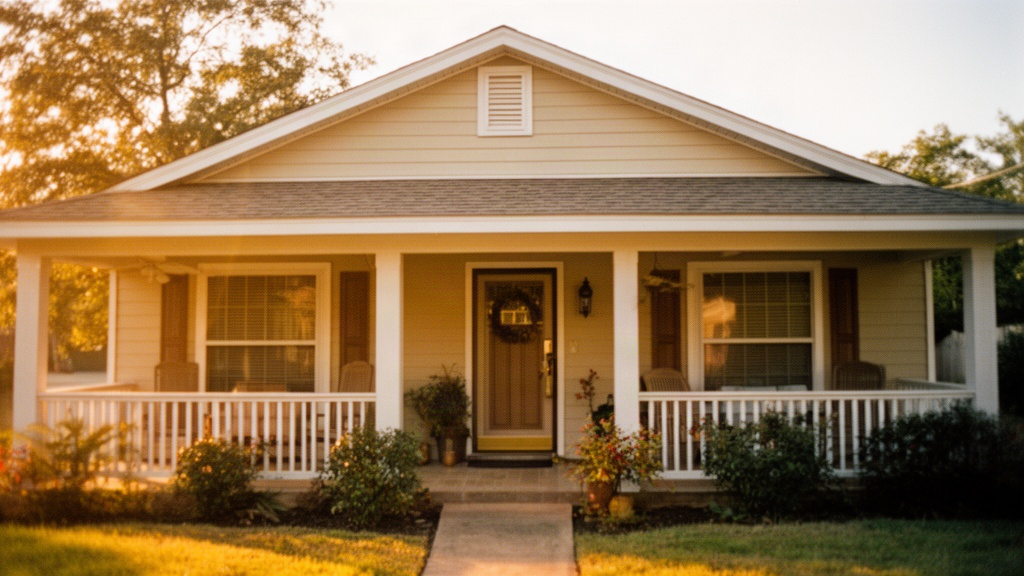
1. What the New York, Iowa Housing Market Looks Like Right Now
New York, Iowa is a small unincorporated community in Tama County, situated roughly 15 miles southeast of Toledo and about 20 miles from Marshalltown. The housing market here is defined by low inventory, modest price points, and a mix of older farmhouses, mid-century ranch-style homes, and the occasional updated property that draws buyers from surrounding towns.
The Local Housing Stock
Most homes for sale in New York, Iowa are single-family residences on generous lot sizes, often a quarter acre or more. Many of the homes in and around the community were built between the 1920s and the 1970s, meaning buyers will encounter original hardwood floors, older mechanical systems, and classic Iowa farmhouse layouts with separate dining rooms and full basements. Newer construction is rare in this area, so buyers should expect to work with existing inventory.
Properties with acreage do appear on the market periodically, particularly on the rural routes surrounding the community. These listings often include outbuildings, grain bins, or machine sheds, which adds complexity to the buying process and makes working with a knowledgeable local agent especially important.
Price Ranges and Property Sizes
Entry-level homes in the New York, Iowa area typically list in the $80,000 to $130,000 range for properties that need cosmetic updating. Move-in-ready homes with updated kitchens, newer roofs, and modernized HVAC systems generally list between $140,000 and $200,000. Larger properties with acreage or outbuildings can push past $250,000 depending on land size and structure condition.
Square footage in this market tends to run between 1,100 and 2,200 square feet for typical single-family homes. Three-bedroom, one-bath configurations are the most common, though two-story homes with four bedrooms do surface. Buyers relocating from larger Iowa cities like Des Moines or Cedar Rapids often find the price-per-square-foot difference striking.
How New York Compares to Nearby Towns
Toledo, the Tama County seat located about 15 miles northwest, offers a slightly larger inventory of homes and direct access to county services and the courthouse. Tama, directly across the Iowa River from Toledo, adds grocery options, a community center, and the Meskwaki Settlement nearby. Marshalltown, roughly 20 miles to the northwest via US-30, brings a broader range of services including hospitals, chain retail, and a more active MLS with higher listing volumes.
Buyers who want the quiet of a rural setting while staying within a reasonable drive of Marshalltown's amenities often look at properties in the New York area specifically for that balance. The drive from the New York community to Marshalltown on US-30 runs approximately 25 minutes under normal conditions.
2. What Buyers Should Know Before Shopping Homes for Sale in New York
Buying a home in a small Iowa community like New York requires a slightly different approach than buying in a high-inventory urban market. Listings move at their own pace here, but when a well-priced property hits the market, competition can appear quickly from buyers who have been watching for months. Being prepared before you start touring is not optional; it is the difference between getting the home and watching it close for someone else.
Getting Pre-Approved in a Small-Town Market
Pre-approval is essential before you tour a single property in New York, Iowa. Sellers in small communities often know their neighbors and want to see that a buyer is serious. A pre-approval letter from a lender shows you have already cleared the financial screening and can close without delays. USDA Rural Development loans are worth exploring for this area, since much of Tama County qualifies for the program, which offers zero-down financing for eligible buyers.
Iowa Finance Authority programs also provide down payment assistance for qualifying buyers, and these can be layered with conventional or FHA financing. Ask your lender specifically about USDA eligibility for properties in Tama County before assuming you need a large down payment.
What to Inspect in Older Iowa Homes
Homes built before 1978 in Iowa may contain lead paint, and many properties in the New York area fall into that age range. A thorough home inspection should cover the roof, foundation, electrical panel (watch for older fuse boxes or aluminum wiring), plumbing (galvanized pipes are common in pre-1960 homes), and the furnace. Septic systems are standard in rural Tama County, so a septic inspection is not optional; it is a separate cost from the general home inspection but worth every dollar.
Well water is also common on rural properties and acreages. Request a water quality test as part of your due diligence. Iowa DNR maintains resources on private well testing standards, and your agent can help coordinate the testing timeline within your inspection contingency window.
Commute and Access Points
New York, Iowa sits along county road corridors that connect to US-30 and Iowa Highway 96. From the community, you can reach Toledo in about 15 minutes, Marshalltown in roughly 25 minutes, and Iowa City in approximately 60 to 65 minutes via Iowa Highway 21 south to US-30 east and then south on I-380. Cedar Rapids is about 55 to 60 minutes northeast. These drive times matter if you are relocating for work and planning to commute.
3. What Sellers Should Know About Listing in New York, Iowa
Selling a home in New York, Iowa in 2026 requires realistic pricing, patience, and strong marketing reach. The buyer pool for this specific community is smaller than in a city, but it is also less distracted by competing listings. A well-priced, well-presented property can attract serious offers from buyers who have been searching the rural Tama County market for months.
Pricing Your Home Accurately
Overpricing in a small market is the fastest way to let your listing go stale. Buyers in rural Iowa watch the MLS closely, and a price reduction after 60 or 90 days signals that something may be wrong with the property, even if the only issue was the original asking price. A comparative market analysis using recent sales in Tama County, not just the New York area alone, gives you the most accurate picture of where to list.
Condition adjustments matter significantly in this price range. A home with a roof replaced in the last five years, a newer water heater, and updated electrical can command a meaningfully higher price than an otherwise similar home that has deferred those items. Sellers who invest $3,000 to $5,000 in targeted repairs before listing often recover that spend several times over in the final sale price.
Presentation and Curb Appeal in a Rural Market
First impressions in a rural market often start with the driveway, the lawn, and the condition of any outbuildings. Buyers driving out from Marshalltown or Iowa City to tour a property make a judgment about the home before they step out of the car. Freshly mowed grass, a clean exterior, and tidy outbuildings communicate that the property has been maintained. Professional photography is not optional for any listing; it is how buyers in larger cities first encounter homes for sale in New York, Iowa before deciding whether to make the drive.
How Long Homes Are Sitting
Days on market in rural Tama County vary widely depending on price point and condition. Accurately priced, move-in-ready homes in the $140,000 to $180,000 range have been moving in 30 to 60 days in 2026. Properties priced above $200,000 or those needing significant work tend to sit longer, sometimes 90 to 150 days, because the buyer pool narrows at both ends of the spectrum.
4. The Broader 2026 Iowa Real Estate Context
Understanding what is happening nationally and statewide helps buyers and sellers in New York, Iowa make smarter decisions. The 2026 market has been shaped by persistent mortgage rate pressure, limited new construction in rural areas, and a slow but steady increase in buyer interest in smaller Iowa communities from people leaving higher-cost metros.
Interest Rates and Buyer Purchasing Power
Mortgage rates in August 2026 remain elevated compared to the historic lows of 2020 and 2021, which has reduced purchasing power for buyers across all markets. In a market like New York, Iowa, where home prices are already modest, the rate environment matters less in absolute dollar terms than it does in a high-cost city. A buyer financing $150,000 at current rates pays a manageable monthly payment compared to someone financing $600,000 in a major metro. That relative affordability continues to draw buyers to smaller Iowa communities.
The National Association of Realtors has noted that the 2026 new-home market presents some opportunities for buyers willing to look beyond the most competitive urban submarkets. You can read more about those national dynamics in NAR's 2026 new-home market analysis, which outlines why inventory conditions and builder incentives are shifting in buyers' favor in several segments.
New Construction vs. Existing Homes
New construction is essentially nonexistent in the New York, Iowa community itself. Buyers who want a newly built home would need to look toward Marshalltown or the Toledo area, where occasional spec homes and custom builds do appear. For most buyers focused on the New York area, the market is entirely resale, which means condition and inspection diligence carry extra weight.
It is worth noting that the dynamics driving high-priced urban real estate markets are quite different from what buyers face in rural Iowa. For context on how polarized urban markets have become, this Forbes analysis of NYC's property market split illustrates why many buyers are looking at more accessible markets like Iowa instead of chasing prices in major metros.
Rural Iowa markets like New York operate on fundamentals that are far more straightforward: local employment, proximity to services, and the condition of the individual property. Buyers who understand that distinction can move with confidence rather than second-guessing every offer.
5. Relocating to New York, Iowa: What to Expect
People relocating to New York, Iowa from outside the state or from larger Iowa cities often have a specific set of questions about daily life and services. Here is a practical overview of what the area offers and what you will need to plan around.
Local Amenities and Services
The New York community itself is unincorporated and does not have a downtown commercial district. For groceries, banking, medical care, and retail, residents rely on Toledo and Tama, both within 15 miles. Toledo is home to the Tama County courthouse, a public library, and several locally owned businesses along the main corridor. Tama adds a grocery store, a Casey's General Store, and access to the Meskwaki Bingo Casino Hotel, which is a significant regional employer and entertainment venue.
For healthcare, UnityPoint Health operates a clinic in Marshalltown, and Marshalltown Medical and Surgical Center provides hospital-level care about 25 minutes from the New York area. Residents who need specialized care typically travel to Iowa City or Cedar Rapids, both reachable in under an hour.
Outdoor Recreation and Natural Features
Tama County offers meaningful outdoor access for residents of the New York area. The Iowa River runs through the county and provides fishing access at several public points. Tama County Conservation manages multiple parks and wildlife areas, including Woodbury Pits Wildlife Management Area and Otter Creek Marsh Wildlife Management Area, both within reasonable driving distance. These areas support waterfowl hunting, fishing, and hiking on prairie and wetland terrain.
The Mesquakie Trail and nearby county conservation areas provide additional opportunities for walking and wildlife observation. For buyers who want space and access to the outdoors without paying rural-resort pricing, Tama County delivers a practical option.
Schools and Education Resources
The New York, Iowa area is served by the South Tama County Community School District. For detailed and current information about the district's programs, enrollment, and performance data, the Iowa Department of Education maintains publicly accessible school report cards at educateiowa.gov. Buyers with school-age children should review that information directly and visit the district's own website to ask questions specific to their circumstances.
FAQ
Are homes for sale in New York, Iowa a good value compared to other Iowa markets?
New York, Iowa offers some of the more accessible price points in central Iowa, with entry-level homes starting in the $80,000 to $130,000 range and move-in-ready properties generally under $200,000. Compared to Des Moines suburbs, where median prices have climbed well above $300,000, the Tama County market offers significantly more square footage and land per dollar. The trade-off is lower inventory and fewer nearby commercial amenities, so buyers should weigh their priorities around commute tolerance and access to services before committing to the area.
How do I find out about homes for sale in New York, Iowa before they hit major listing sites?
In small rural markets, some properties are sold before they ever appear on Zillow or Realtor.com, because local agents and buyers in the area hear about listings through professional networks first. Working with an agent who is actively embedded in the Tama County market, like Zainab Business, gives you access to that early-stage information. Setting up automated MLS alerts for Tama County through your agent is also a reliable way to be notified the moment a new listing becomes active, which matters when inventory is thin and good properties move quickly.
What financing options work best for rural properties in Tama County, Iowa?
USDA Rural Development loans are one of the most useful tools for buyers in the New York, Iowa area, because much of Tama County falls within the program's eligible geography and the loan requires no down payment for qualifying buyers and incomes. FHA loans are another option, particularly for buyers with smaller down payments, and conventional financing works well for buyers with strong credit and at least five to ten percent down. Properties with acreage or outbuildings may require additional appraisal steps, and some lenders apply stricter guidelines to rural properties, so choosing a lender familiar with Iowa rural transactions matters. Your agent can connect you with lenders who regularly close deals in Tama County.