.webp)
Lead Generation
The Open House Sign In Sheet: How to Capture Every Lead
Your open house sign in sheet is the difference between a productive event and wasted time. Without capturing visitor information, you're hosting a public showing with no way to follow up — and follow-up is where deals happen.
Most agents treat sign-in as an afterthought. They set out a clipboard, hope people write legibly, and end up with incomplete contact details they can't use. The agents who generate consistent leads from open houses approach sign-in strategically — from what information they collect to how they capture it to what they do with the data afterward.
This guide covers how to set up a sign-in system that maximizes lead capture without creating friction for visitors.

February 19, 2026

7 min read
Share


What We'll Explore
1. Why Your Open House Sign In Sheet Matters
2. What Information to Collect
•
Essential Fields
•
Optional Fields Worth Including
•
What to Avoid
3. Digital vs. Paper Sign-In
•
Paper Sign-In Sheets
•
Digital Sign-In
•
Hybrid Approach
4. Setting Up Your Sign-In Station
•
Position Strategically
•
Make It Professional
•
Provide an Incentive
5. Following Up After the Open House
•
Follow Up Within 24 Hours
•
Segment Your Follow-Up
•
Connect Sign-In to Your Broader Marketing
6. Common Sign-In Mistakes to Avoid
1. Why Your Open House Sign In Sheet Matters
Open houses attract two types of visitors: serious buyers evaluating properties and casual browsers who may not be ready to transact. Both have value — but only if you capture their information.
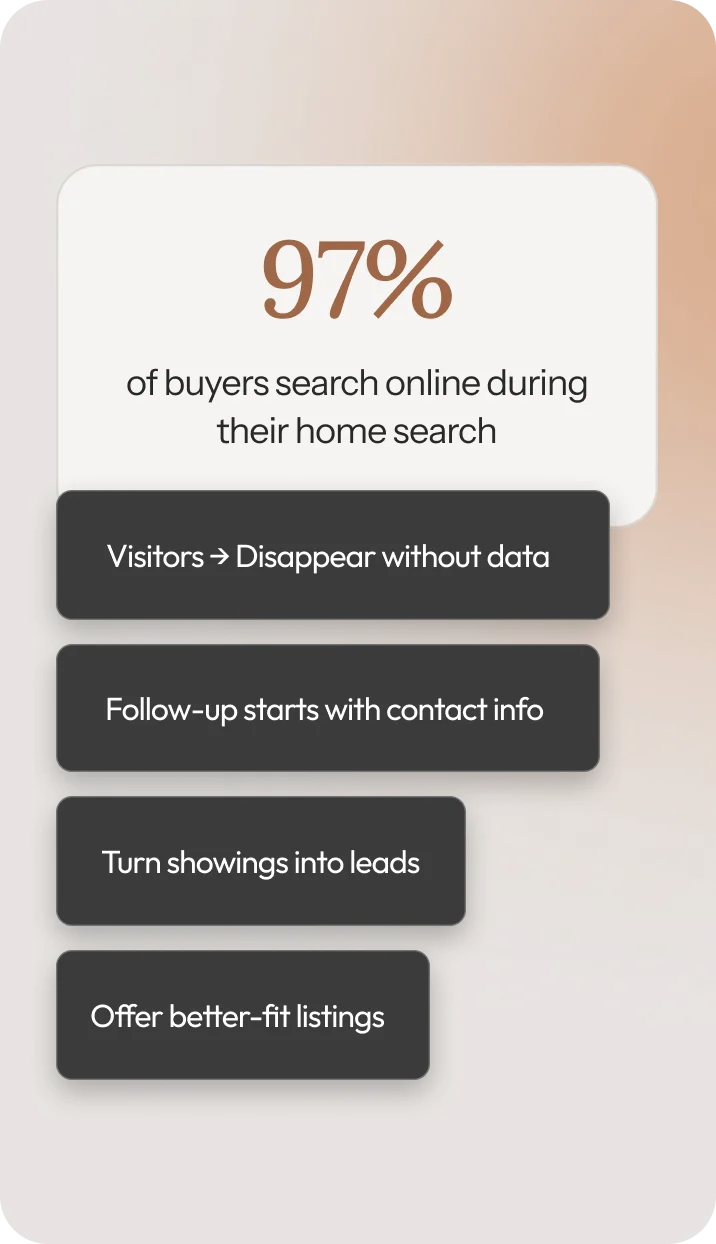
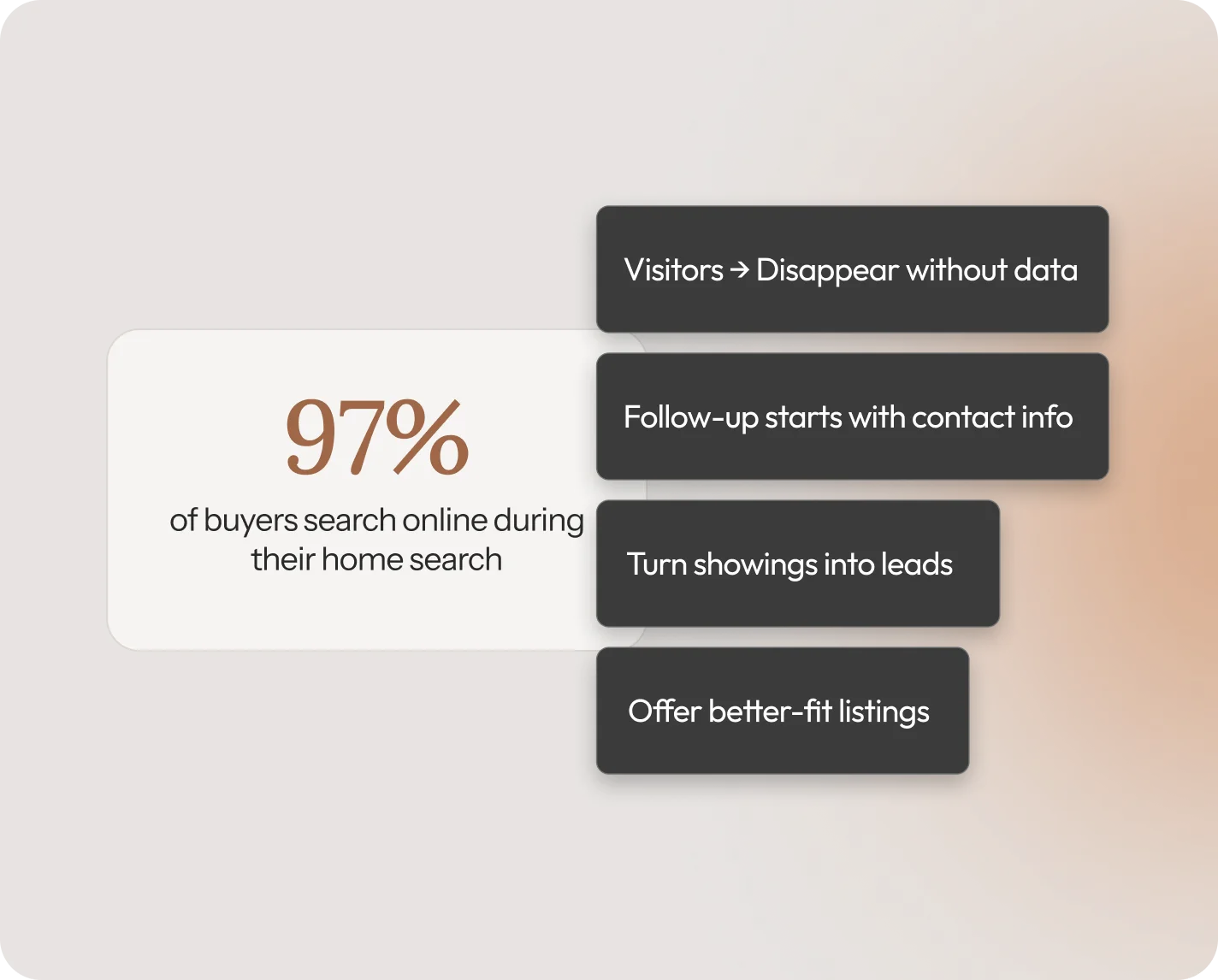
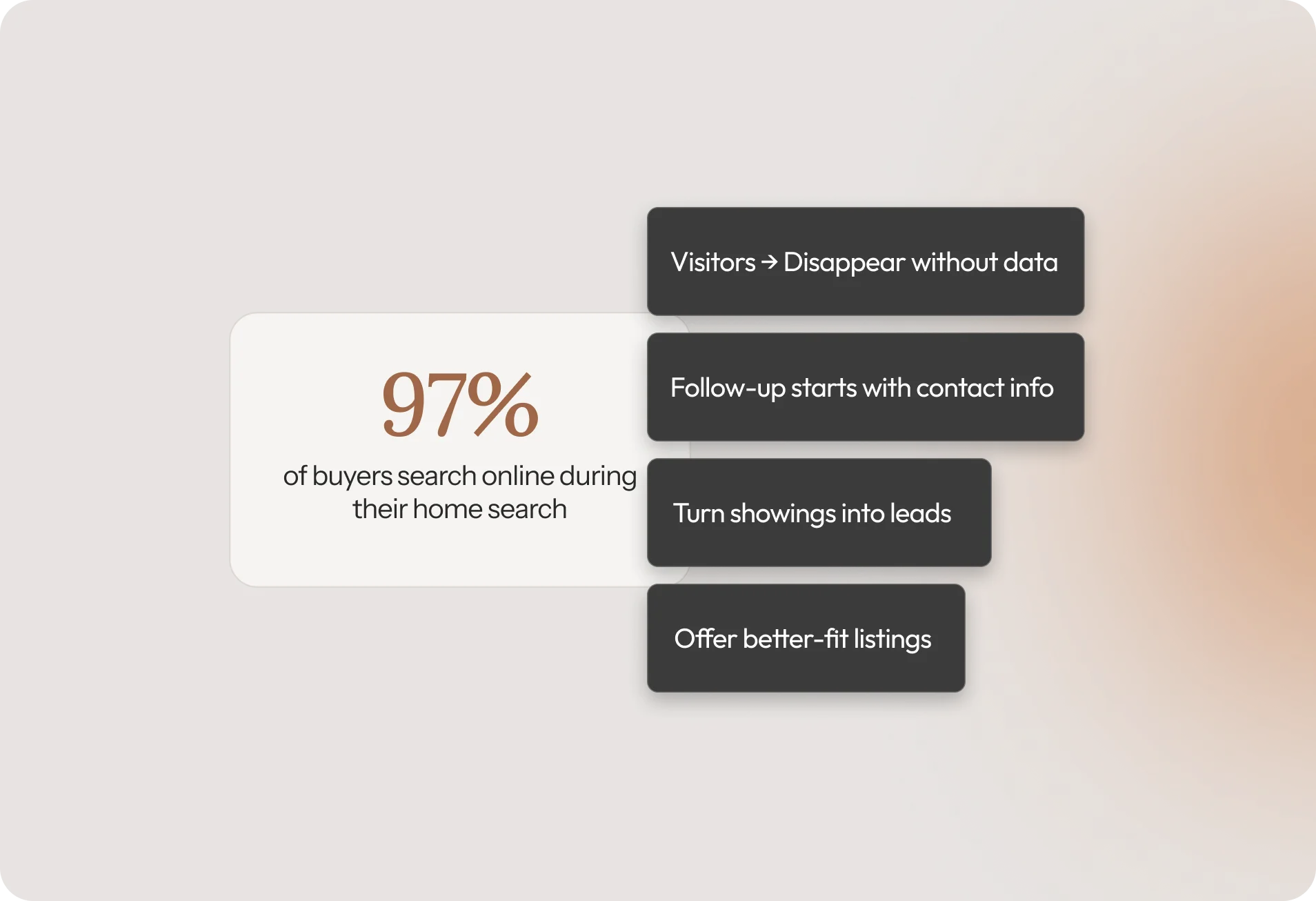
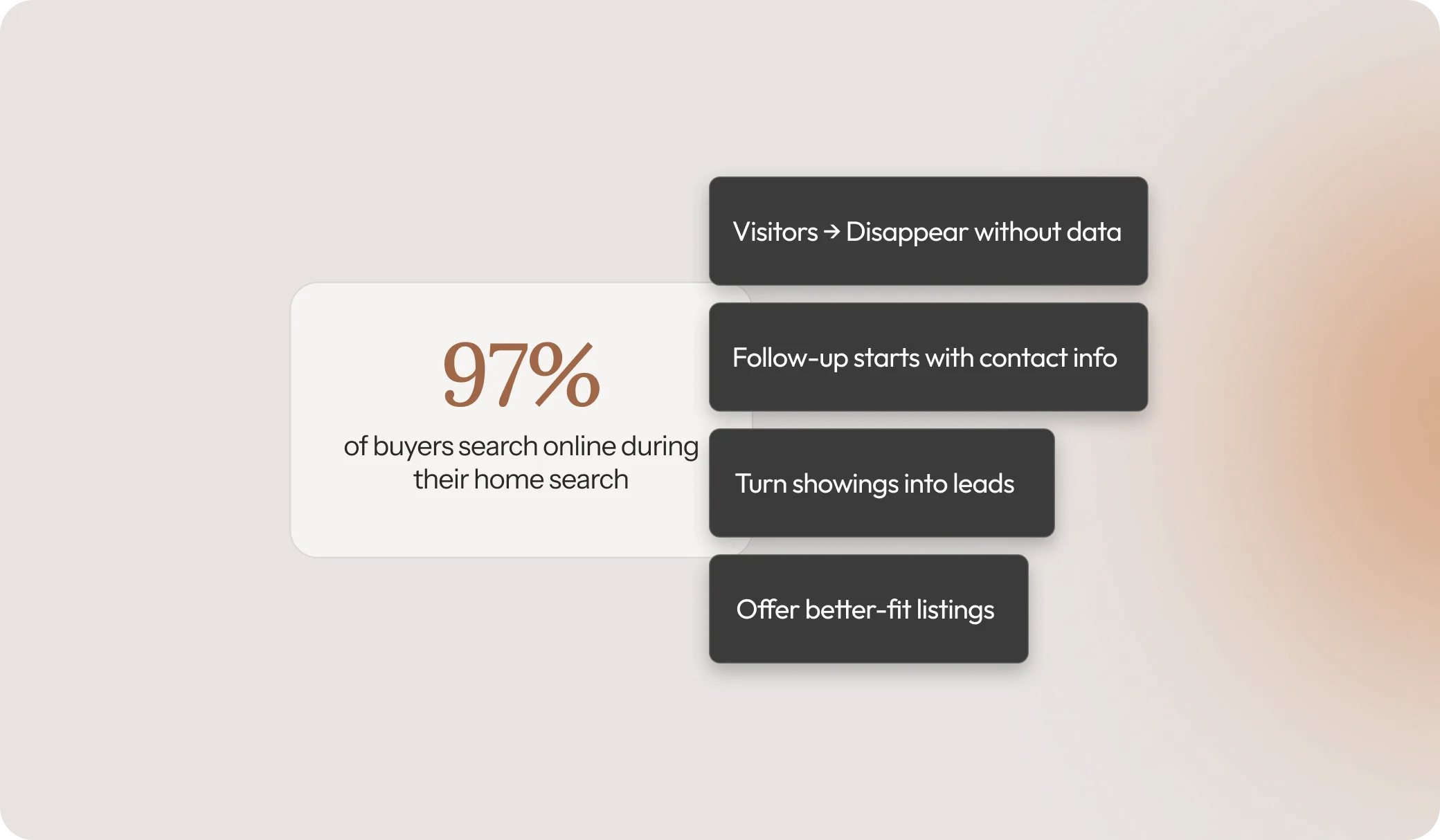
According to the Real Estate in a Digital Age report from the National Association of Realtors, 97% of home buyers use the internet during their search. That means the person walking through your open house has likely viewed dozens of listings online. Your job is to capture their contact information so you can stay connected as they narrow their choices.
With sign-in data, you can follow up with every visitor, offer other properties that might fit better, and build the kind of relationship that converts them into a client.
The sign-in sheet transforms a passive showing into an active lead generation opportunity.
2. What Information to Collect
The tension with any sign-in process is completeness versus friction. Ask for too much, and visitors skip it or provide fake information. Ask for too little, and you lack the context needed for effective follow-up.
Essential Fields
Every open house sign in sheet should capture:
Name — First and last. You need to know who you're following up with.
Phone number — The most effective channel for follow-up. Text messages have significantly higher response rates than email.
Email address — For longer-term nurturing, market updates, and listing alerts.
These three fields are non-negotiable. If a visitor provides nothing else, you can still follow up effectively.
Optional Fields Worth Including
Depending on your approach, consider adding:
Are you working with an agent? — This helps you prioritize follow-up and avoid awkward conversations with someone already represented. It's also professional courtesy — the NAR Code of Ethics prohibits interfering with another agent's client relationships
Buying timeline — "Actively looking," "3-6 months," "Researching" helps you segment follow-up urgency.
Property type/location preferences — Useful if you want to match visitors with other listings.
How did you hear about this open house? — Helps you understand which promotional channels are working.
What to Avoid
Skip questions that feel invasive or irrelevant:
- Detailed budget questions (too personal for initial contact)
- Mortgage pre-approval status (feels like a qualification test)
- Current address (unnecessary and raises privacy concerns)
- Lengthy questionnaires (visitors will skip or abandon)
3. Digital vs. Paper Sign-In
The format of your sign-in system affects completion rates, data quality, and follow-up efficiency.
Paper Sign-In Sheets
Advantages:
- No technology required
- Works regardless of Wi-Fi or battery issues
- Familiar format for all demographics
Disadvantages:
- Digital capture ensures every lead is readable and complete.
- Manual data entry required after the event
- Digital sign-in encourages complete, accurate field entries every time.
- Digital sign-in includes built-in validation to ensure contact details are accurate.
Paper works well as a backup, while digital sign-in serves as the stronger primary option for clean, complete lead data.
Digital Sign-In
Advantages:
- Legible, accurate data every time
- Required fields ensure completeness
- Instant sync to your CRM or follow-up system
- Email/phone validation catches typos
- Faster sign-in process for visitors
Disadvantages:
- Requires device (tablet or visitors' phones via QR code)
- Depends on internet connectivity
- Some older visitors may be less comfortable
For most open houses, digital sign-in is the better choice. Apps like Curb Hero, Spacio, or Open Home Pro let visitors scan a QR code and enter their information on their own phones — eliminating the shared tablet concern and speeding up the process.
Hybrid Approach
The safest strategy combines both methods. Set up digital sign-in as your primary system, but keep printed sheets available as backup. If the Wi-Fi fails or a visitor prefers paper, you're covered.
4. Setting Up Your Sign-In Station
Placement and presentation are powerful levers that directly affect completion rates.
Position Strategically
Position your sign-in station where visitors naturally see it right away. Position it where visitors naturally pause — near the entry, by refreshments, or in the main living area. The goal is making sign-in feel like part of the experience rather than an obstacle.
For digital sign-in via QR code, display the code prominently on a stand or frame. Include brief instructions: "Scan to sign in and receive property details."
Your sign-in station reflects your brand. A clean, well-presented sign-in station signals professionalism and attention to detail. A clean tablet on a stand with your branding signals professional.
For paper sign-in, use high-quality printed sheets with your logo and contact information. For digital, ensure your sign-in app is customized with your branding.
Provide an Incentive
Give visitors a reason to sign in beyond obligation. Options include:
- "Sign in to receive the full property details and neighborhood report"
- "Enter for a chance to win a gift card to [local restaurant]"
- "Get notified when similar properties hit the market"
Frame sign-in as a benefit to them, not a requirement from you.
5. Following Up After the Open House
Capturing information means nothing without follow-up. The leads you collect are time-sensitive — prompt follow-up keeps the property and your name top of mind.
Follow Up Within 24 Hours
Send a personalized message the day after the open house. Reference the property and your conversation if possible.
Example: "Hi Sarah, great meeting you at the open house on Maple Street yesterday. You mentioned looking for a larger backyard — I wanted to share a few listings that might work. Would you like me to send them over?"
For visitors you didn't speak with directly: "Thanks for stopping by the open house at [address]. I'd love to hear your thoughts on the property. If you're still searching, I'm happy to help — let me know if you'd like to see similar homes in the area."
Segment Your Follow-Up
Not everyone deserves the same follow-up sequence. Prioritize:
1. Hot leads — Expressed strong interest, asked detailed questions, already pre-approved
2. Warm leads — Actively looking but not urgent, or interested but already working with another agent
3. Cold leads — Casual browsers, long timeline, or neighbors curious about pricing
Hot leads get phone calls. Warm leads get emails with relevant listings. Cold leads go into your long-term nurture sequence.
Connect Sign-In to Your Broader Marketing
Your open house sign-in captures contact information. Your broader marketing system keeps those leads engaged over time.
Visitors who sign in should receive:
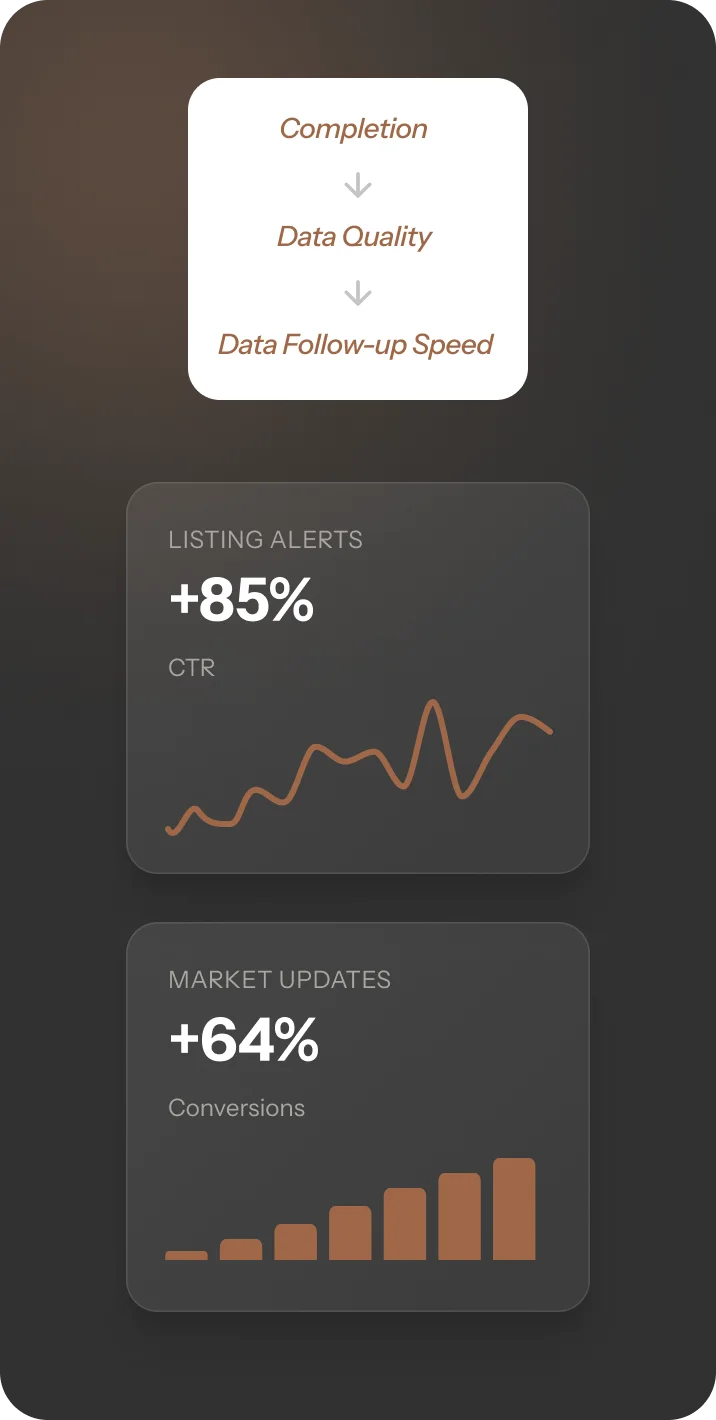
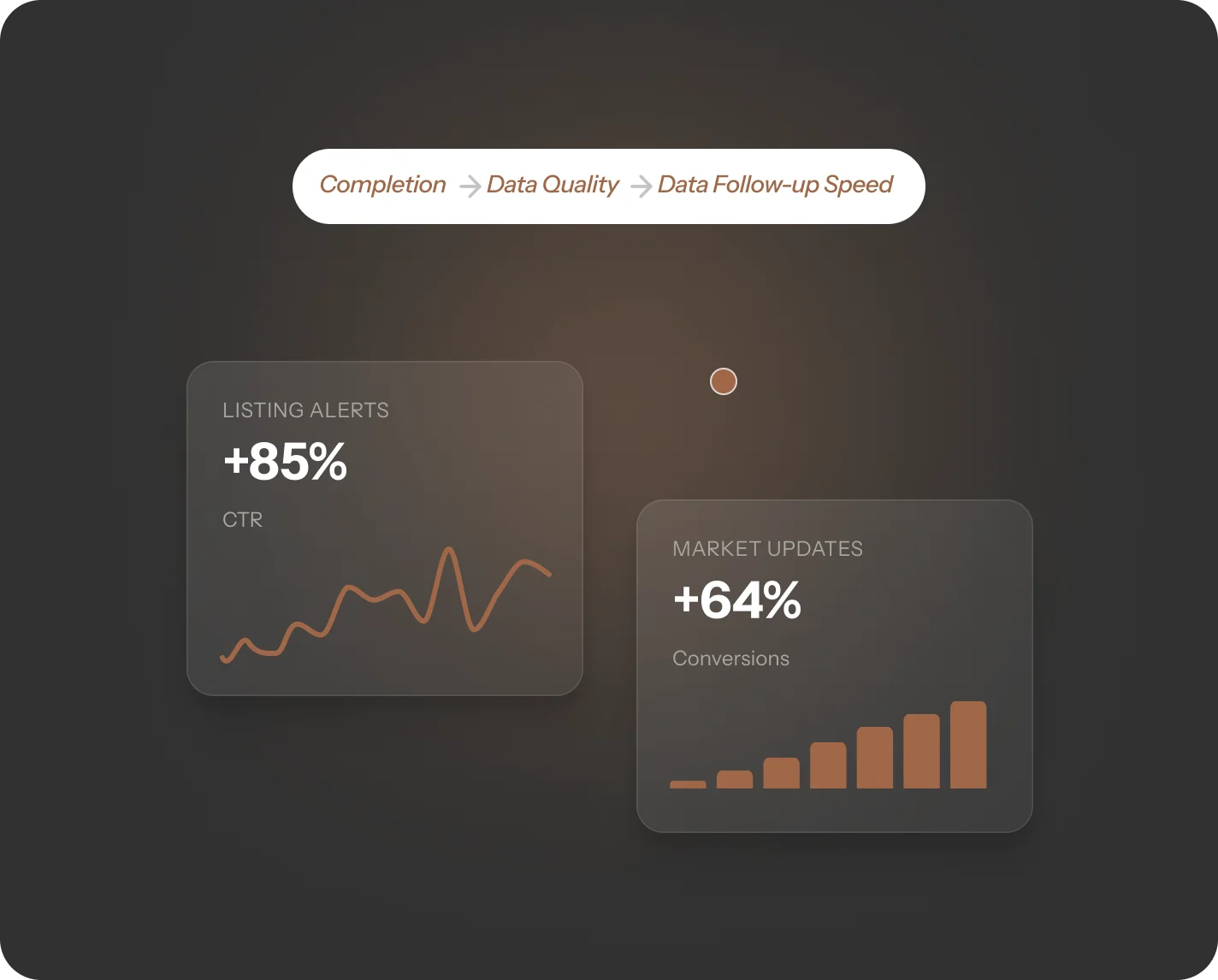
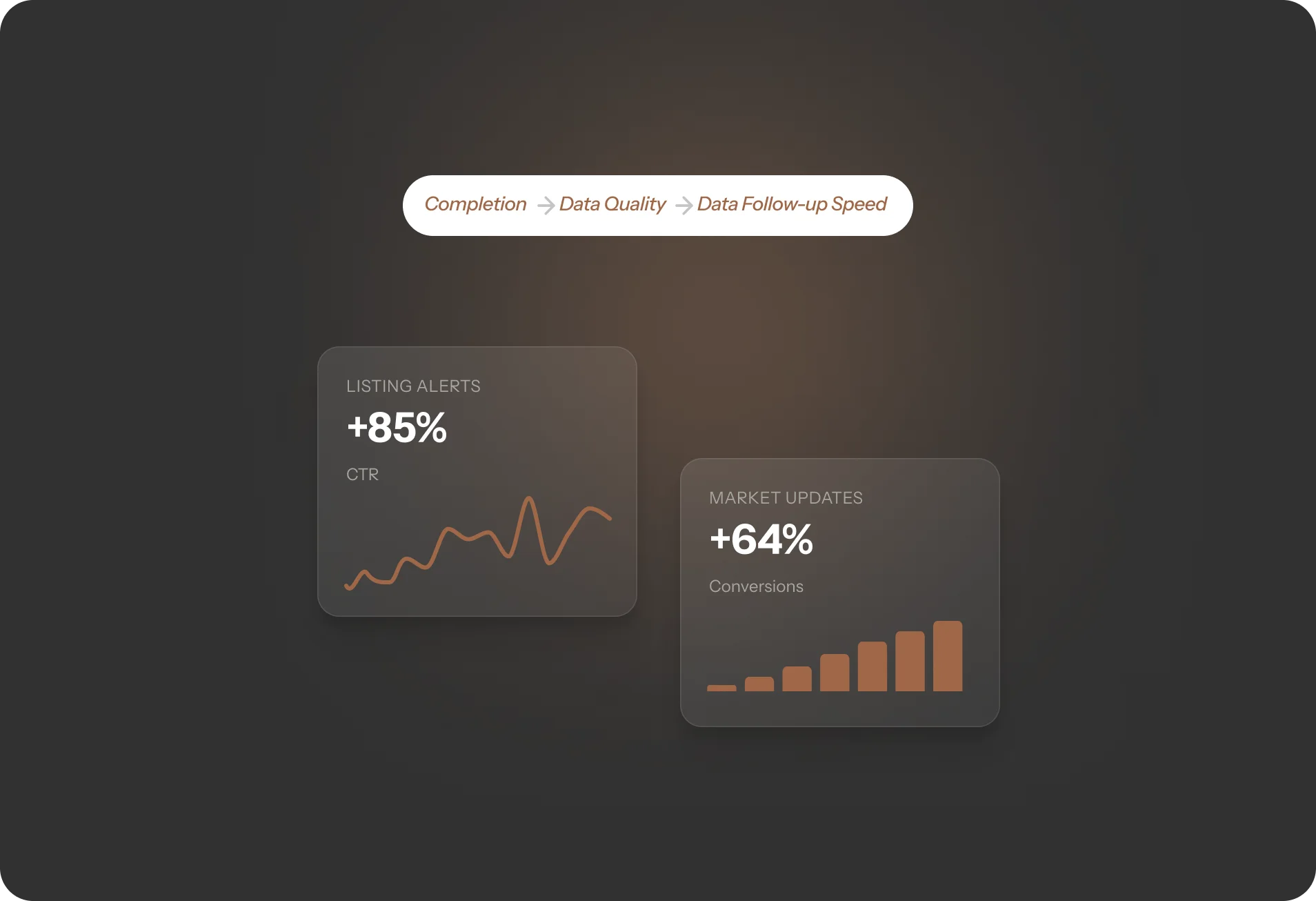
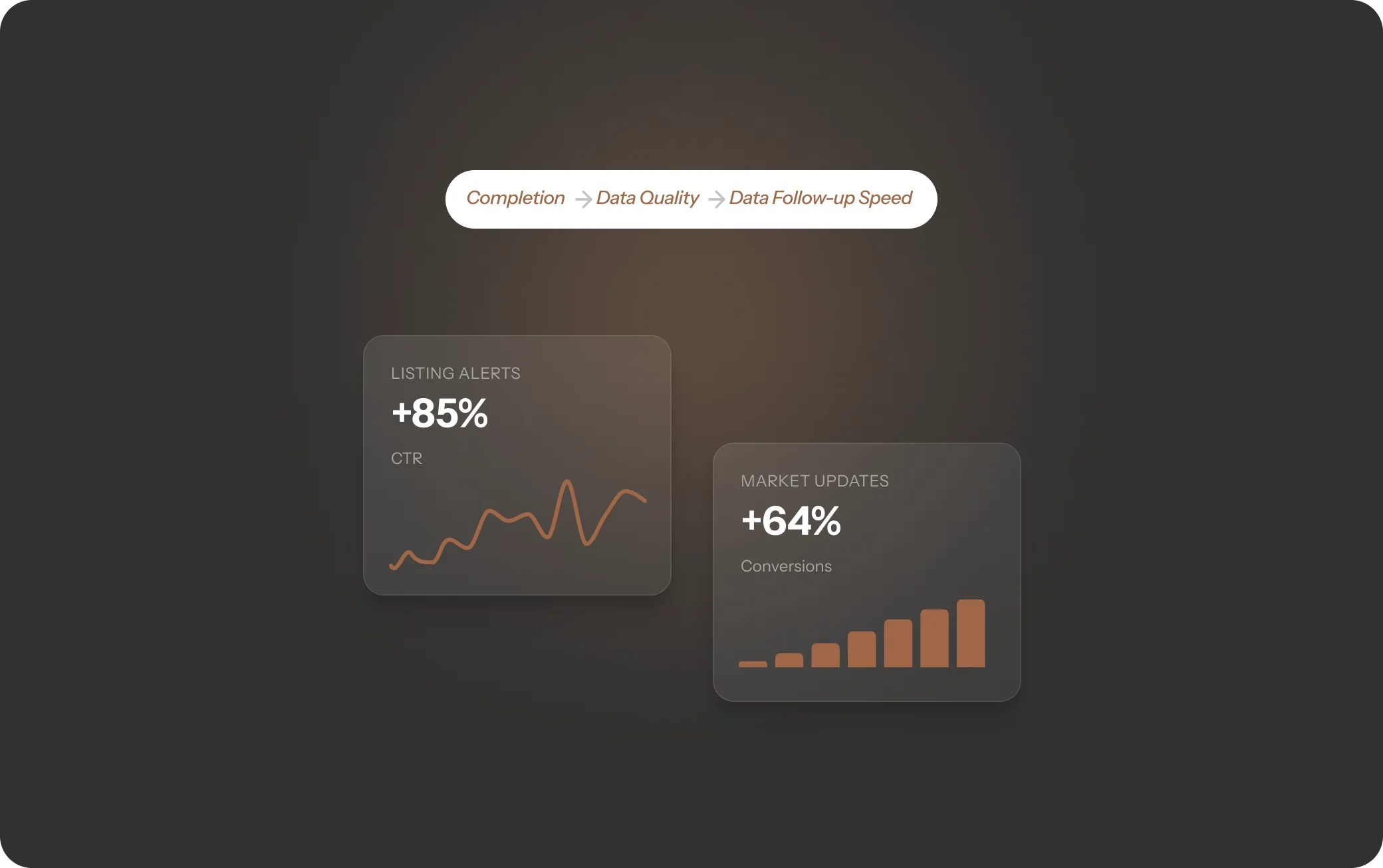
- Listing alerts matching their preferences
- Market updates for their target area
- Your regular content (if you have a newsletter or social presence)
If you're maintaining an active online presence — through tools like Trolto that generate daily branded content and property marketing automatically — your open house leads see consistent touchpoints that reinforce your expertise between in-person interactions.
6. Common Sign-In Mistakes to Avoid
Placing sign-in at the exit — By then, visitors are mentally checked out. Capture information at entry when engagement is highest.
Not asking if they have an agent — Being mindful and professional when reaching out to someone who's already represented helps maintain positive relationships and uphold ethical standards.
Failing to follow up — Collecting contact information works best when paired with timely follow-up. Having a sign-in process shows buyers you're organized and ready to stay in touch after the open house.
Accepting incomplete entries — If someone writes down only their first name, politely ask for the rest. One chance to capture information is all you get.
Ignoring data privacy — Let visitors know how you'll use their information. A brief note like "We'll follow up about this property and similar listings — unsubscribe anytime" builds trust and keeps you compliant with communication regulations.
FAQ
Should I require sign-in to enter the open house?
This depends on the market and property. For luxury properties, sign-in is often expected as a security measure. For typical residential homes, requiring sign-in can feel aggressive and turn off casual visitors. A softer approach — positioning sign-in as access to additional information — typically performs better.
What if someone refuses to sign in?
Don't push. Some visitors are private, and forcing the issue creates a negative impression. Let them browse, engage naturally during the showing, and see if they warm up. You can always offer your card and invite them to reach out.
How do I handle illegible handwriting on paper sign-ins?
Review your sign-in sheet before visitors leave. If you can't read an entry, politely ask them to clarify while they're still present. This is another reason digital sign-in is preferable — it eliminates the problem entirely.
Build a System That Works
Your open house sign in sheet is one piece of a larger lead generation system. Capturing information matters, but so does what happens before and after — how you promote the open house, the experience visitors have, and how consistently you follow up.
Agents who treat open houses as marketing events rather than passive showings generate significantly more leads. That means professional promotion, seamless sign-in, and ongoing engagement through every channel.
If staying visible between open houses feels overwhelming, tools like Trolto can help — generating daily branded content, cinematic listing videos, and property websites automatically so your leads see consistent, professional marketing without the daily time investment.
See how Trolto works