.webp)
Branding
How to Write a Real Estate Bio That Actually Wins Clients
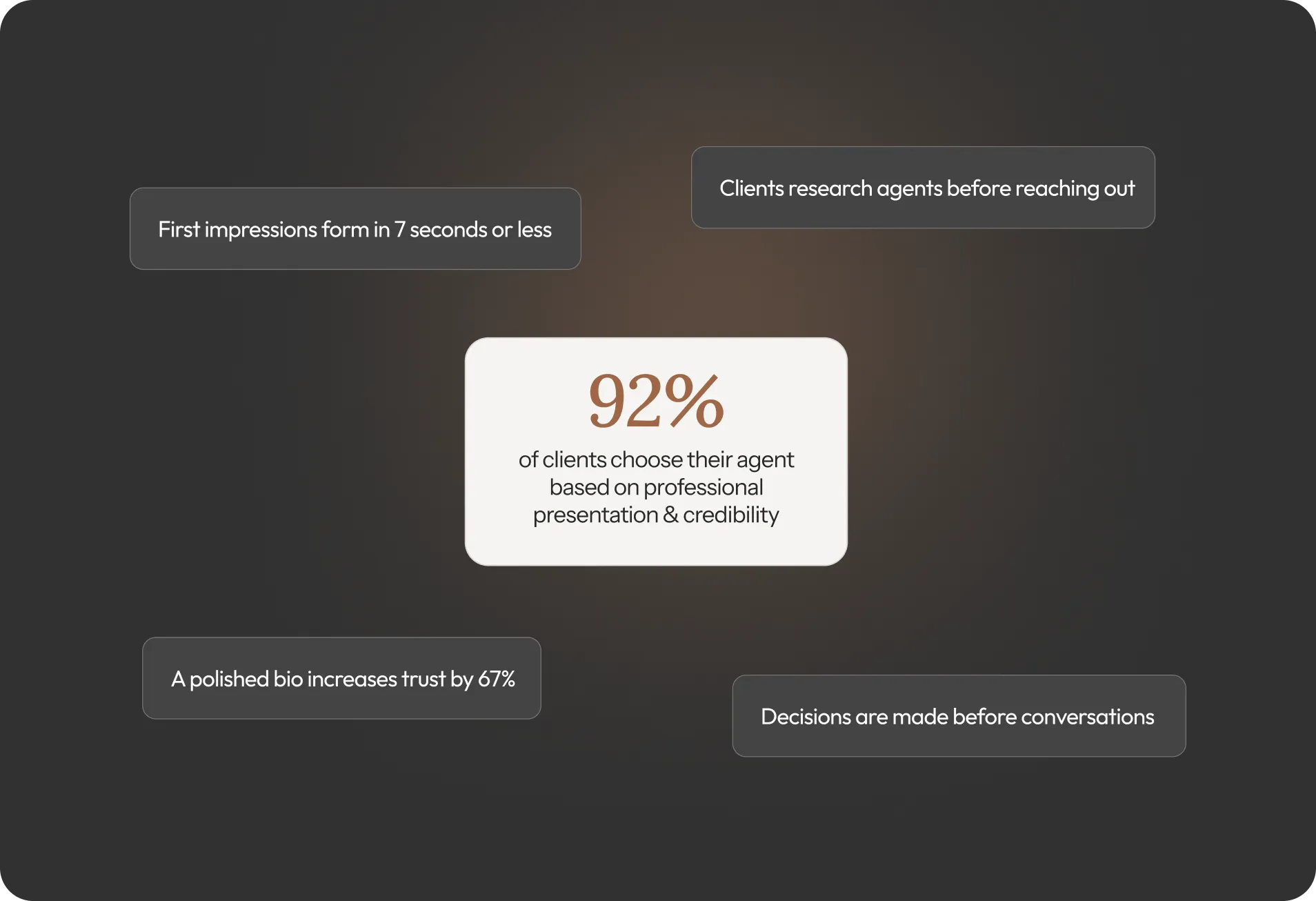
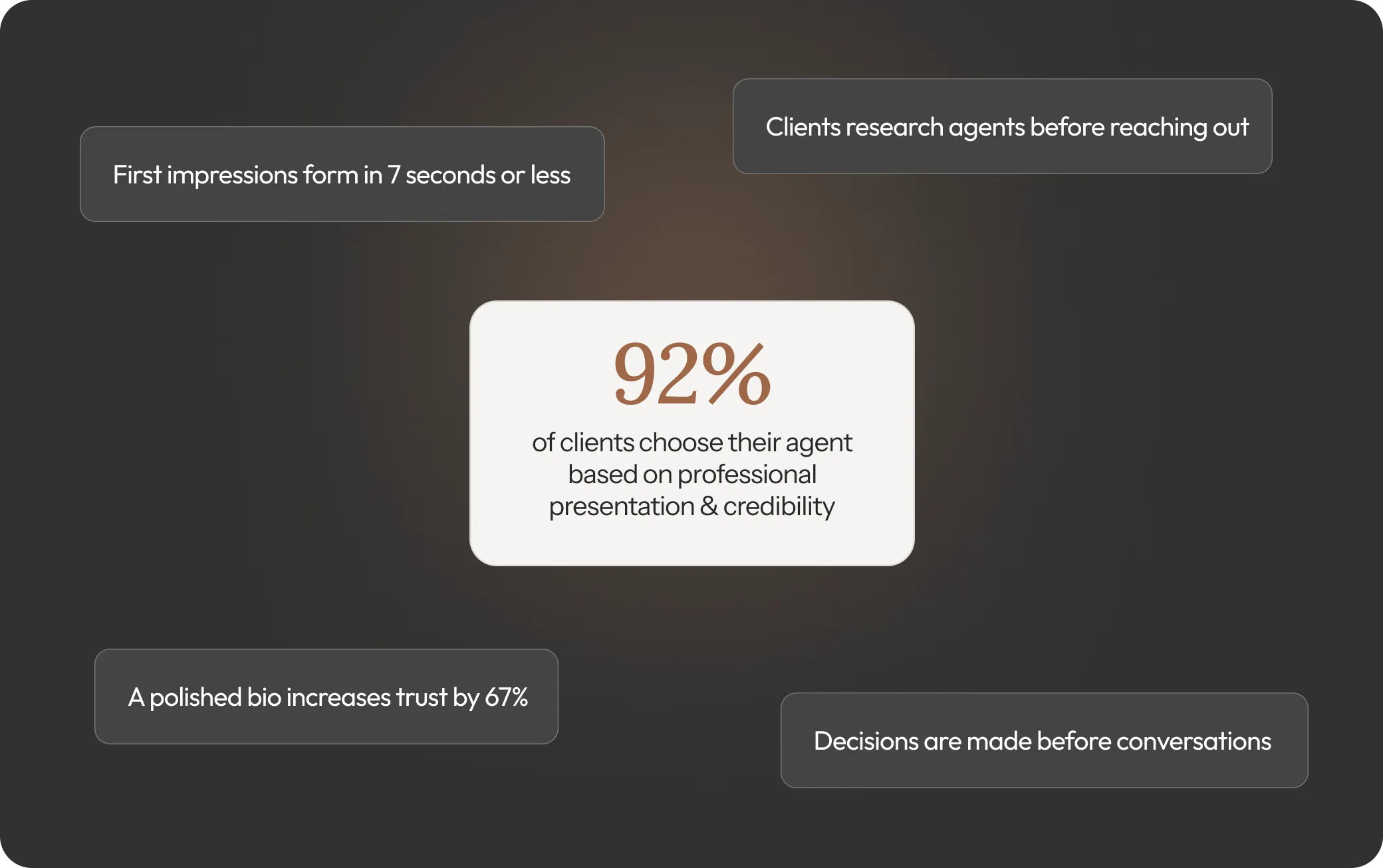
Your real estate bio is doing more work than you think. Before a seller invites you to their home or a buyer schedules a showing, they've already Googled you. Your bio is often the first thing they read — and it shapes whether they reach out or move on to the next agent.
Most agent bios fail because they read like resumes. Lists of credentials, years of experience, generic promises about "dedication" and "passion." Clients don't care about your career history. They care about whether you can help them — and whether they'll enjoy working with you.
This guide breaks down how to write a real estate bio that connects with clients, builds trust, and actually generates business.

February 7, 2026

6 min read
Share


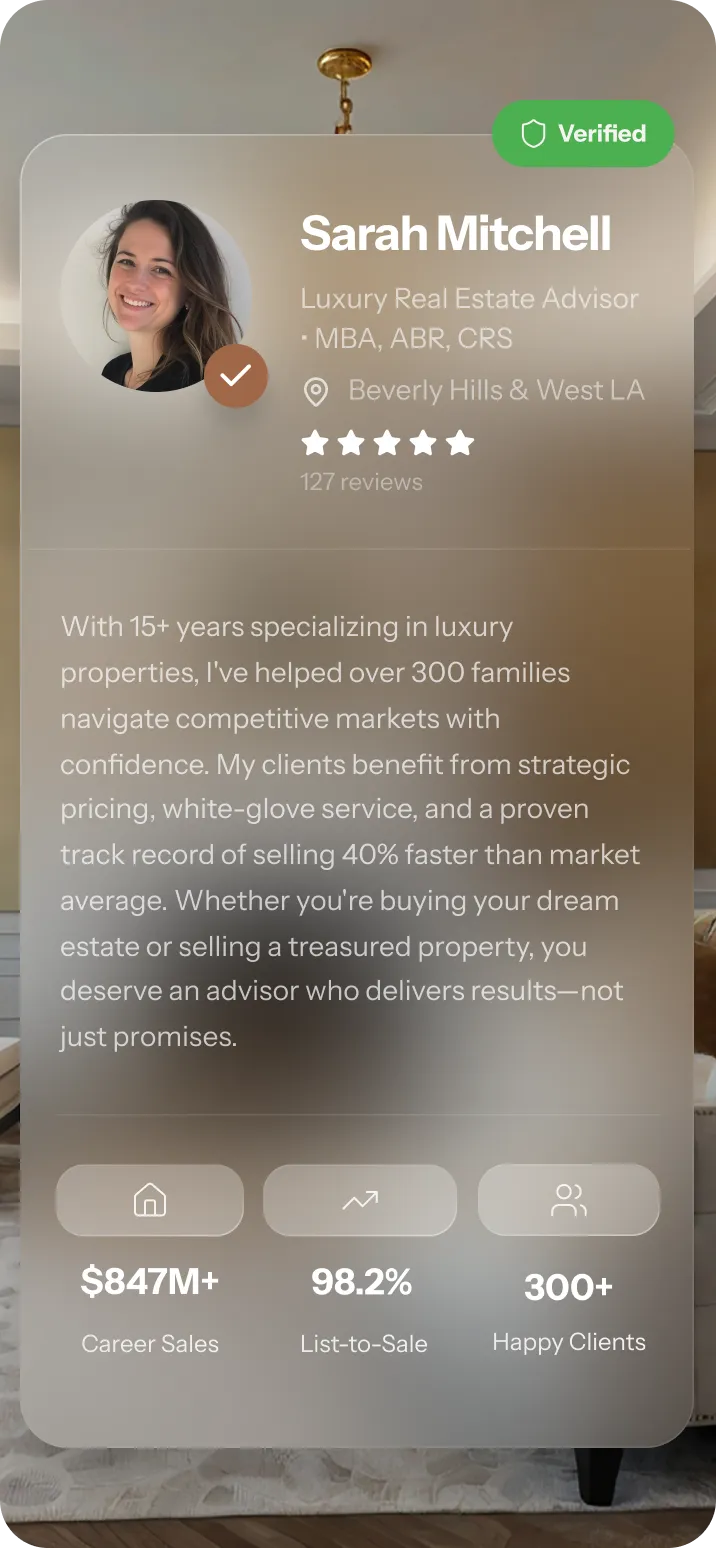
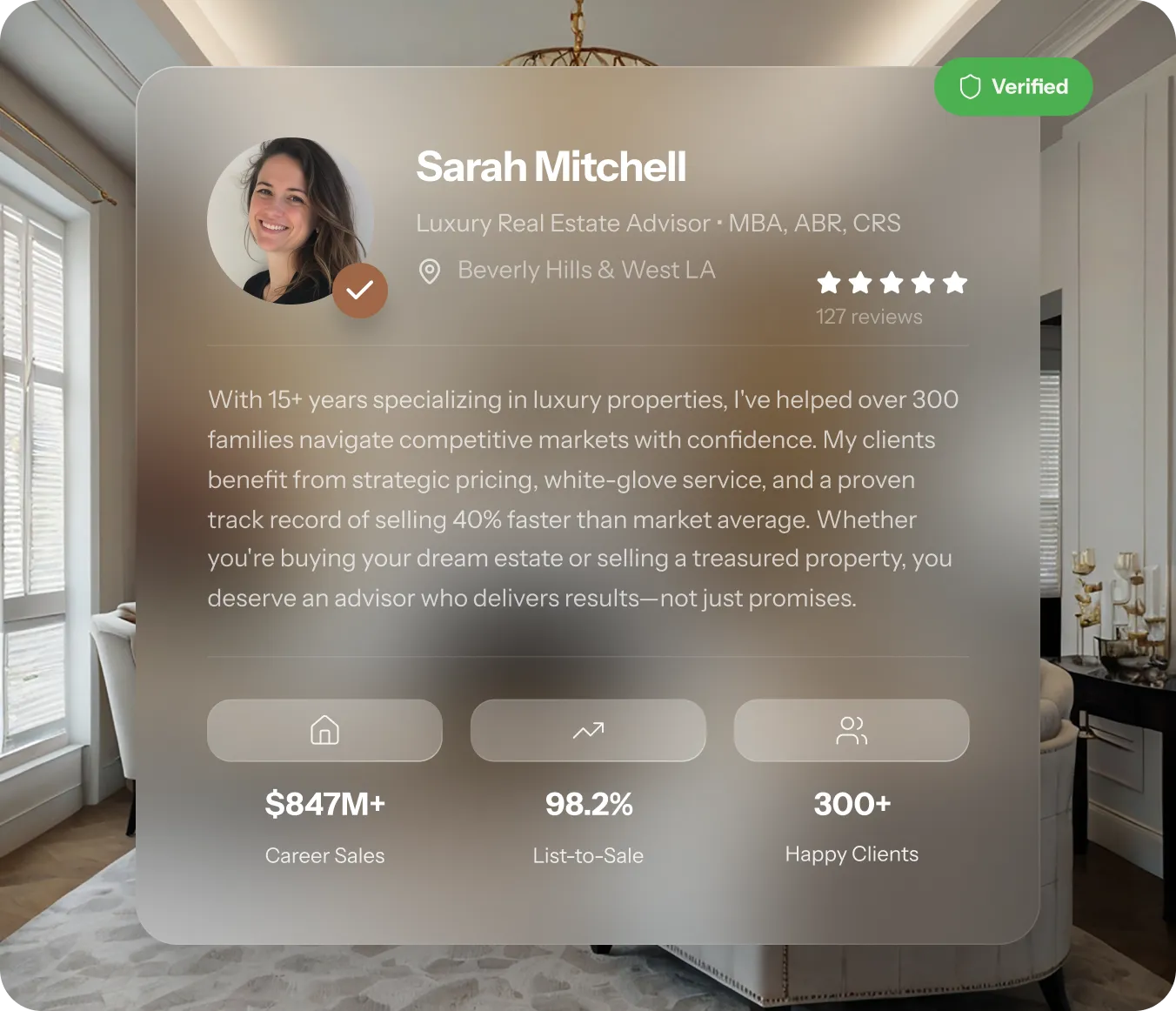
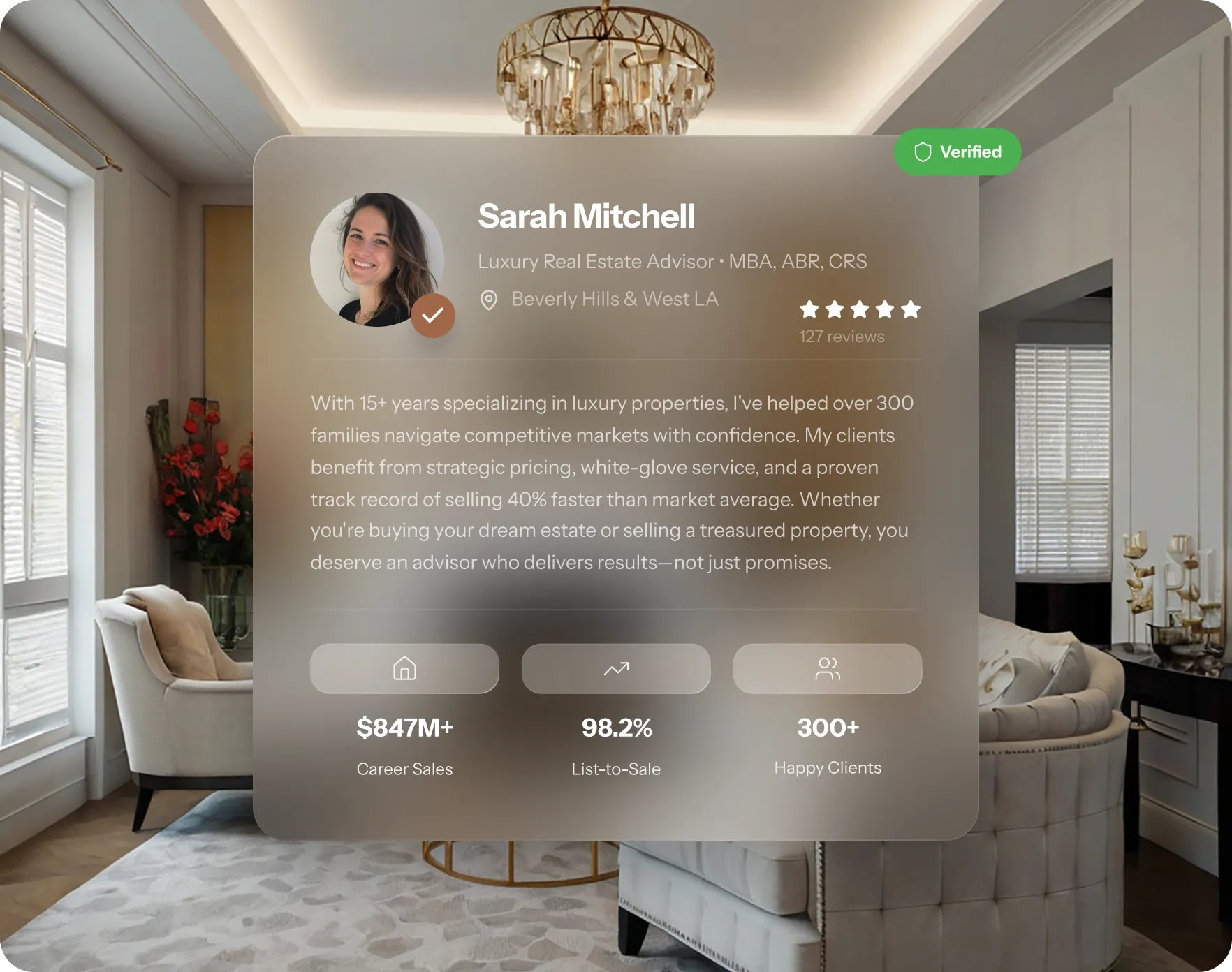
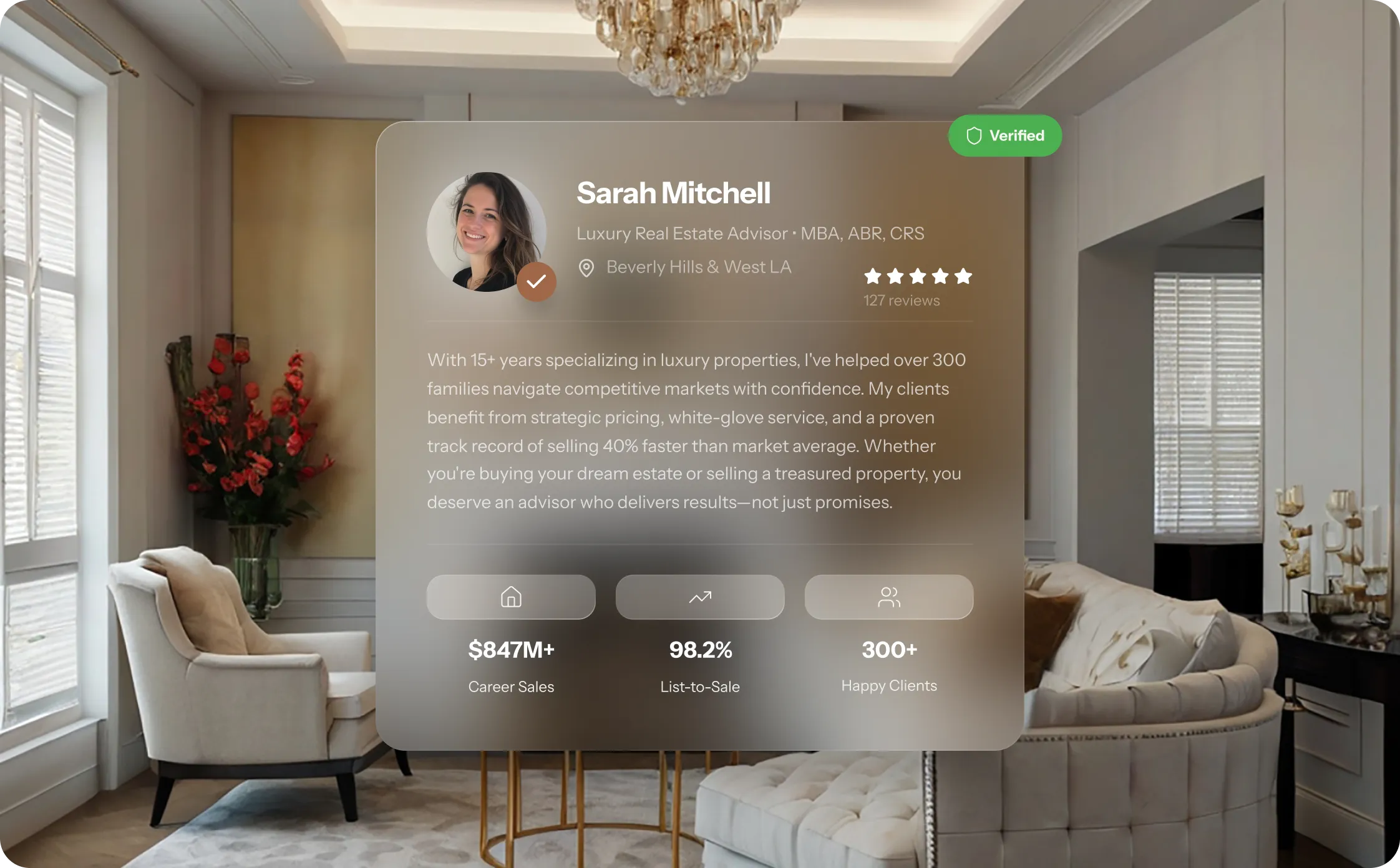
What We'll Explore
1. Why Your Real Estate Bio Matters More Than You Think
2. The Anatomy of a Strong Agent Bio
•
Lead With What Matters to Clients
•
Establish Local Expertise
•
Include Credentials That Matter
•
Show Personality (Strategically)
•
End With a Clear Call to Action
3. Writing Your Real Estate Bio: Step by Step
4. Adapting Your Bio for Different Platforms
5. Common Real Estate Bio Mistakes to Avoid
6. Your Bio Is Just the Beginning
1. Why Your Real Estate Bio Matters More Than You Think
According to the National Association of Realtors, buyers rank experience as the most important factor when choosing an agent, followed by honesty and trustworthiness. Your bio is where you demonstrate both — before you ever meet in person.
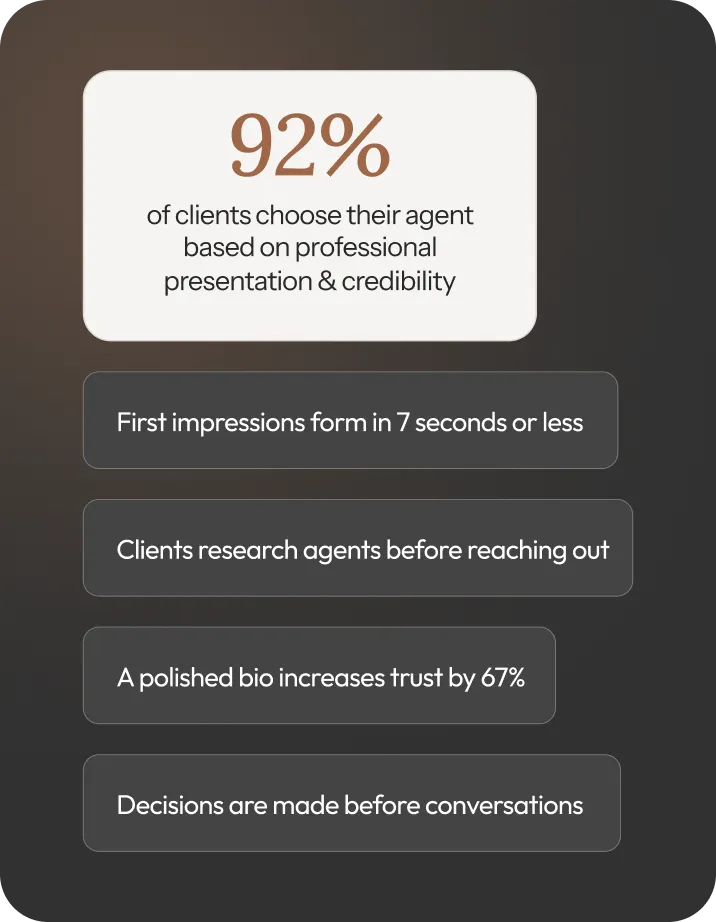
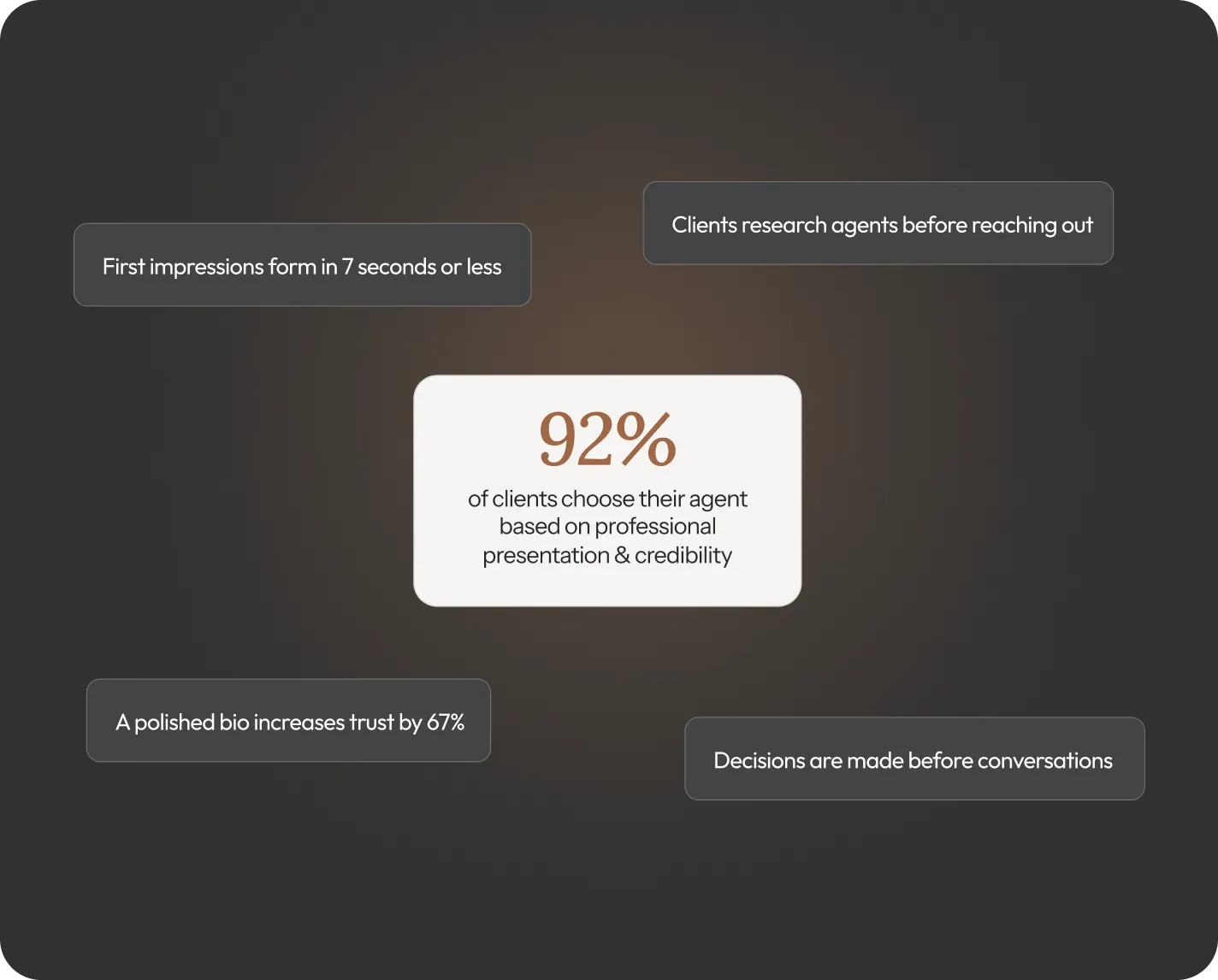
Think about how clients find you. They get a referral, see your name on a sign, or find you through a Google search. Their next step is almost always research. They check your website, your Zillow profile, your social media. Your bio appears everywhere.
A strong bio doesn't just describe what you do. It answers the client's real question: "Is this the right person to help me?"
2. The Anatomy of a Strong Agent Bio
Effective bios share common elements. Understanding these components makes writing yours much easier.
Lead With What Matters to Clients
The strongest bios open with what you can do for clients — your specialty, your market, your results. Lead with value, and your timeline becomes supporting context rather than the headline.
Start with your specialty, your market, or a specific result. Give readers a reason to keep reading.
Weak opening: "John Smith brings a genuine commitment to every client relationship, with a track record built on helping people achieve their real estate goals."
Strong opening: "Specializing in downtown condos and urban relocations, John Smith has helped over 200 buyers find homes in the city's most competitive neighborhoods."
The second version immediately tells the reader who John helps and what he's accomplished. It's specific. It's relevant. It earns the next sentence.
Establish Local Expertise
Real estate is local. Clients want an agent who knows their specific market — the neighborhoods, the pricing trends, the best streets, the hidden inventory.
Your bio should make clear that you're not just an agent, but the agent for a specific area or property type. Name the neighborhoods you serve. Reference local knowledge that only someone embedded in the community would have.
This is especially important for luxury markets, where clients expect hyperlocal expertise and discretion.
Include Credentials That Matter
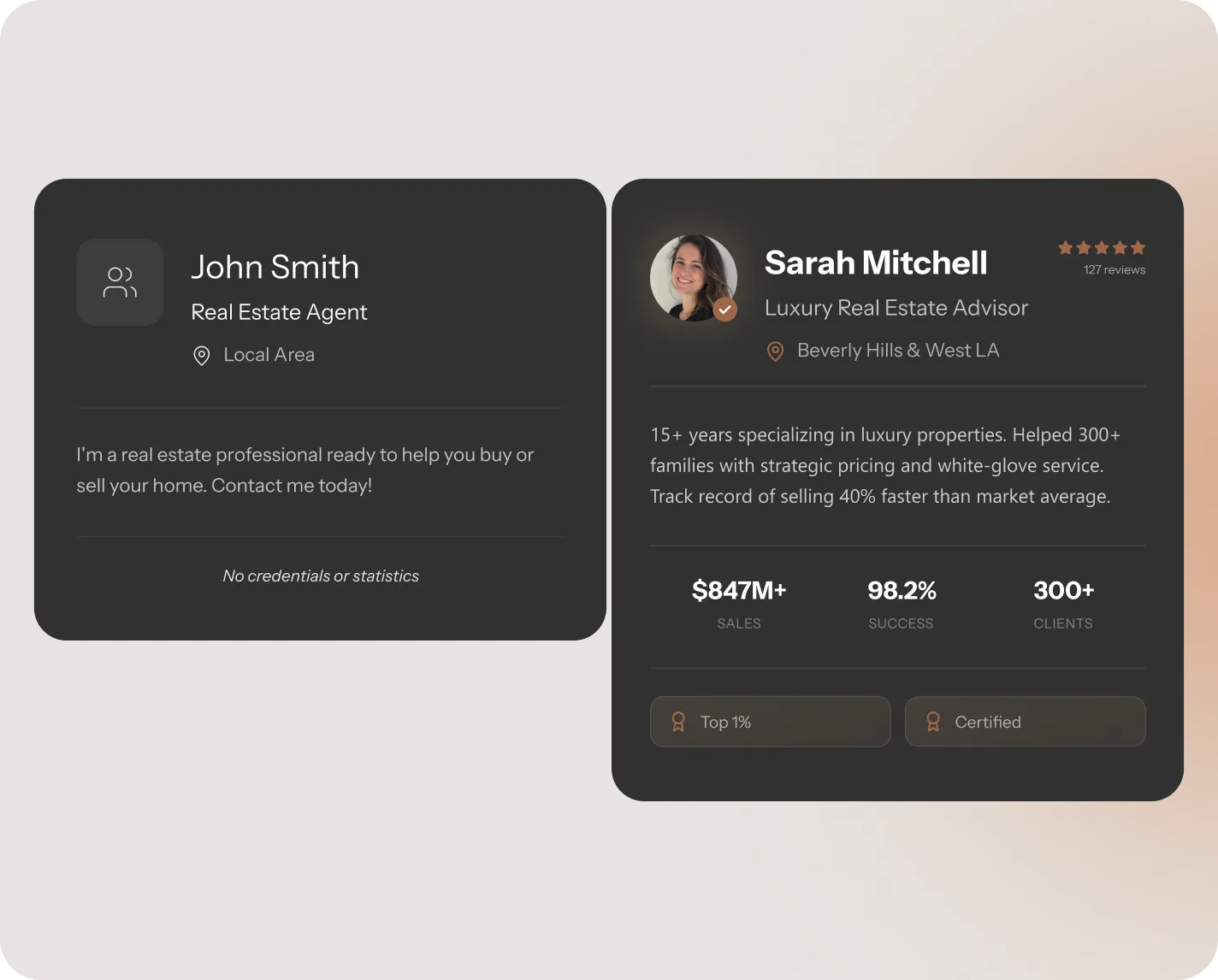
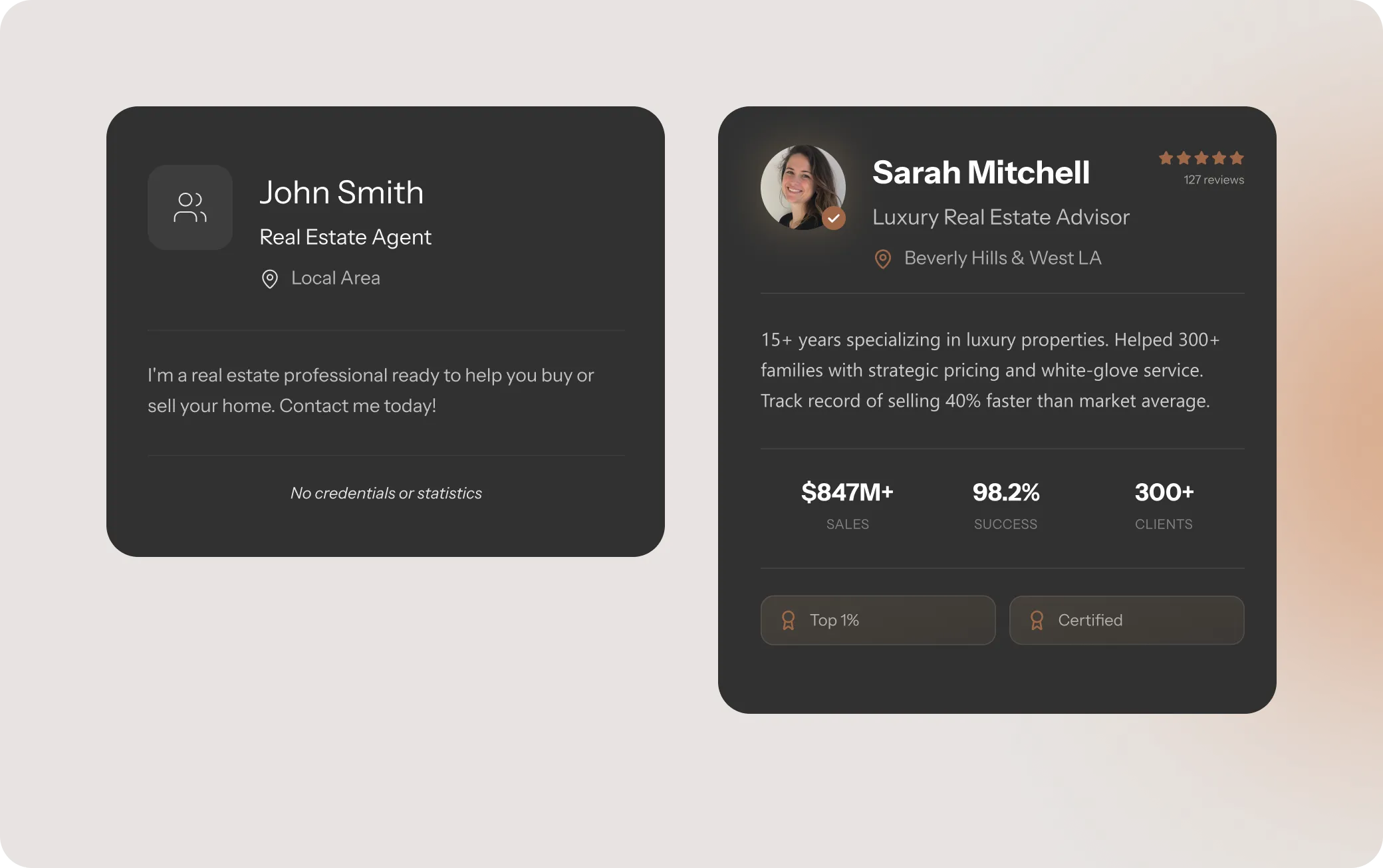
Choose the designations and achievements that speak directly to your target client — the ones that show you have exactly the expertise they need.
For luxury agents, credentials like Certified Luxury Home Marketing Specialist (CLHMS) or membership in exclusive networks signal that you operate at a certain level. For agents focused on first-time buyers, a designation like Accredited Buyer's Representative (ABR) shows specialized training.
Awards and rankings add real credibility when they reflect meaningful scale — regional, national, or volume-based recognition signals to clients that you perform at a high level.


Show Personality (Strategically)
Your bio should feel warm and approachable — clients want to work with someone they connect with, someone who feels like a real person.
Include a line or two about your life outside real estate. Maybe you're a third-generation local, a former architect, or a parent who coaches youth soccer. These details humanize you and create connection points.
The key is relevance. A sentence about your family shows you're relatable. Keeping personal details to a sentence or two lets your professional message stay front and center.
End With a Clear Call to Action
After reading your bio, the client should know exactly what to do next. A clear, direct prompt makes it easy for interested clients to take the next step.
Include your phone number, email, and a simple prompt: "Ready to discuss your next move? Call or text anytime." Make it easy for them to reach you.
3. Writing Your Real Estate Bio: Step by Step
Here's a practical framework for writing your bio from scratch.
Step 1: Define your audience. Who is your ideal client? First-time buyers? Luxury sellers? Relocating executives? Write specifically for them.
Step 2: Lead with your specialty. Open with what you do and who you serve. Be specific about location and property type.
Step 3: Add proof. Include one or two credentials, awards, or statistics that demonstrate your track record. Numbers are more convincing than adjectives.
Step 4: Show local expertise. Reference specific neighborhoods, market knowledge, or community involvement that proves you know the area.
Step 5: Add a personal touch. One or two sentences about your background or life outside work. Keep it brief.
Step 6: Close with a CTA. Tell readers how to reach you and invite them to take the next step.
Step 7: Edit ruthlessly. Cut anything that doesn't serve the reader. Aim for 150-200 words for most platforms.
4. Adapting Your Bio for Different Platforms
Your full bio won't fit everywhere. You need multiple versions optimized for different contexts.
Website bio (150-300 words): Your most complete version. Include specialty, credentials, local expertise, personality, and contact information.
Zillow/Realtor.com (100-150 words): Tighter version focused on specialty, credentials, and a clear CTA. These platforms have character limits and readers scanning quickly.
Social media (50-75 words): Ultra-short version. Lead with your specialty and location, add one memorable detail, include contact info.
Email signature (20-30 words): Name, title, specialty, phone number. That's it.
The core message stays consistent across platforms — only the length changes.
5. Common Real Estate Bio Mistakes to Avoid
Starting with your name.Open with your specialty or a standout result — give readers a compelling reason to keep going from the very first line.
Being too generic.Concrete language — your niche, your numbers, your neighborhoods — tells clients far more than general descriptors ever could.
Listing every credential.Every line earns its place when it speaks directly to what your ideal client cares about most.
Forgetting the CTA.A clear phone number, email, and simple prompt gives motivated clients an easy path to connect with you. bother to look.
Writing in third person when first person fits better. Third person ("John Smith specializes in...") works for formal contexts. First person ("I specialize in...") feels more personal and works well for social media and casual platforms.
6. Your Bio Is Just the Beginning
A strong real estate bio gets clients interested. But interest alone doesn't close deals — you need to back it up with a professional presence across every touchpoint.
When a potential client clicks through to your listings, your social media, or your property websites, they should see the same level of polish and expertise your bio promised. Consistency builds trust.
This is where having systems in place matters. Tools like Trolto help you maintain a professional presence without the constant time investment — automatically generating daily branded content for social media, creating luxury property websites for every listing, and producing cinematic videos from your listing photos. Your bio makes the first impression; your marketing reinforces it.
FAQ
How long should a real estate bio be?
For most platforms, 150-200 words is ideal. Website bios can extend to 300 words if the content is valuable. Social media bios should be 50-75 words. The key is saying only what matters — cut anything that doesn't serve the reader.
Should I write my real estate bio in first or third person?
Both work, depending on context. Third person ("Jane Doe specializes in...") feels more formal and works well for brokerage websites and professional directories. First person ("I specialize in...") feels warmer and works better for social media and personal websites.
What if I'm a new agent with no sales history?
Focus on your local expertise, your background before real estate, and your commitment to service. If you have relevant experience from another career (sales, marketing, finance, law), highlight transferable skills. Authenticity matters more than a long track record.
Make Your First Impression Count
Your real estate bio is often the first — and sometimes only — chance to connect with a potential client before they decide whether to reach out. Make it specific, make it personal, and make it easy for them to take the next step.
And remember: your bio is just one piece of your professional presence. Clients will check your listings, your social media, and your overall brand before they call. If you want to look like a top producer across every platform — without spending hours on marketing — Trolto can help you get there.
See how Trolto works