.webp)
Marketing
Real Estate SEO: A Practical Guide to Ranking Your Website
Real estate SEO is how agents and brokerages attract organic traffic from search engines — people actively searching for homes, market information, or local agents. This guide covers the fundamentals of SEO for real estate, from technical setup to content strategy, with actionable steps you can implement immediately.

February 24, 2026

6 min read
Share






What We'll Explore
1. Why Real Estate SEO Matters
2. Real Estate SEO Fundamentals
•
Technical Foundation
•
Local SEO Setup
•
Keyword Research
3. Creating Content That Ranks
•
Property and Listing Pages
•
Blog Content Strategy
•
Content Quality Signals
•
Automate Where Possible
4. Building Authority Through Links
5. Measuring Real Estate SEO Performance
6. Integrating SEO With Your Marketing System
1. Why Real Estate SEO Matters
Most home buyers start their search online. According to Google's research on the home buying journey, homebuyers conduct an average of 30+ searches before contacting an agent. Appearing in those searches puts you front and center during the most critical phase of a buyer's decision-making.
SEO differs from paid advertising in one fundamental way: it compounds over time. A blog post that ranks well continues generating traffic for months or years. A Google Ad stops delivering the moment you stop paying.
For real estate, SEO creates multiple opportunities. Local searches like "homes for sale in [neighborhood]" capture active buyers. Informational searches like "first-time homebuyer tips" attract people earlier in their journey. Branded searches ensure people researching you specifically find your content rather than third-party profiles.
SEO rewards patience. Agents who invest consistently build sustainable traffic sources that complement paid leads and referrals over time.
2. Real Estate SEO Fundamentals
Before optimizing for specific keywords, you need a technically sound website. Search engines can't rank pages they can't access or understand.
Technical Foundation
Your website needs to meet baseline technical requirements. Mobile responsiveness is non-negotiable — Google primarily uses the mobile version of your site for indexing and ranking. A site that's easy to navigate on phones supports stronger rankings across the board.
Page speed affects both rankings and user experience. Fast-loading pages keep visitors engaged and send positive signals to search engines. Compress images, minimize code bloat, and use reliable hosting.
Security matters too. Sites with SSL certificates (the "https" in your URL) earn ranking credit and give visitors the confidence to stay and explore.
Ensure search engines can crawl your site properly. Check that your robots.txt file isn't blocking important pages and that your XML sitemap accurately reflects your site structure.
Local SEO Setup
For most agents, local visibility drives the most valuable traffic. Someone searching "real estate agent [your city]" is looking to hire — that's a high-intent lead.
Claim and optimize your Google Business Profile. Complete every field: services, business hours, service areas, photos. Encourage reviews from past clients and respond to them. The profile appears in local pack results and Google Maps, often above organic listings.
Ensure your NAP (Name, Address, Phone) information is consistent across all online directories — your website, Google Business Profile, Zillow, Realtor.com, local business directories. Keeping your NAP consistent across all directories helps search engines accurately confirm your location.
Build local citations by getting listed in relevant directories: your local association of Realtors, chamber of commerce, local business directories, industry-specific sites. Each citation reinforces your local presence.
Keyword Research
Effective SEO targets keywords your potential clients search for. The research process identifies those terms and evaluates which are worth pursuing.
Start with obvious terms: "[city] homes for sale," "[neighborhood] real estate agent," "houses for sale [zip code]." These have high intent but also high competition.
Expand to long-tail keywords — more specific phrases with lower search volume but less competition. "[Neighborhood] homes with pool," "first-time homebuyer programs [state]," "[city] real estate market trends" — these attract targeted traffic you can rank for more quickly.
Use keyword research tools to evaluate search volume and competition. Focus on terms where you have a realistic chance of ranking, not terms dominated by Zillow and national portals.
3. Creating Content That Ranks
Technical setup creates the foundation. Content earns the rankings.
Property and Listing Pages
Your listing pages need optimization beyond MLS data. Write unique descriptions that include neighborhood context and lifestyle benefits. Include high-quality images with descriptive alt text. Structure pages with proper headings and clear information hierarchy.
Neighborhood and area pages often outperform individual listings for SEO purposes. Create comprehensive guides to each area you serve — market statistics, school information, neighborhood character, local amenities. These pages target location-based searches and establish your local expertise.
Blog Content Strategy
Blog content targets informational searches — people researching before they're ready to transact. Effective real estate blog topics include:
Local market updates covering current conditions, price trends, and inventory levels. These establish expertise and attract searchers researching specific markets.
Buyer and seller guides addressing common questions. "How to buy a home in [city]," "What to know before selling your house," "Understanding closing costs" — practical content that helps potential clients.
Neighborhood spotlights providing detailed information about specific areas. Schools, dining, commute times, community character. These rank for neighborhood-specific searches.
Home maintenance and improvement tips that homeowners find valuable. This content builds audience even among people not currently transacting — future clients and referral sources.
Consistency matters more than volume. Publishing one quality article weekly builds more SEO value than sporadic bursts of content. Search engines reward sites that regularly add fresh, relevant content.
Content Quality Signals
Google increasingly prioritizes content demonstrating expertise, experience, authoritativeness, and trustworthiness (E-E-A-T). For real estate, this means:
Include author information with credentials. A bio explaining your experience and licensing signals credibility.
Cite data sources when sharing statistics. Link to primary sources for market data rather than making claims without support.
Update content regularly — fresh, accurate market information and working links signal an active, trustworthy site.
Make content comprehensive. Answer the searcher's question thoroughly so they don't need to return to search results for additional information.
4. Creating Content That Ranks
Backlinks — links from other websites to yours — remain a significant ranking factor. They signal that other sites consider your content valuable enough to reference.
For local real estate, relevant link opportunities include:
Local news and media — when you're quoted as a market expert or your listings are featured, request a link to your site.
Community organizations — sponsorships, chamber membership, charitable involvement often include website links.
Business partnerships — lenders, inspectors, contractors, and other service providers you work with may link to preferred agents.
Guest content — contributing articles to local publications or industry blogs can include author bio links.
Avoid link schemes or purchased links. Search engines penalize manipulative link building. Focus on earning links through genuine value and relationships.
5. Measuring Real Estate SEO Performance
SEO without measurement is guesswork. Track metrics that indicate progress toward your goals.
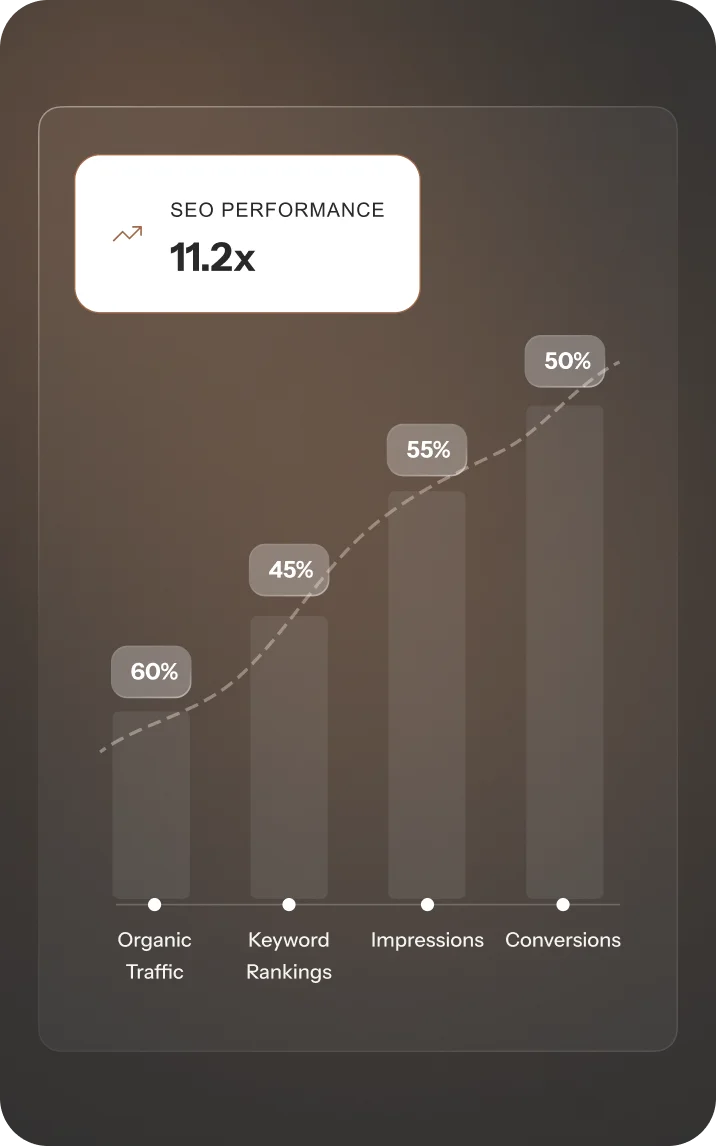
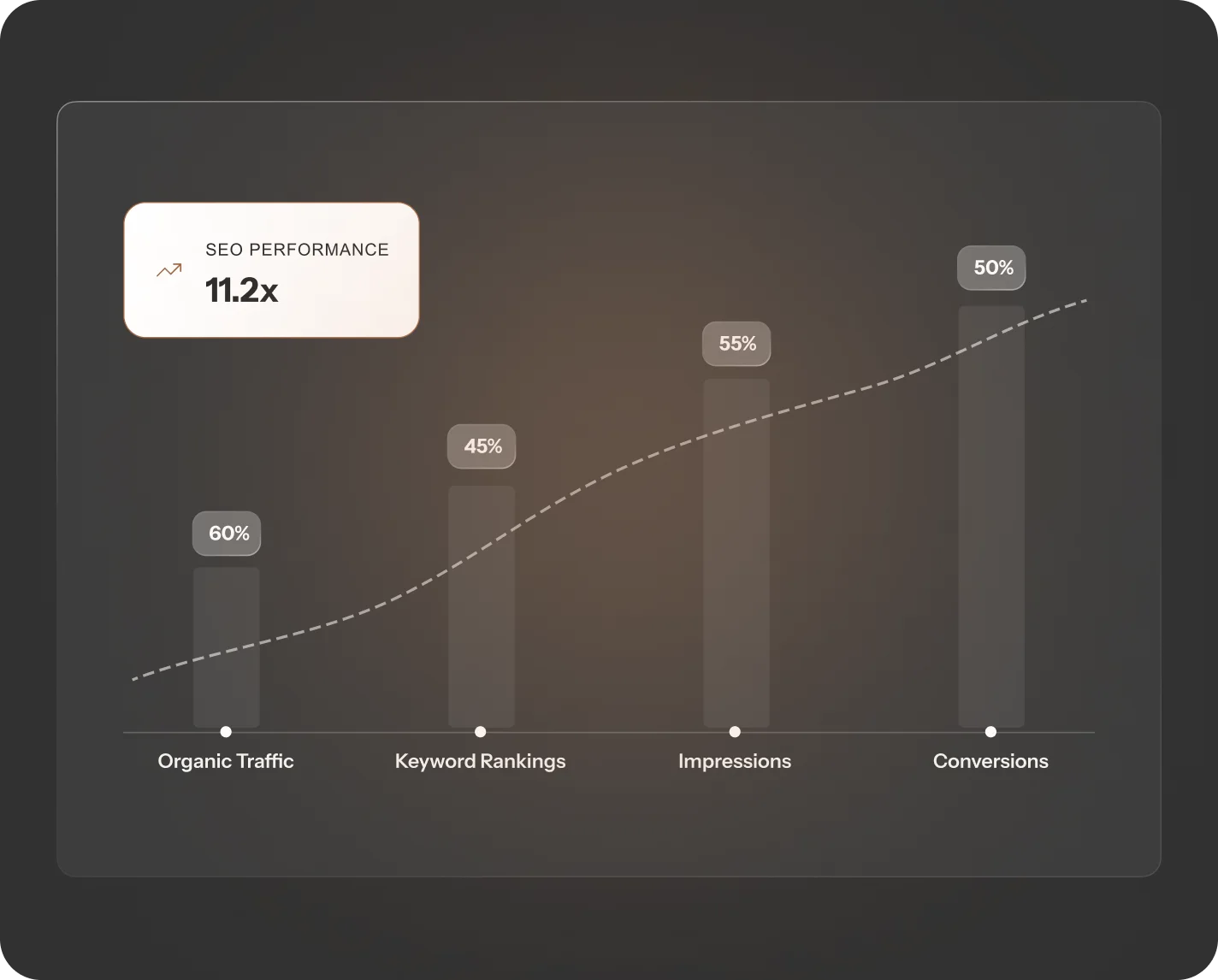
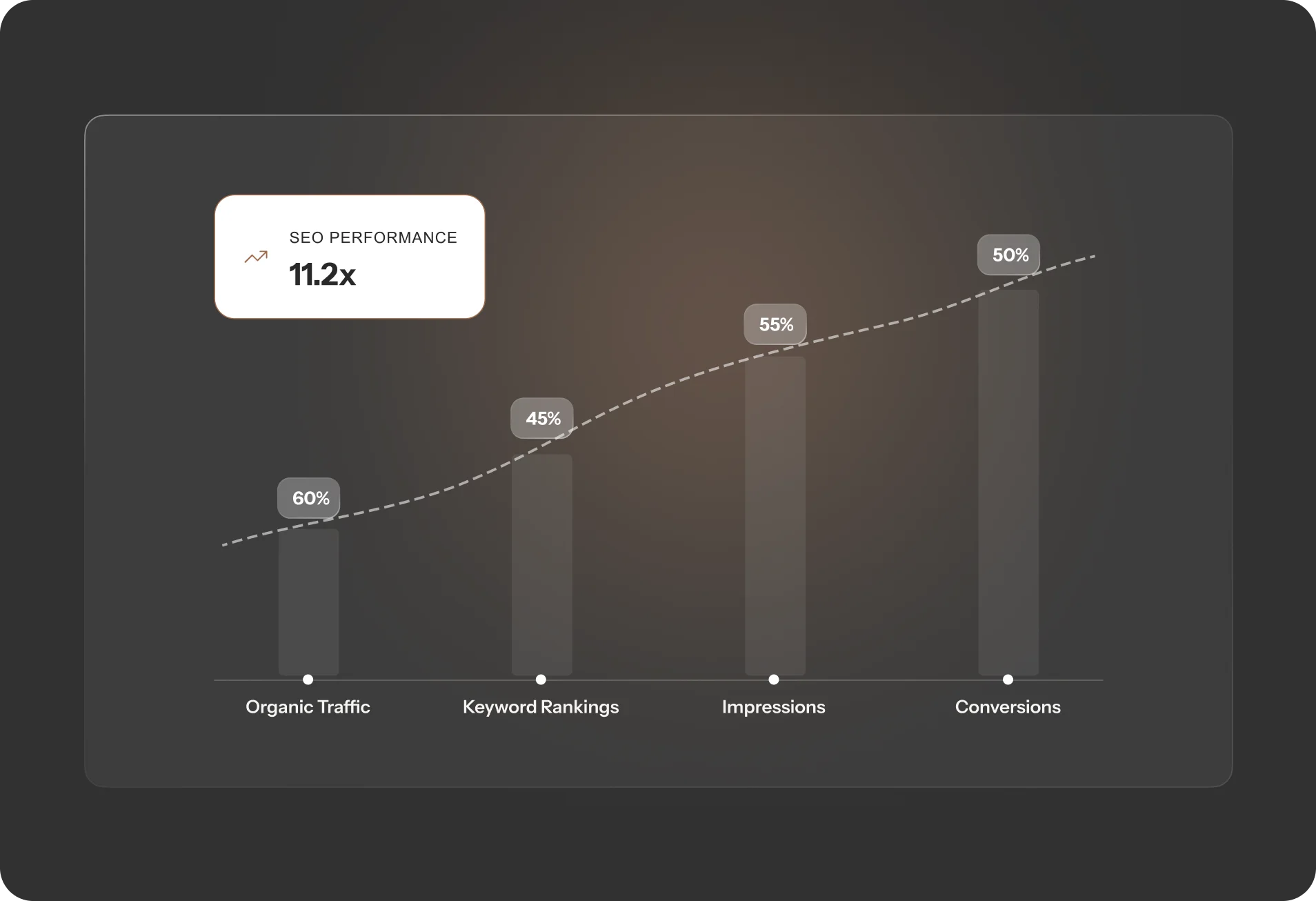
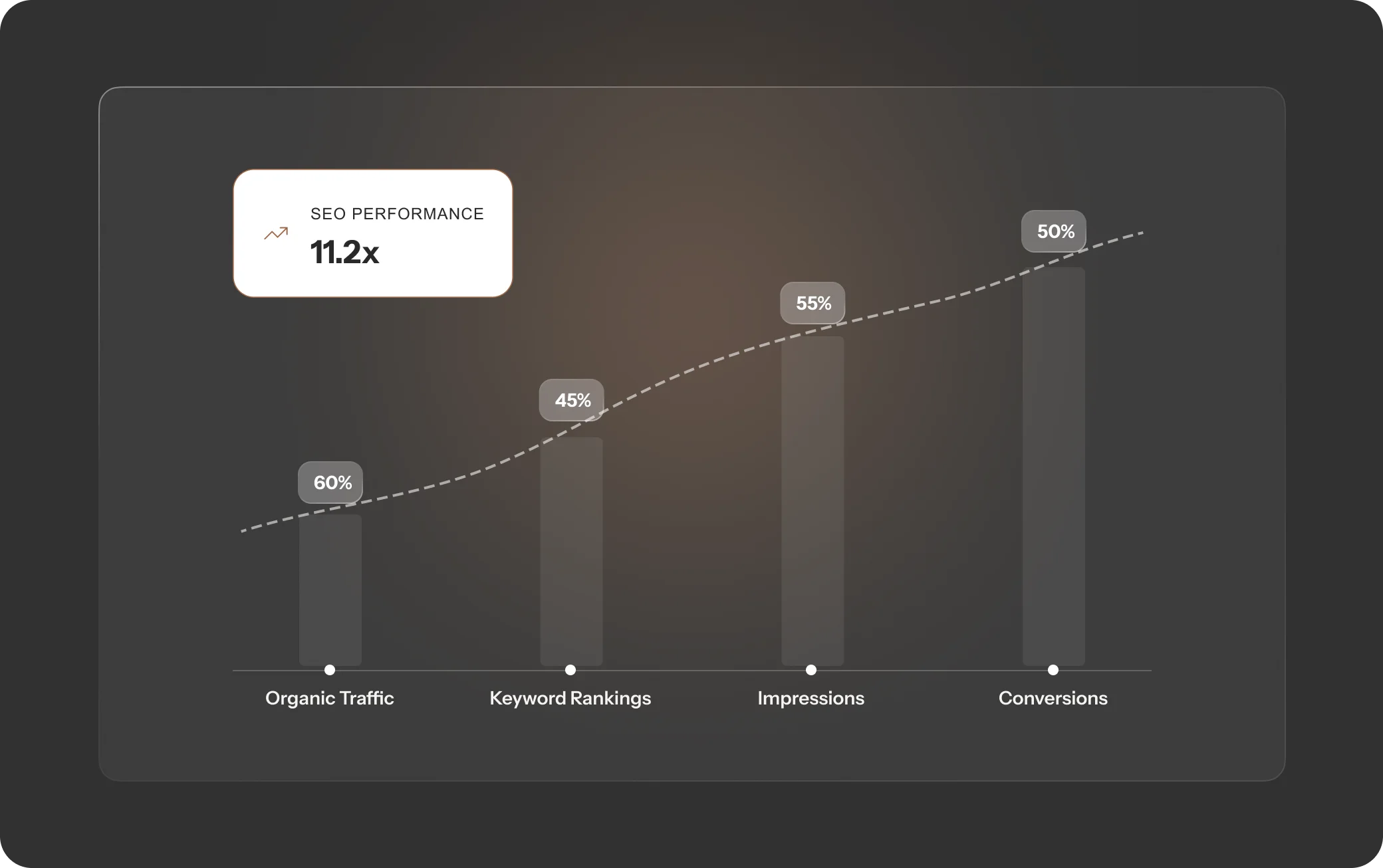
Organic traffic — visitors arriving through unpaid search results. Google Analytics shows this clearly.
Keyword rankings — positions for your target keywords over time. Track monthly to identify trends.
Impressions and clicks — Google Search Console shows how often your pages appear in search results and how often people click through.
Conversion actions — contact form submissions, phone calls, email signups from organic traffic. Traffic means nothing without leads.
Expect SEO results to build gradually. Significant ranking improvements often take 3-6 months. Track progress monthly, but evaluate strategy quarterly.
6. Integrating SEO With Your Marketing System
Real estate SEO works best as part of a broader marketing strategy. Content created for SEO can fuel your social media. Email newsletters can drive traffic to your blog content. Listing marketing can generate backlinks.
The challenge is maintaining consistency across channels while managing active transactions. Tools that systematize content creation help.
Trolto, for example, generates daily branded content for social media and creates property websites for every listing — the same content that supports your SEO also maintains your social presence. The cinematic listing videos work on your website, social platforms, and YouTube, multiplying the value of each piece of content across channels.
FAQ
How long does real estate SEO take to work?
Expect 3-6 months before seeing significant results. New sites take longer to build authority. Competitive markets require more time and effort. SEO is a long-term investment that compounds — early patience pays off with sustainable traffic over time.
Should I focus on my own website or Zillow/Realtor.com profiles?
Both serve different purposes. Portal profiles capture people searching on those platforms. Your own website builds assets you control and can optimize for keywords portals dominate. A balanced approach maintains strong portal presence while building your independent online presence.
What's the most important ranking factor for local real estate SEO?
Google Business Profile optimization and reviews have the strongest impact on local pack rankings. For organic results, relevant content targeting local keywords combined with consistent NAP information across the web matters most.
Start Building Your SEO Foundation
Real estate SEO requires consistent effort over months, but the results — sustainable organic traffic and reduced dependence on paid leads — make it worthwhile. Start with technical fundamentals, optimize for local search, and create content that serves your target audience's needs.
If content creation is your bottleneck, tools like Trolto can help you maintain an active online presence while building SEO value. Daily local content, property websites, and listing videos all contribute to the consistent web presence that search engines reward.
See how Trolto works