.webp)
Social Media
Real Estate Social Media Ideas That Build Your Brand and Generate Leads
Finding consistent real estate social media ideas is one of the biggest challenges agents face. You know you should post regularly. You understand that social media builds brand awareness and generates leads over time. But when you open Instagram or Facebook, you draw a blank — or worse, post something generic that gets ignored.
The agents who succeed on social media treat content creation as a system, not a daily improvisation. They know which types of posts resonate with their audience, batch content in advance, and maintain consistency even during busy transaction periods.
This guide breaks down the social media content categories that work for real estate, with specific ideas you can adapt for your market.

February 20, 2026

6 min read
Share


What We'll Explore
1. Why Social Media Matters for Real Estate
2. Content Categories That Work
•
Listings and Transactions
•
Local Expertise
•
Educational Content
•
Personal Brand
3. Building a Sustainable Content System
•
Batch Your Content
•
Use a Content Calendar
•
Repurpose Across Platforms
•
Automate Where Possible
1. Why Social Media Matters for Real Estate
Social media isn't optional for agents anymore. According to a Sprout Social survey, over 75% of consumers use social media to research brands before making purchasing decisions. For real estate, that means potential clients are checking your profiles before they ever reach out.
Your social presence serves multiple purposes. It keeps you visible to your sphere of influence — past clients, friends, family, and professional contacts who might refer business. It positions you as an active, knowledgeable agent to people researching local markets. And it provides touchpoints between transactions, so leads remember you when they're ready to buy or sell.
The goal is showing up consistently with content that genuinely engages and adds value. A balanced content mix keeps your audience engaged and works with the algorithm to maximize your reach. The solution is a balanced content mix that provides value, shows personality, and demonstrates expertise.
2. Content Categories That Work
Effective real estate social media breaks into four main categories: listings and transactions, local expertise, educational content, and personal brand. A healthy content strategy draws from all four.
Listings and Transactions
Property content performs well because people find homes inherently interesting. But there's more to it than posting MLS photos with "New Listing!" captions.
New listings should highlight what makes the property special — not square footage, but lifestyle. What will the buyer experience living there? A video walkthrough showing the flow between spaces outperforms static photos every time.
Sold posts celebrate wins and demonstrate activity. They signal to potential sellers that you're closing deals in their area. Include the story when appropriate: "Helped the Martinez family find their forever home after six months of searching" creates emotional connection.
Testimonials build trust through social proof. A quote graphic from a happy client, or better yet, a short video testimonial, shows results without you having to brag.
Market updates position you as the local expert. Share relevant data — median prices, days on market, inventory levels — in digestible formats. Infographics work well here.
The key with listing content is quality over quantity. One well-produced property video generates more engagement than ten rushed photo posts.
Local Expertise
Being the go-to source for local information builds your reputation as the neighborhood expert. This content category often performs best because it provides value to followers regardless of whether they're currently buying or selling.
Restaurant and business recommendations show you know the community intimately. When a new spot opens, be the first to share your take. Ask local businesses to cross-promote — many will share your post to their audience.
Event coverage keeps your feed relevant and timely. Farmers markets, festivals, concerts in the park, holiday events — document what's happening and invite followers to join.
Neighborhood spotlights work especially well for agents targeting specific areas. Highlight what makes each neighborhood unique: walkability, schools, dining scene, community vibe. This content attracts buyers researching areas and positions you as the authority.
Local market news goes beyond statistics. Is a major employer expanding nearby? New development coming? These stories affect property values and buyer decisions — sharing them demonstrates you're plugged into what matters.
Educational Content
Teaching your audience builds trust and positions you as the expert they want guiding their transaction.
First-time buyer tips address common fears and questions. How much do you need for a down payment? What does the inspection process look like? How long does closing take? Answer these questions, and nervous buyers will remember who helped them feel prepared.
Sell helps homeowners understand what goes into listing a property. Staging tips, repair priorities, timeline expectations — this content warms up future listing leads.
Market explainers break down confusing topics. How do interest rates affect affordability? What's the difference between list price and appraised value? Why do some homes sell fast while others sit? Your expertise is valuable — share it.
Process walkthroughs demystify transactions. Many people have never bought or sold a home and don't know what to expect. Step-by-step content reduces anxiety and builds confidence in working with you.
Personal Brand
People work with agents they know, like, and trust. Personal content builds that connection.
Behind-the-scenes glimpses humanize your work. Show what a listing appointment looks like. Share the chaos of juggling multiple closings. Let followers see the person behind the professional.
Your own story resonates with followers. Why did you get into real estate? What do you love about it? What have you learned? Authenticity creates connection.
Wins and milestones invite your audience to celebrate with you. License anniversary, production goals hit, awards earned — share them without being boastful.
Humor and personality make your content memorable. Real estate provides plenty of material for light moments. The lockbox frozen shut, the showing that went sideways, the client request that made you laugh. People remember agents who don't take themselves too seriously
3. Building a Sustainable Content System
Having ideas is one thing. Executing consistently is another. The agents who maintain strong social media presence build systems that don't depend on daily inspiration.
Batch Your Content
Set aside time weekly or monthly to create multiple posts at once. Write captions, edit photos, produce videos in batches rather than scrambling each day. This approach is more efficient and produces more consistent quality.
Use a Content Calendar
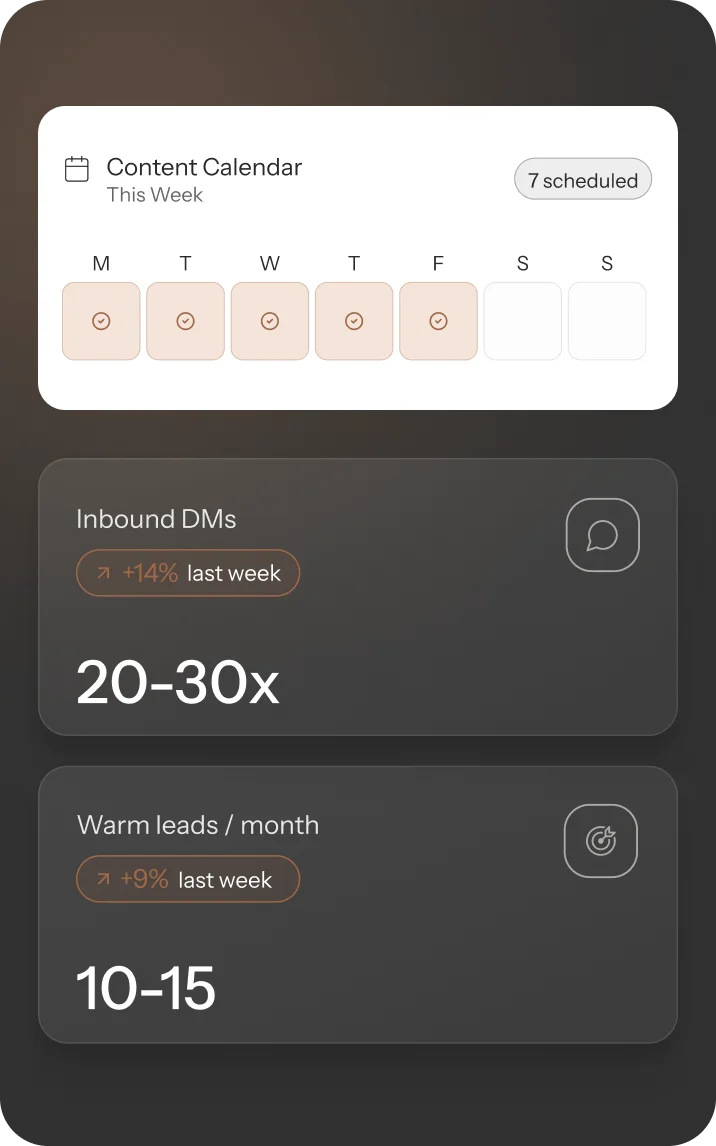
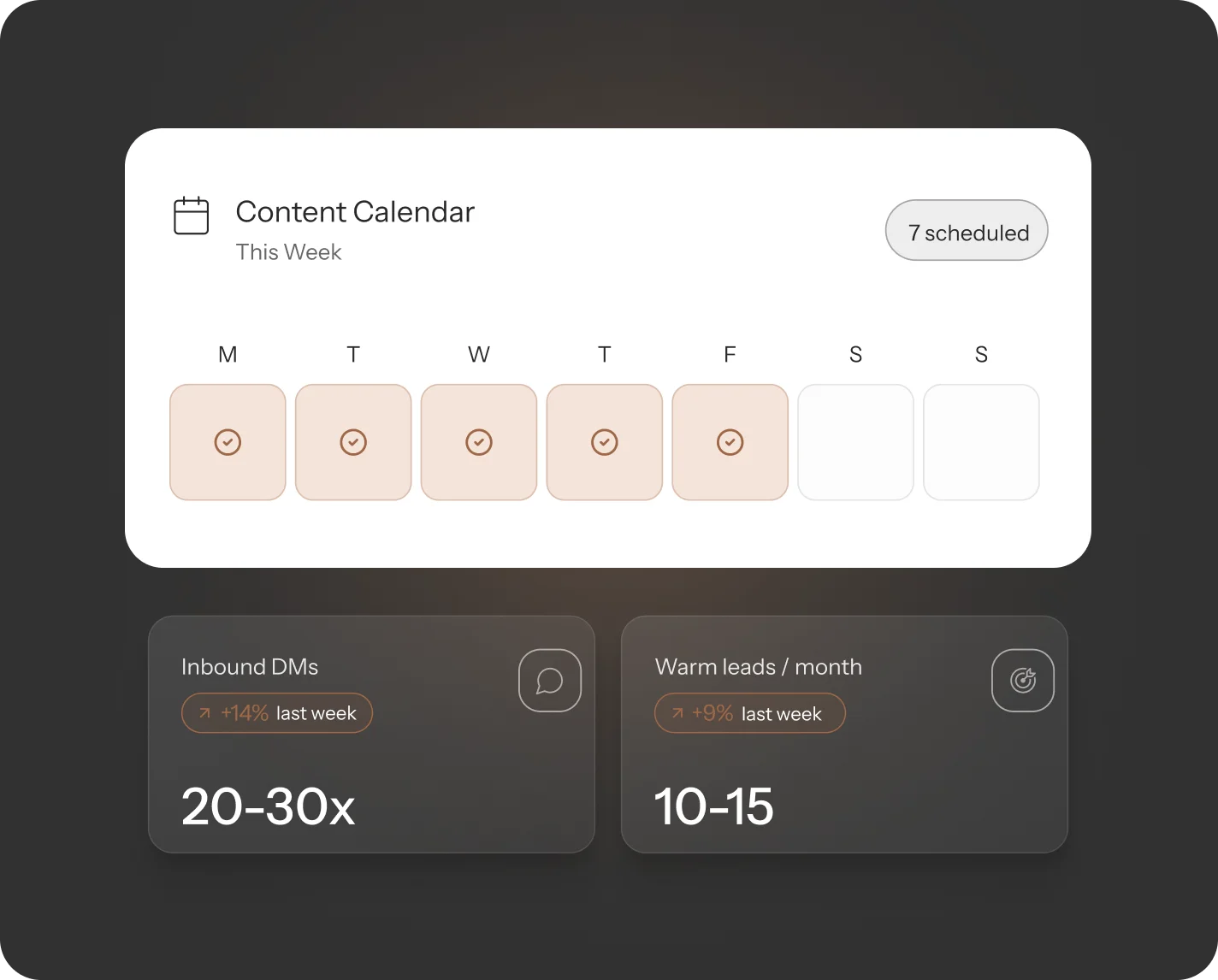
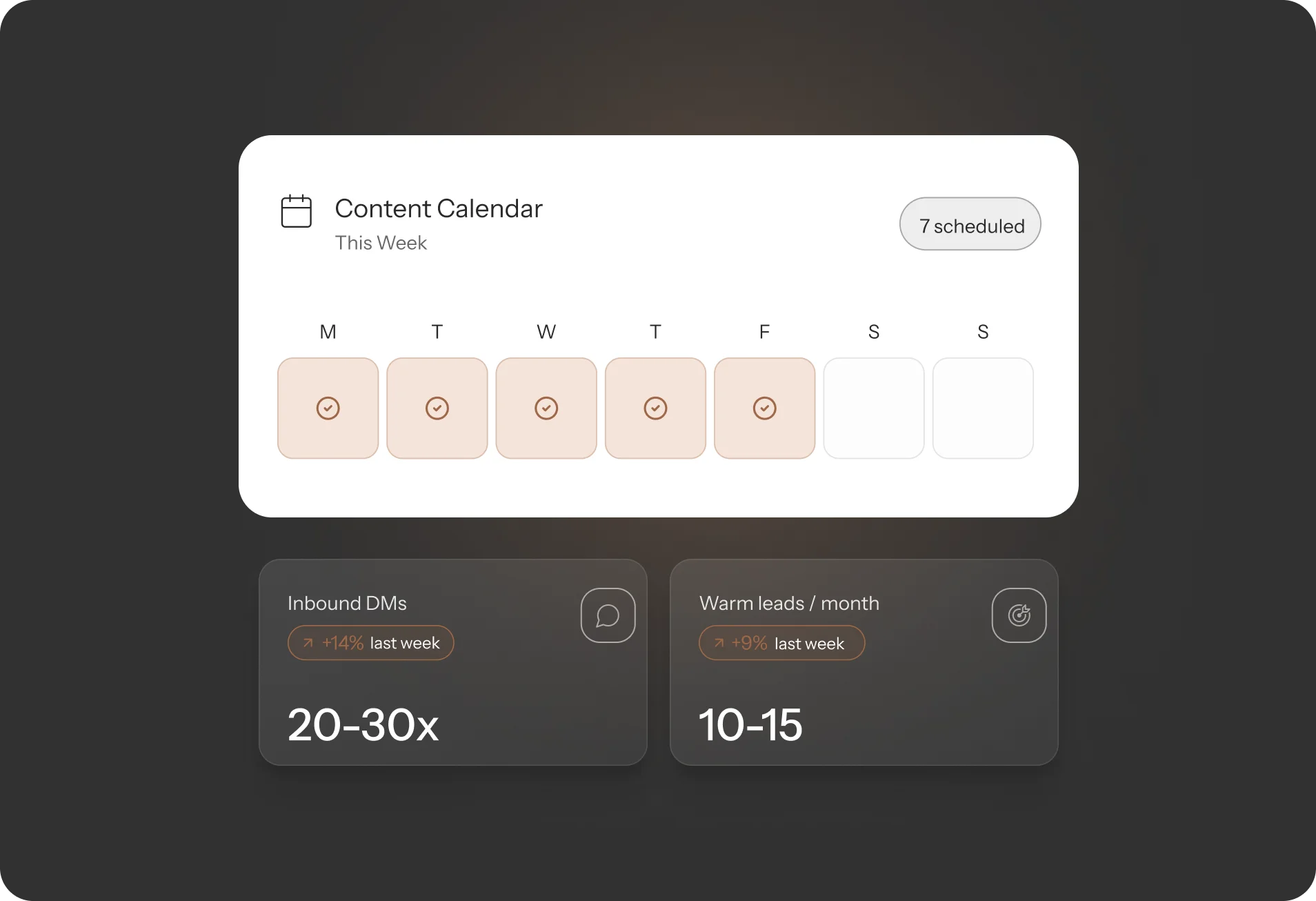
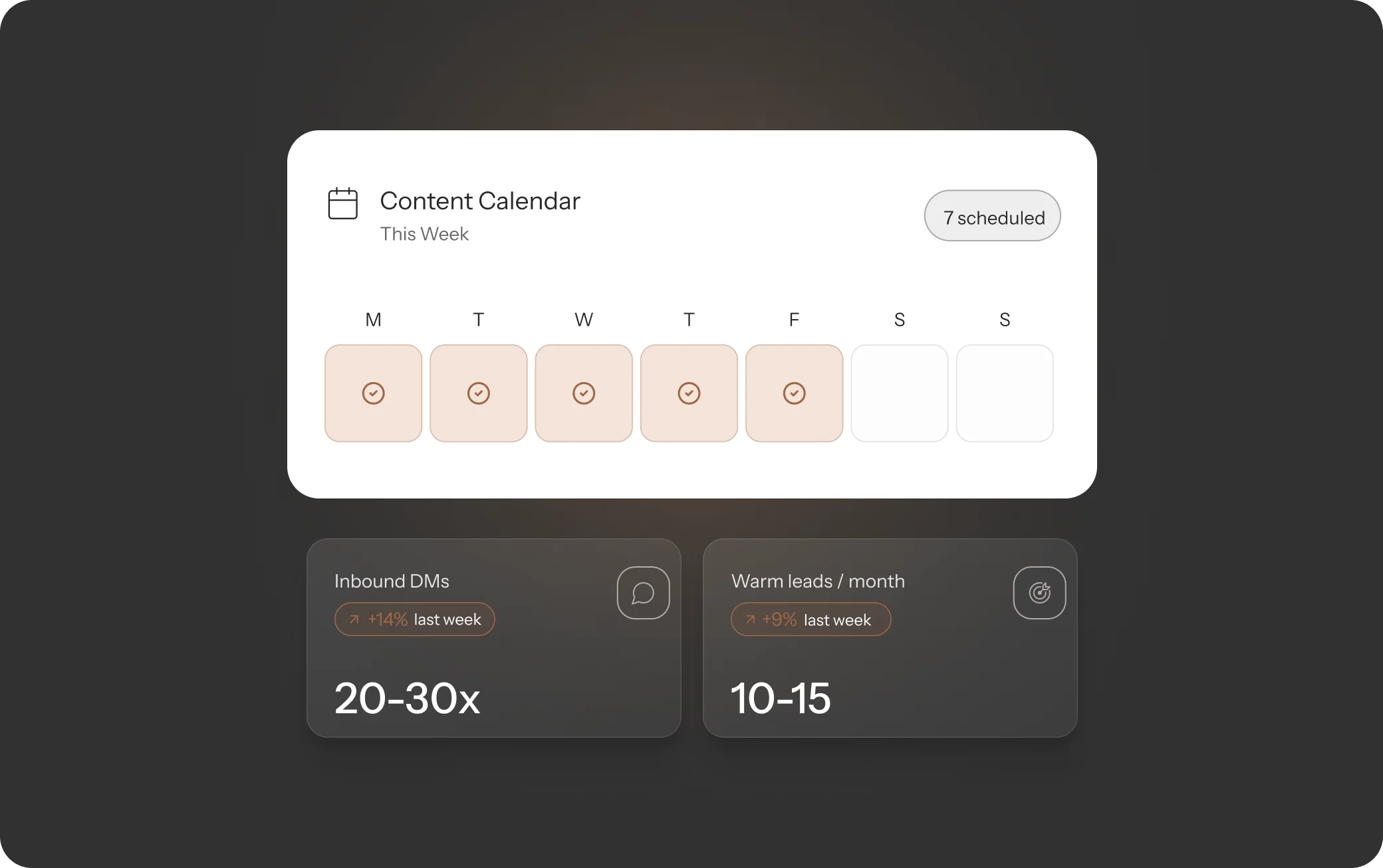
Plan your content mix in advance. Assign categories to specific days: listing content Monday, local spotlight Wednesday, educational tip Friday. A calendar prevents the "what should I post?" paralysis.
Repurpose Across Platforms
A property video can become a Reel, a Story, a YouTube Short, and a LinkedIn post with minimal additional effort. A market update can be an infographic for Instagram and a written post for Facebook. Work smarter by adapting content for multiple channels.
Automate Where Possible
Content creation takes time. If producing daily posts feels unsustainable alongside your transaction work, tools can help.
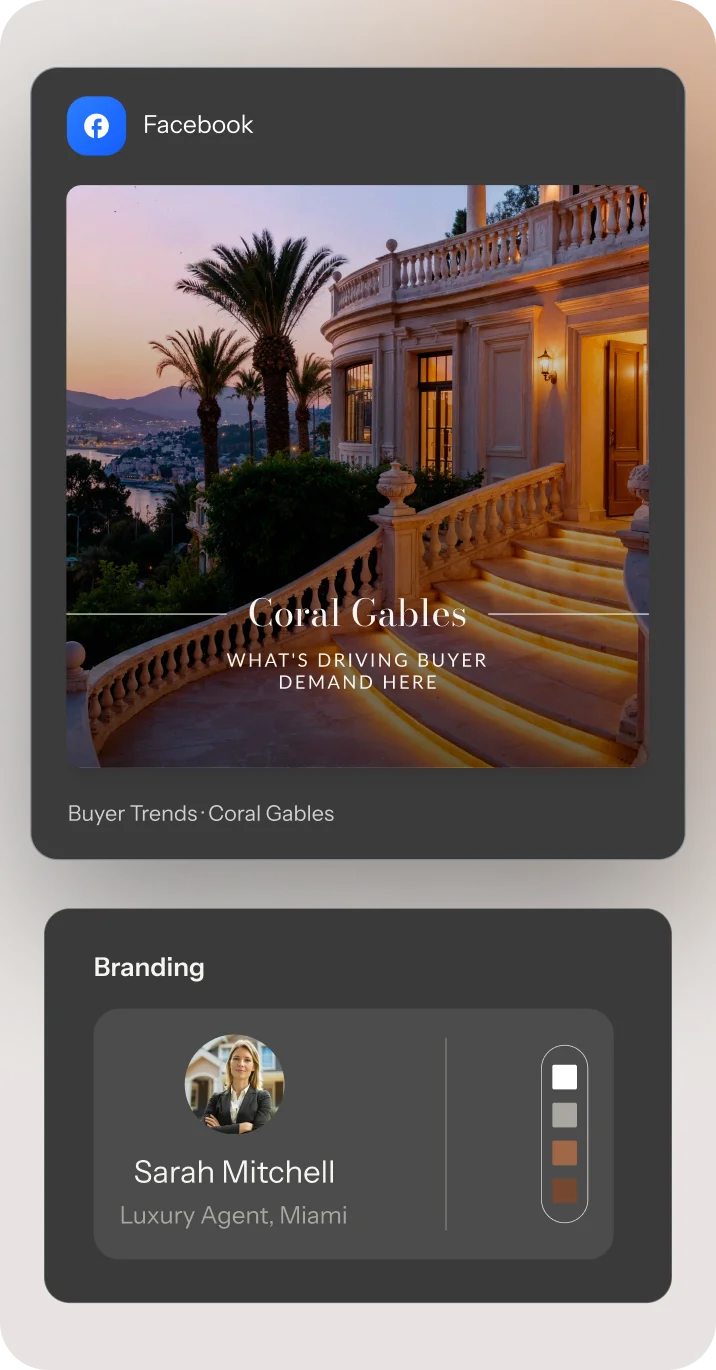
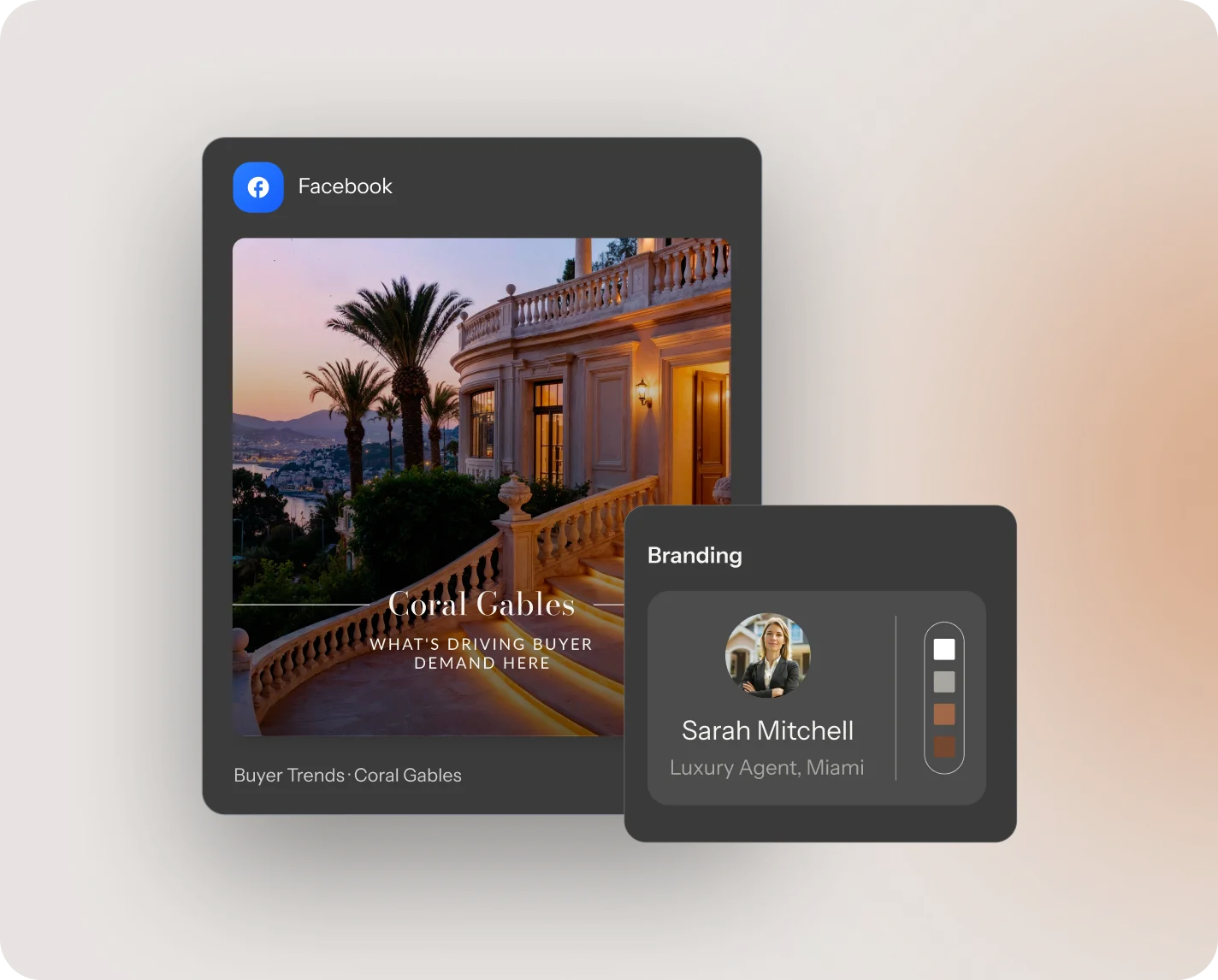
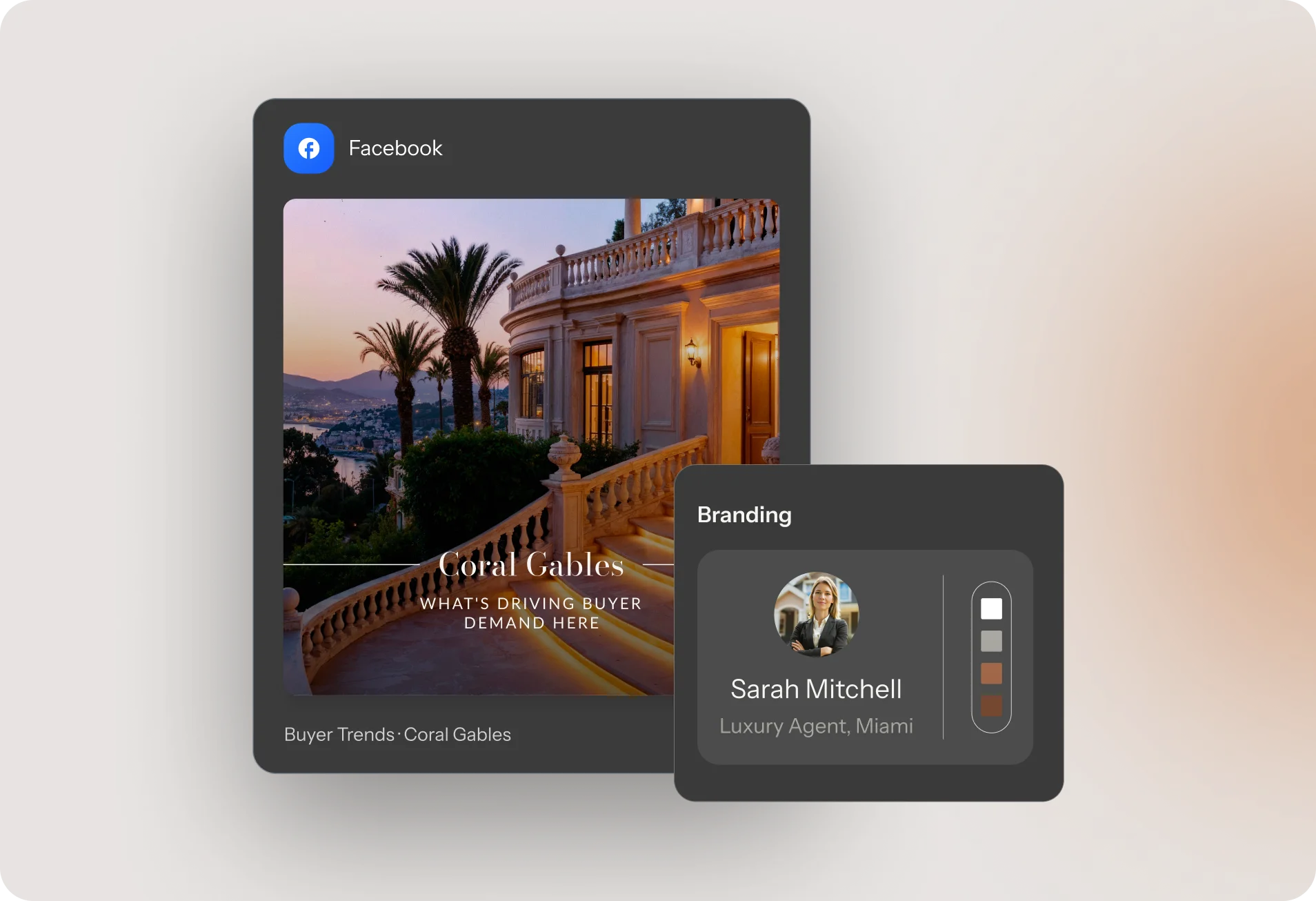
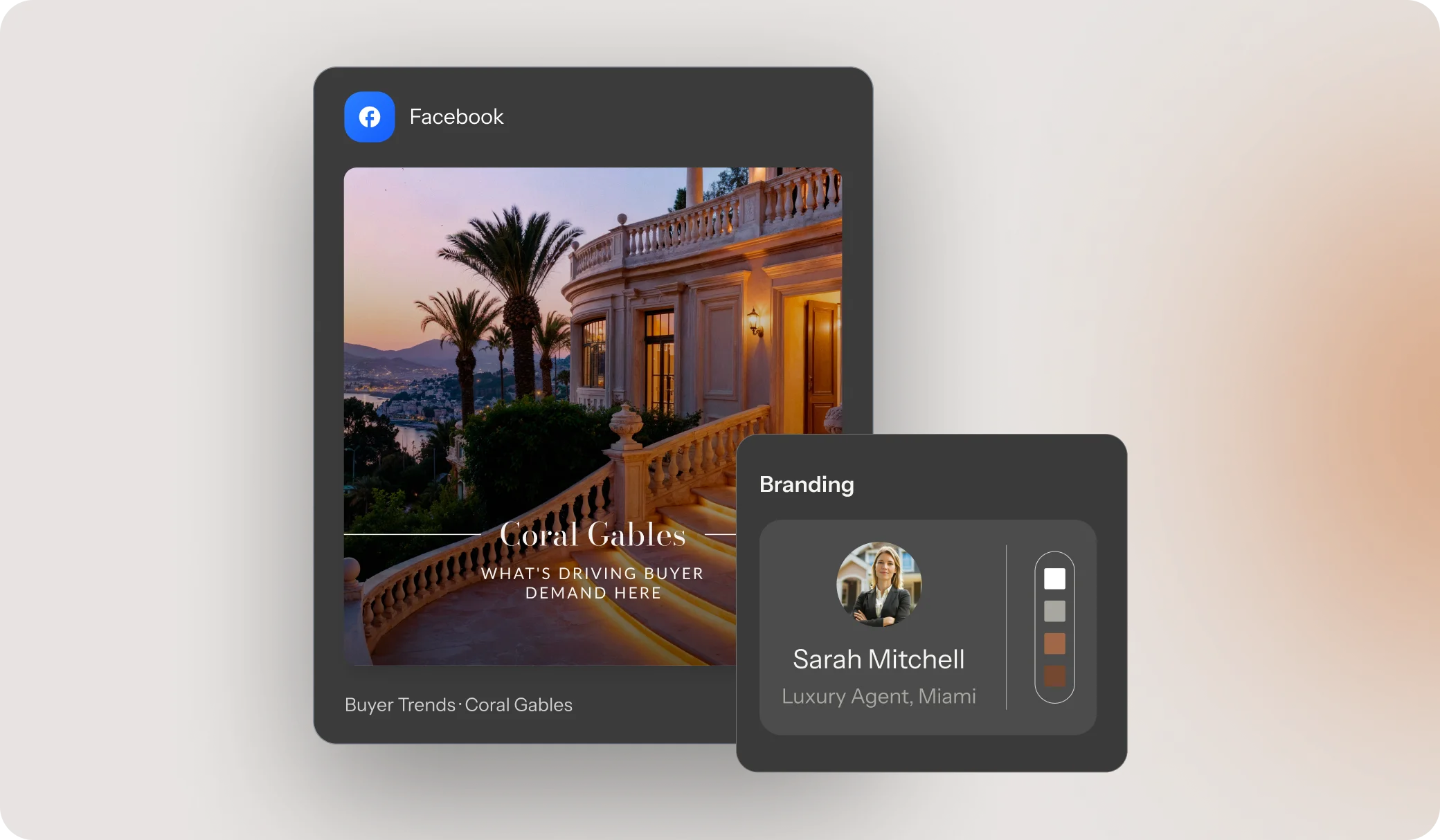
Trolto, for example, generates daily local content written in your voice and automatically posts it to your accounts. Your branding, your market, your style — without the daily time investment. Combined with their cinematic listing videos and property websites, it's a complete content system that keeps your presence active even during your busiest months.
4. Setting Up Your Sign-In Station
Placement and presentation affect completion rates more than most agents realize.
Position Strategically
Don't hide your sign-in station in a corner. Position it where visitors naturally pause — near the entry, by refreshments, or in the main living area. The goal is making sign-in feel like part of the experience rather than an obstacle.
For digital sign-in via QR code, display the code prominently on a stand or frame. Include brief instructions: "Scan to sign in and receive property details."
Make It Professional
Your sign-in station reflects your brand. A wrinkled paper on a clipboard signals casual. A clean tablet on a stand with your branding signals professional.
For paper sign-in, use high-quality printed sheets with your logo and contact information. For digital, ensure your sign-in app is customized with your branding.
FAQ
How often should I post on social media?
Consistency matters more than frequency. Posting three times per week reliably outperforms posting daily for a week then disappearing. Start with a sustainable rhythm — even two to three quality posts weekly — and build from there.
Which platform should I focus on?
Go where your audience is. Instagram and Facebook reach the broadest residential audience. LinkedIn works well for commercial or investment-focused agents. TikTok and YouTube Shorts capture younger demographics. Most agents benefit from maintaining presence on Instagram and Facebook at minimum, since content can cross-post between them.
What if I don't have listings to post about?
Listings are one content category, not the only one. Local expertise, educational content, and personal brand posts don't require active inventory. Many successful agents built large followings before they had significant listing activity by focusing on value-added content.
Stay Consistent Without the Burnout
The agents who win on social media combine creativity with consistency, showing up regularly with content that makes an impact. They show up regularly with content that provides value, demonstrates expertise, and reveals personality.
Once you understand the content categories that resonate, execution becomes your greatest advantage — maintaining a strong presence week after week while running a thriving real estate business.
If content creation is your bottleneck, build a system that works for your schedule. Batch content, use a calendar, repurpose across platforms. And if you need help staying visible without the daily time investment, Trolto can generate and post branded local content automatically — so your social presence stays active even when you're focused on clients.
See how Trolto works